Jijona turrón: how the hill town of Xixona came to make Spain's Christmas nougat
Xixona, Alicante//History/8 min read
A hill town north of Alicante has made Spain's Christmas nougat since at least the sixteenth century, and spent its summers selling ice cream across the country.
 Written with by Eduardo Peire
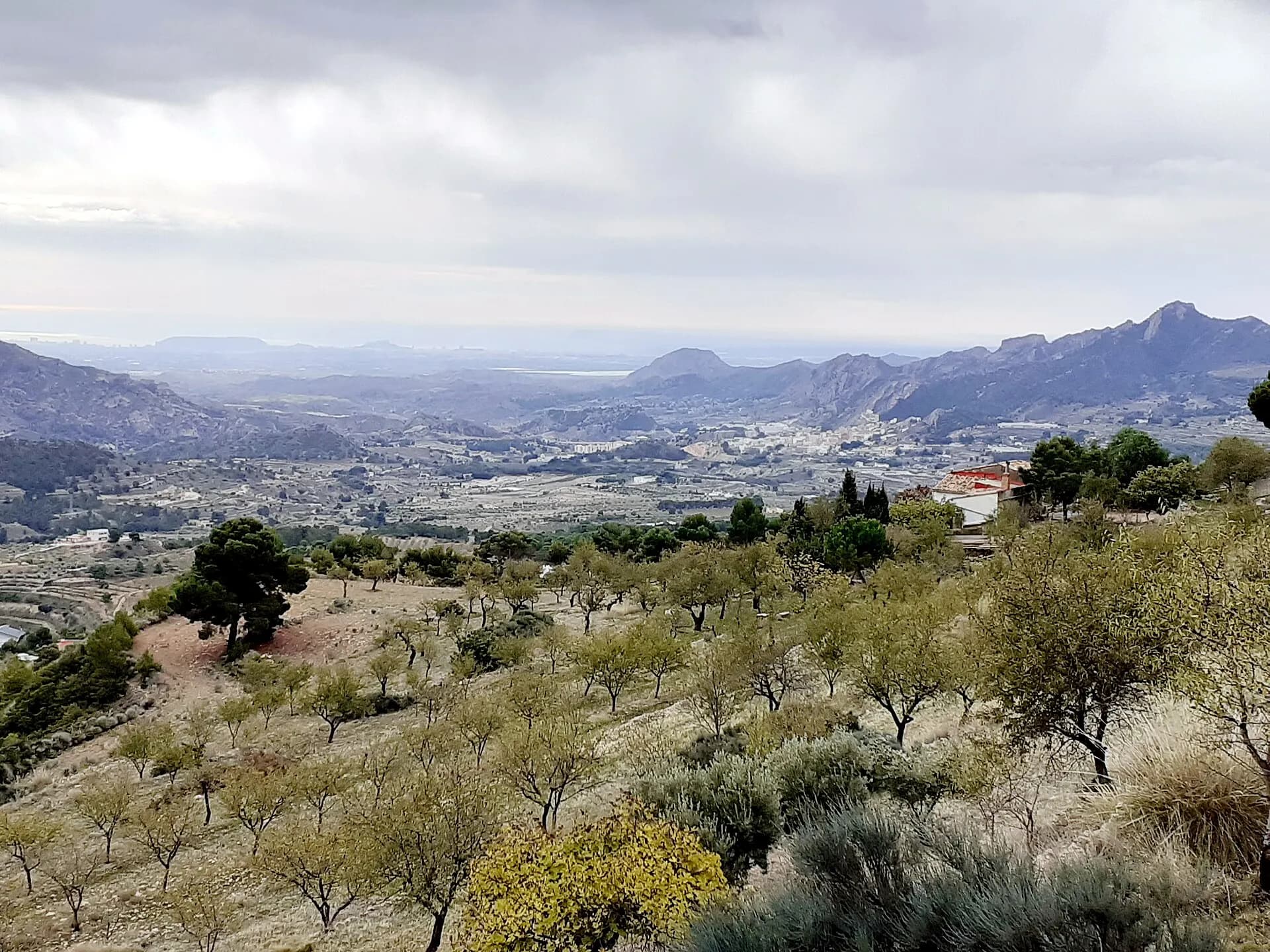
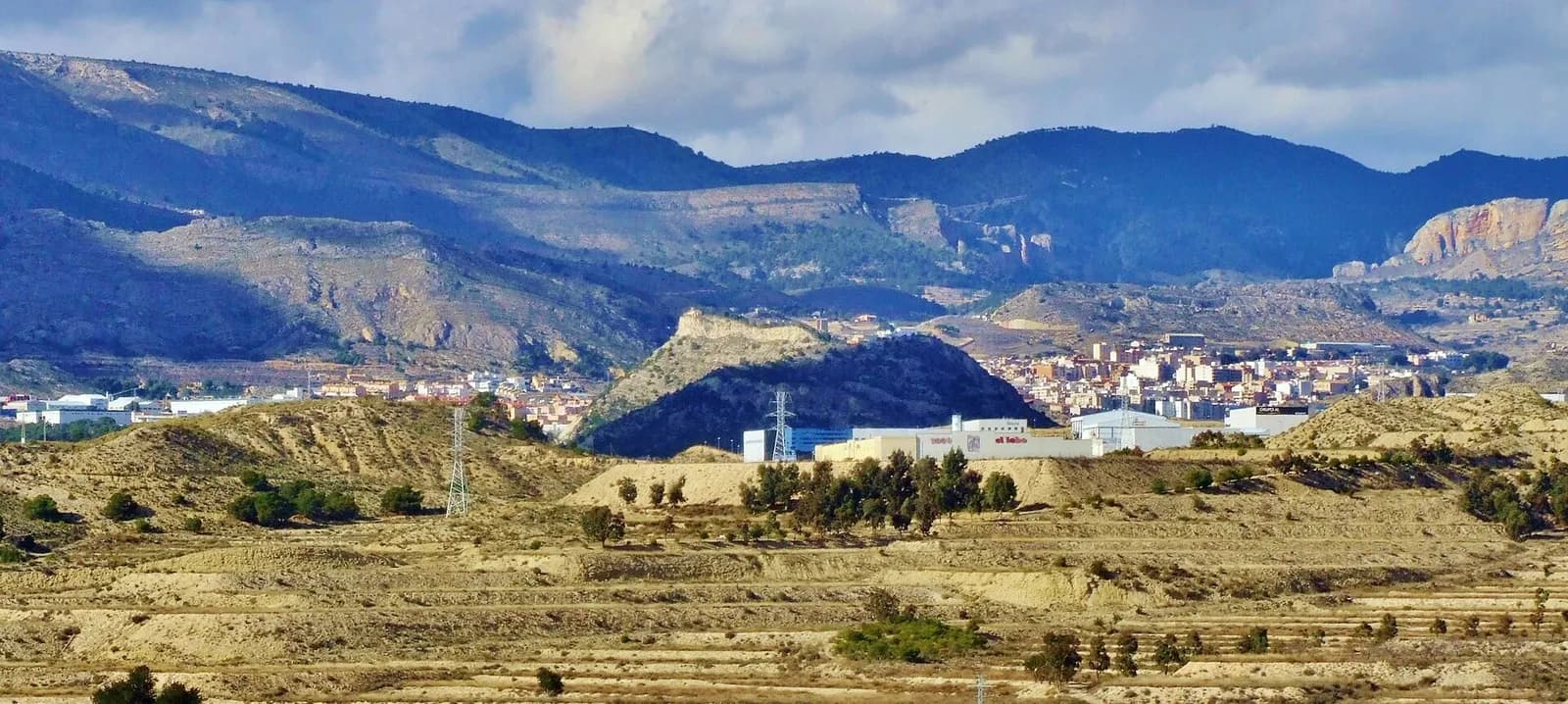
Jijona turrón is the soft almond and honey nougat of a Spanish Christmas, and it can only be made in one place: Xixona (Jijona in Spanish), a town at 453 metres in the hills 26 kilometres north of Alicante. The hard kind, turrón de Alicante, comes from the same town despite its name. Both are protected geographical indications (PGIs), and both draw their production area around a single municipality. How a small mountain town came to make the sweet that the whole country eats in December is a story of almond trees, honey, travelling salesmen and, less obviously, ice cream.
Where does turrón come from?
The town does not claim to have invented it. The PGI specification, drawn up by Xixona's own regulatory council, credits the Arab and Jewish cooks of the region, whose sweets of honey, sugar and nuts left their mark on the local kitchen. In Valencian the word is torró, and it turns up early in Valencian writing: Jaume Roig's satirical poem Spill, written around 1460, already lists torrons next to quinces and other treats.
Turrón making in Xixona itself is documented from the middle of the sixteenth century. By 1610 the Valencian historian Gaspar Escolano could write that the turrón of Xixona was sent to princes as a gift and travelled around Europe packed in trunks. The town's version had an edge. By the seventeenth century it used cane sugar and egg white as well as honey, and peeled, toasted almonds, which made it whiter than the dark turrón, the ametllat, made elsewhere in Spain.
The hard turrón took the name of Alicante because Alicante was the port it sailed from. The specification points out that the dictionary of the Royal Spanish Academy defines turrón de Alicante as hard turrón from Jijona, which is about as close as a dictionary gets to settling an argument between two towns.
Jijona turrón and Alicante turrón: what is the difference?
They start the same way. Almonds are toasted, and honey, sugar and egg white are cooked together in a mixer until the syrup reaches what makers call the ball point, which takes about thirty minutes, according to the PGI specification. For turrón de Alicante, whole toasted almonds are folded into that hot white mass, which is pressed into blocks or round cakes and often covered with wafer so the pieces do not stick. The whole process takes about 45 minutes. It is hard, it snaps, and it rewards good teeth.
Turrón de Jijona goes further. The cooled mass is ground with the almonds in mills, refined cold until it flows, and cooked a second time in machines called boixets until the paste reaches the right thickness. That takes about two hours, and the blocks are cut only once they have cooled and a little almond oil has seeped out. The result is soft, slightly oily and crumbly, a pale brown, with small pieces of almond through it.
Both PGIs have two grades. For Jijona, Suprema means at least 64 per cent almonds and 10 per cent honey, and Extra at least 50 per cent almonds with the same 10 per cent of honey. For Alicante the almond thresholds are 60 and 46 per cent. Cinnamon is allowed as a flavouring. Everything has to be made and packed inside the municipality of Xixona, and each bar carries a numbered label from the regulatory council of the two PGIs, which sits on an industrial estate at the edge of town.
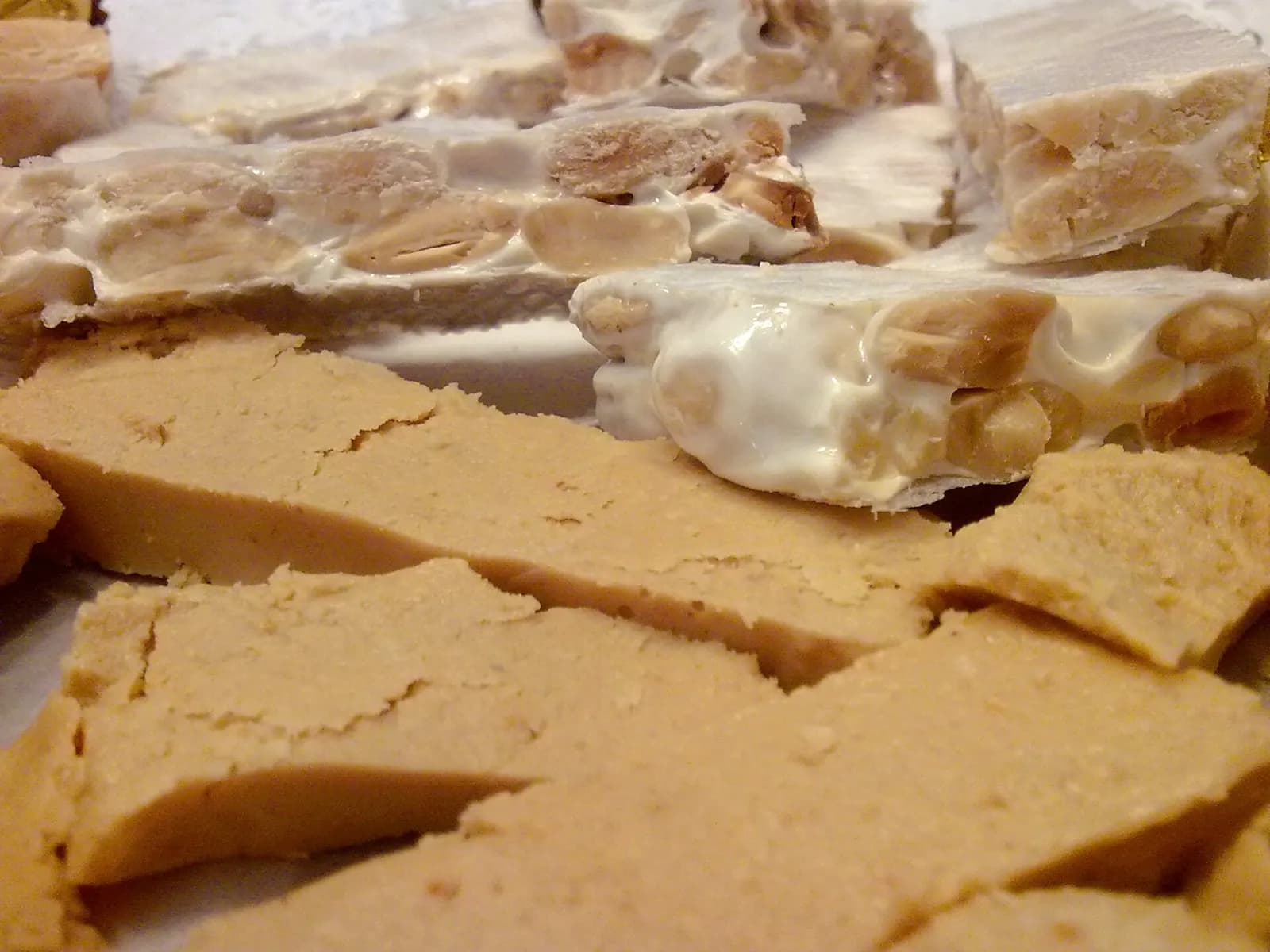
One old habit survives in the rules. The specification allows the blocks to be cut and weighed in front of the customer, al corte, a way of selling it describes as typical of the province of Alicante at Christmas.
Almonds, honey and the question of origin
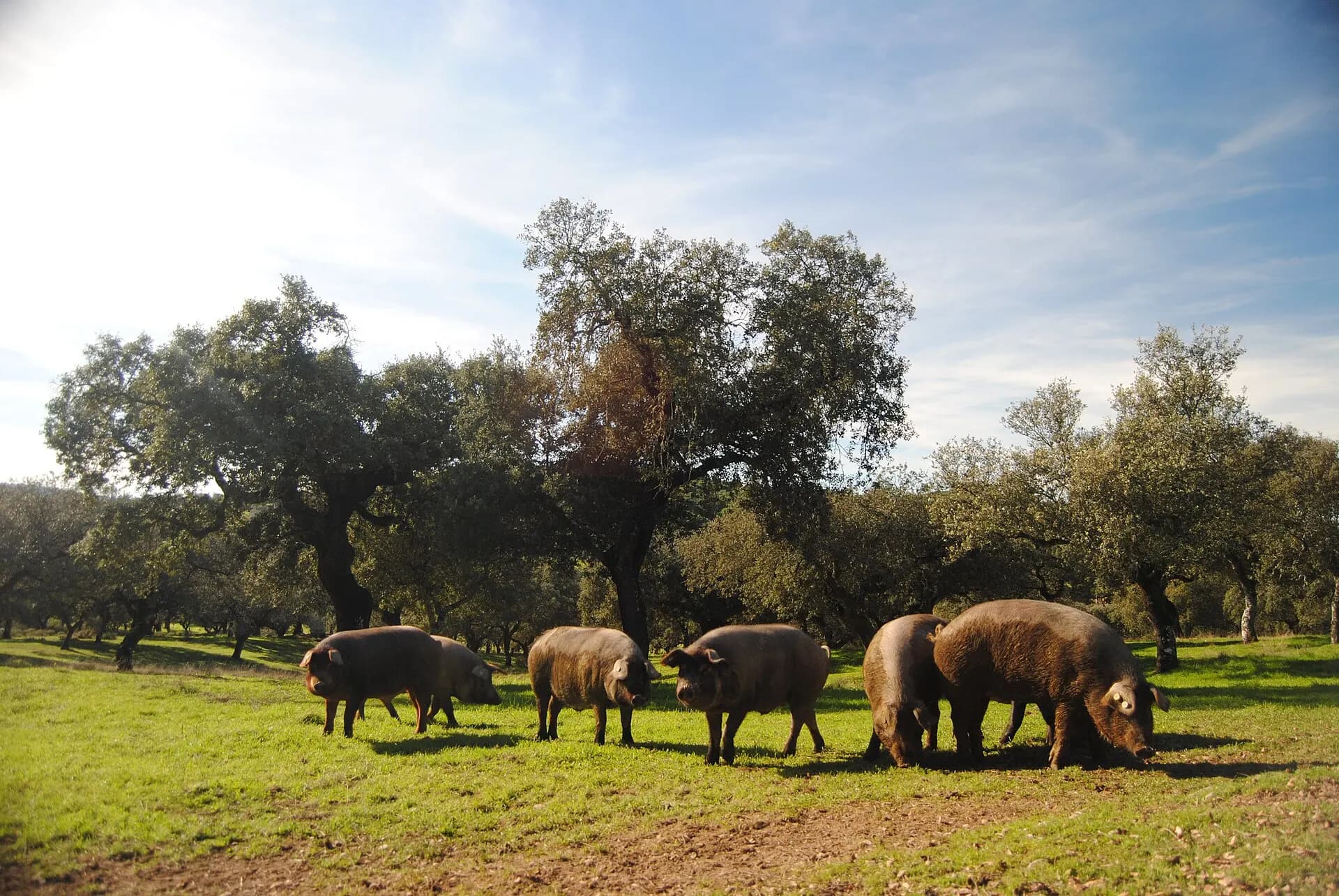
The ingredients explain the place. The hills around Xixona were dry farmland, where almond trees grew without irrigation and the hives fed on rosemary, thyme and lavender. In the middle of the eighteenth century, according to the specification, the almond began to replace cereals as the town's main crop, and almond plantations spread through the nineteenth century as demand for turrón grew.
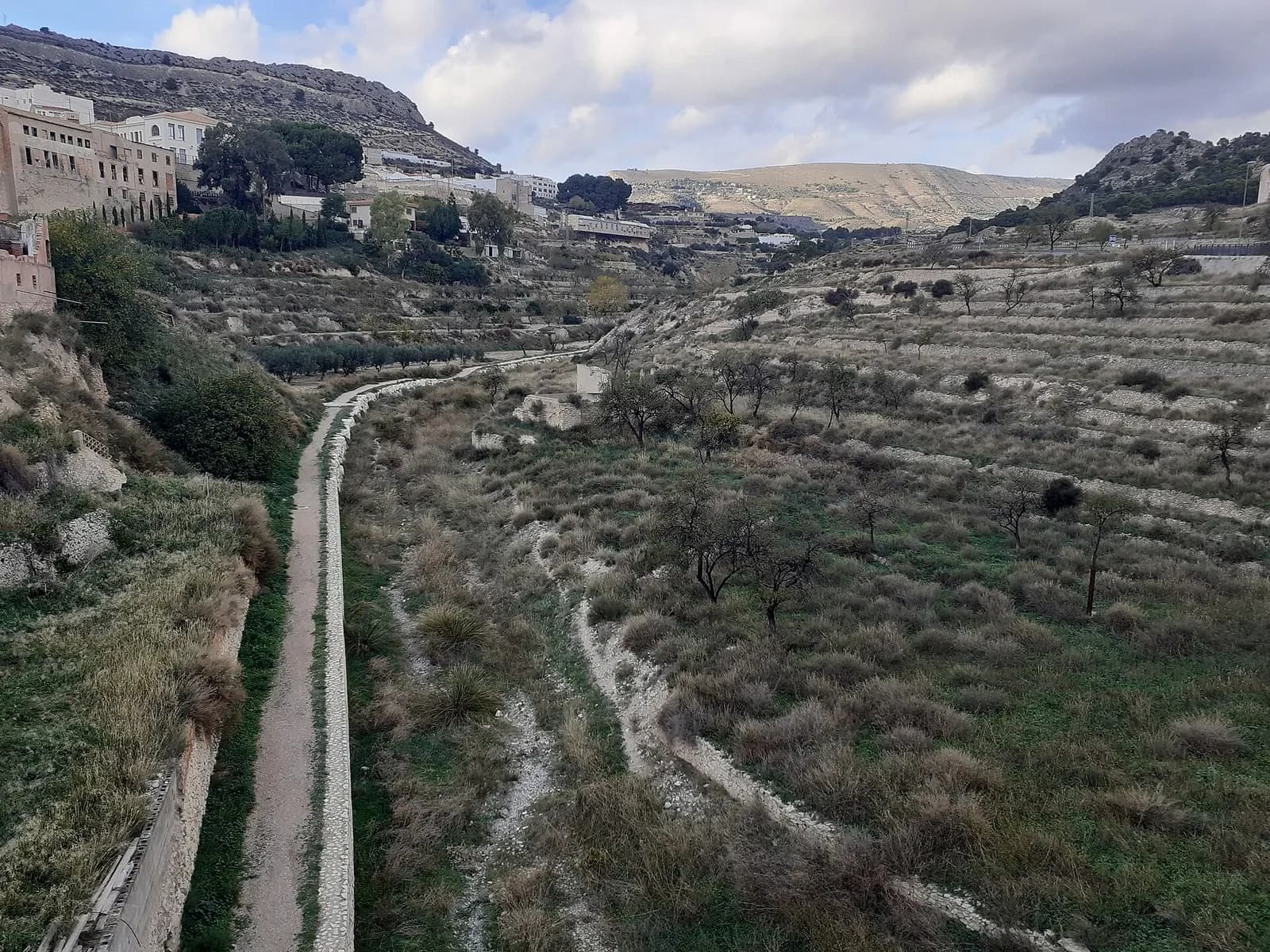
The town outgrew its own almond fields decades ago, and its rules record it. On 18 August 1939 the state declared Jijona an exclusive designation for turrón made in the town, published in the official gazette the following March. When the turrón makers applied for a modern denomination in the late 1980s, they asked for a Denominación Específica rather than a full denomination of origin, and the council's own history explains why. Production had grown so much since 1939 that the municipality could no longer supply enough almonds. The new denomination was approved in 1991, and the EU registered Jijona and Turrón de Alicante as PGIs in 1996.
The current specifications go one step further. They ask for almonds and honey "from the different agronomic varieties" available on the market and say nothing about where they are grown. When the Generalitat approved that change in 2023, the farmers' union La Unió de Llauradors objected, arguing that it let manufacturers use almonds from anywhere in the world while Valencian growers, of the local Marcona above all, were selling at ruinous prices. The Generalitat's agriculture department answered that the origin of the almond has no bearing on the product. The label does not settle the argument either way, so the only way to know where a maker's almonds come from is to ask.
Why Xixona sold ice cream in summer
Turrón is a seasonal trade, made in the months before Christmas and eaten in December. From the eighteenth century to the early twentieth, the specification says, Xixona families loaded carts with turrón and travelled across Spain to sell it, setting up in the doorways of houses in city centres. Some of those doorway shops still trade, and, the specification claims, some still sell more there than in the shops opened later.
When the turrón season ended, many of the same families turned to ice cream. The specification describes the town's economy as a duality: ice cream in summer, turrón in winter, with dry farming in between. In the nineteenth and twentieth centuries Xixona people spent much of the year scattered across Spain, Cuba and Latin America selling one or the other. The trail they left is still visible abroad. Argentina's food code, the specification notes, classes hard turrón as "Alicante type" and soft turrón as "Jijona type", after families from Xixona set up turrón factories there from the end of the nineteenth century.
The cold trade has older roots in these mountains than it seems. From the sixteenth century, Xixona and nearby Ibi were two of the best known centres of the snow business, in which snow was pressed into pits in the hills and sold through the summer, according to a history of the trade published by El Español in 2026.
The double life shows in the calendar. Xixona's patronal Moros i Cristians, the festival of mock battles between Moors and Christians, falls in the second half of August, when the ice-cream makers are away selling. So since 1978 they have had a Moros i Cristians of their own, now held in October. In 2023 the council gave the national association of artisan ice-cream makers, ANHCEA, a plot next to the turrón regulatory council for a research centre on artisan ice cream. At the signing the mayor, Isabel López, described Xixona as the town with the largest number of artisan ice-cream makers spread across Spain.
How did a craft become an industry?
For most of its history turrón was a sideline to farming. From the beginning of the twentieth century, and above all from the 1940s, production was industrialised, and turrón and ice cream together replaced agriculture as the engine of the town. The specification puts exports at close to 15 per cent of production and claims more than 60 per cent of Spain's turrón and Christmas sweets for the town.
Industrial does not mean the method changed much. The specification still insists that a master turrón maker decides when each batch of almonds is toasted enough, when the syrup has reached its point and when the paste in the boixet is finished. Machines do the stirring. People still make the calls.
Visiting Xixona: the turrón museum and the Christmas fair
The Museu del Torró sits inside a working factory on the Busot road, on the industrial estate known as Ciudad del Turrón. It began in the 1960s as a home for tools that were going out of use. Its three floors run from the raw materials, sugar, honey, almonds and eggs, through the making to the selling, with old packaging and advertising. The ticket includes a guided look at the factory floor and a tasting at the end.
The town fills up in early December for its Fira de Nadal, the Christmas fair, on dates the participating businesses vote on each year and the town announces months ahead. The 2025 edition drew more than 150,000 visitors and a record 121 exhibitors, according to the town council and the local business association when they announced the next edition. Out of season, the old town climbs towards its recently restored castle, and the road north winds up through terraced hills and over the Carrasqueta pass to Alcoi.
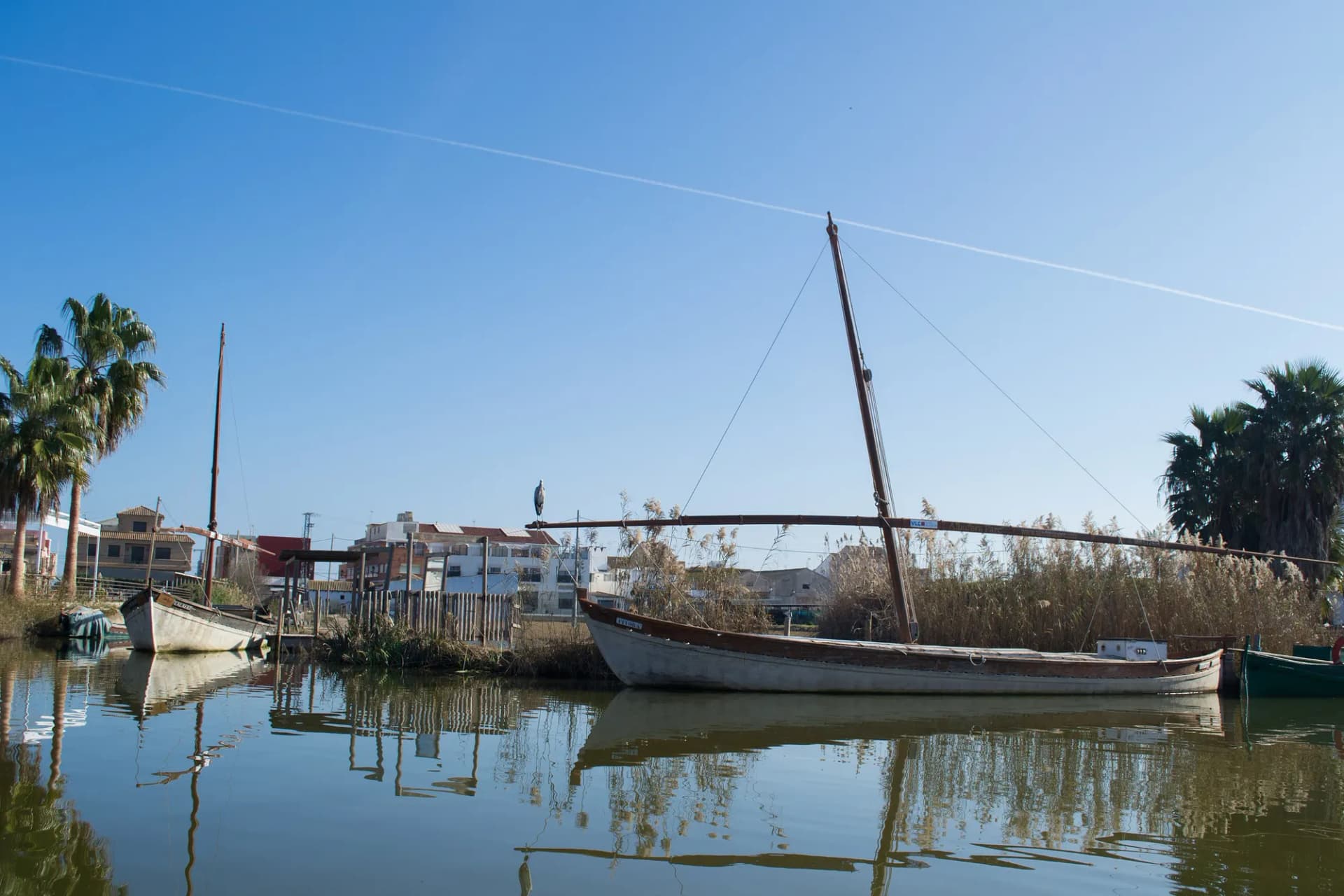
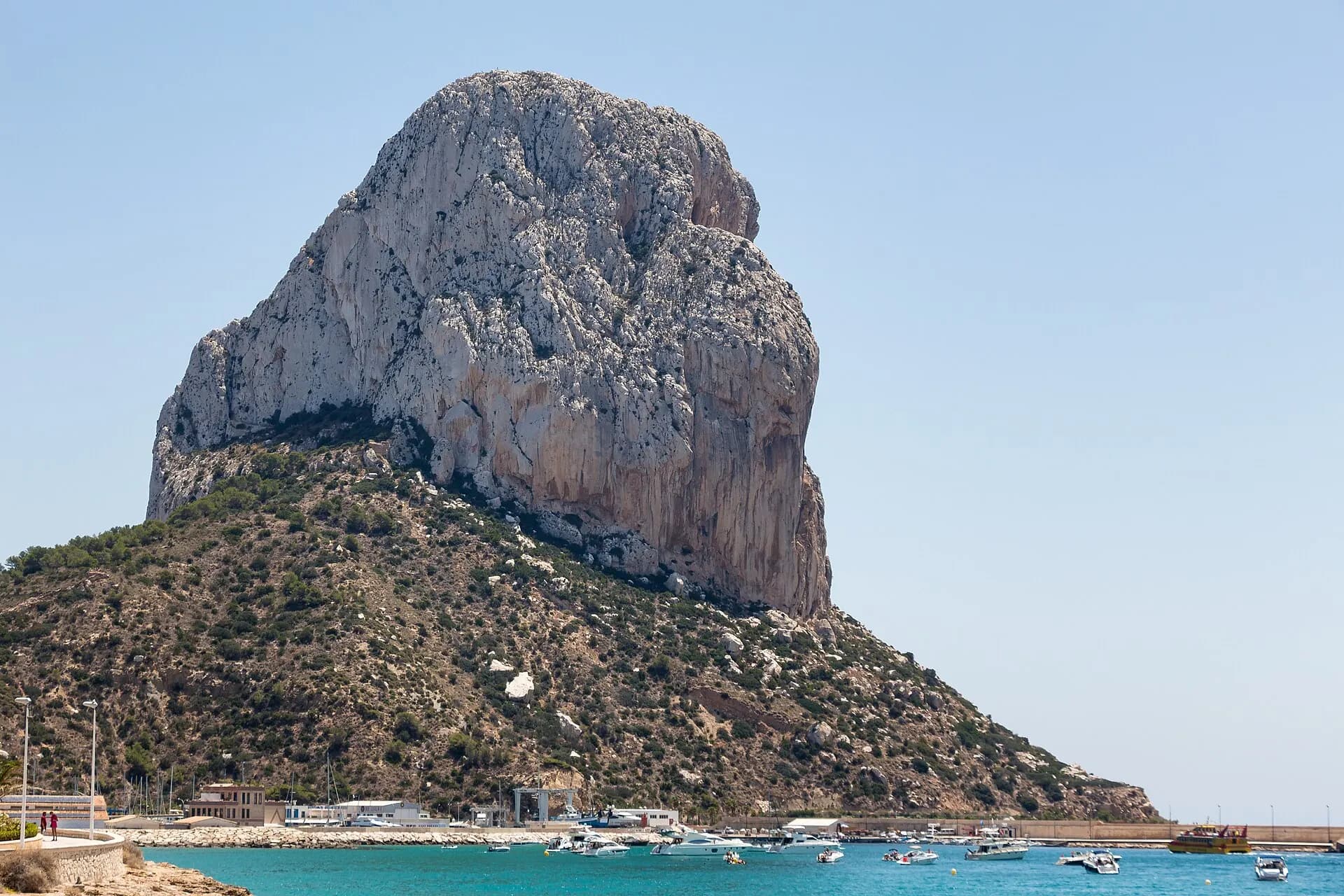
There is more of the region on the Alicante province and Valencian Community pages. The crags of the same province have a story of their own in Costa Blanca climbing, and so does the rice of the Albufera, further up the coast near Valencia.
The best way to learn the difference between the two turróns is side by side: a thin slice of Suprema Jijona, a piece of Alicante, a glass of water in between. Check the label for the grade. The rules fix how many almonds go into a Suprema, 64 per cent, and say nothing about where they grew.
Questions
- What is the difference between Jijona and Alicante turrón?
- Both are made in Xixona from toasted almonds, honey, sugar and egg white. Turrón de Alicante is hard, with whole almonds set in a white nougat. Turrón de Jijona is soft, because the mass is ground, refined and cooked a second time into a smooth, crumbly paste, which takes about two hours against 45 minutes for the hard kind.
- What do Suprema and Extra mean on Jijona turrón?
- They are the two grades of the Jijona PGI. Suprema Jijona turrón contains at least 64 per cent almonds and 10 per cent honey; Extra contains at least 50 per cent almonds and 10 per cent honey. For Alicante turrón the almond minimums are 60 and 46 per cent.
- Is Jijona turrón only made in Xixona?
- Yes. Under the PGI rules, Jijona turrón and Alicante turrón must both be made and packed within the municipality of Xixona (Jijona), in the province of Alicante. Each bar carries a numbered label from the regulatory council of the two PGIs.
- Are the almonds in Jijona turrón Spanish?
- Not necessarily. The current PGI specifications for Jijona and Alicante turrón, approved in 2023, do not require any particular origin for the almonds or the honey, a change Valencian almond growers objected to. The only way to know where a maker's almonds come from is to ask.
- Can you visit a turrón factory in Xixona?
- Yes. The Museu del Torró in Xixona sits inside a working turrón factory, and its ticket includes a guided visit to the production floor and a tasting. Xixona also holds a Christmas fair, the Fira de Nadal, in early December.
- Why is Xixona known for ice cream as well as turrón?
- Turrón is made for Christmas, so for generations families from Xixona sold turrón in winter and made and sold ice cream in summer, across Spain and as far as Cuba and Latin America. Because they miss the August festival, Xixona's ice-cream makers have held a Moros i Cristians of their own since 1978.