Total solar eclipse 2027 in Andalusia: where, when and how long
Tarifa and the Strait of Gibraltar, Cádiz//Activities/8 min read
On 2 August 2027 the Moon's shadow crosses the Strait of Gibraltar in mid-morning. Tarifa gets 4 minutes 38 seconds of darkness. Seville gets none.
 Written with by Eduardo Peire
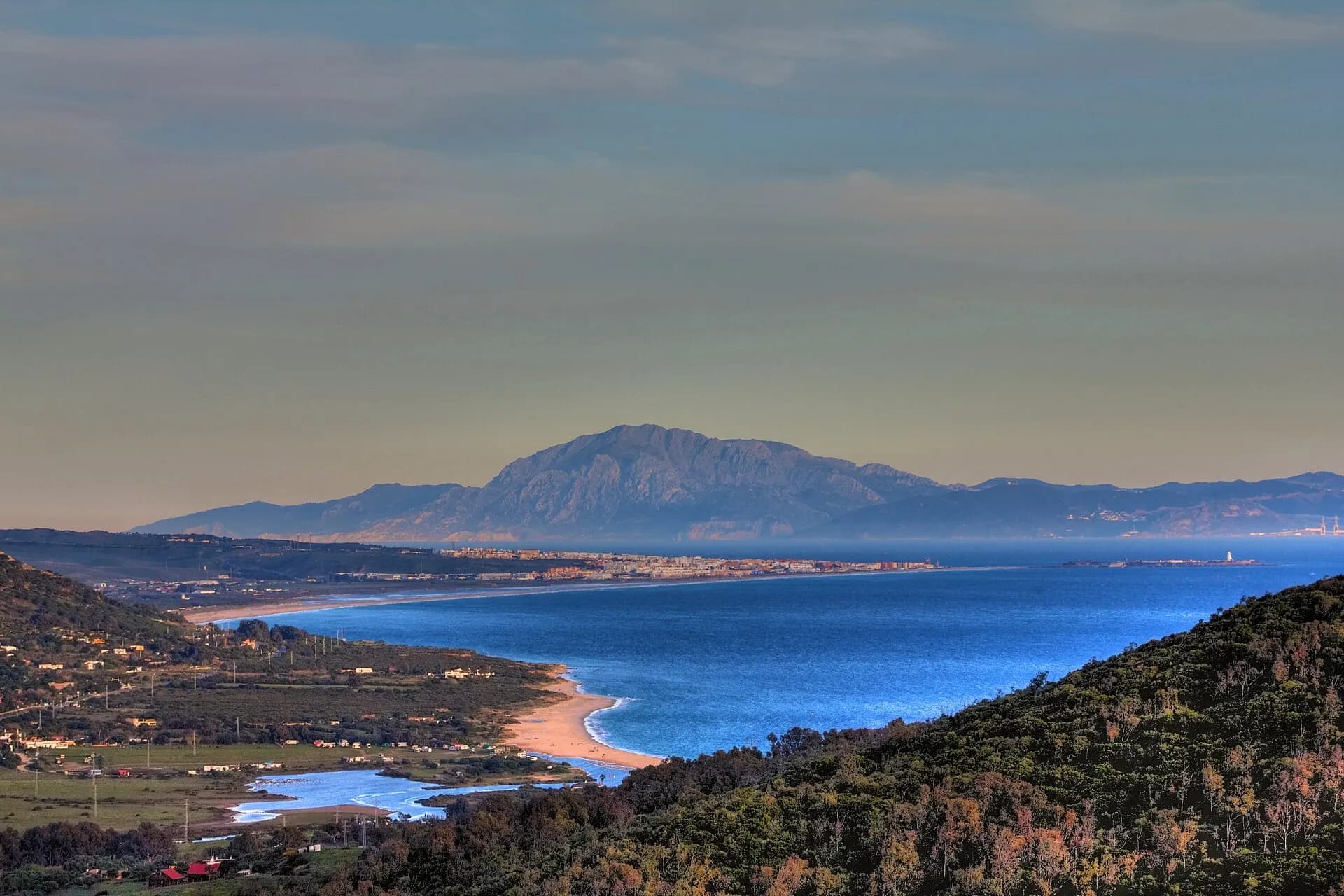
The total solar eclipse of 2027 crosses Andalusia on the morning of Monday 2 August, between about 10.45 and 10.50 local time. The band of totality covers almost all of the province of Cádiz, a large part of Málaga, the southern edge of Granada and Almería, and the cities of Ceuta and Melilla. On the Spanish mainland the sky goes dark for longest at Tarifa, 4 minutes and 38 seconds, according to the Instituto Geográfico Nacional (IGN), the state body that publishes the official times. In Europe, totality touches only the far south of Spain, with Gibraltar inside the band between Algeciras and La Línea.
The eclipse is long by any standard. Its maximum, 6 minutes and 23 seconds, falls in Egypt at about midday Spanish time, which makes it one of the longest total eclipses of the century. Spain sees the opening act: the shadow comes in from the Atlantic, crosses the Strait of Gibraltar, follows the North African coast into Egypt and ends in the Indian Ocean beyond the Red Sea, Saudi Arabia, Yemen and the tip of Somalia.
When is the total solar eclipse of 2027 in Andalusia, and how long does it last?
On the coast of Cádiz the Moon starts to bite into the Sun at about 9.40, totality begins at about 10.45 and the partial eclipse is over by about 12.00, all in Spanish summer time. The Sun will stand about 38 degrees above the horizon, a little south of due east, high enough to clear most hills and buildings.
Duration depends on how close you are to the centre line, and it falls off fast towards the edges. These are the IGN figures for totality in a selection of towns:
- Ceuta: 4 min 48 s, the longest anywhere in Spain
- Tarifa: 4 min 38 s, the longest on the mainland
- Melilla: 4 min 34 s
- Algeciras: 4 min 26 s
- La Línea de la Concepción: 4 min 23 s
- Barbate: 4 min 15 s
- Vejer de la Frontera: 4 min 5 s
- Conil de la Frontera: 4 min
- Benalup-Casas Viejas: 3 min 49 s
- Estepona: 3 min 36 s
- Medina Sidonia: 3 min 20 s
- Marbella: 3 min 16 s
- Cádiz: 2 min 54 s
- Málaga: 1 min 48 s
- Motril: 1 min 41 s
- Jerez de la Frontera: 1 min 21 s
- Ronda: 1 min 18 s
- Arcos de la Frontera: 36 s
Seville, Granada, Córdoba, Jaén, Huelva and Almería city stay outside the band and get a deep partial eclipse. So does Sanlúcar de Barrameda, about 22 kilometres from Jerez de la Frontera and its 1 minute 21 seconds of darkness. The edge of a shadow is a line, and it does not negotiate. The IGN publishes the times for every municipality in Spain, and even outside the band nobody in the country gets less than 70 per cent of the Sun covered. Madrid gets 85 per cent.
Why Spain gets three eclipses in two years
According to the IGN, the Iberian Peninsula had not seen a total solar eclipse since 1912, and the last one anywhere in Spain, in 1959, was visible only from the Canary Islands. Then the sky delivered three central eclipses in less than two years: the total eclipse of 12 August 2026 across the north of Spain at sunset, this one in the south in 2027, and an annular eclipse, the "ring of fire", on 26 January 2028.
The government took the series seriously enough to create, by royal decree in July 2025, an interministerial commission for what it calls the Trío de Eclipses, the trio of eclipses, to prepare the country for all three.
What the 2026 eclipse taught Spain
The commission's own summary of the 2026 eclipse gives a sense of what is coming. On 12 August 2026, according to anonymised mobile phone data, Spain recorded 26 million more journeys than on a normal August day, an increase of 21 per cent. More than 2.1 million people travelled into the band of totality, 48 per cent more than usual, and traffic at sea doubled. The state gave away 2 million certified eclipse glasses, and the commission reports no serious incidents.
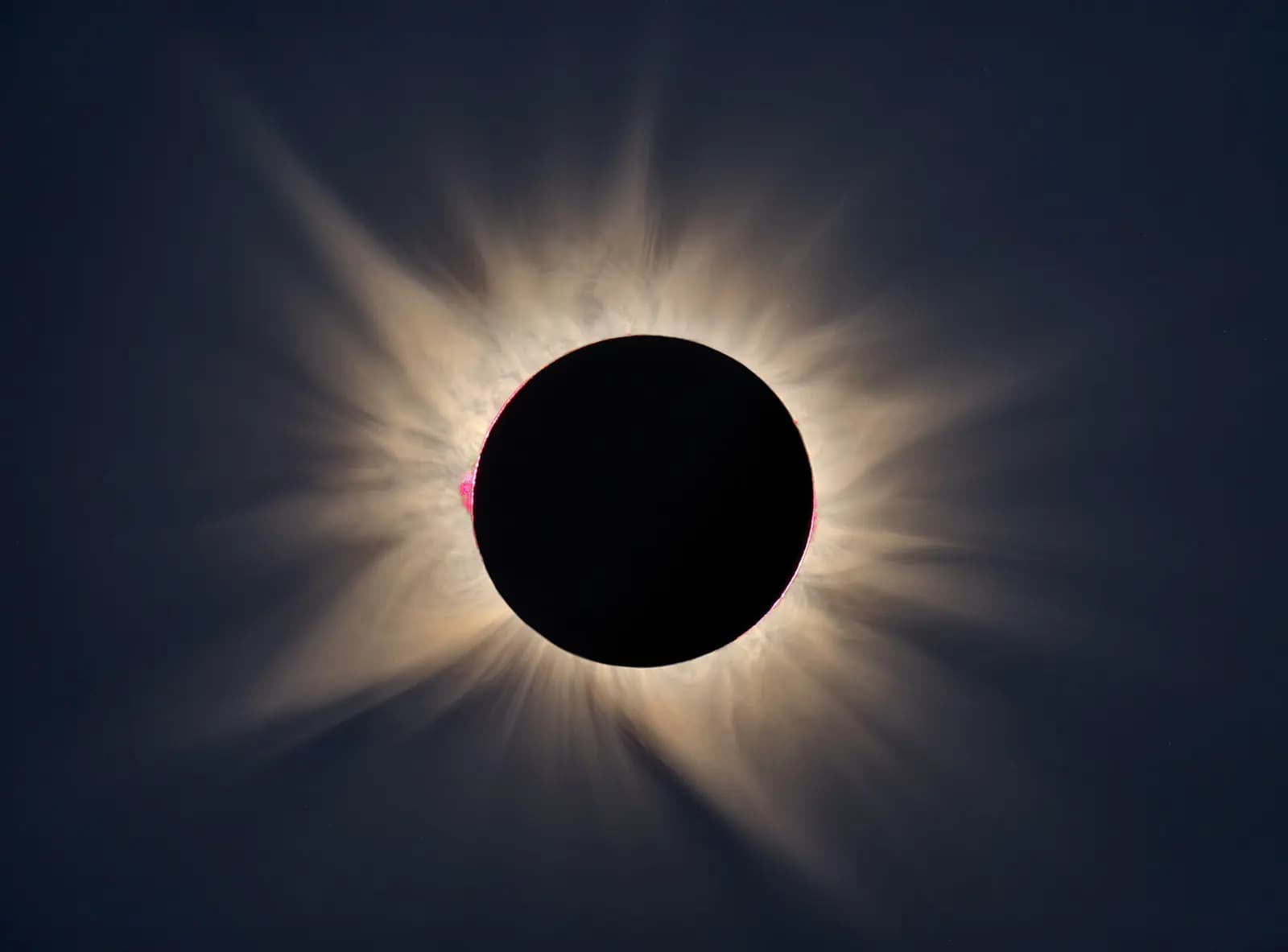
The 2027 eclipse will be different in ways that matter. The 2026 one happened at sunset, across a band that covered 40 per cent of the country. The 2027 one happens in mid-morning, in the first week of August, over a narrow strip of the south that includes some of the busiest holiday beaches in Spain, where the roads are full in August anyway. The ferries across the Strait are at their busiest too, with the summer crossing to Morocco. Ceuta has the longest totality in Spain, and getting there on the day is a plan that needs to be made months ahead.
Will it be cloudy? Weather odds on the Strait in August
Early August is one of the sunniest times of the year in southern Spain. The IGN's weather notes describe the band as a region with a low probability of cloud, slightly higher in western Cádiz because of humid air from the Atlantic. The detail is in the coastal weather. A survey of sun-visible days published by Eclipsophile, the eclipse climatology site, gave the city of Cádiz 88 per cent, while three sites further down the coast, Atlanterra and Tarifa among them, averaged 74 per cent. Inland, the average cloud cover drops below 15 per cent.
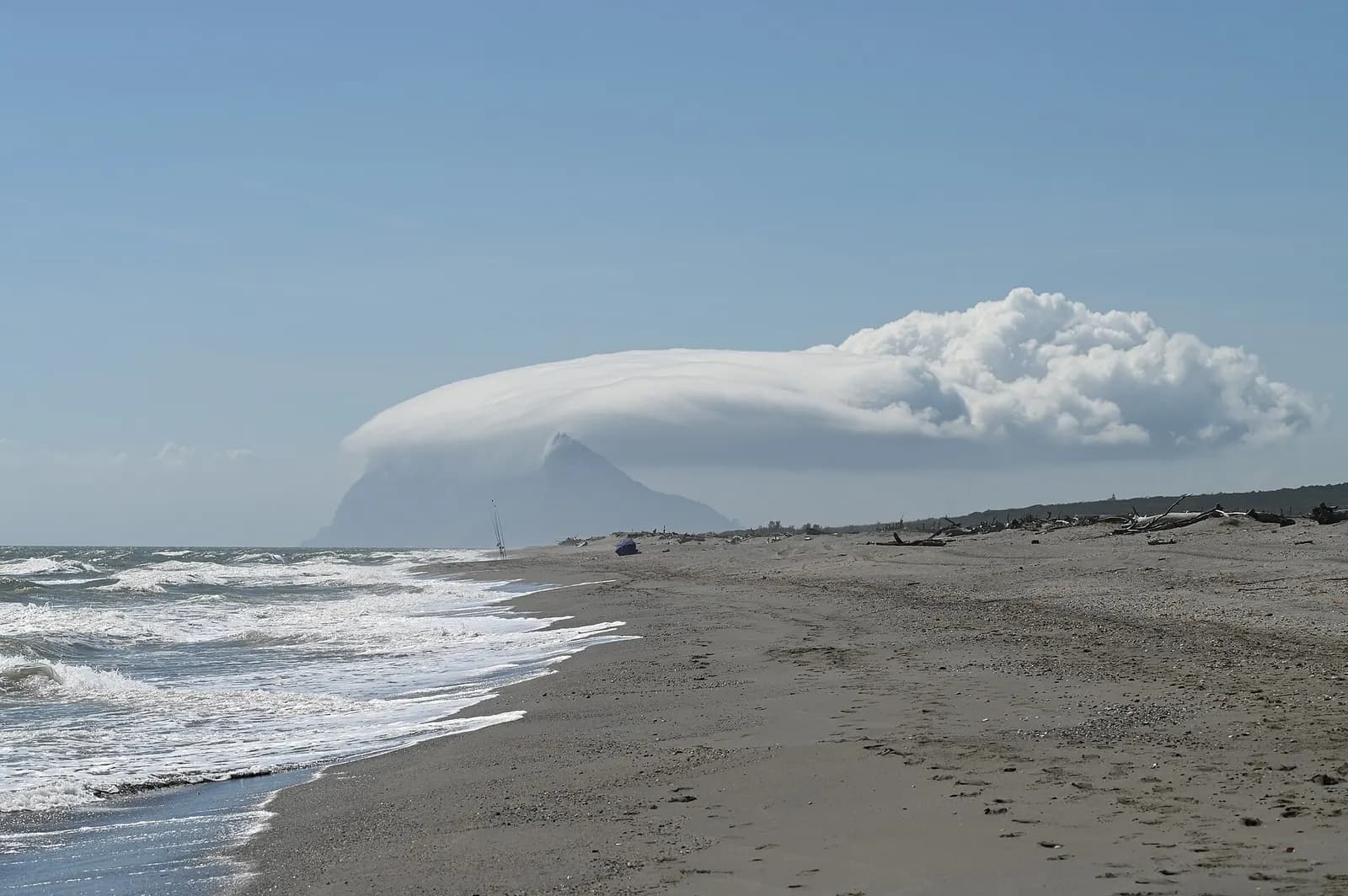
Two local winds decide much of it. The levante, the east wind of the Strait, can blow for days and builds a banner of cloud over the Rock of Gibraltar. With westerly air, morning cloud and fog can sit on the Atlantic coast, though Eclipsophile notes that it rarely gets past Tarifa into the Strait, which helps Estepona, Marbella and the rest of the Mediterranean shore. The other risk is dust from the Sahara, which can turn the whole sky milky. None of this can be known more than a few days ahead, so the useful plan is one with a second option: a base inside the band from which you can drive 30 or 40 kilometres inland or east on the morning, following the forecast from AEMET, the Spanish weather agency.
How to see the 2027 eclipse without the crowds
The beaches of Tarifa, Bolonia, Zahara and Conil will be the obvious places, and they will look like it. A few ideas for doing it differently:
- Choose a village, not a beach. Inland towns well inside the band, such as Vejer de la Frontera, Benalup-Casas Viejas, Medina Sidonia, Castellar de la Frontera or Jimena de la Frontera, get more than three minutes of totality, less sea fog and fewer people. On the Málaga side, Casares and Manilva get between three and a half and four minutes.
- Arrive the day before. Totality is at breakfast time. Anyone driving in from Seville or Málaga on the morning is betting on the roads.
- Get proper glasses. For the partial phases you need eclipse glasses that meet the ISO 12312-2 standard, the ones Spain handed out in 2026. Sunglasses are not enough. Only during totality, and only until the first bead of sunlight comes back, is it safe to look with the naked eye.
- Do not forget the heat. For the afternoon of the 2026 eclipse, AEMET forecast more than 35°C across most of inland Spain, and the state's civil protection plan put particular weight on preventing wildfires. Totality in 2027 comes earlier in the day, but it is still August: take water, park on tarmac rather than dry grass and stay on the paths in the cork oak hills.
- Watch the light, not just the Sun. In the minutes before totality the shadows of leaves turn into crescents, the temperature drops and birds go quiet. Some of the best photographs of a total eclipse are of the people looking at it.
What else to do around the Strait in early August
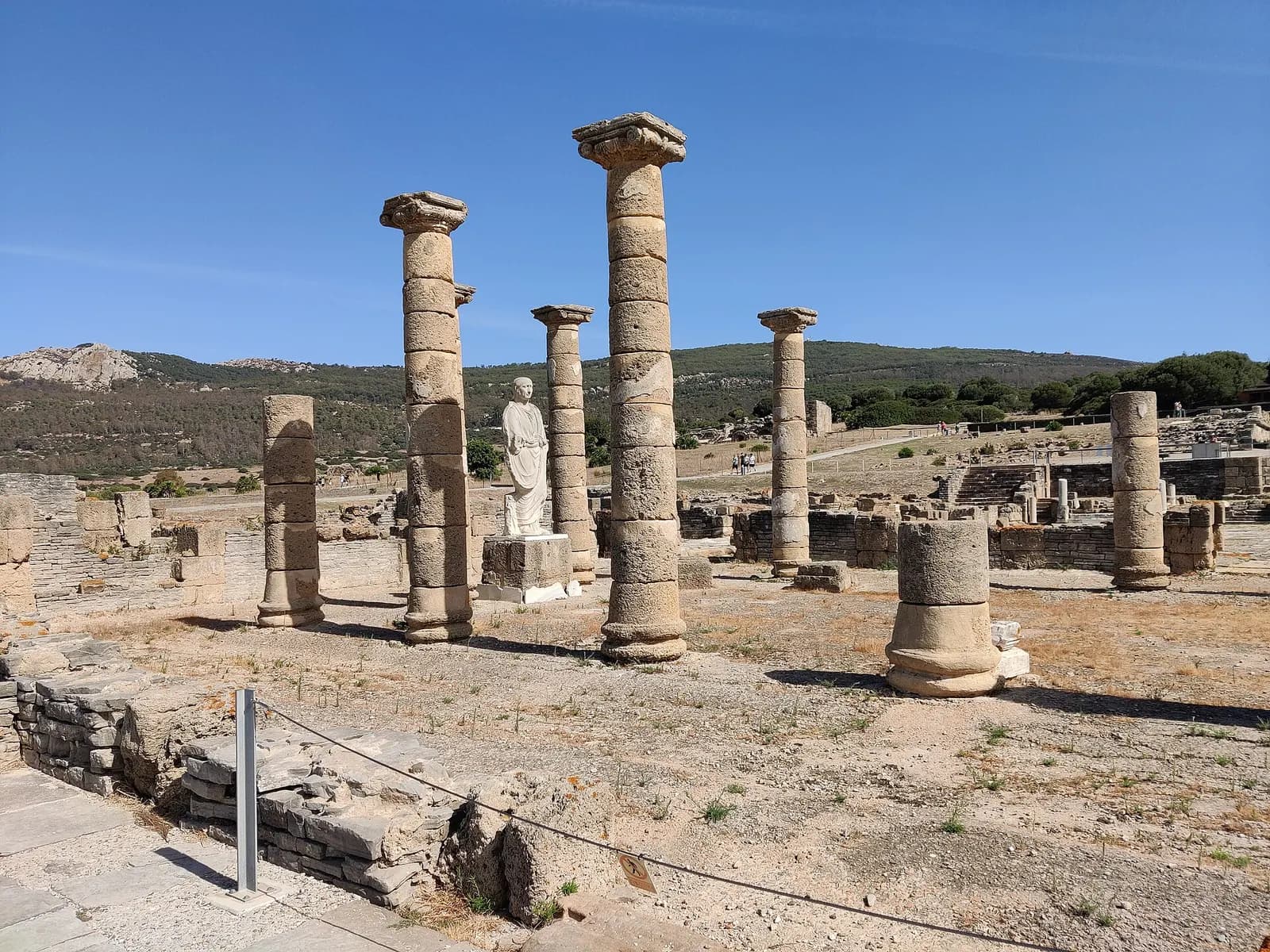
Totality lasts less than five minutes; the coast is worth the rest of the week. On the beach of Bolonia, between Tarifa and Zahara, the Roman town of Baelo Claudia still has its forum, its theatre and the vats where it salted tuna for the empire, with a large dune at the end of the bay. Vejer de la Frontera, a white town on a hill above the Barbate river, is inside the band and looks out over the coast.
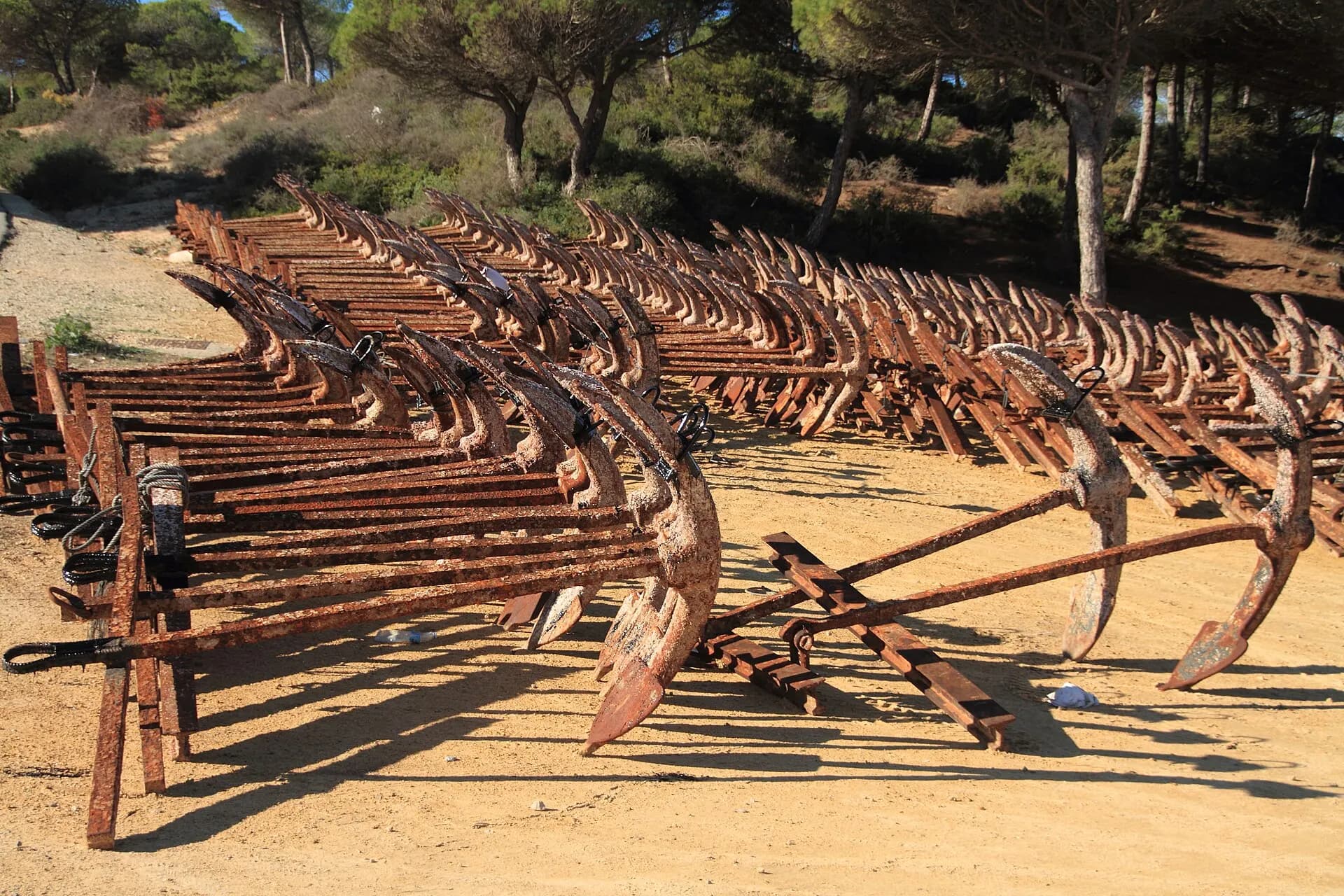
The villages of Barbate, Zahara and Conil live from the sea. Their great tuna season, the almadraba, ends in early summer, so in August the nets are gone, but the castle of the tuna dukes still stands in Zahara and the restaurants still serve what the spring left in the freezers and the tins. The rest of the province of Cádiz and Málaga is in our pages on Andalusia.
The 2028 annular eclipse: a reason to come back in winter
Andalusia gets a second show six months later. On Wednesday 26 January 2028 an annular eclipse crosses Spain at sunset, with a path that covers roughly the south-eastern half of the country. The Moon will be too far from the Earth to cover the Sun completely, so it leaves a ring of light around its edge. According to the IGN, the ring lasts 7 minutes 11 seconds in Seville, 6 minutes 49 seconds in Jaén and 6 minutes 38 seconds in Cádiz, between about 17.52 and 18.00, with the Sun only 6 to 8 degrees above the horizon. A clear view to the south-west matters more than anything else that evening.
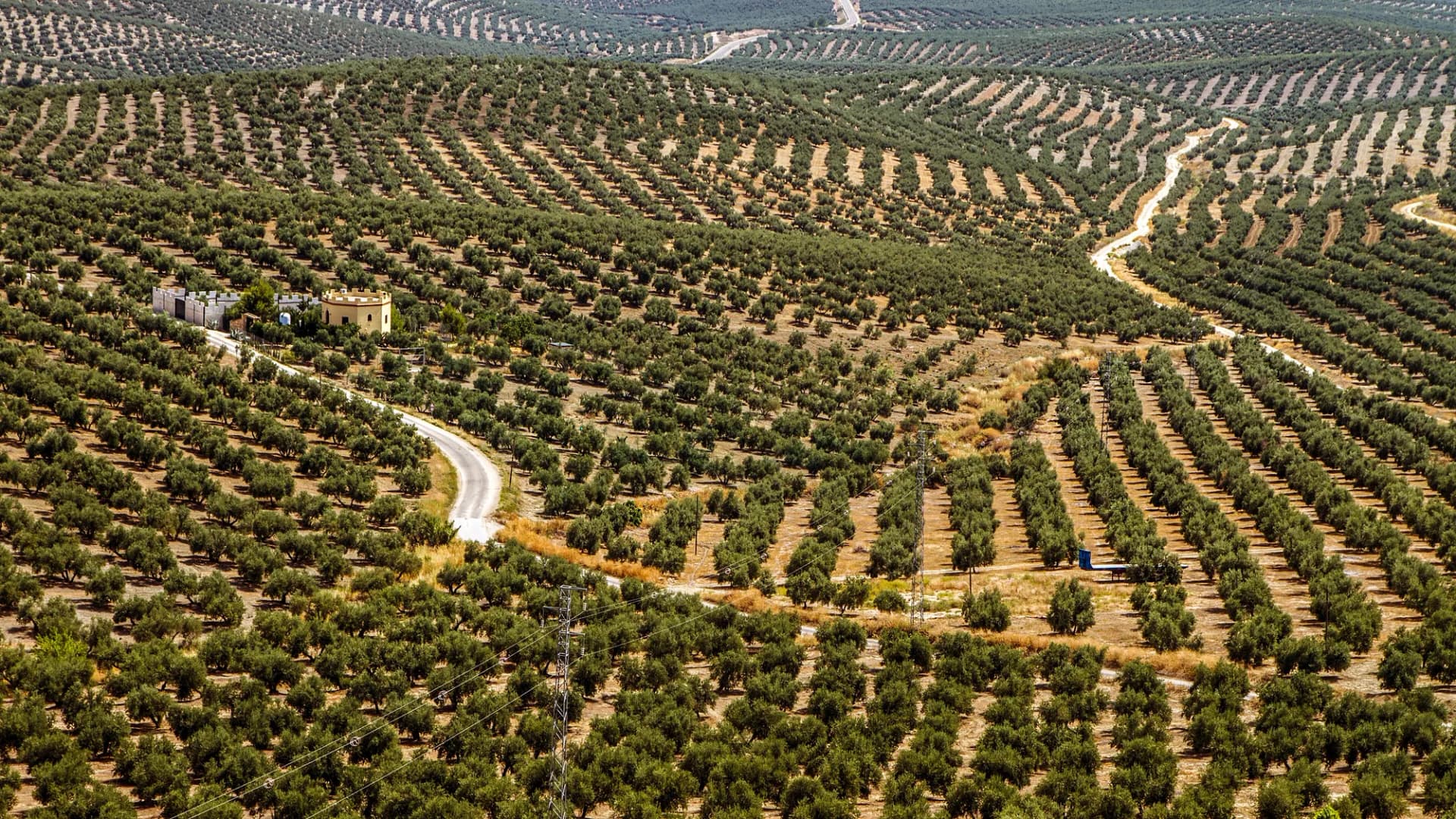
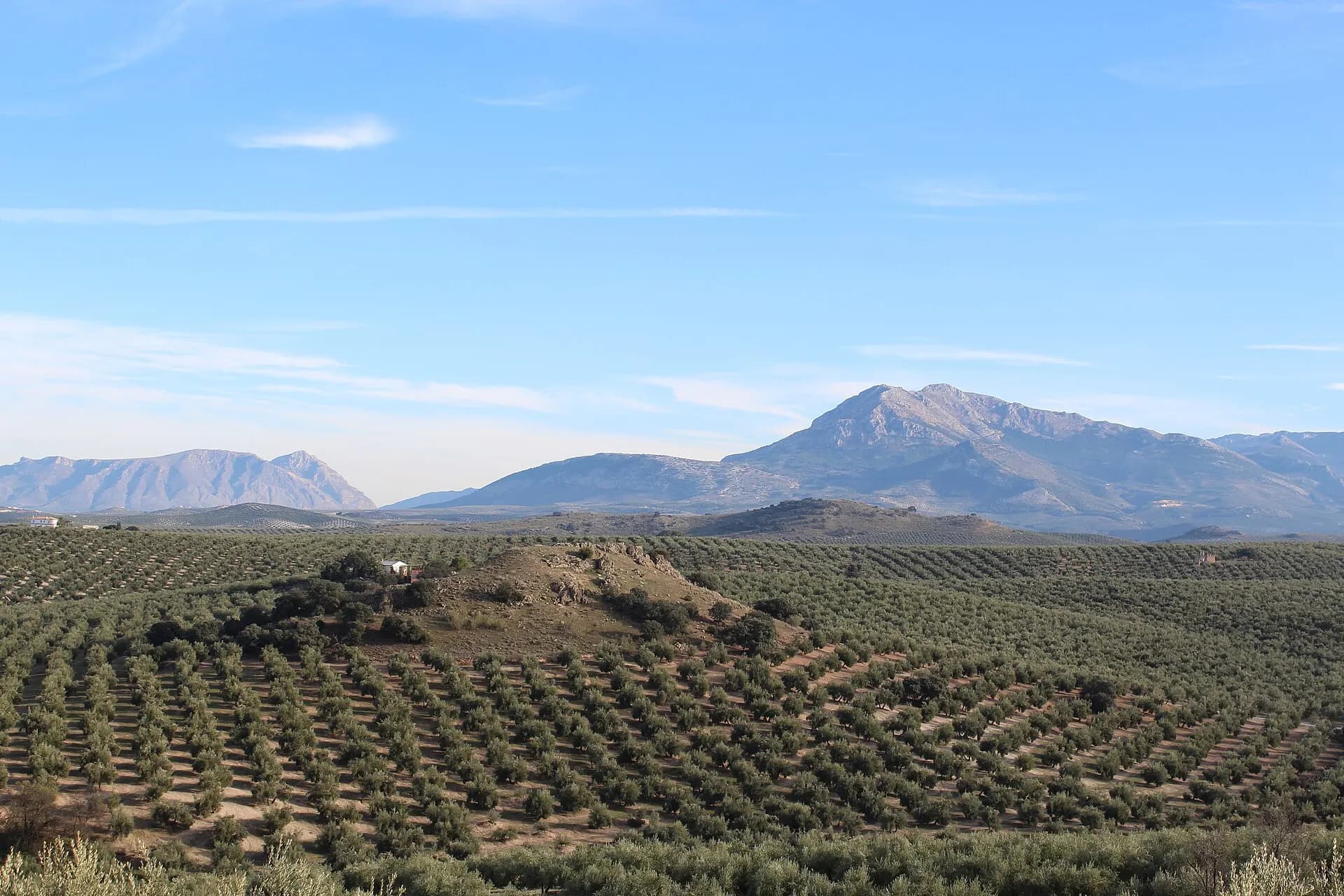
In Jaén, which sees only a partial eclipse in 2027, that ring falls at the end of the olive harvest, when the mills are still pressing. The next total eclipse in Spain is on 12 September 2053. It comes in over the Strait again, and gives Tarifa about a minute and a half.
Questions
- Where is the best place in Spain to see the 2027 total solar eclipse?
- According to Spain's Instituto Geográfico Nacional, totality on 2 August 2027 lasts longest in Ceuta, 4 minutes 48 seconds, and on the mainland at Tarifa, 4 minutes 38 seconds. Almost all of the province of Cádiz and the coast of Málaga are inside the band, and inland towns such as Vejer de la Frontera or Medina Sidonia get more than three minutes with less risk of coastal fog.
- What time is the total eclipse of 2 August 2027 in Cádiz and Málaga?
- In the city of Cádiz totality begins at about 10.45 Spanish summer time and lasts 2 minutes 54 seconds. In Málaga it begins at about 10.48 and lasts 1 minute 48 seconds. Along the coast of Cádiz the partial phases run from roughly 9.40 to 12.00.
- Will Seville and Granada see a total eclipse in 2027?
- No. Seville, Granada, Córdoba, Jaén, Huelva and the city of Almería lie outside the band of totality of 2 August 2027 and see a deep partial eclipse. The IGN says no place in Spain gets less than 70 per cent of the Sun covered.
- When is the next total solar eclipse in Spain after 2027?
- After 2 August 2027, the next total solar eclipse visible from Spain is on 12 September 2053, and it also crosses the Strait of Gibraltar. In between, an annular eclipse crosses Spain at sunset on 26 January 2028, with a ring of light lasting 7 minutes 11 seconds in Seville, according to the IGN.
- Do I need special glasses for the 2027 eclipse?
- Yes, for all the partial phases of the 2027 eclipse. Use glasses that meet the ISO 12312-2 standard, because ordinary sunglasses do not protect the eyes. Only during the minutes of totality, until the Sun starts to reappear, is it safe to look without them.
- What will the weather be like for the eclipse in Andalusia?
- Early August is one of the sunniest times of the year in southern Spain, and the IGN describes the band of totality as a region with a low probability of cloud, slightly higher in western Cádiz. The local risks are the levante wind, morning fog on the Atlantic coast and dust from the Sahara.