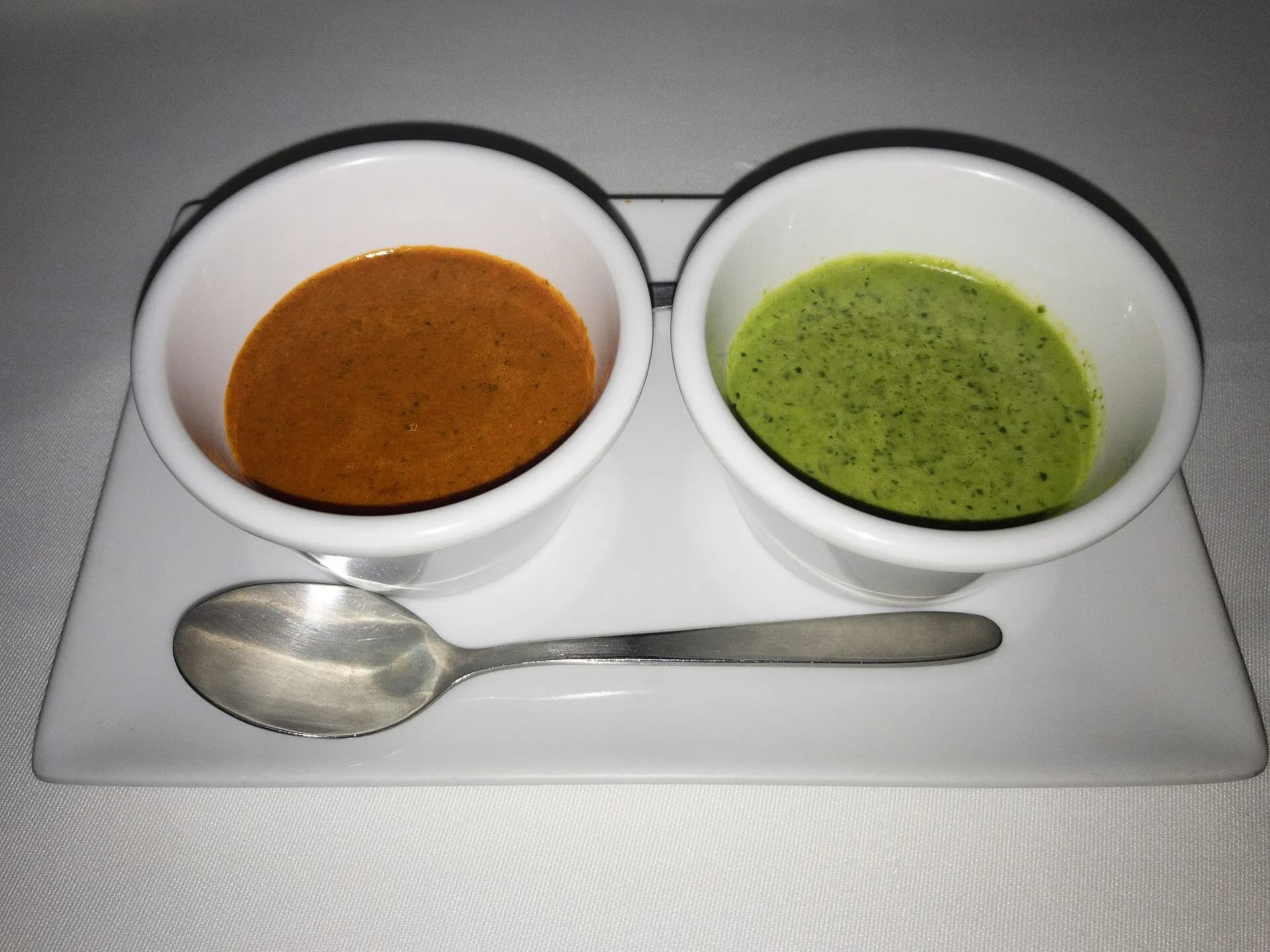
Piquillo peppers from Lodosa: roasted on a flame, peeled without water
Lodosa and the Ribera of Navarre//Products/8 min read
Eight towns on the Ebro and the Ega grow a small red pepper named after a beak, roast it on a flame and peel it without a drop of water.
 Written with by Eduardo Peire
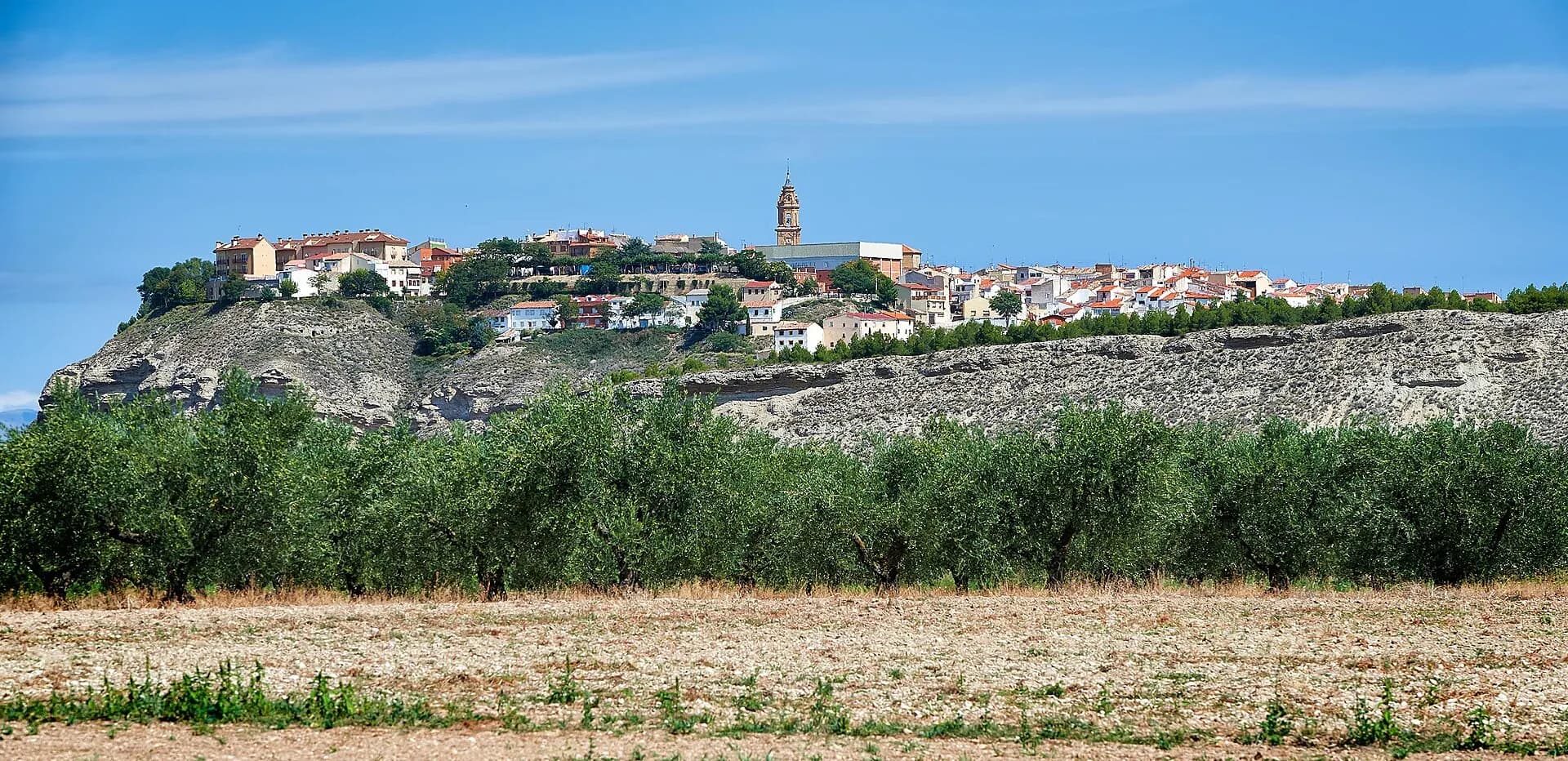
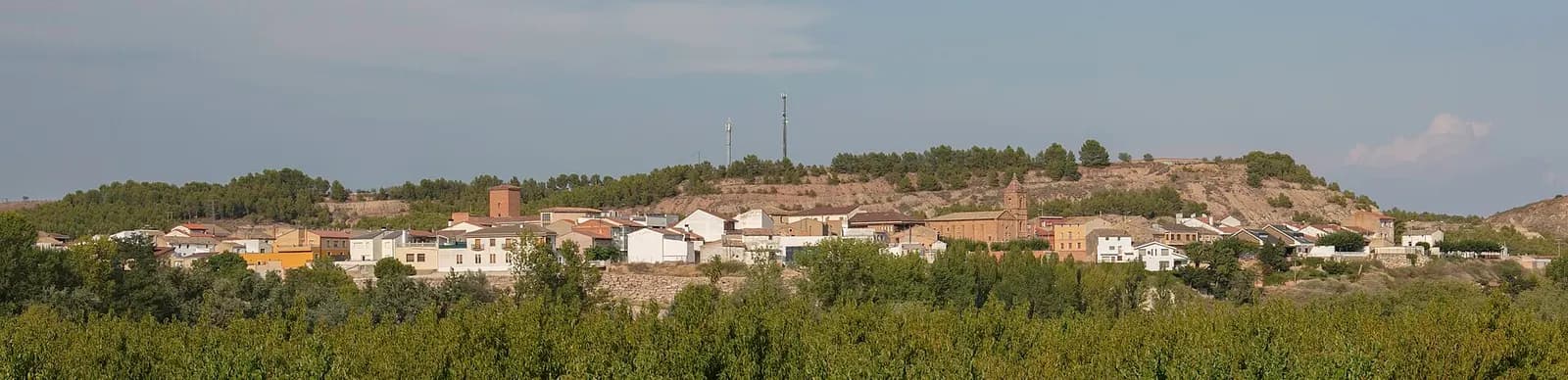
Piquillo peppers are small, triangular, sweet red peppers that are roasted over a direct flame, peeled without water and packed in their own juice. The ones sold as Pimiento del Piquillo de Lodosa, a protected designation of origin of the European Union, can only be grown and processed in eight municipalities of the Ribera of Navarre, along the Ebro and the Ega: Andosilla, Azagra, Cárcar, Lerín, Lodosa, Mendavia, San Adrián and Sartaguda. They are picked by hand from mid-September into November and reach the shops mostly in tins and jars.
The name causes the first misunderstanding. In Spanish picar means to sting, and visitors expect something hot. Piquillo actually means little beak, from pico, after the curved tip of the fruit. The pepper is meant to be sweet. In some summers a few of them do not get the message.
What are piquillo peppers?
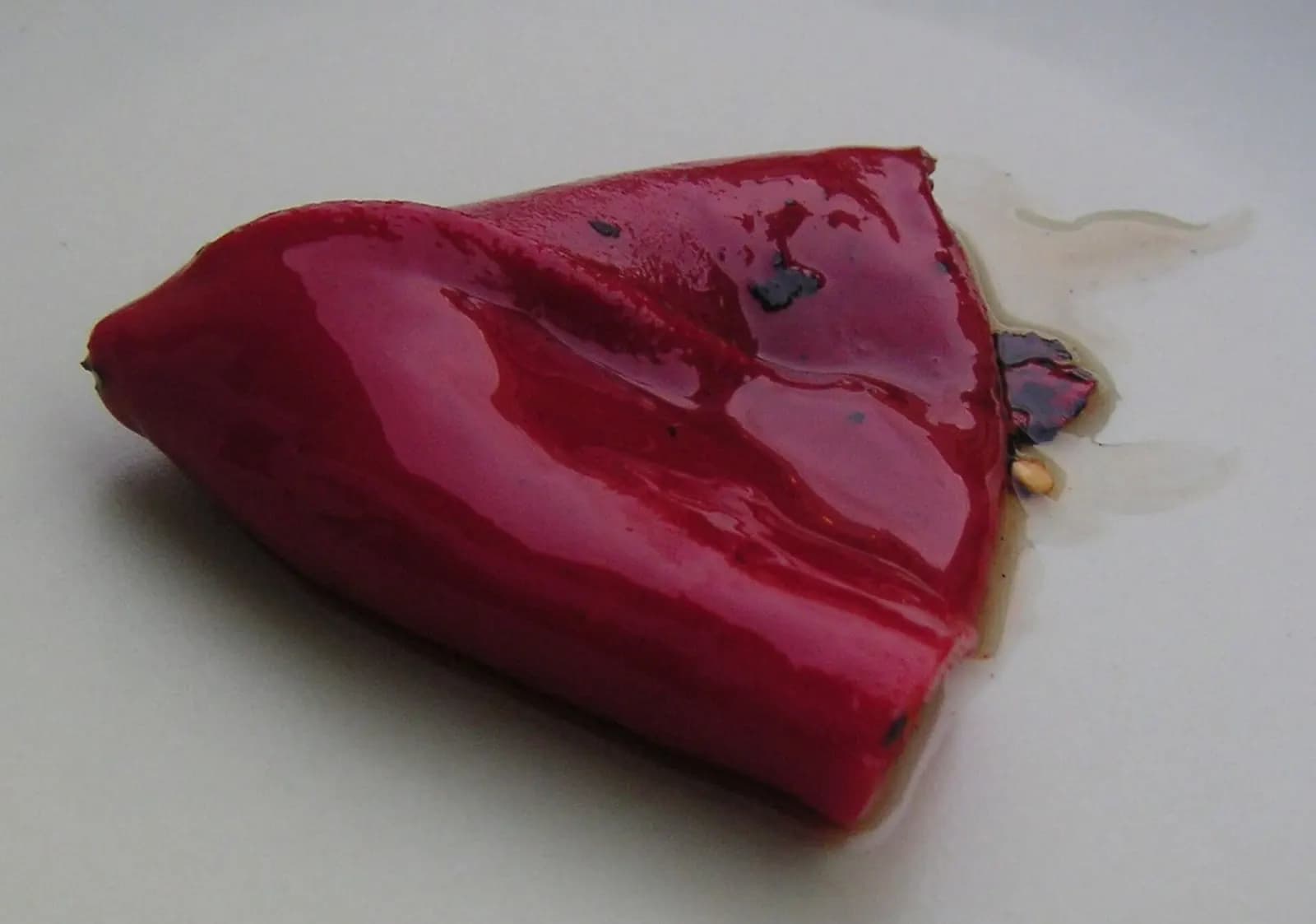
Botanically they are Capsicum annuum, the same species as bell peppers and paprika, of a local variety called piquillo. The EU specification of the designation, amended in 2020, describes the fresh fruit in detail: strong red, sweet, generally no longer than 10 centimetres and 4 to 5 across, triangular with a sharp tip, between 35 and 50 grams, with thin flesh of about three millimetres and two or three inner chambers. The fruit hangs from the plant instead of pointing up.
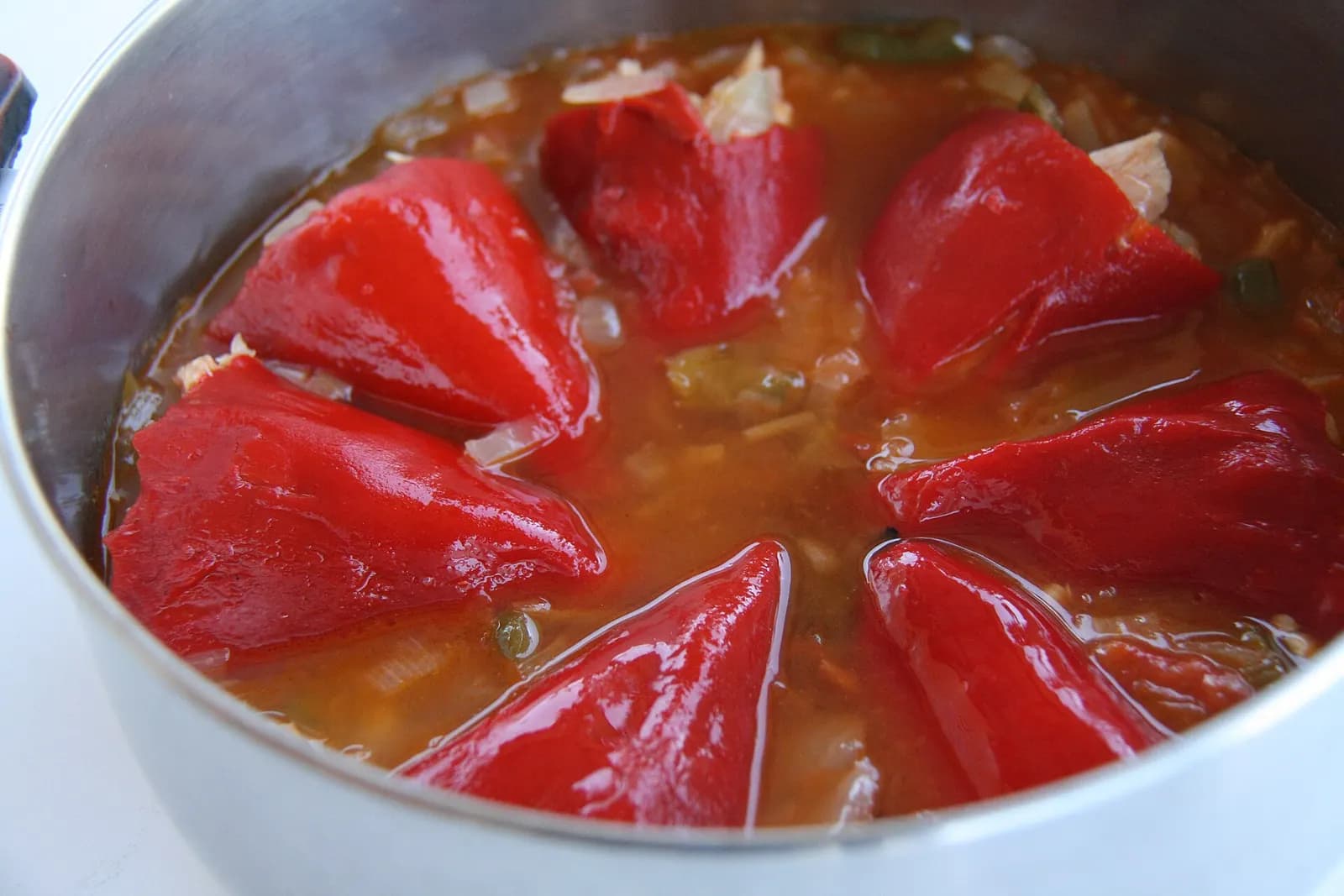
Under the designation they are never sold fresh: whatever the final format, every pepper is roasted first. Reyno Gourmet, Navarre's food quality brand, describes the result as fleshy and firm without being hard, sweet, not at all acidic, with a hint of the roast. Once cored, a whole piquillo is a small pouch waiting to be filled, and stuffed piquillos are a classic of Spanish bars.
The designation has two grades. Extra peppers, sold whole, may carry no more than 20 seeds each and no more than 10 per cent of defects. Primera allows up to 40 seeds and 20 per cent. Strips and pieces have their own limits per 100 grams. One of the defects the inspectors look for is asoleado, a dark burnt patch from too many hours of sun in the field. A pepper from the Ebro valley can get sunburnt, and when it does it counts against the jar.
Where do piquillo peppers from Lodosa grow?
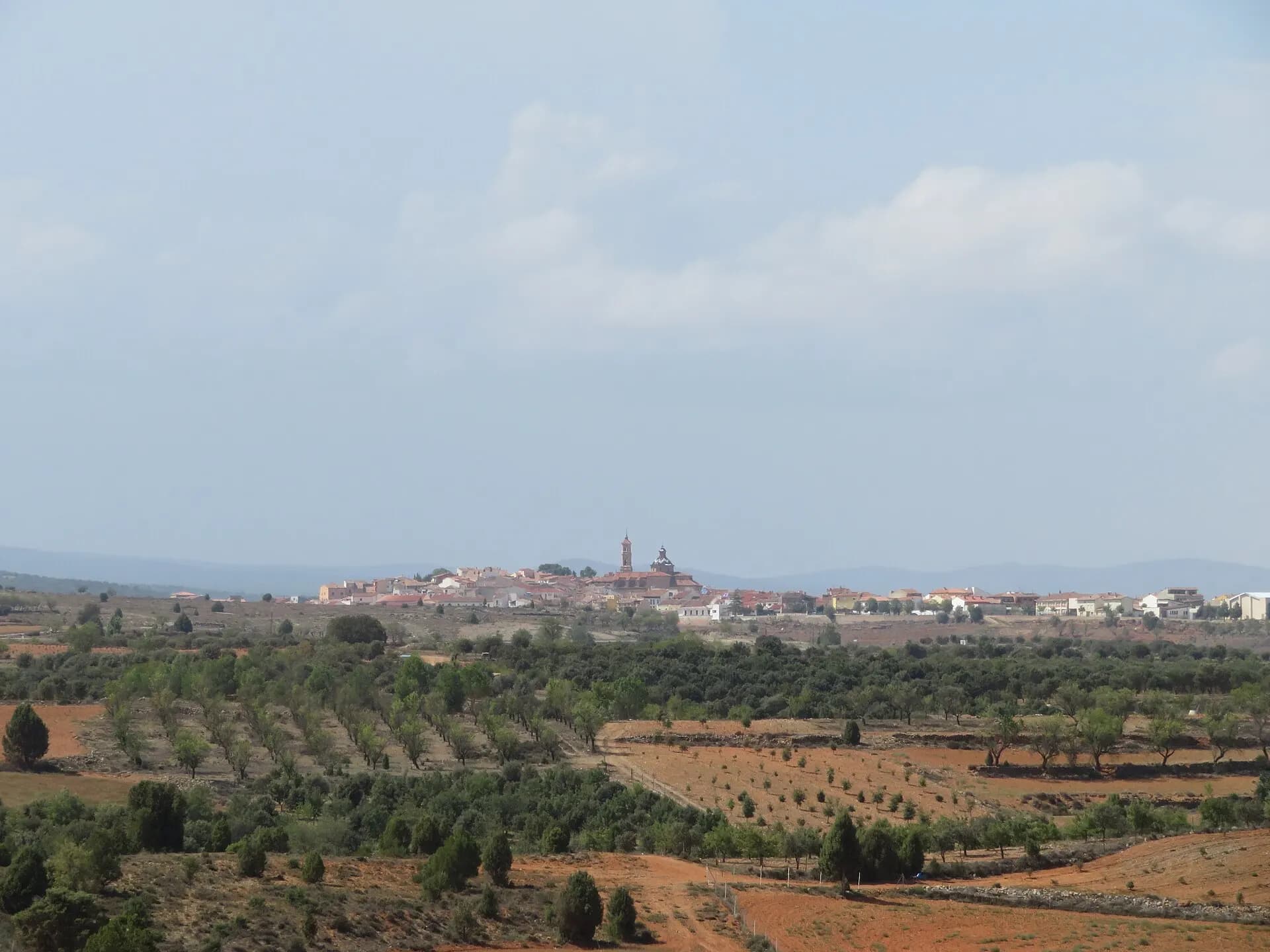
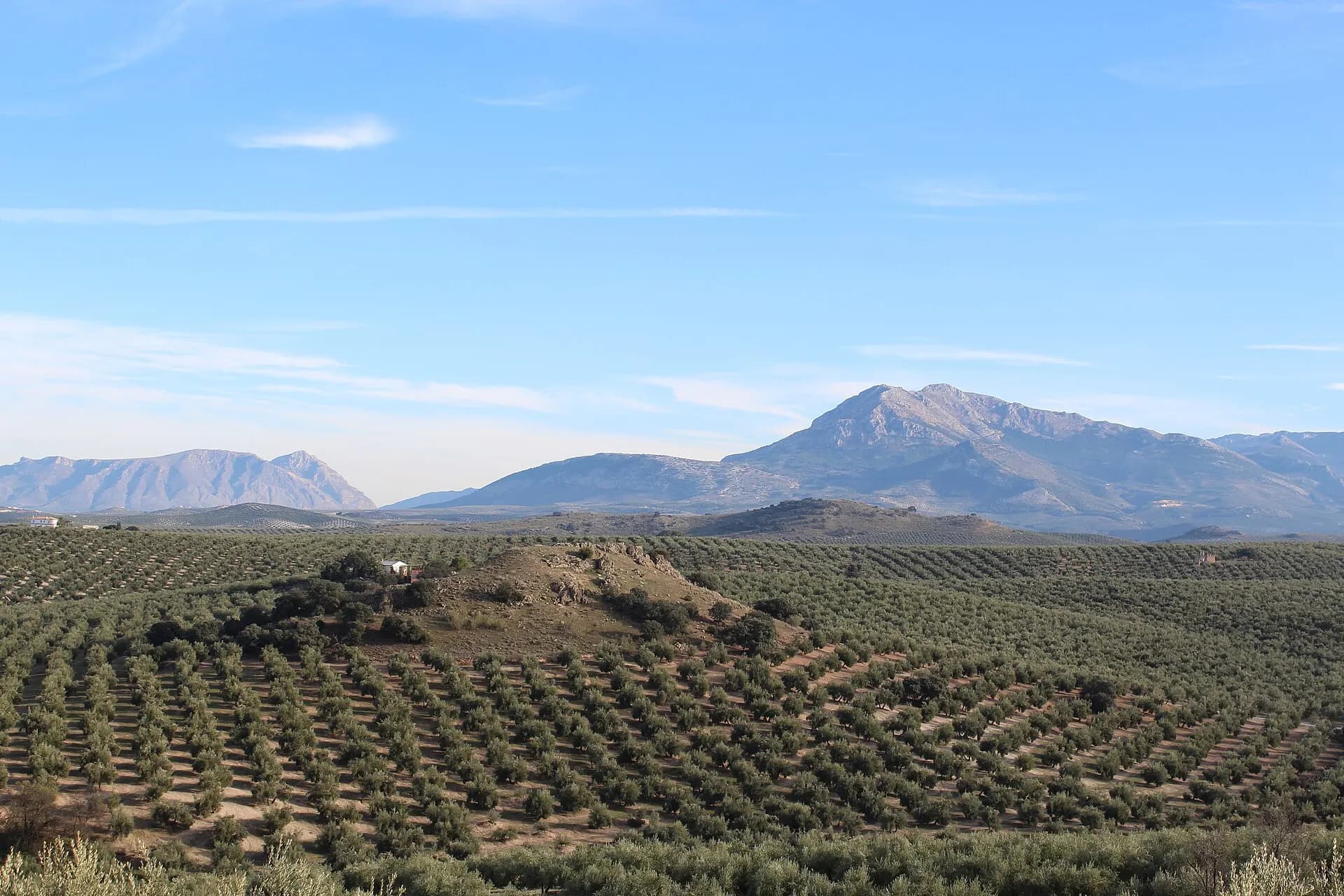
The eight municipalities lie in the southern Ribera of Navarre, the irrigated lowland of the Ebro and its tributaries. Most of the crop grows on the river meadows of the Ebro and the Ega. The land comes down in broad steps from about 500 metres to 250, and the soils are brown and limy, formed on marls laid down in the Miocene, with wide strips of river sediment.
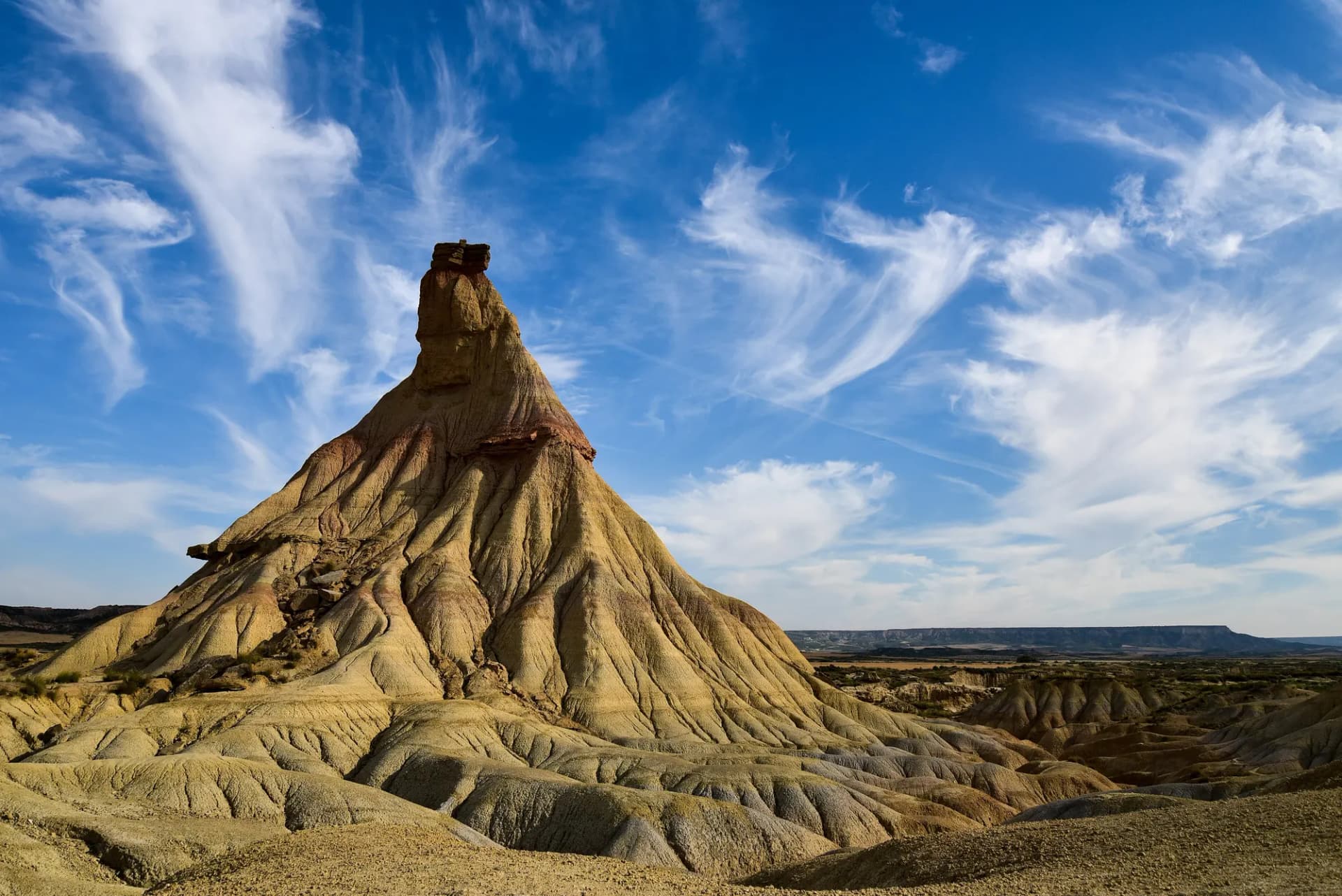
The climate is dry, with about 400 millimetres of rain a year. The specification puts weight on three things: summers that are hot and dry from May to September, thick fogs in winter, and large differences between day and night temperatures, which it says shape how the peppers ripen. Downstream, the same dry climate produces the clay badlands of the Bardenas Reales. Here, the difference is irrigation water from the rivers.
How are they grown and picked?
The calendar in the specification is short and precise. Seeds go into seedbeds around the first week of March. Plants move to the field from the second half of April, when the soil allows, at about 37,000 plants per hectare in single rows, or more on plastic mulch with double rows. Farmers clear the weeds, earth up the plants on ridges and water lightly every 10 to 12 days.
Picking is done by hand, straight from the plant, in successive passes every 10 to 15 days as the fruit ripens. Reyno Gourmet gives the harvest as mid-September to November. The weather sets the real dates. At the start of the 2023 harvest, Jesús Aguirre, president of the regulatory council, told Reyno Gourmet that the heat had ripened the fruit early and would shorten the season, and Iñigo Arozarena of INTIA, Navarre's agrifood institute, reported plots badly hit by hail.
Growers have done their own breeding for generations by keeping seed from their best plants. Aguirre put it plainly later that year: "The seed is a treasure that every family keeps at home."
Roasted on a flame, peeled without water
This is the part that makes the designation, and the specification is strict about it.
The peppers arrive at a registered processor in the eight municipalities. They can rest under cover for a few days to deepen their colour, or in cold stores if they have to wait longer. Damaged and pale fruit is picked out. According to Reyno Gourmet and the regulatory council, the peppers are washed in a water hopper on arrival to remove the soil of the field. Then they pass through an oven on a direct flame, and the fuel may not be fuel oil or diesel. After roasting come peeling, coring and removing the seeds, and at no point in that process may the peppers be dipped in water or washed with water or chemical solutions. Before the flame, water is allowed. After it, water is forbidden.
Industrial pepper processing can use water baths or chemical solutions to strip skins quickly. The designation rules out both, and its specification credits the direct flame for the taste and the careful cleaning of each fruit, one by one, for the quality. Whether the cleaning is done by hand or by machine depends on the firm: Reyno Gourmet says the processing lines vary from fully manual coring and peeling to specific machines. Selecting, grading and packing are done by experienced staff.
Packing is dry too. No packing liquid is added. If the producer wants to lower the acidity, it may add an acidulant, and the little liquid used to dissolve it cannot exceed 3 per cent of the net contents. The thick, clear liquid that appears when the tin is opened is the pepper's own juice, and Reyno Gourmet advises keeping it for cooking. The closed tins and jars are then sterilised with heat. The current rules also cover asado al natural, roasted peppers sold in bags or trays.
Why are some piquillo peppers hot?
Because a pepper under stress makes capsaicin, the compound that burns. Aguirre told Reyno Gourmet that in some seasons the heat shows up more, through water stress from poor irrigation or very high temperatures. Since a sweet taste is part of the specification, the processors set aside any batch that bites.
INTIA is working on a fix. In the early 1990s technicians at what is now its experimental farm in Cadreita tested plants for several seasons and kept seed from those whose peppers were not hot. They named the selection Sincap, for sin capsaicina, without capsaicin, and stored it. Three decades later, in the hot summer of 2023, INTIA grew it again to multiply the seed, with a plan to enter it in the agriculture ministry's register of varieties for local and amateur use, as Reyno Gourmet reported. A pepper named after a beak is easier to sell when it is certain not to bite.
How old is the piquillo of Lodosa?
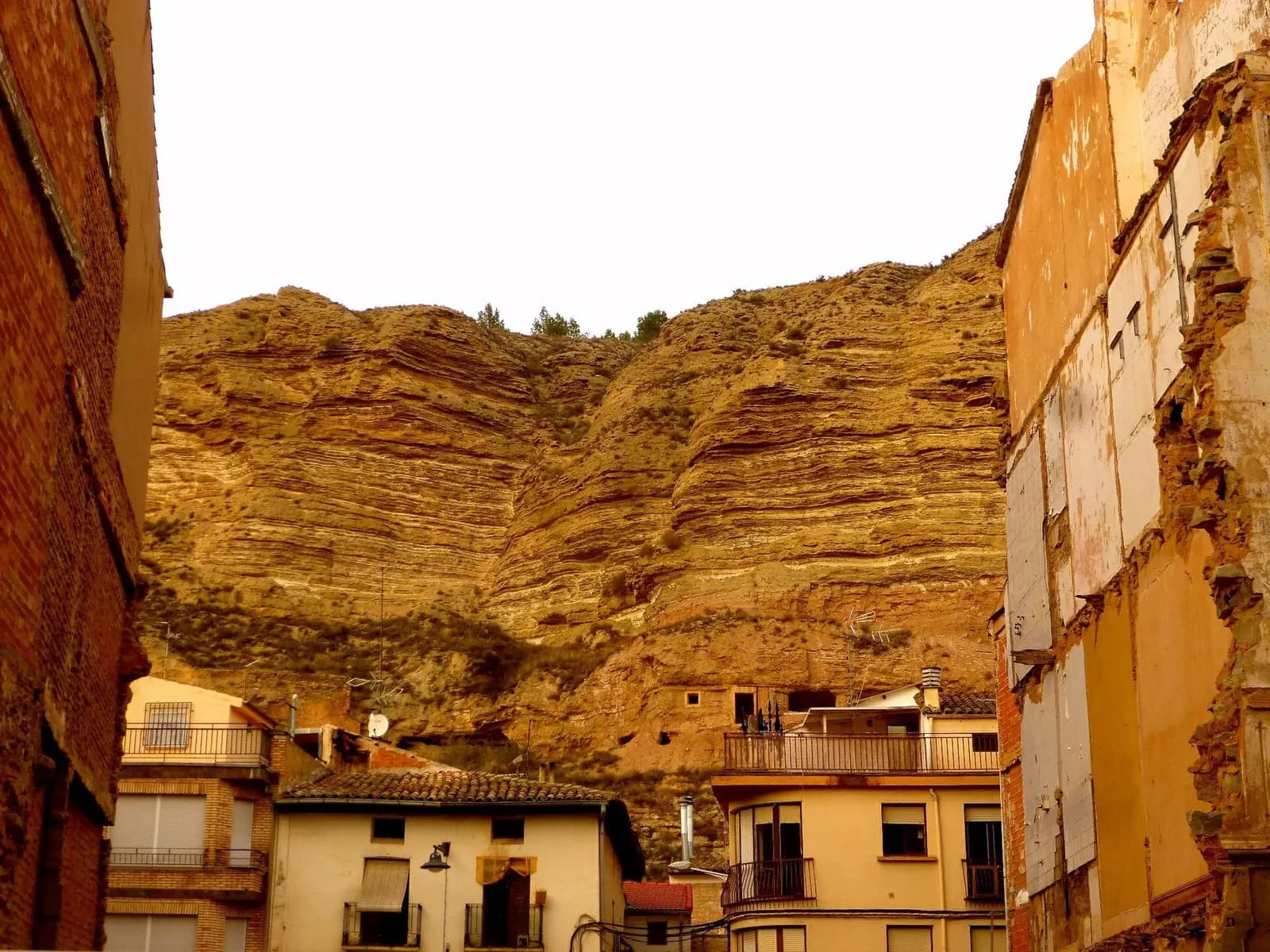
The specification cites page 386 of El Practicón, a Spanish cookery manual written in 1893, which already mentions preserved piquillo from this area. The town of Lodosa still has cave houses dug into the cliff above the Ebro, homes that had no electricity, running water or bathroom.
From the 1960s many people from these towns moved to other parts of Spain and took their jars with them. According to Reyno Gourmet, that spread the reputation of the peppers and, in time, led to the designation. Navarre's government gave it provisional status by a decree of 6 June 1986, approved its rules in February 1987, and Spain's agriculture ministry ratified them in May of that year. The European Union protects it as a PDO. The 2020 amendment changed the registered name to the singular, Pimiento del Piquillo de Lodosa, and, according to Agronews, allowed strips and pieces to be certified.
How big is the piquillo harvest?
Small, and getting more concentrated. Figures from the Spanish agriculture ministry's statistics on quality labels show 189 hectares registered in 2025, up from 166 in 2023, but only 57 growers, down from 72, and 11 processors, down from 13. Fewer growers are farming more land each. In 2024 growers on registered plots harvested 2,158 tonnes of fresh peppers, which became 627 tonnes of certified product. In 2025 the certified figure was 582 tonnes.
About 77 per cent of it is sold in Spain. Of the rest, the largest single foreign buyer in 2025 was Austria, with 50 tonnes, more than France and the United Kingdom with 20 each. That is almost 9 per cent of the whole harvest going to Austria.
How to tell real piquillo peppers from Lodosa
Piquillo is the name of a variety, not of a place, so peppers of the same variety grown elsewhere, in Spain or abroad, can legally be sold as piquillo. Reyno Gourmet says it plainly: not all piquillo is covered by the designation. Three things on the jar or tin identify the real one.
- The name Pimiento del Piquillo de Lodosa, with the word Lodosa in the product name.
- The PDO logo of the designation.
- A numbered back label issued by the regulatory council.
The label also says whether the peppers are whole, in strips or in pieces, and whether the jar is Extra or Primera. Whole Extra peppers are the ones to stuff. At home, keep the juice for the sauce, and cut peppers for a salad just before serving.
Visiting Lodosa in the harvest
The town holds its Exaltación del Pimiento del Piquillo de Lodosa on the first weekend of October, in the middle of the harvest. The 16th edition ran from 2 to 4 October 2026. Its centre is a market on the Paseo, where local growers sell peppers of the designation and roast them by hand. The town also awards a Piquillo de Plata to a well-known figure each year; past winners include the actor Karra Elejalde, the pelota player Juan Martínez de Irujo and, in 2024, the television presenter Julian Iantzi. Each year's programme appears on the town council's website a few weeks before.
In 2023 Lodosa used the European Heritage Days, on 30 September, to bring its cave quarter back to life for a day, with neighbours roasting peppers over charcoal and stringing them to hang on the house fronts. September and October are the months to see the harvest in the eight towns. Further south, the Bardenas Reales are an easy addition, and for another Spanish pepper that is smoked instead of roasted there is the story of pimentón de la Vera.
Piquillo means little beak. In a hot, dry summer, some of them bite anyway.
Questions
- What are piquillo peppers?
- Piquillo peppers are a local variety of Capsicum annuum from the Ebro valley in Navarre: small, sweet, triangular red peppers no longer than about 10 centimetres, with thin flesh. They are sold roasted over a direct flame and peeled, whole, in strips or in pieces, in tins and jars, or roasted al natural in bags and trays.
- Are piquillo peppers spicy?
- They are meant to be sweet, and the name comes from pico, beak, not from picar, to sting. In some hot, dry summers water stress makes a few batches pungent, and processors under the Lodosa designation set those batches aside. INTIA has multiplied a non-pungent selection called Sincap and planned to register it.
- Where do piquillo peppers from Lodosa come from?
- Pimiento del Piquillo de Lodosa can only be grown and processed in eight municipalities of the Ribera of Navarre: Andosilla, Azagra, Cárcar, Lerín, Lodosa, Mendavia, San Adrián and Sartaguda, along the Ebro and the Ega rivers. Peppers of the piquillo variety grown elsewhere may be sold as piquillo, but not as Lodosa.
- How can you tell real piquillo peppers from Lodosa?
- The jar or tin must carry the name Pimiento del Piquillo de Lodosa, with the word Lodosa in the product name, the logo of the protected designation of origin and a numbered back label issued by the regulatory council. The label also states whether the peppers are Extra or Primera, and whole, in strips or in pieces.
- Should you drain the liquid from a tin of piquillo peppers?
- No. Under the designation the peppers are packed without any added packing liquid, so the thick, clear liquid in the tin is the pepper's own juice. The only exception is the little liquid used to dissolve an acidulant, which may not exceed 3 per cent of the net contents. Reyno Gourmet advises keeping the juice for sauces.
- When is the piquillo pepper harvest in Navarre?
- Piquillo peppers are picked by hand from mid-September to November, in passes every 10 to 15 days. Lodosa holds its Exaltación del Pimiento del Piquillo de Lodosa on the first weekend of October, with a growers' market on the Paseo where peppers are roasted by hand. The town council publishes each year's programme.