Canarian mojo: red, green and the palmera pepper of La Palma
Breña Alta, La Palma//Products/8 min read
Every Canary table has a red one and a green one. On La Palma the red starts with a dried pepper that families used to grow at home, and its heat is decided seed by seed.
 Written with by Eduardo Peire
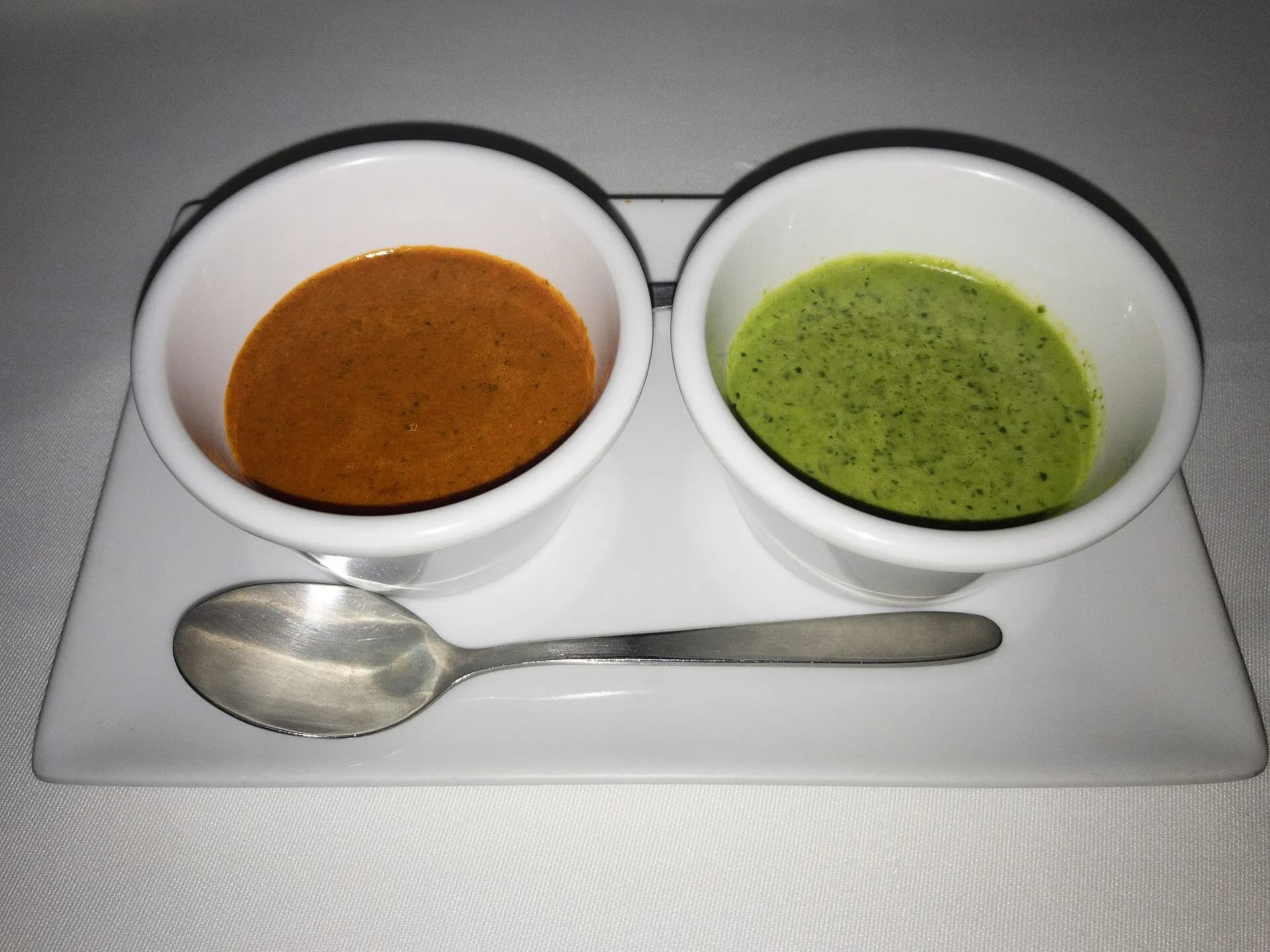
Canarian mojo is the sauce of the Canary Islands: garlic, cumin, salt, vinegar and oil, pounded or blended with dried red pepper and paprika for red mojo, or with coriander or parsley for green. It goes on the salt-crusted potatoes called papas arrugadas, on grilled fish and meat, on cheese and on most things in between. On La Palma the red one starts with the island's own dried pepper, the pimienta palmera, which families in El Llanito, in Breña Alta, used to grow at home for their own jar.
Every island has its own idea of mojo and every kitchen its own proportions, so "the" recipe is a matter of opinion. What the islands agree on is that there are two of them on the table, one red and one green, and that a potato without either is not finished.
What is Canarian mojo?
The Historical Dictionary of Canarian Spanish, which the Royal Spanish Academy publishes online, defines mojo as a sauce made with water, oil, cumin, garlic, vinegar and pepper, and says it comes in two kinds, colorado and verde, red and green. Mojo picón, the hot one, is the usual name for a red mojo with plenty of red pepper and paprika. The dictionary traces the word to the Romance speech of the west of the Iberian Peninsula, and a Canarian glossary compiled before 1887 already pointed to the Portuguese molho, which simply means sauce.
The oldest example in that dictionary is a poem dated 1830, about people setting off on a journey with their bags packed with gofio and tubs of roasted horse mackerel drowned in mojo. Nine years later the French naturalist Sabin Berthelot described it as a sauce incendiaire of vinegar, red peppers, garlic and coriander, eaten with salt fish and potatoes, which he called the national dish of the islanders. Oil, he added, was sometimes put in, and then it was a luxury. The base of every mojo today was once the optional extra.
The heat has always been part of the description. An 1894 book, De la tierra canaria, quoted in the same dictionary, describes a man whose fellow diners had voted him the one to make the mojo. For the purpose he carried two red peppers wrapped in paper in his jacket pocket, hot enough, the author wrote, to blow up a ship's powder room.
Red mojo, green mojo and the rest
A 2009 survey of Canarian food in the agriculture ministry's journal Distribución y Consumo counted more than twenty traditional mojos, before even getting to the marinades, sauces and variants that the experts file in separate groups. Day to day, though, the islands use two. The green one, made with coriander, goes with fish broth and stewed or fried fish. The red one, made with paprika and dried pepper, goes with stronger food: roast pork, jareas (small fish opened out, laid in the sun and dried in the air), liver and grilled sardines. A red mojo can be mild or picón, depending on the peppers. A green one owes its colour to coriander or, in a more recent version, to parsley.
Beyond those two, the same survey lists mojos of cheese, almonds, eggs, bitter oranges, garlic, saffron, lard, green or red pepper and the palmero of La Palma, plus whatever a cook invents next. In 1982 the singer Caco Senante, one of the first voices of the Nueva Canción Canaria, a movement that could be filed under protest song, put a track called "Mojo picón" on his fourth album. It became his signature song, and the survey found it a little paradoxical that a protest singer should end up best known for praising a sauce.
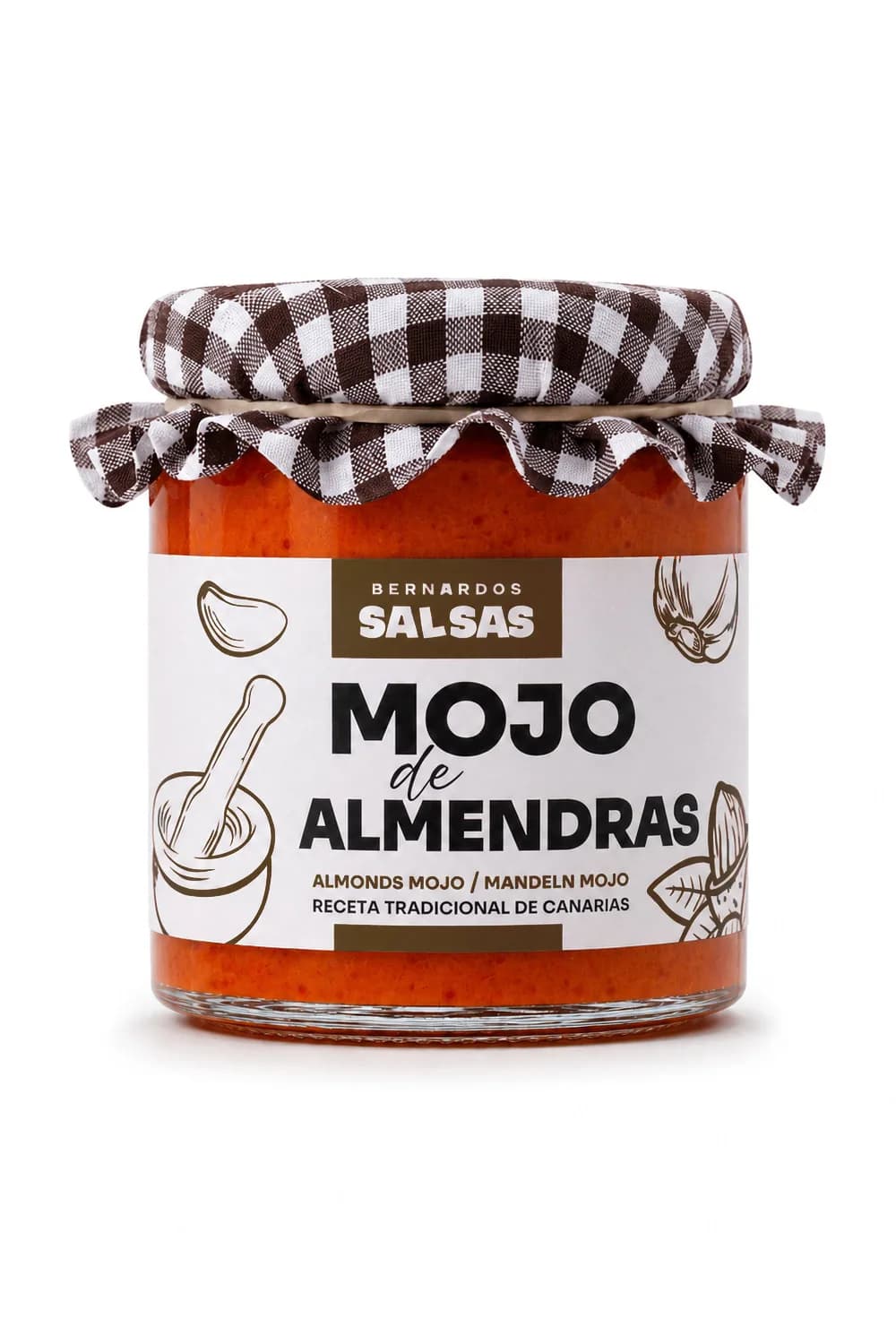
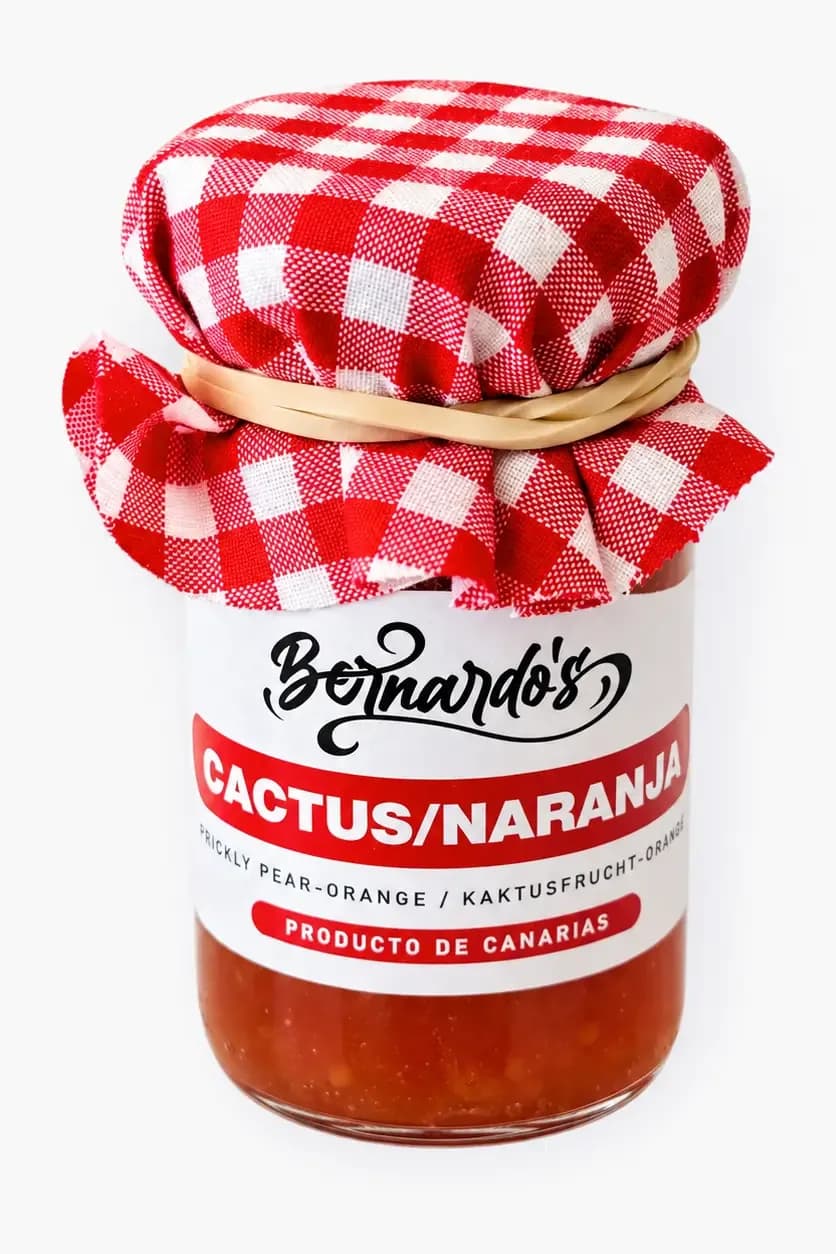
Mojo has its own competitions now. In January 2025 the fifth national mojo competition at Madrid Fusión, the Madrid food congress, was won by José Alberto Díaz, a cook from Tazacorte, on La Palma. His mojo used dried palmera pepper, vinegar from his father's winery, cumin, garlic, sea salt, olive oil from Fuencaliente and, as a final touch, almonds, RTVC reported. Almonds in red mojo are an old idea. Bernardo's, on Lanzarote, makes a red mojo with almonds, 8.5% of the jar, with toasted almonds, garlic and paprika.
What is pimienta palmera?
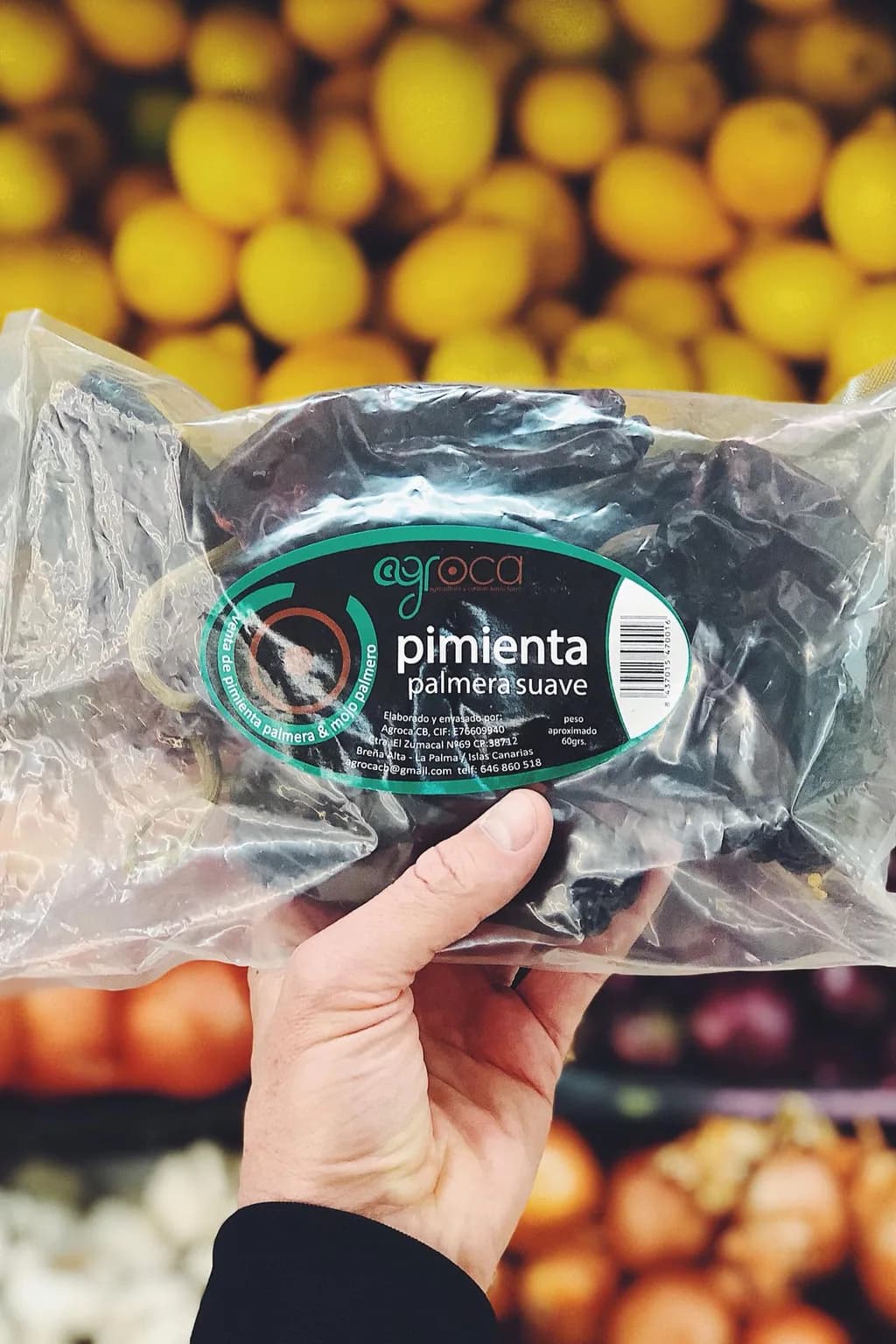
The palmera pepper is a traditional pepper variety closely tied to La Palma, grown on the island for generations and dried for mojo. Mojos Regina, which grows it, calls it one of the main ingredients of mojo palmero and says much of the sauce's character comes from it. In 2022 the Cabildo de La Palma, the island government, opened a public consultation on the rules of use for a "Mojo Palmero" certification mark, which belongs to the Cabildo.
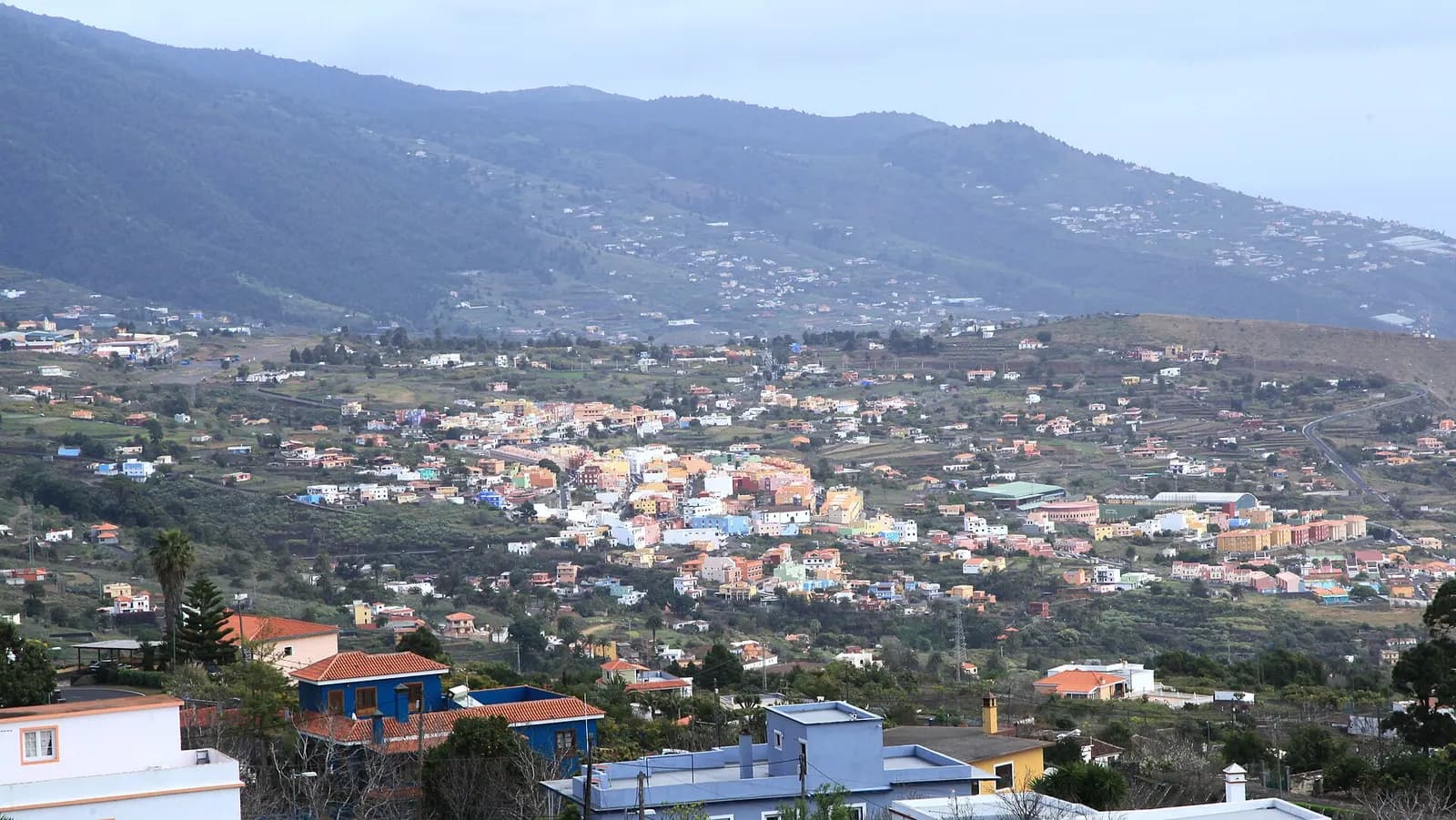
In El Llanito, in the Miranda area of Breña Alta, on the east side of the island, people used to keep a few pepper plants at home for the family mojo. Mojos Regina grew out of that habit. It is run by AGROCA, a small partnership whose name joins agricultura and cultivo autóctono, farming and native crops. They save the seed of their best peppers, raise their own plants and start the crop when the weather warms up. The peppers ripen one by one, so they pick by hand over several months, each pepper when it is ready, and then dry them. Their mojos have no colourings or preservatives and carry the seal of the La Palma World Biosphere Reserve.
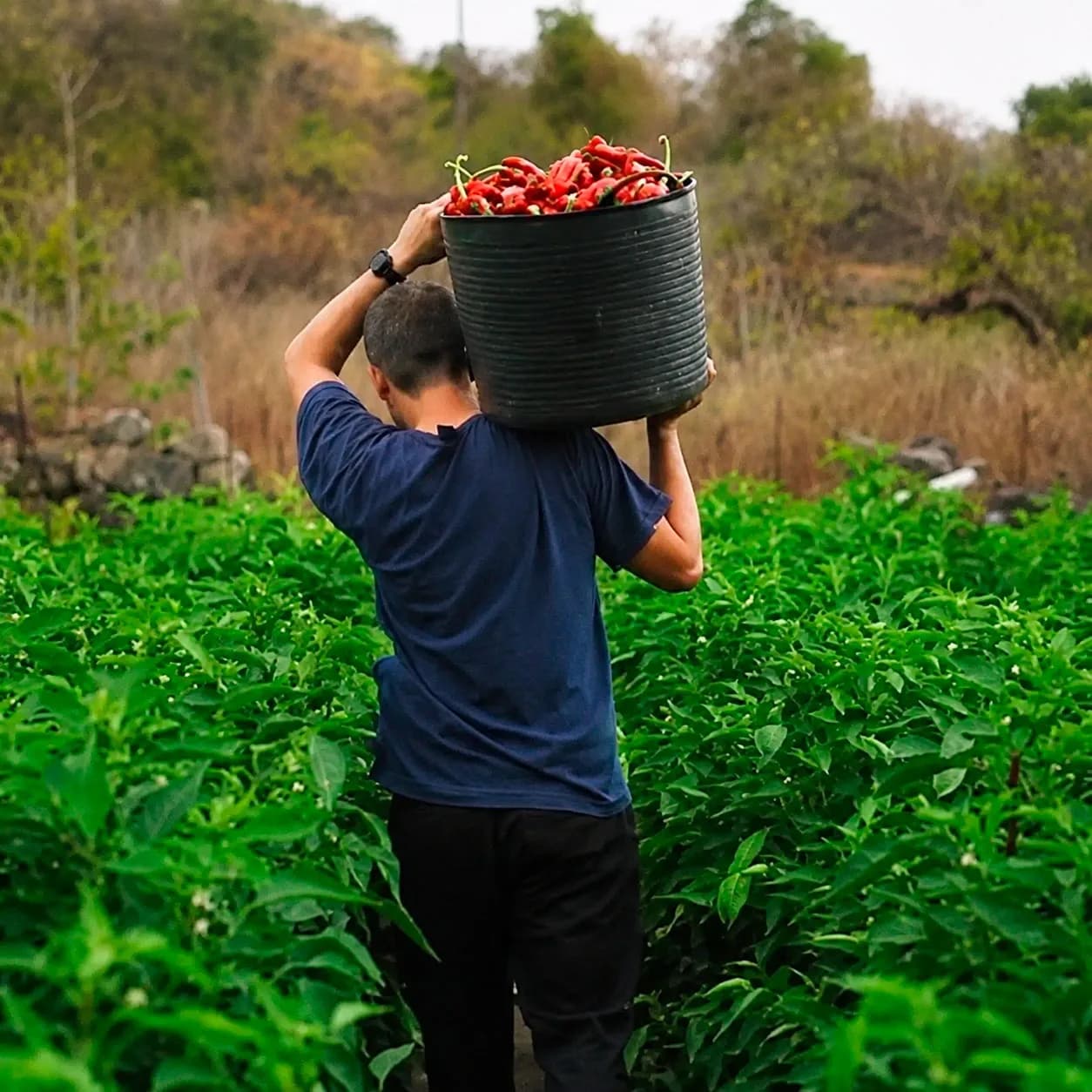
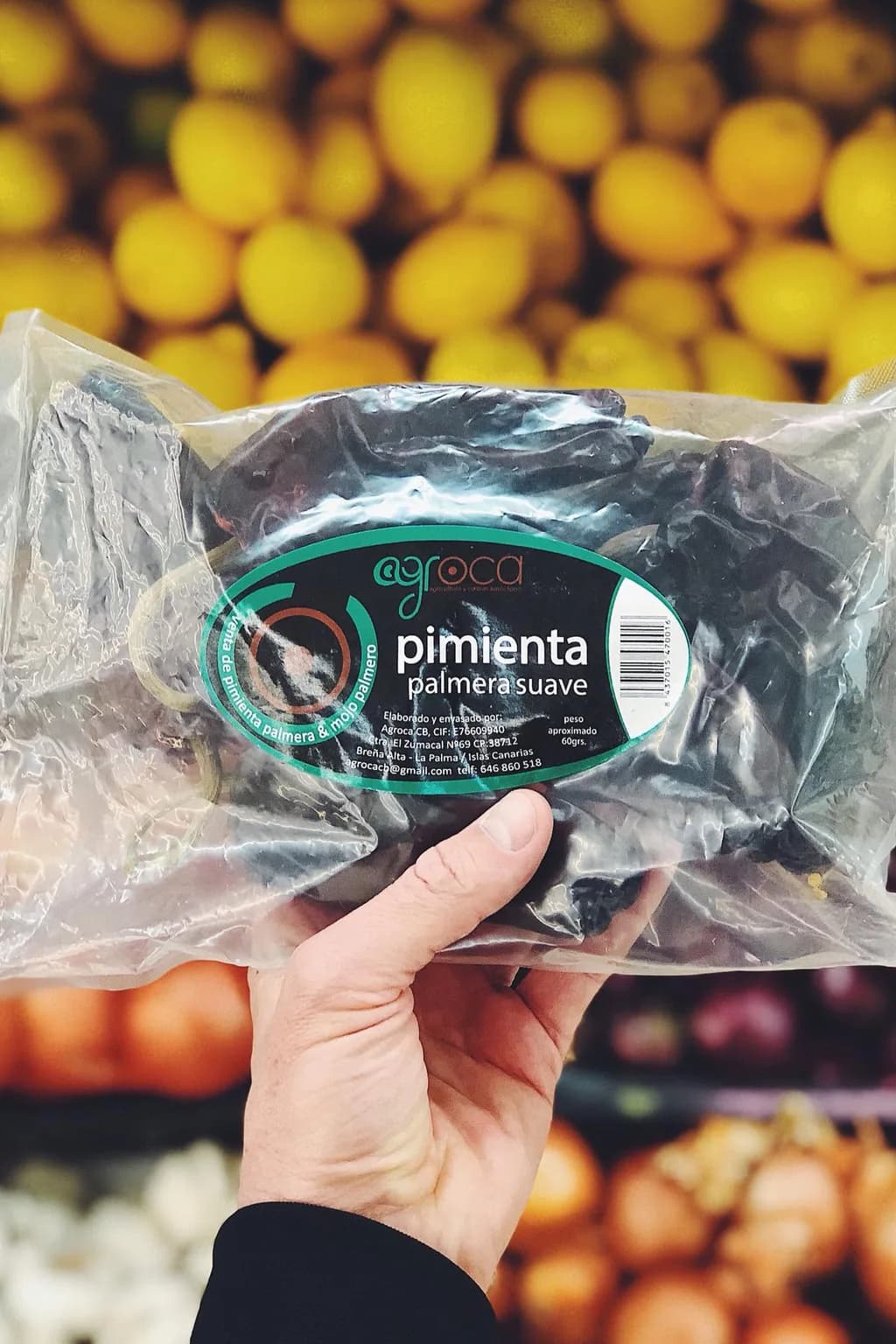
They make three mojos: a mild one, a picón and a sweet one with honey. All of them use the same pepper. How hot each one is depends on how many seeds they take out of the dried pepper: the more seeds come out, the milder the mojo. We sell their dried palmera pepper for making it at home.
Papas arrugadas and the PDO Papas Antiguas de Canarias
Mojo needs a potato, and the Canaries had potatoes early. Records in the provincial archives show potatoes shipped from the port of La Isleta, in Gran Canaria, to Antwerp in 1567, and from Tenerife to Rouen in 1574, according to an article in the ministry's journal Horticultura. The old island varieties still exist. The protected designation of origin Papas Antiguas de Canarias covers 29 varieties known locally as antiguas or de la tierra, old or of the land, all brought to the islands before the 20th century and grown below 1,200 metres. Their skins run from purple-black to brown, pink or orange, their flesh from cream to egg-yolk yellow, and once cooked they taste, says the Canary food quality institute, of toasted cereals and autumn nuts.
Papas arrugadas, wrinkled potatoes, are small potatoes boiled in their skins with plenty of coarse salt. When they are done, the water is poured off and the potatoes go back on the heat to dry until the skins wrinkle under a crust of salt. In 2016, Gran Canaria's tourist board notes, they were named the first of the Seven Gastronomic Wonders of Spain. They are eaten with mojo, and the salt crust is part of the point.
The potato is having a hard time. Heavy rain in 2025 rotted the crop in Icod el Alto, in the north of Tenerife, where farmers estimated they had lost 98% of their papas antiguas, according to the newspaper El Día, and the worry was whether there would be enough seed for the next planting. Across the islands, potato production fell from 105 million kilos in 2013 to 78 million in 2023, according to figures from the Canary statistics institute quoted by elDiario.es in August 2026. In Gran Canaria the area planted dropped from 1,727 to 668 hectares in those ten years. The same paper found imported potatoes on Canary supermarket shelves, bagged and labelled for wrinkling, and cheaper than the local ones.
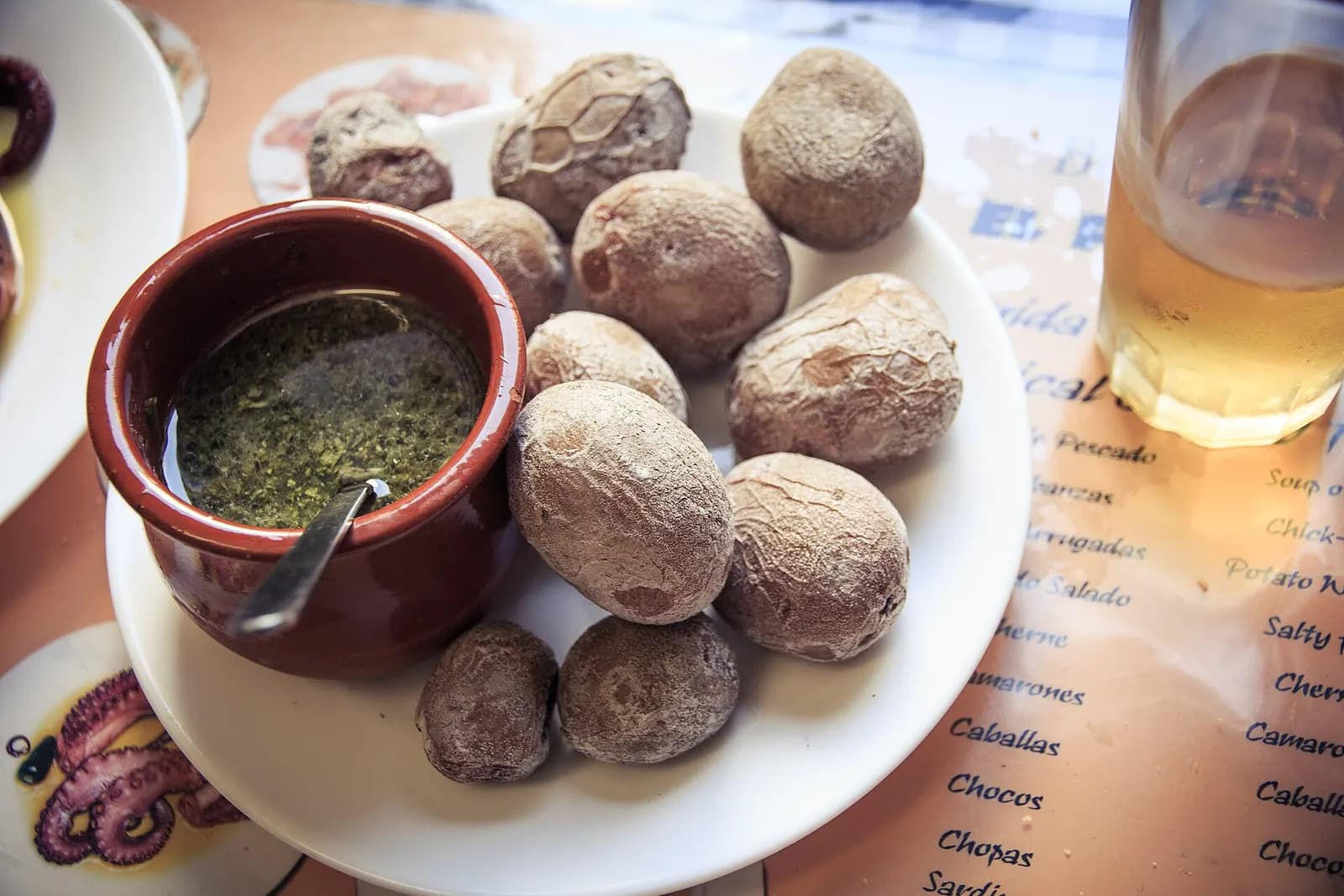
How to make red mojo with palmera pepper
The method Mojos Regina gives is short. Open the dried pepper and take out the seeds, as many as you need for the heat you want. Soak it until it is soft. Then pound it in a mortar, or blend it, with garlic, cumin, salt, vinegar and olive oil, the same ingredients the dictionary lists. Quantities are where the islands disagree, and where your own taste starts. A green mojo follows the same steps with fresh coriander, or parsley, in place of the pepper.
Some uses that work:
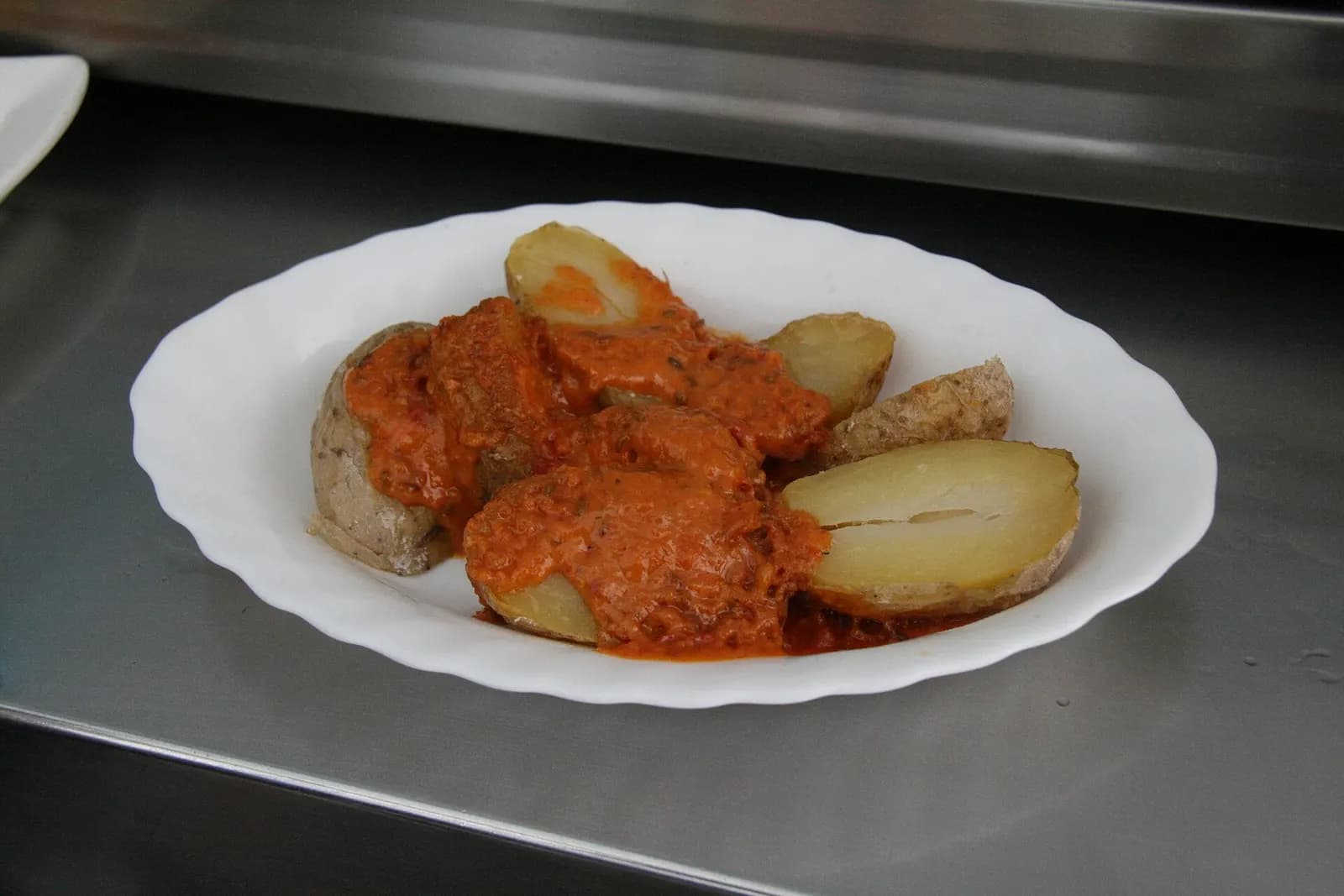
- Red picón on papas arrugadas and on grilled meat.
- Green on fish, grilled, fried or in a broth.
- Red with almonds on aged cheeses and roast vegetables.
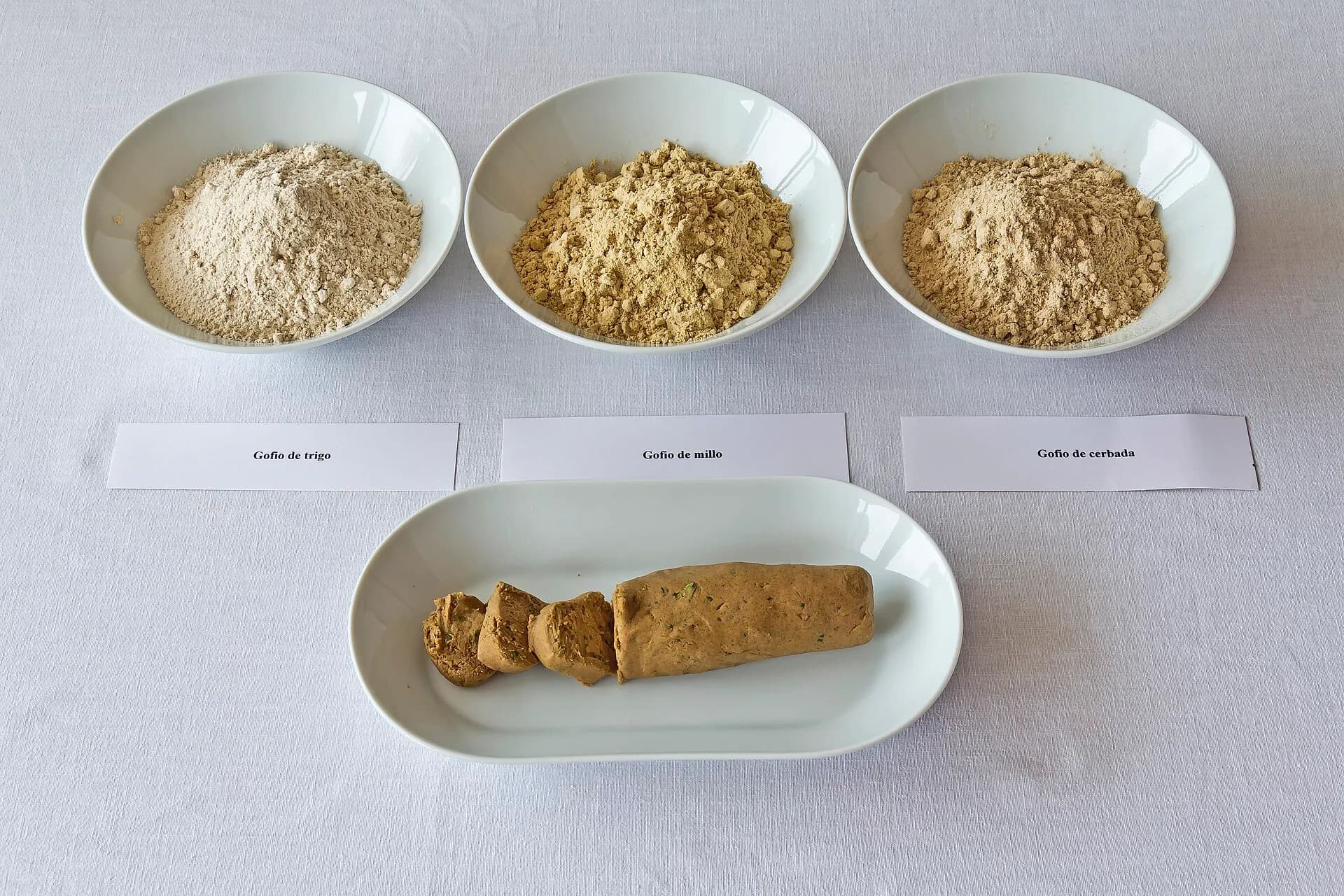
- Any of them with gofio stirred into broth, as Mojos Regina also suggests.
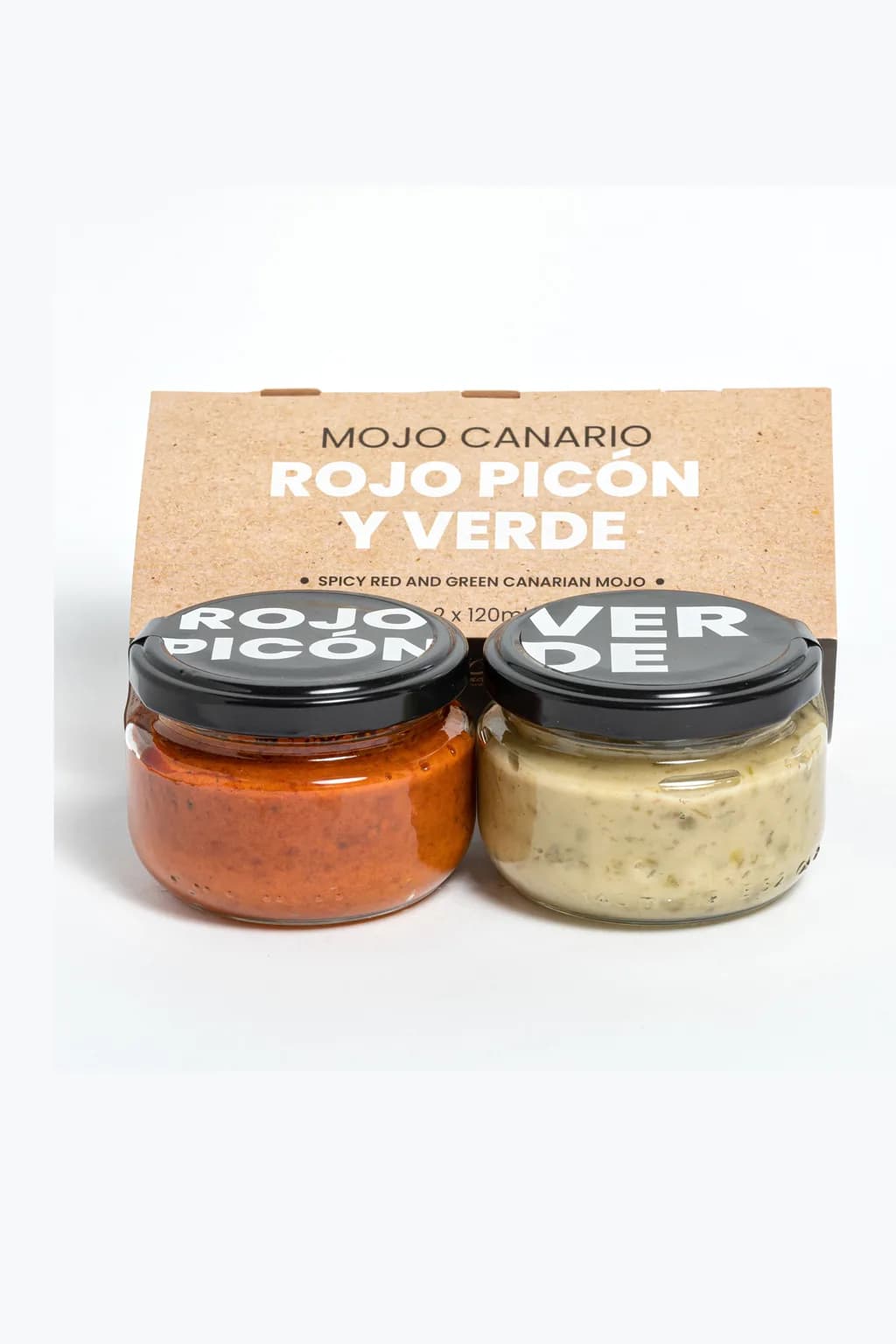
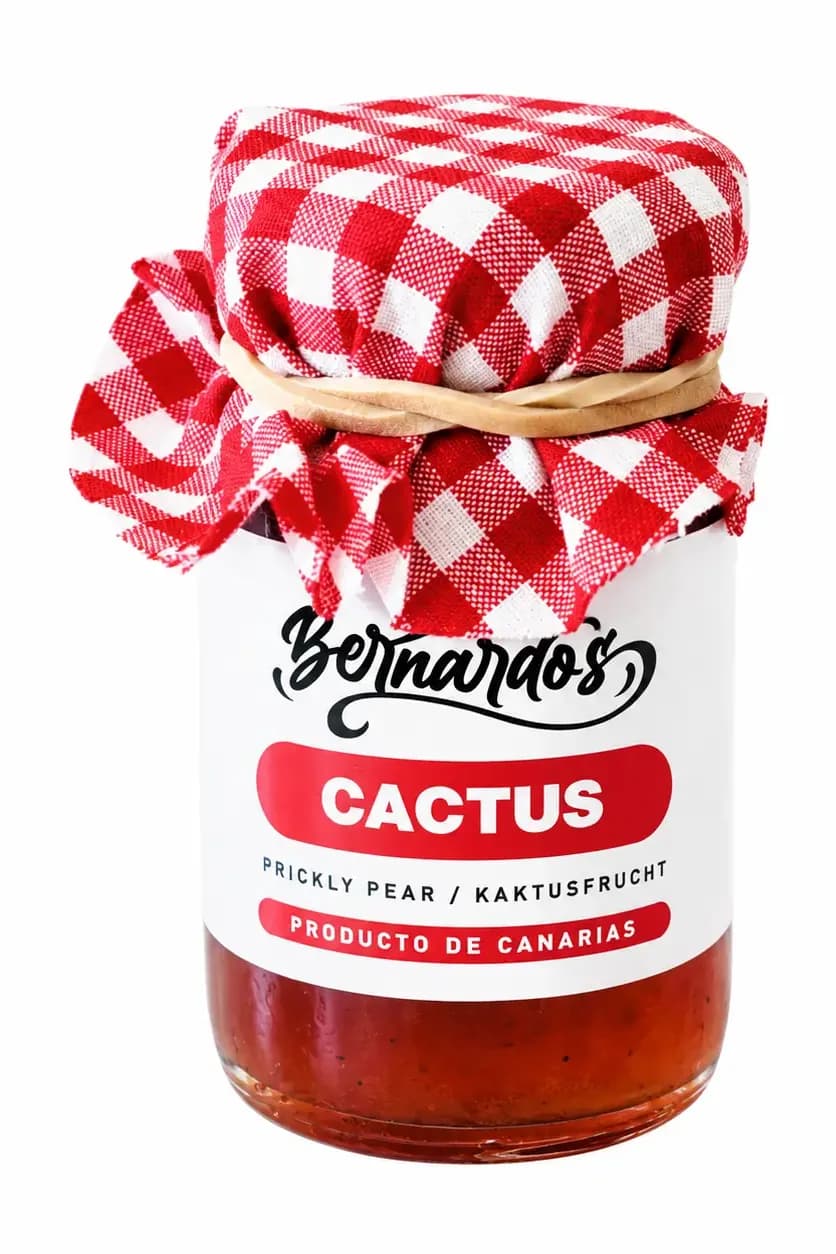
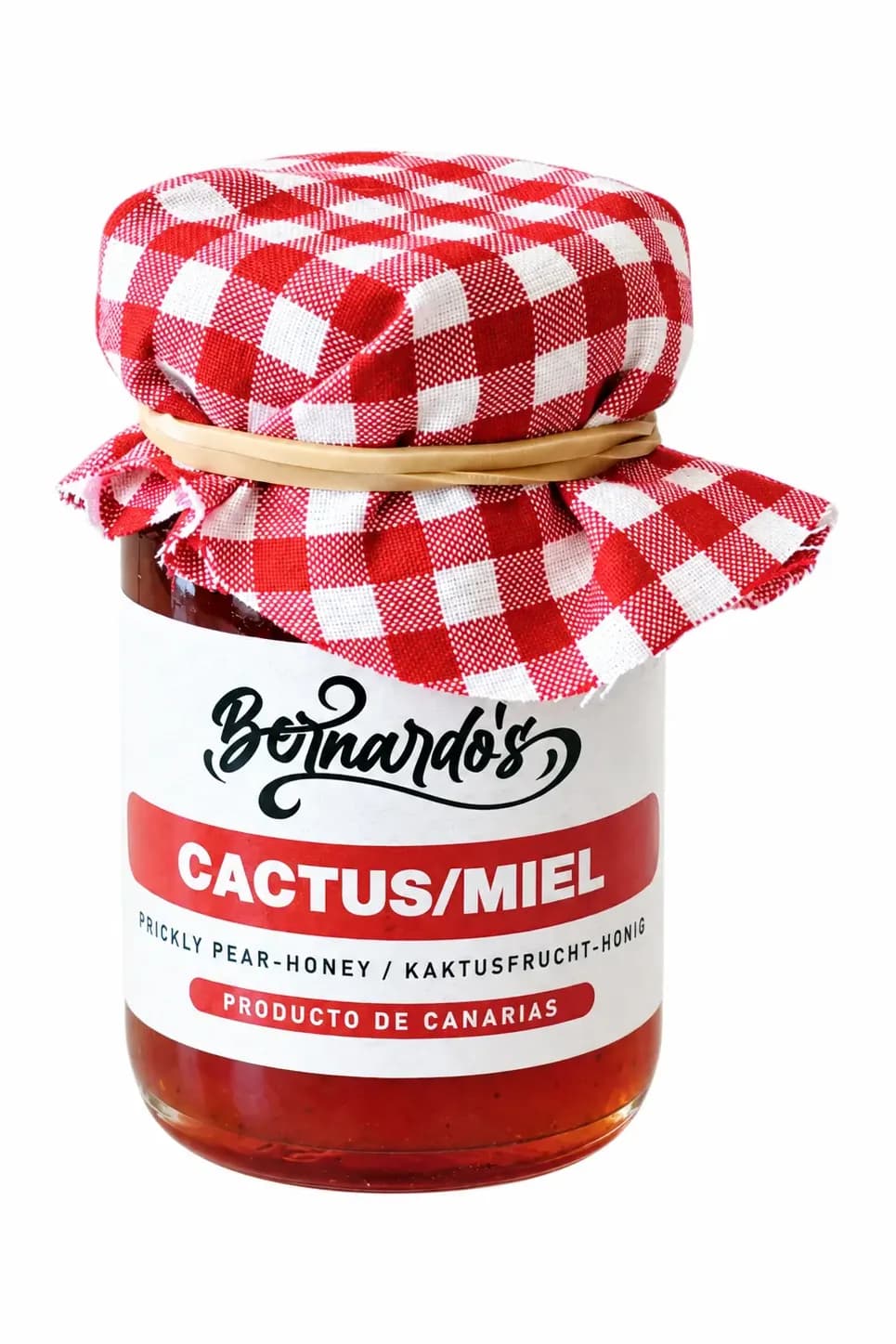
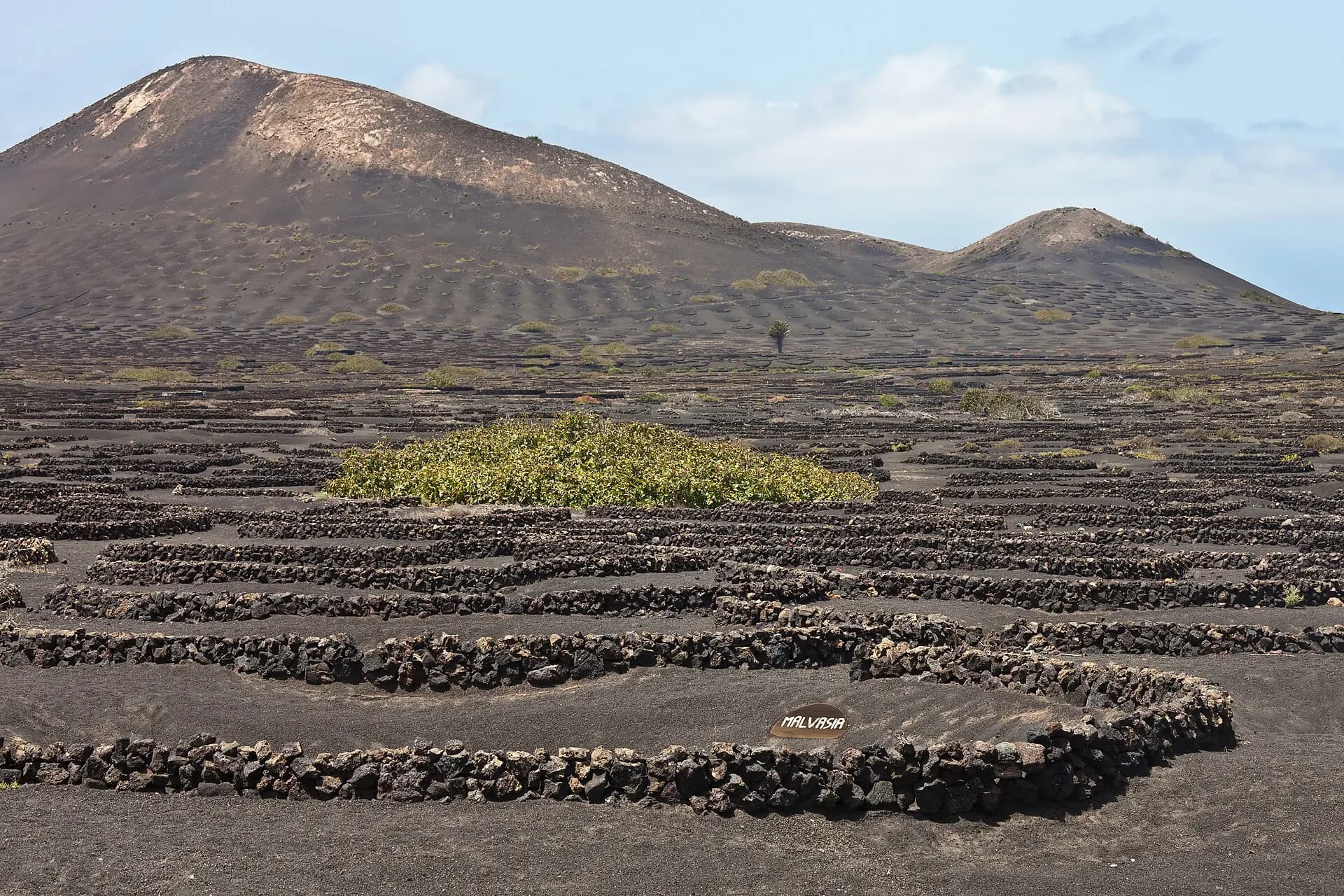
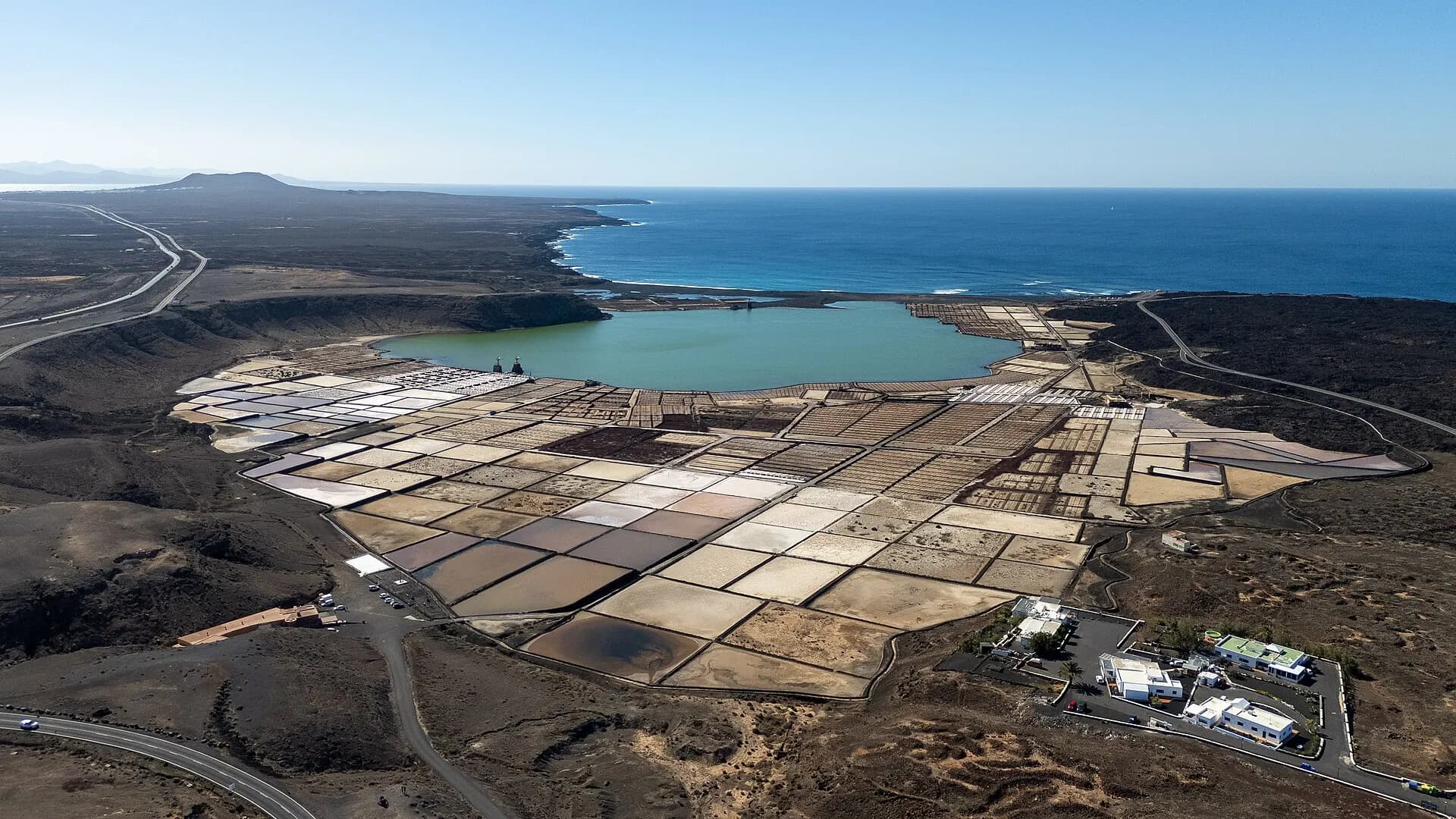
If you would rather not pound anything, the Bernardo's pack has a hot red picón and a green mojo in 120 ml jars. Bernardo's started on Lanzarote in 1993, when Bernd Zinhard, known in the company as Don Bernardo, began making jam from cactus fruit in the kitchen of his restaurant. Mojos followed in 1999. Today his sons, Philipp and Moritz, run the company from Playa Honda, next to the airport, and they have not used plastic in their packaging since 1993: glass, metal lids and paper labels. Papas arrugadas also need good salt, and the salt pans of Janubio are on the same island.
Where to see palmera pepper grown
Mojos Regina says on its website that it opens its pepper fields in Breña Alta to visitors, who can see where the pepper grows, how the crop is looked after and how it ends up as mojo. Ask before you go. Close by stands the Portón de Cinco Almenas, the gateway of a 17th century estate. Elsewhere on the island, when a restaurant brings the two pots, it is worth asking whether the red one is made with palmera pepper. The answer tells you more about the kitchen than the menu does. Each of the Canary Islands has its own version, and the only way to decide between them is to keep tasting.
Berthelot called it incendiary in 1839. On La Palma, how incendiary is still decided with a knife, one seed at a time.
Questions
- What is the difference between red and green mojo?
- Red Canarian mojo is made with dried red pepper and paprika, garlic, cumin, salt, vinegar and oil, and goes with potatoes, roast pork and grilled meat or fish. Green mojo replaces the pepper with coriander or parsley and is the usual one for fish and fish broth.
- What is mojo picón?
- Mojo picón is the hot version of red Canarian mojo, made with plenty of dried red pepper and paprika. A red mojo can be mild or picón depending on the peppers used and, with palmera pepper from La Palma, on how many seeds are left in.
- What is pimienta palmera?
- Pimienta palmera is a traditional pepper variety of La Palma, in the Canary Islands, grown on the island for generations and dried to make red mojo palmero. In Breña Alta, Mojos Regina saves its own seed, picks the peppers by hand over several months as they ripen and dries them.
- What do you eat Canarian mojo with?
- Canarian mojo is eaten above all with papas arrugadas, small potatoes boiled in their skins with plenty of coarse salt and dried over the heat until the skins wrinkle. Red mojo picón also goes with grilled meat and roast pork, green mojo with fish, and both with cheese, bread and gofio stirred into broth.
- How do you make papas arrugadas?
- Papas arrugadas are small potatoes boiled in their skins with plenty of coarse salt. When they are cooked the water is poured off and the potatoes are left on the heat to dry until the skins wrinkle under a crust of salt. In the Canary Islands they are served with red and green mojo.
- What are papas antiguas de Canarias?
- Papas antiguas de Canarias are 29 old potato varieties brought to the Canary Islands before the 20th century and protected by a PDO. They have purple-black, brown, pink or orange skins and cream to deep yellow flesh that, once cooked, tastes of toasted cereals and autumn nuts.