Calçotada in Valls: an onion planted twice, burnt black and eaten with a bib
Valls, Alt Camp, Tarragona//Traditional events/8 min read
Valls gave Catalonia the calçotada and celebrates it every last Sunday of January. How the PGI calçot is grown, what goes in the sauce and what the day is like.
 Written with by Eduardo Peire
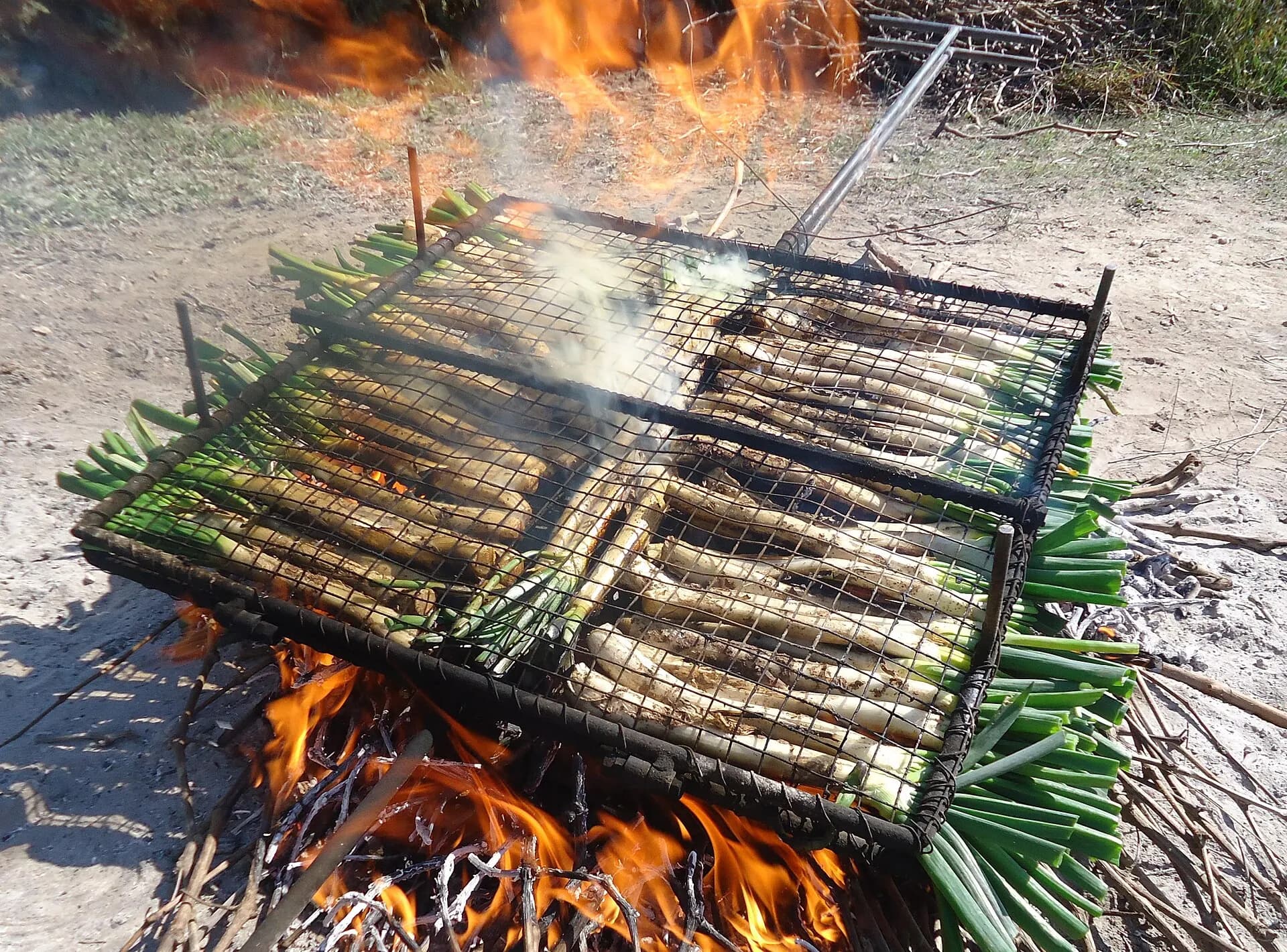
A calçotada is a meal of calçots, sweet white onion shoots grilled over a fierce flame until they are black, peeled by hand and dipped in a nut and pepper sauce. It was born in Valls, a market town of the Alt Camp about 20 kilometres north of Tarragona, which celebrates it every last Sunday of January with the Gran Festa de la Calçotada. The next one, the 45th, is on 31 January 2027. The onions grown around Valls are protected as the PGI Calçot de Valls and are harvested from November to the end of April.
What is a calçot?
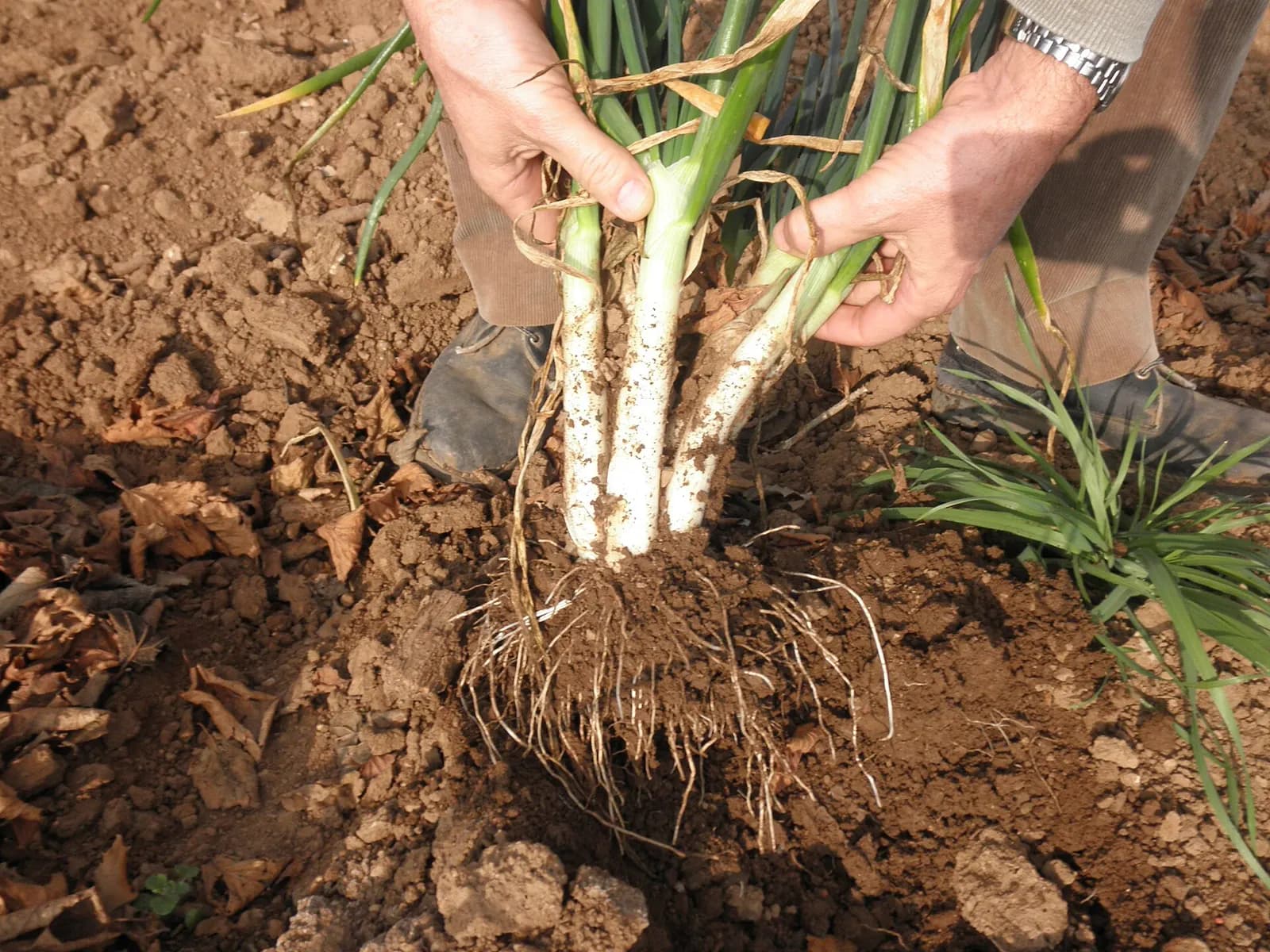
A calçot is the shoot of a white onion grown specially to be grilled. The PGI covers only one variety, the late white onion of Lleida (Blanca grande tardía de Lleida), chosen for its sweetness and for the number and size of the shoots each bulb throws. The name comes from the way it is grown. The verb calçar means to put shoes on, and in a field it means to heap earth around the base of a plant, which keeps the buried part white and tender.
The rules of the PGI, in the amended single document published by the EU in March 2026, describe the ideal calçot with some precision. It is 35 to 50 centimetres long, with a white base of 15 to 25 centimetres and green leaves above it. Measured five centimetres from the root, it must be between 1.5 and 2.7 centimetres thick. Its sweetness should be high, its heat and bitterness zero, and its crunch mild to moderate.
By 1963 the word had reached the great Catalan-Valencian-Balearic dictionary, which defined a calçot as an onion that splits into two or three shoots and added one word in brackets: Valls.
How calçots are grown: an onion planted twice
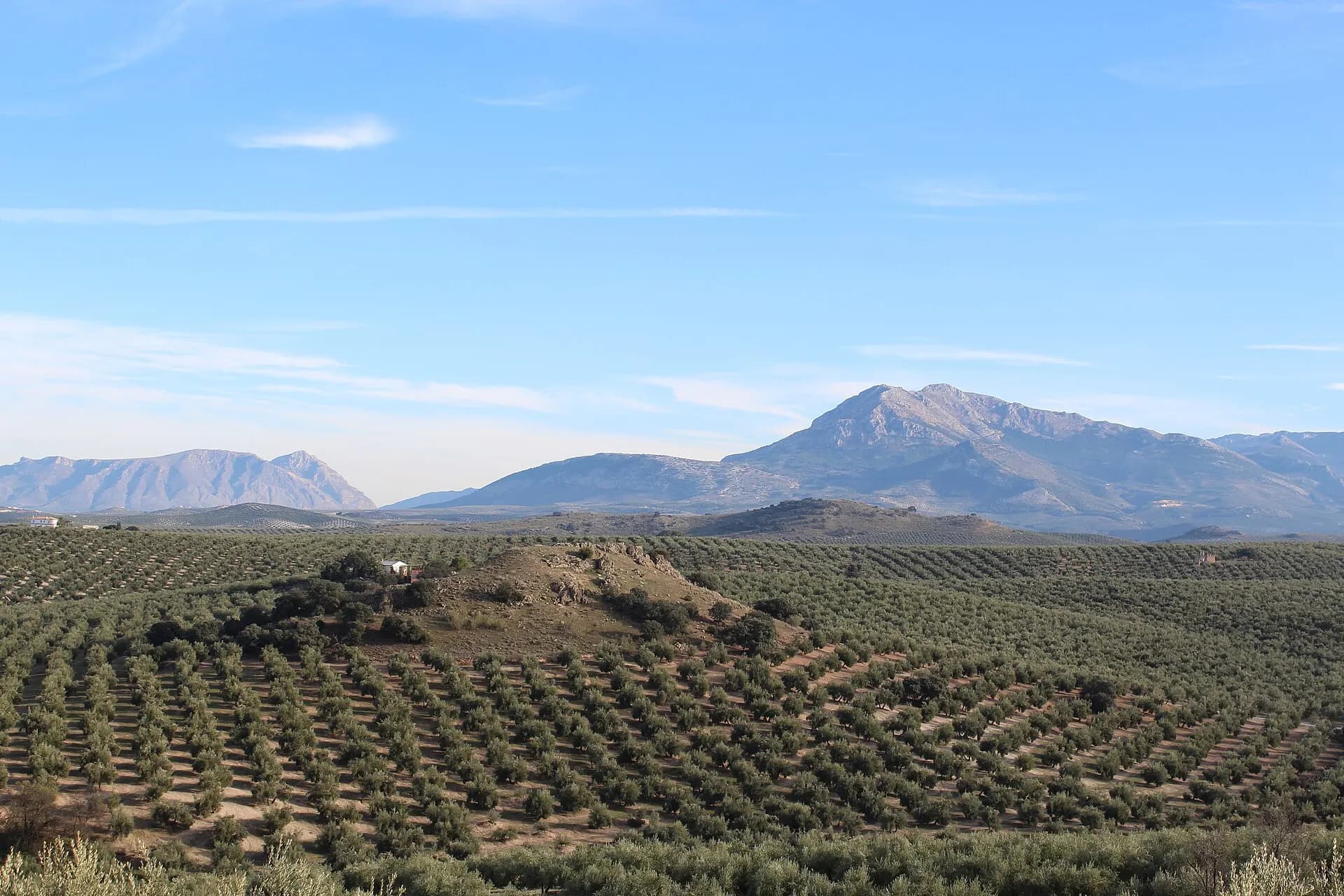
A calçot takes the best part of a year to grow and is planted twice. The cycle starts in December, when seed is sown under glass. In March the seedlings go out into the fields, where they grow into ordinary onions by early summer. The bulbs are then lifted and replanted at the end of summer. Each one sprouts several new shoots, and as they grow the farmer heaps soil around them two or three times to lengthen the white part. When the shoots reach the right size they are pulled and separated from the clump, normally one by one.
The crop depends on a mild coast. The PGI area, which covers the comarques of the Alt Camp, the Baix Camp, the Tarragonès and the Baix Penedès, has more than nine months a year without frost. Where frost lasts all winter, calçots cannot be grown this way.
The 2026 amendment says a lot about how the trade has changed. The accepted thickness widened by two millimetres at each end, on the growers' experience. Farmers no longer have to cut the tops off the bulbs before replanting, an old practice that sped up ripening slightly and is now known to raise the risk of infection. Four municipalities left off the original list by a drafting error were added: La Canonja, La Pobla de Mafumet and Salou in the Tarragonès, and Rodonyà in the Alt Camp. The official tasting notes now say "mild fibrousness", because studies found calçots less stringy than other onions.
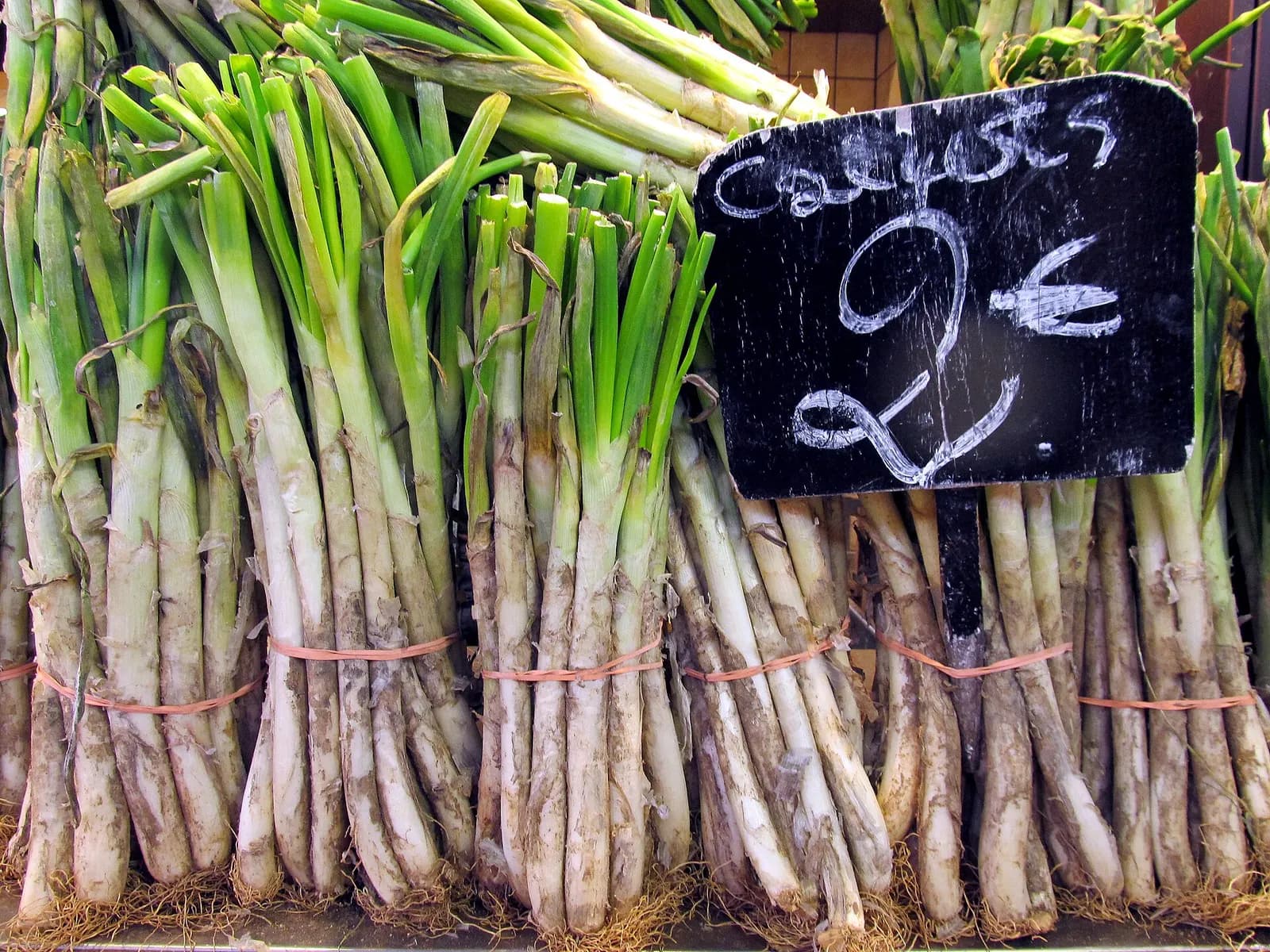
And the bundles changed. Certified calçots were sold in bunches of 25 and 50, because the rules assumed that an average eater got through 25. Eating habits have changed, says the EU text, so a bunch of 12 now exists too. Each bunch is held by a light blue tie with a numbered label.
How many calçots, and who grows them?
The PGI is small and busy. According to Diari de Tarragona, it has close to 54 producers, all family farms, and none of them lives from calçots alone. In the 2024 to 2025 season they sold more than 20 million calçots under the PGI label, a record. The president of the PGI, Isidre Coll, told the paper in November 2025 that the season used to run from January to April and now starts in November, partly because demand has grown and partly because of climate change: the cold comes later in autumn, and the first calçots are ready sooner.
Not every calçot eaten in Catalonia comes from the PGI. Barcelona's wholesale market, Mercabarna, sold almost 8.85 million calçots in 2025, according to the newspaper Ara. Half came from the province of Tarragona, most of the rest from the provinces of Barcelona and Lleida, and small amounts from other Spanish regions. Mercabarna handles none from outside Spain, though Ara noted that imported calçots can turn up in some supermarkets. If the bunch has no blue tie and numbered label, it may be a perfectly good onion, but it is not a Calçot de Valls.
Where did the calçotada come from?
Valls credits a man known as Xat de Benaiges, who at the end of the 19th century is said to have grilled some onion shoots from his vegetable plot, peeled off the burnt skin and eaten them with oil, vinegar and salt. The town council tells it that way, and the EU rules repeat it. The paper trail is thinner. A 2023 report in Diari de Tarragona traced the story to an article written around 1950 by the historian Eduard Castells, which says that a group of people from Valls had agreed around 1920 that Xat de Benaiges was the first to grow and eat calçots. The president of the Valls Chamber of Commerce told the paper that nobody knows for sure whether he was even a farmer.
The festival has firmer dates. The PGI file says a calçot festival was first held in Valls in 1896, and that by the early 20th century calçots were a feast-day dish for many families in town. From 1946 a local society known for its comic shows, the Penya Artística l'Olla, began inviting artists and writers from Barcelona to its calçotades, and the magazine Destino even ran special trips. The Gran Festa de la Calçotada in its present form dates from 1982, the year the history of the calçotada was presented at the Congress of Catalan Culture.
The Gran Festa de la Calçotada: what happens on the day
The 2027 festival falls on Sunday 31 January, according to the poster presented in October 2026 at the Valls Chamber of Commerce. Its programme was not yet out at the time of writing, but the 2026 edition, the 44th, gives a fair idea of the day. Catalan News counted more than 30,000 people in town that weekend.
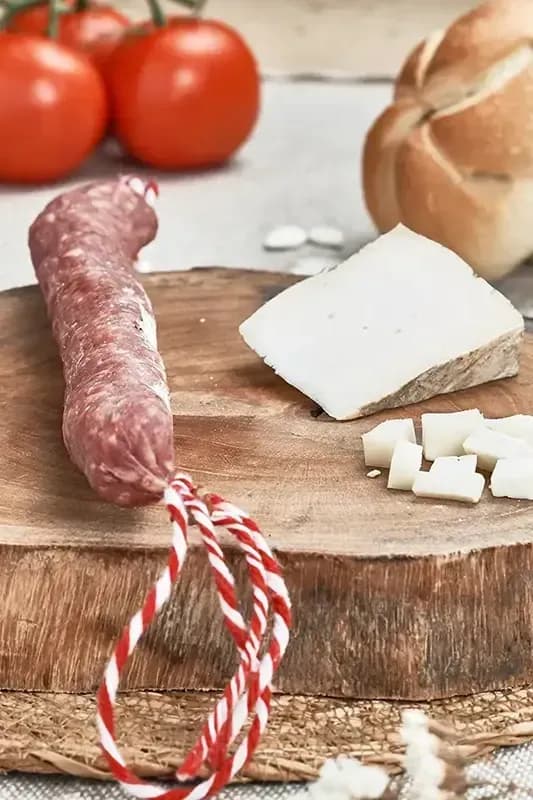
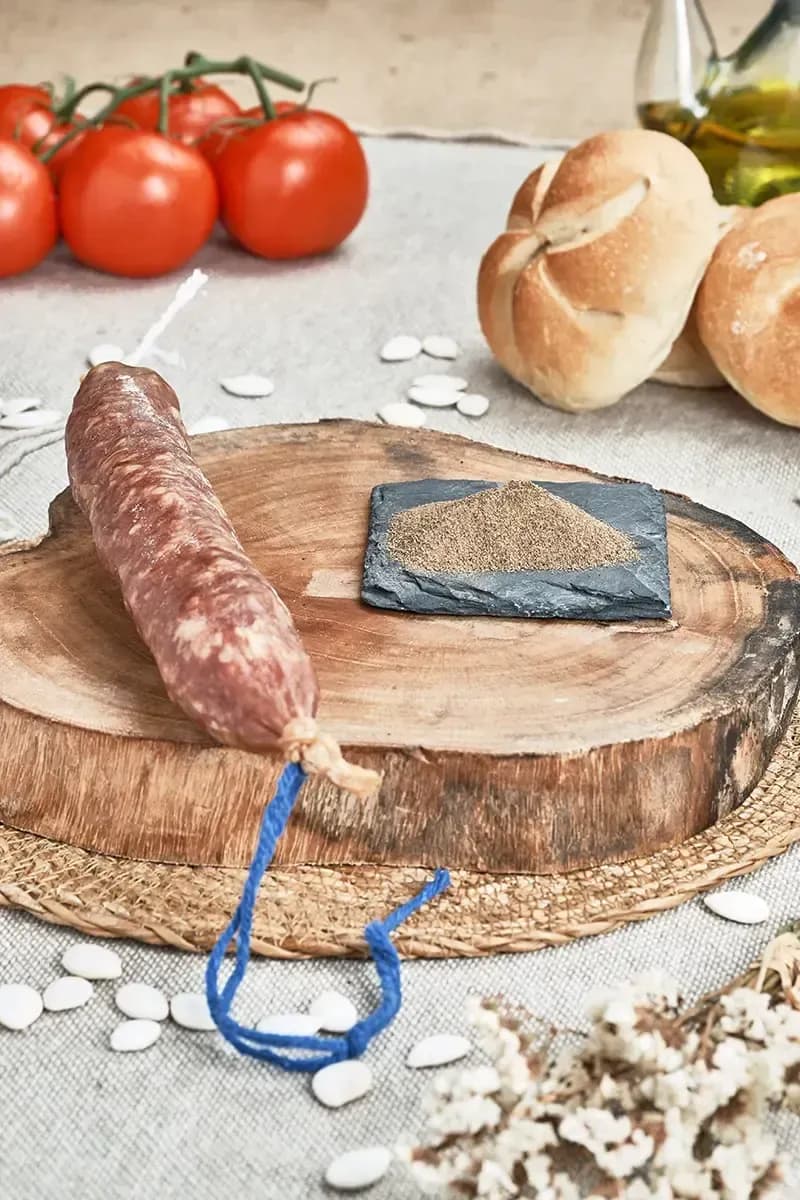
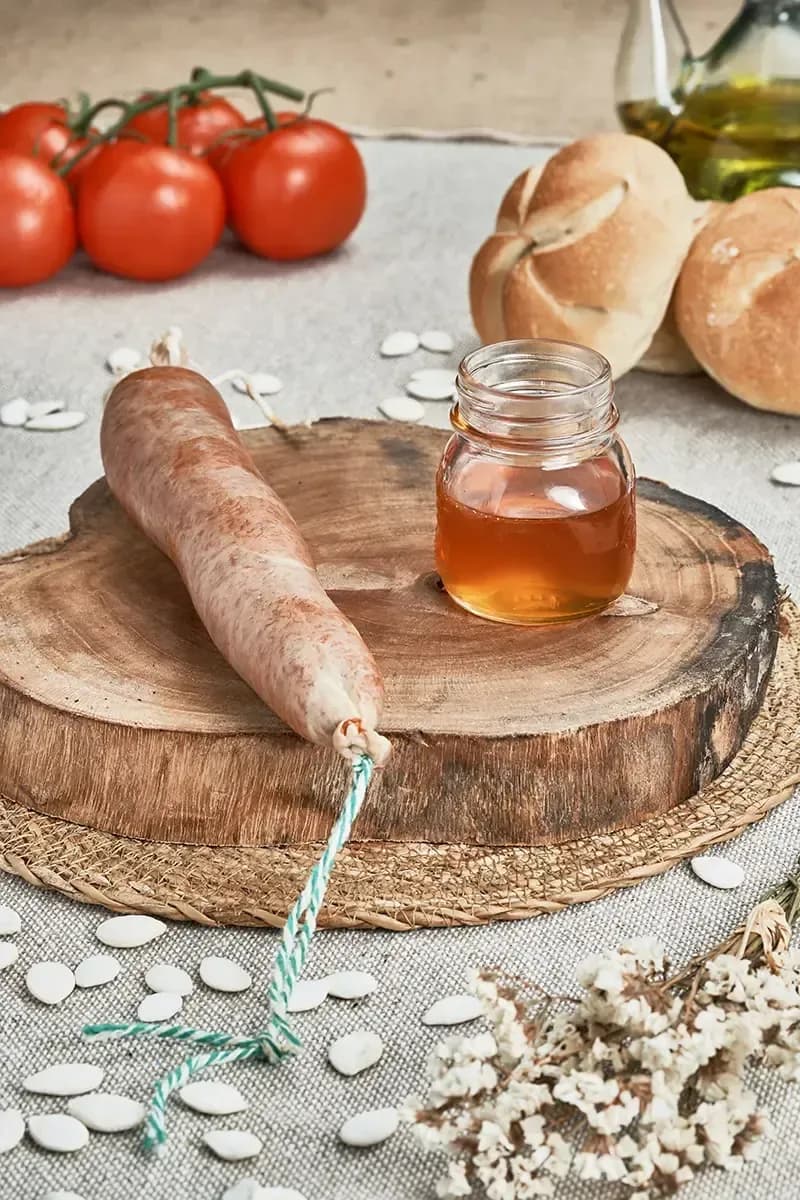
All morning, calçots are grilled over vine shoots in a car park in the centre, and bunches, meat and local llonganissa are on sale. The town sells tasting lots: a dozen grilled calçots with a dish of sauce, bread, wine, water, an orange and a few carquinyolis, the hard almond biscuits of the region, plus a bib. In 2026 the lot even came with a two-for-one ticket to the town's human tower museum. In the Plaça del Blat, in front of the town hall, there are contests for the best sauce, for children's sauce and for the best calçots grown that season.
In 2026 the eating contest began at one o'clock in the Plaça del Pati. Competitors have 45 minutes, and the winner may not compete the following year. The record, 310 calçots weighing 5,825 grams, was set in 2018 by Adrià Wegrzyn, who has won 13 times in two decades. The rule kept him out in 2026, and the title went to a man who ate 109, just under four kilos. Before the contest starts, the two rival human tower teams of Valls, the Colla Vella dels Xiquets de Valls and the Colla Joves Xiquets de Valls, each raise a pilar, a column of people standing on each other's shoulders.
Since November 2025 Valls also opens the season with the Calçofest, a day of music and calçots whose first edition sold out its 10,000 tickets. The town now celebrates both the first calçots and the peak of the season.
How to eat calçots, and what goes in the sauce
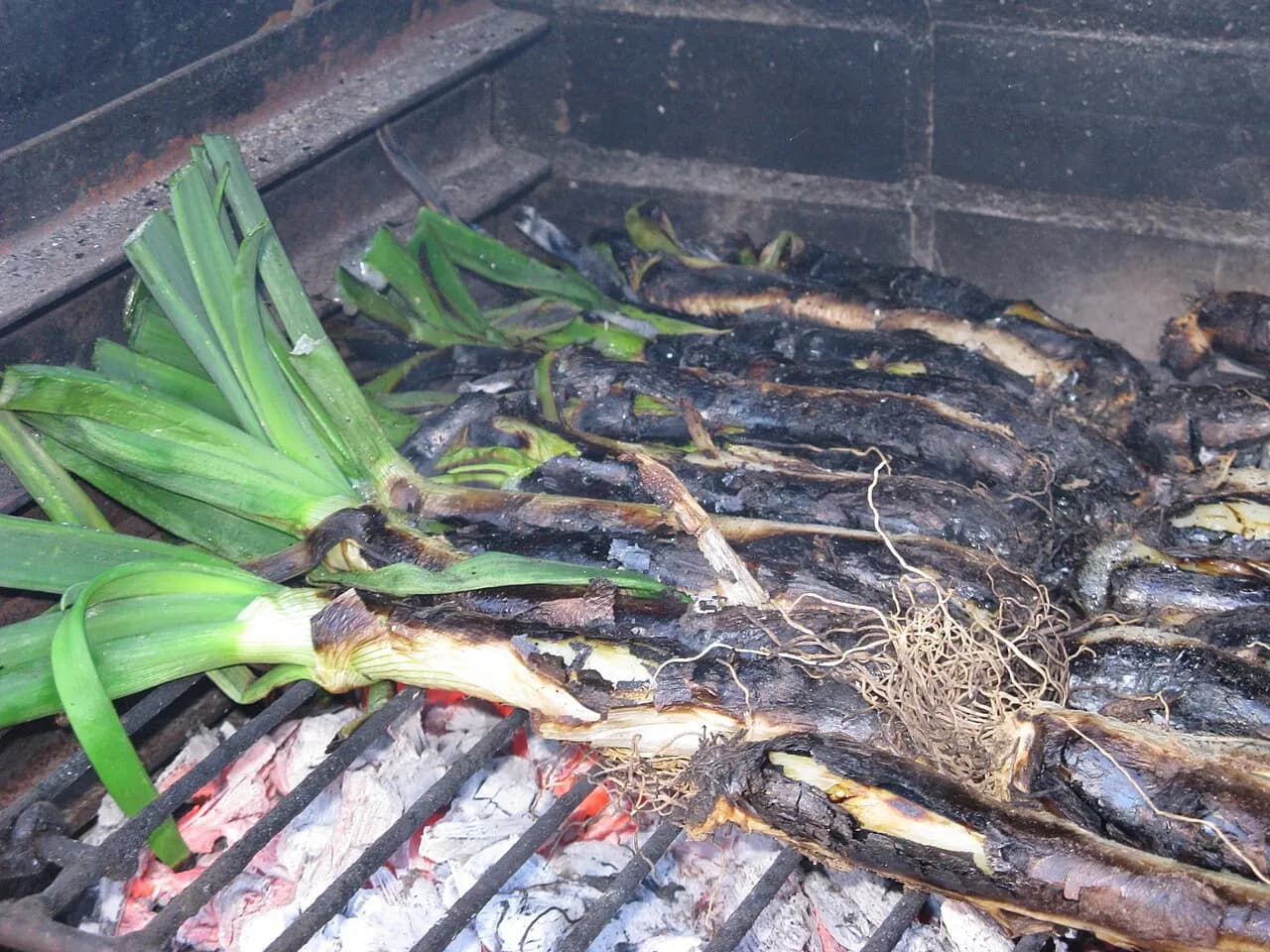
The PGI file describes the method in one sentence: calçots are roasted over a wood fire until they are tender inside and fully charred outside, the burnt layer is peeled off by hand, and they are eaten hot with the calçot sauce or salvitxada.
In practice, hold the green leaves in one hand and the blackened base in the other, and pull the base gently so that the charred skin slides off and leaves a pale, steaming shoot. Dip it deep in the sauce, tip your head back and lower it in. Bibs are not a joke; neither are the black fingers.
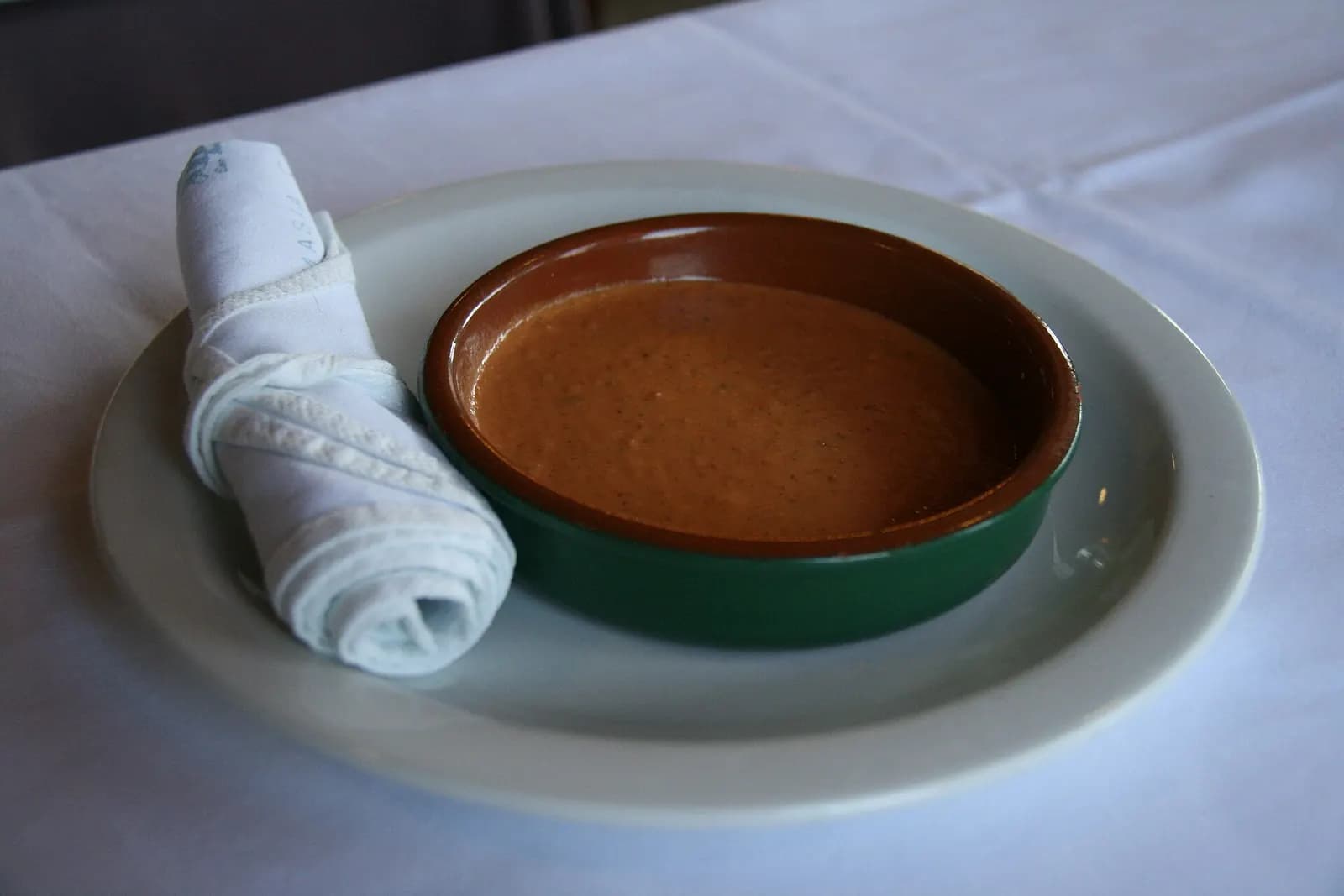
The sauce of Valls is the salvitxada, a relative of the romesco of Tarragona. There is no single official recipe, which is why the festival needs a sauce contest. The town council lists almonds, hazelnuts, roasted tomatoes, garlic, olive oil, vinegar, parsley and salt. Many families add a little bread and the pulp of dried nyora peppers, and argue about the proportions, the nuts and whether the garlic is raw or roasted.
The calçots are only the start. The same embers then cook the meat, the llonganissa and sometimes black botifarra or artichokes, with wine from the Valls cooperative or the DO Tarragona. By tradition, says the council, the meal ends with cava and pastries.
When to go, and what else to see around Valls
The calçot season runs from November to April, and calçotades are held all through it, in country houses, restaurants and back gardens across the Camp de Tarragona. The festival weekend is the busiest moment of the year in Valls; a weekday in February is the quietest way to eat calçots near where they grow. No restaurant names here: ask in Valls where the growers eat, and accept the answer.
Valls is also known as the cradle of the castells, the human towers that UNESCO added to its list of intangible cultural heritage in 2010, and its museum, Món Casteller, opened in 2023 to explain how a tower of people is built. Within half an hour's drive are the Cistercian monasteries of Santes Creus and Poblet.
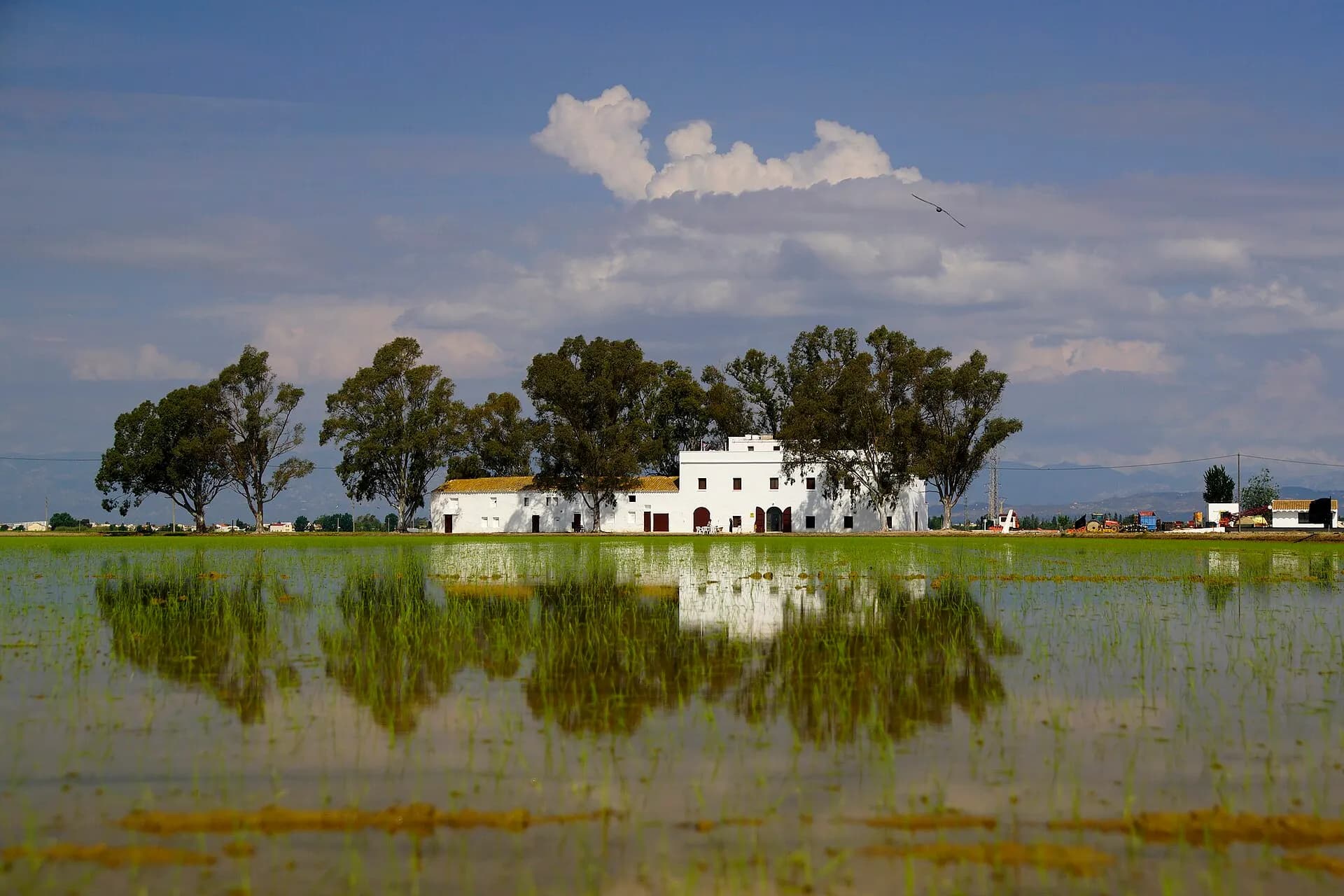
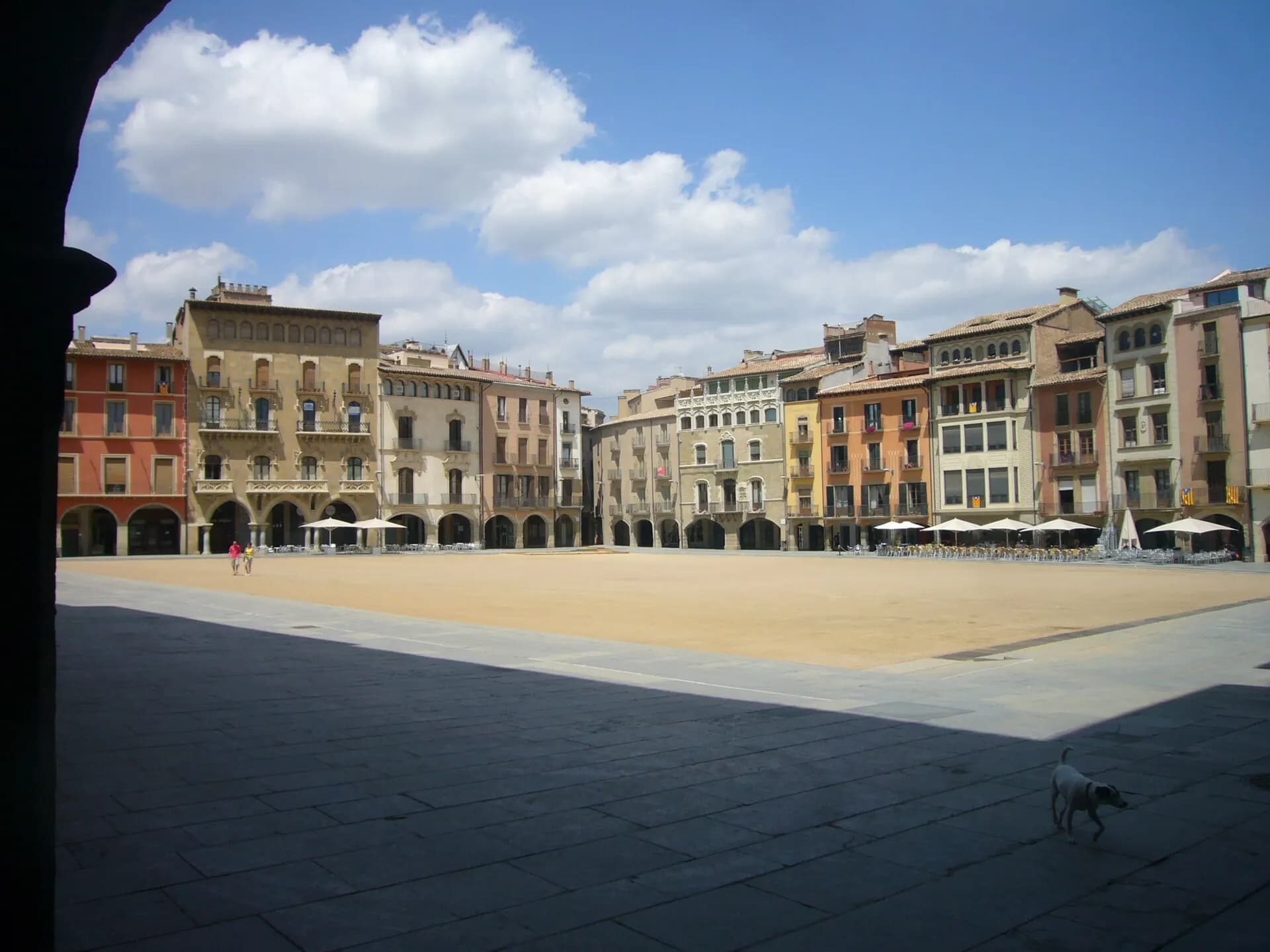
For the wider region, see our pages on Catalonia and the province of Tarragona. Further south lie the rice fields of the Ebro Delta, and far to the north the Saturday market of Vic is the inland, foggier end of the same Catalan winter.
The rules once assumed that one person eats 25 calçots. The record stands at 310.
Questions
- What is a calçot?
- A calçot is the shoot of a sweet white onion, the late white onion of Lleida, grown so that each replanted bulb throws several long shoots. Soil is heaped around them as they grow, which keeps their base white and tender. Calçots are eaten grilled over an open fire.
- When is the Gran Festa de la Calçotada in Valls in 2027?
- The 45th Gran Festa de la Calçotada is on Sunday 31 January 2027 in Valls, in the Alt Camp, province of Tarragona. The festival is always held on the last Sunday of January; check the town's official programme closer to the date for times.
- When is calçot season?
- Calçots protected by the PGI Calçot de Valls are harvested from November to the end of April. The president of the PGI says the season used to start in January, and that growing demand and later autumn cold have moved the first harvest forward to November.
- How do you eat calçots?
- Hold the green leaves in one hand and the charred base in the other, pull off the blackened outer layer, dip the white shoot in the sauce and lower it into your mouth. A bib and a lot of napkins are part of the meal.
- What is the difference between salvitxada and romesco?
- Salvitxada is the sauce of Valls served with calçots, and romesco is its relative from Tarragona. Both are based on toasted nuts, roasted tomatoes, garlic, olive oil and vinegar, often with dried nyora peppers and bread, and every family makes them differently. Neither has a single official recipe.
- How can you tell a PGI Calçot de Valls?
- Certified calçots are sold in bunches of 12, 25 or 50, held by a light blue tie with a numbered label of the PGI Calçot de Valls. They are grown in the Alt Camp, the Baix Camp, the Tarragonès and the Baix Penedès, in the province of Tarragona.