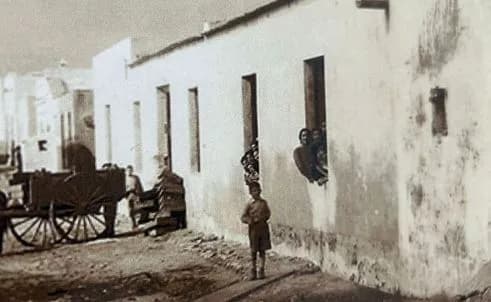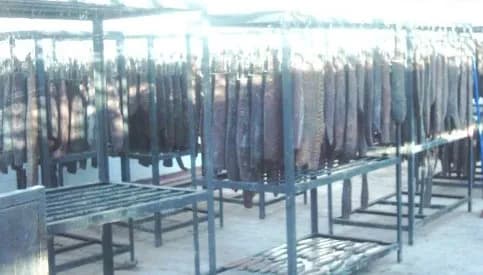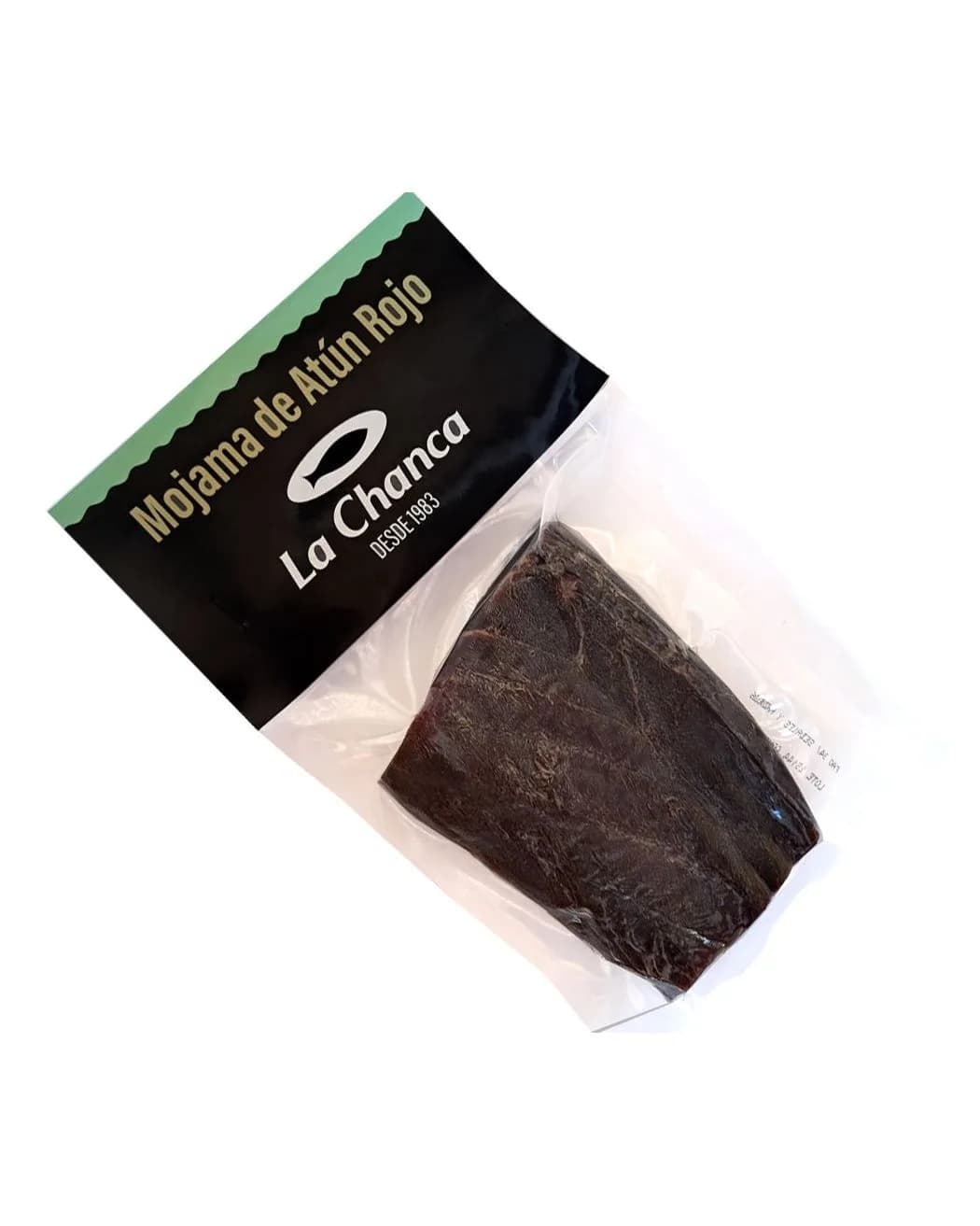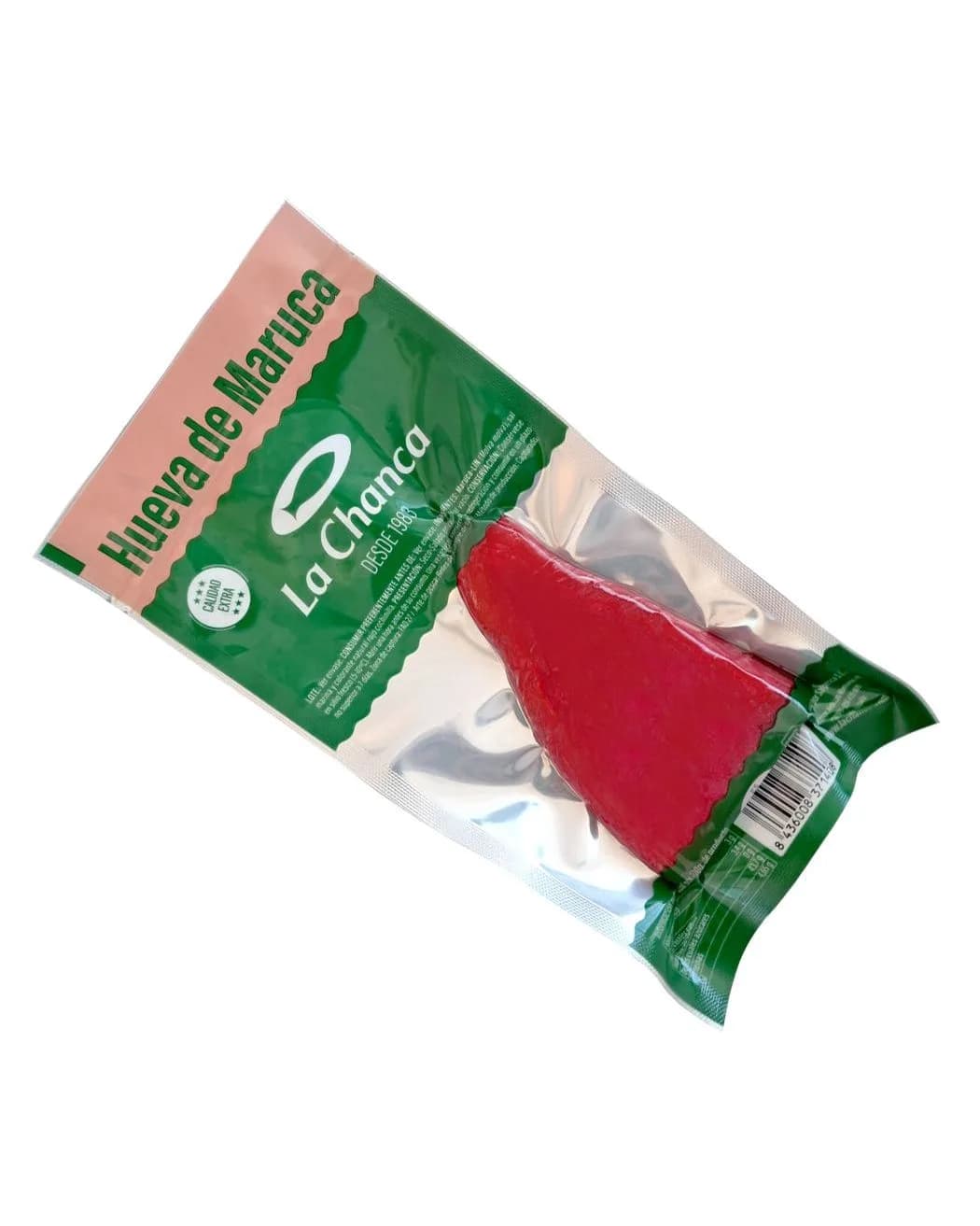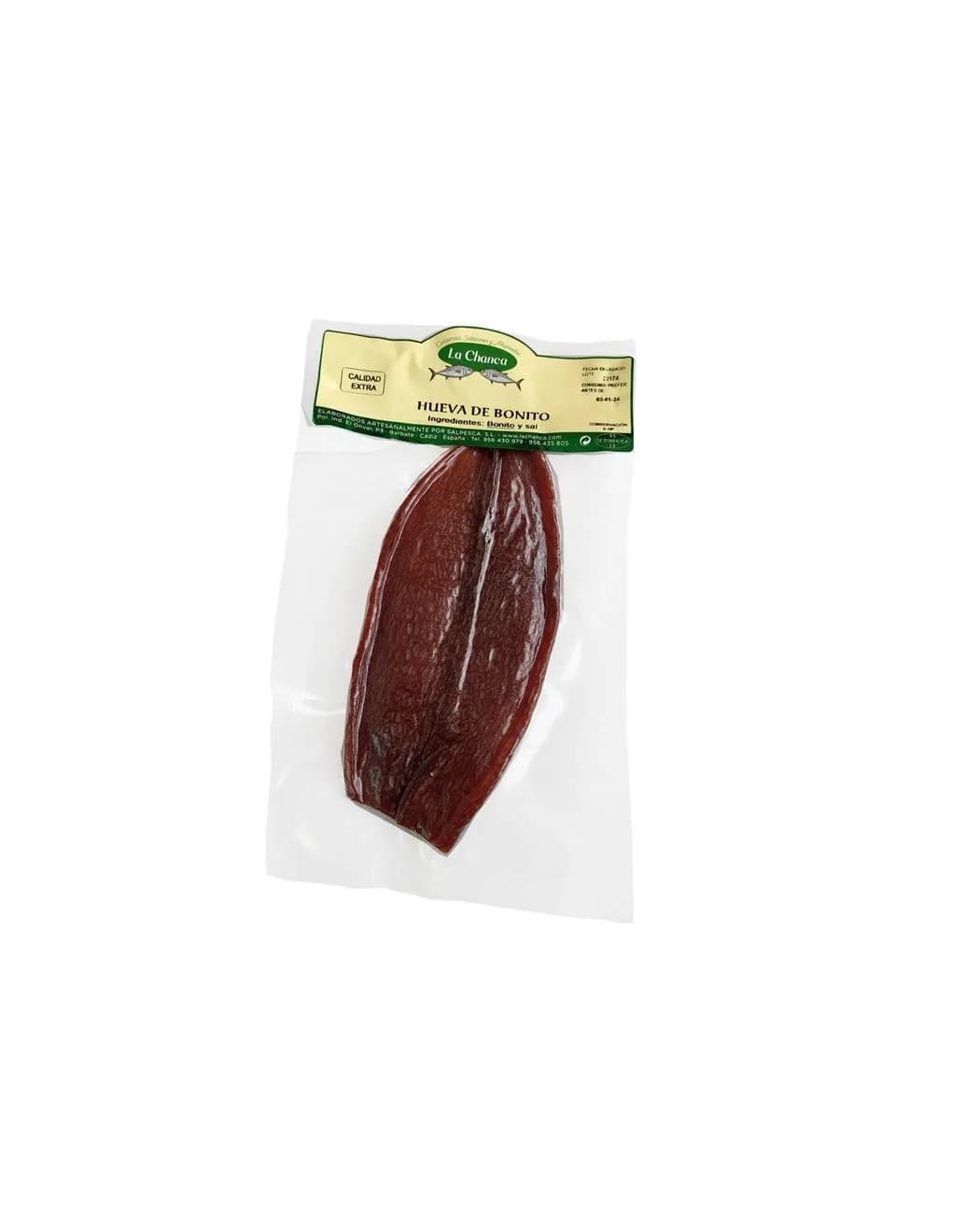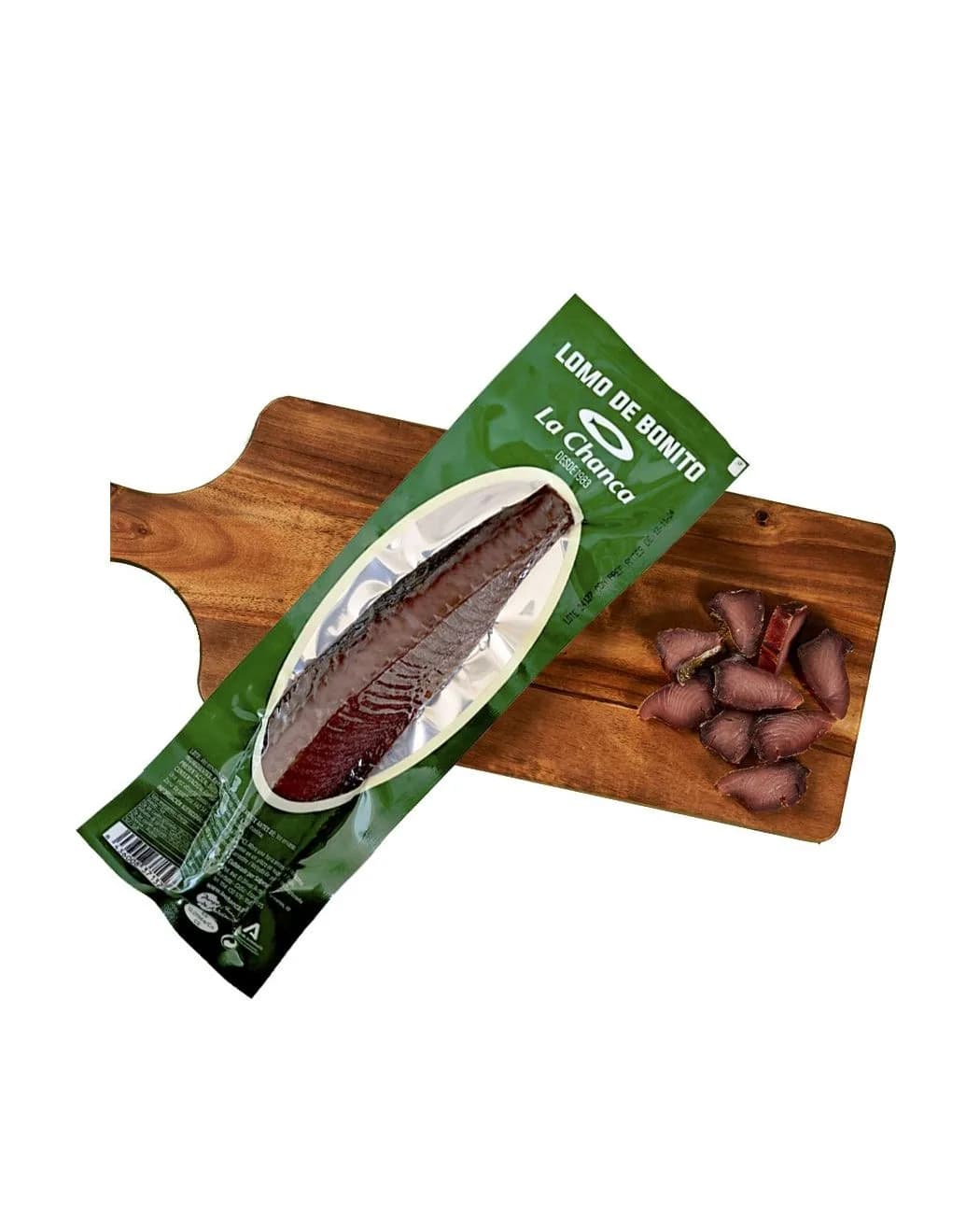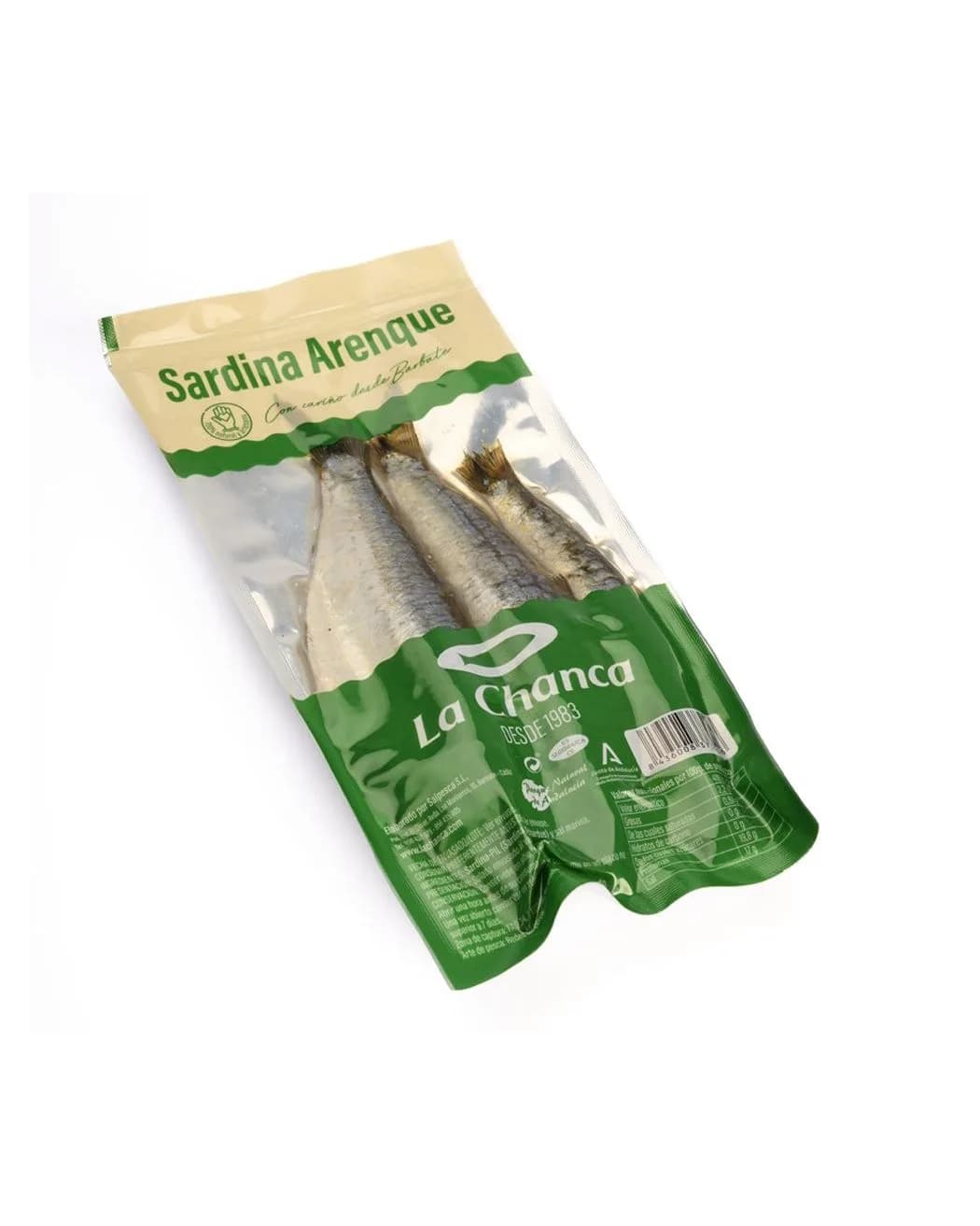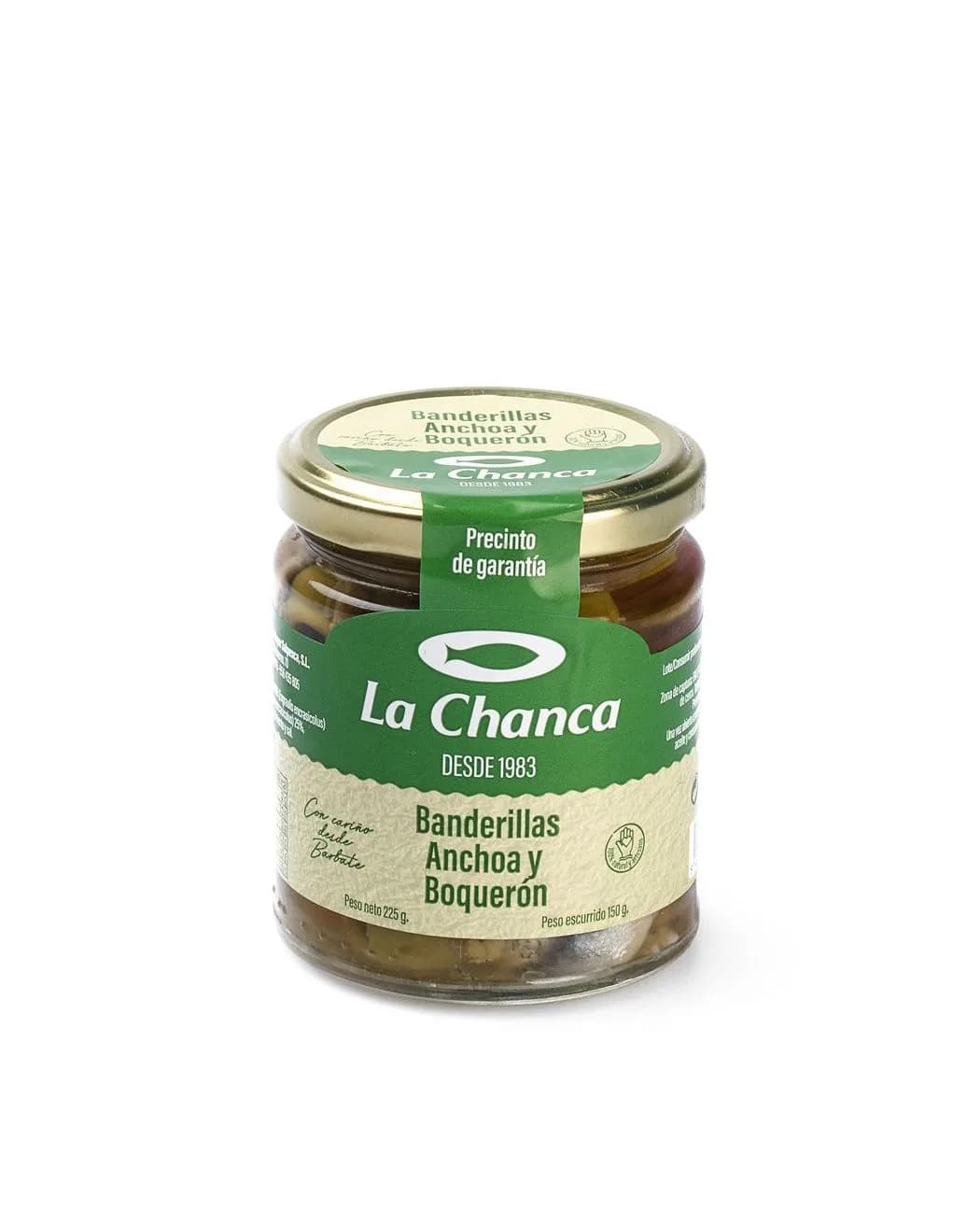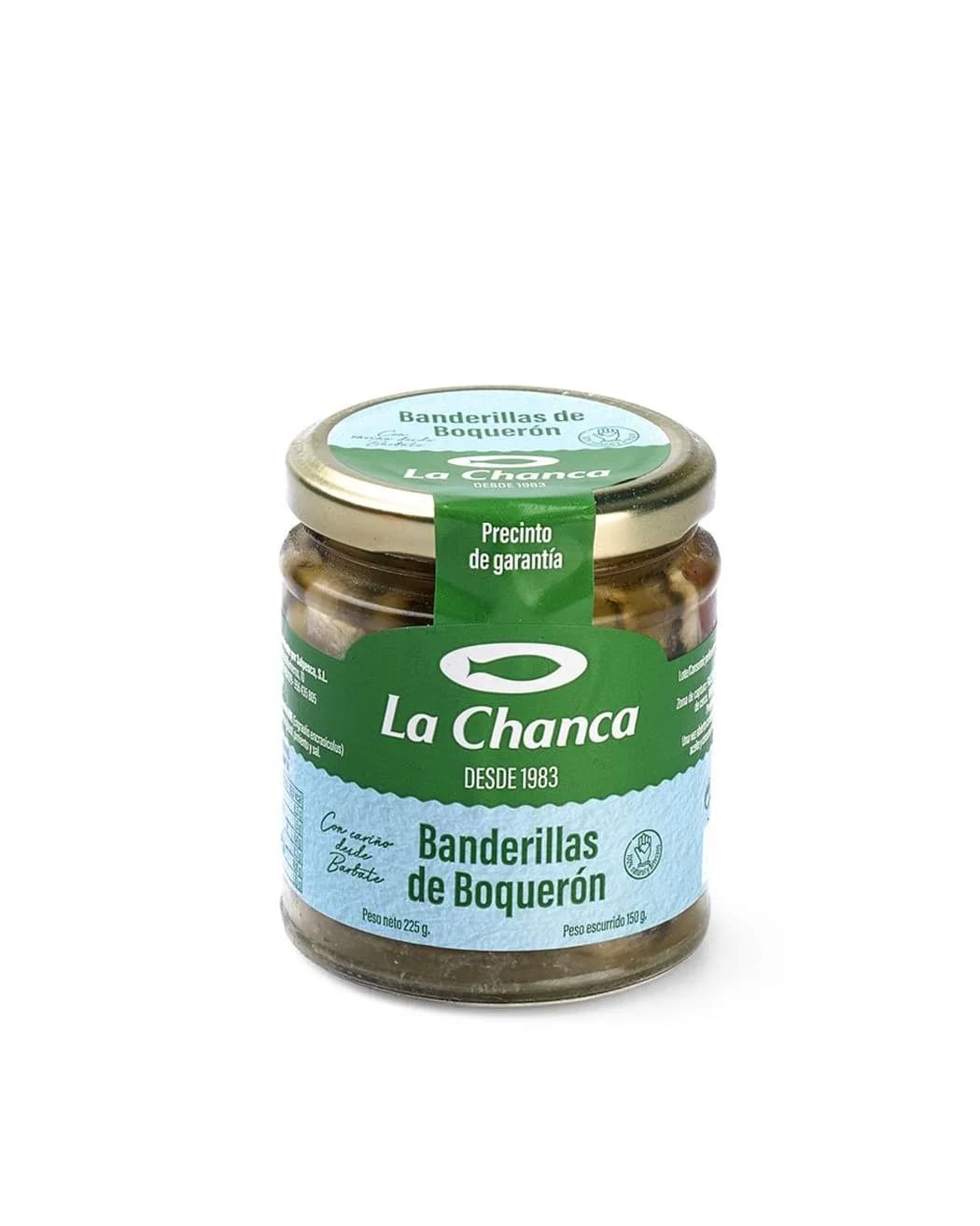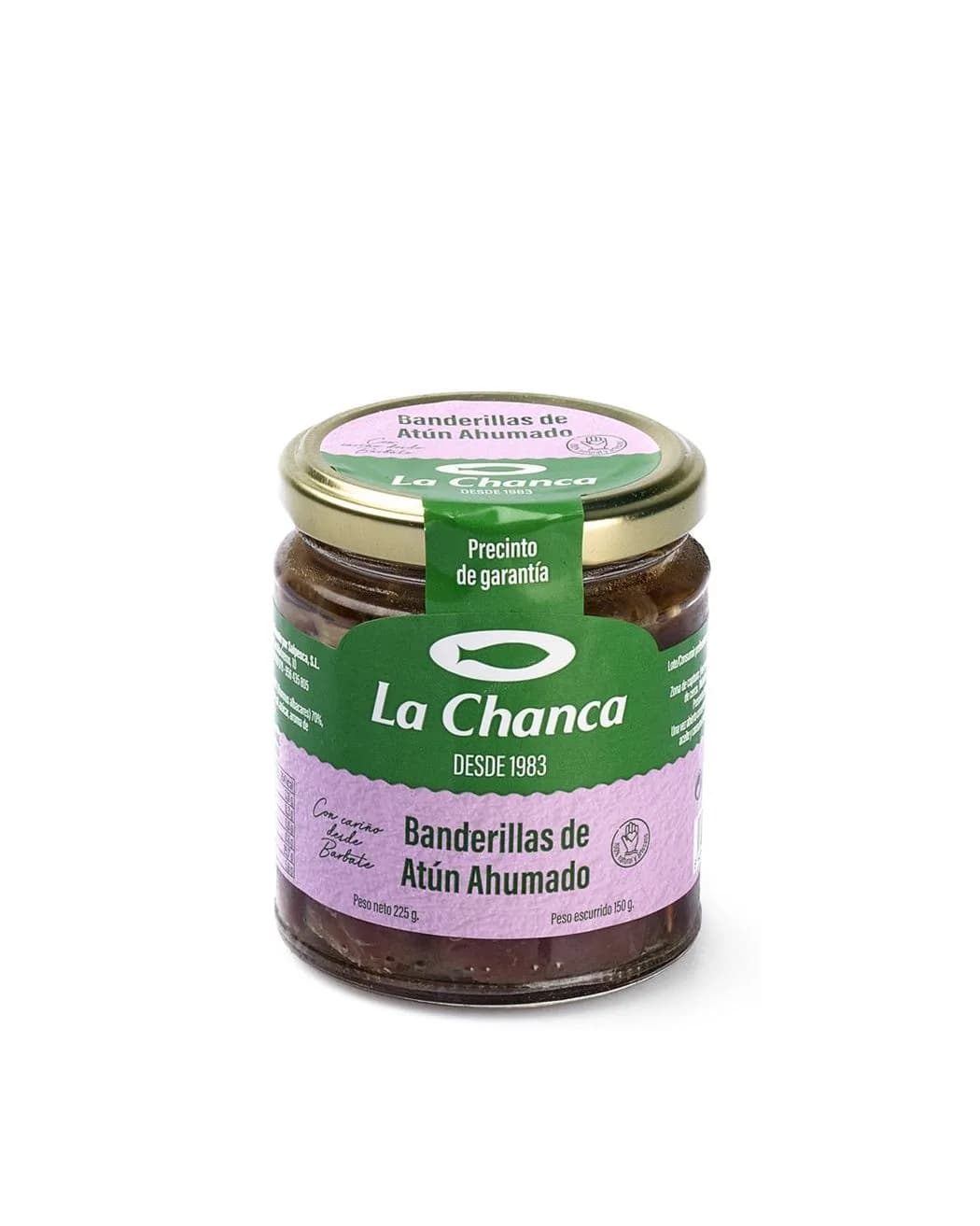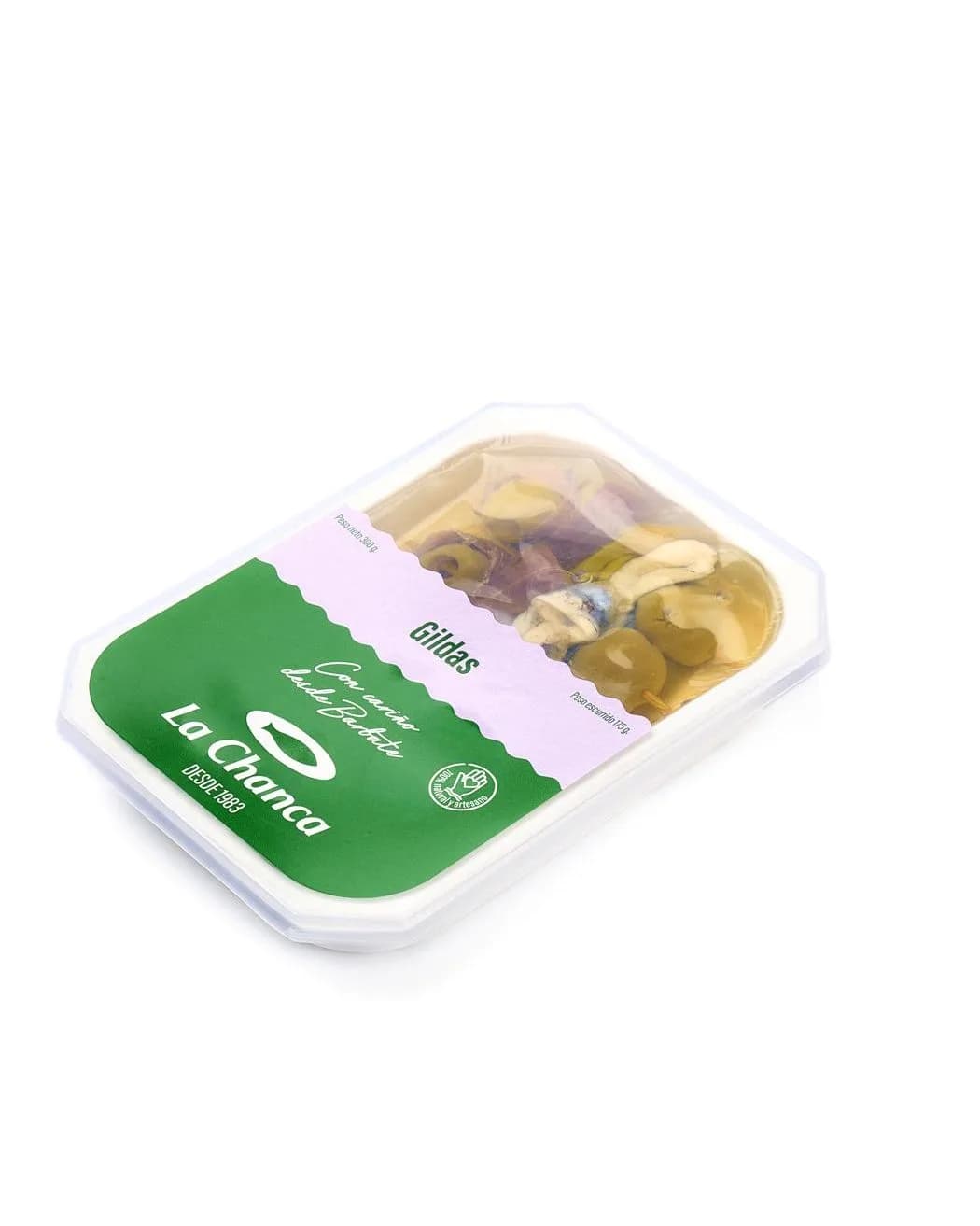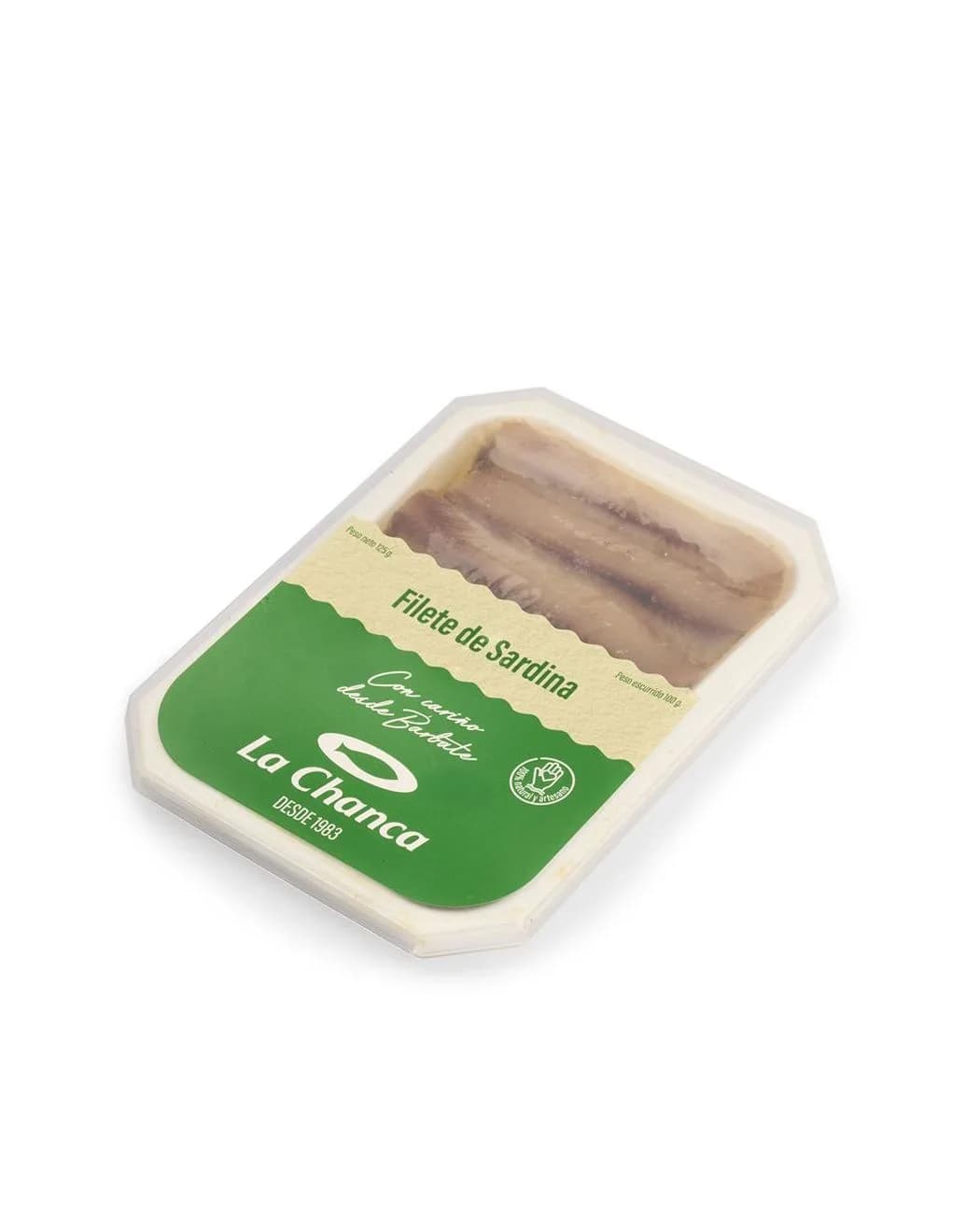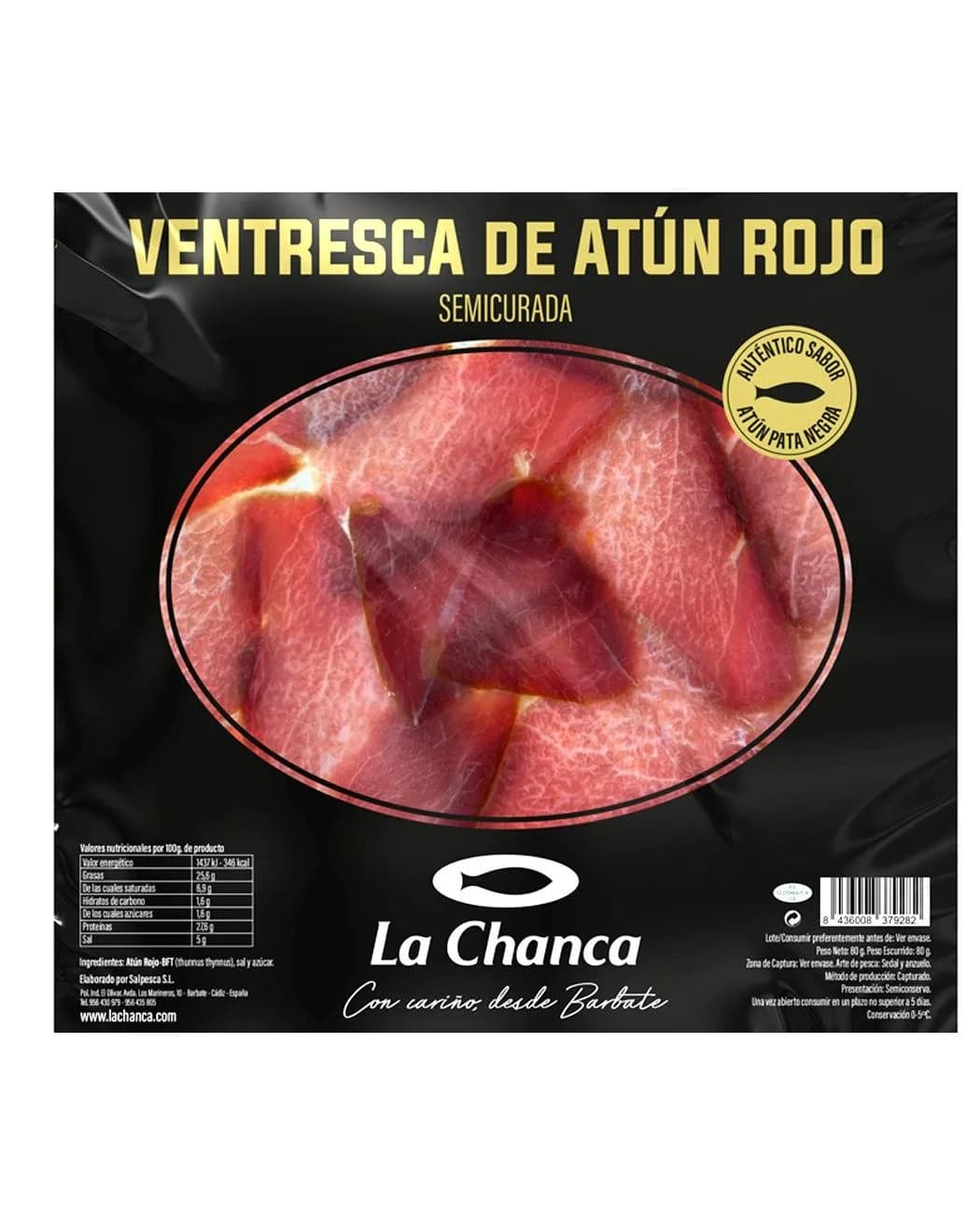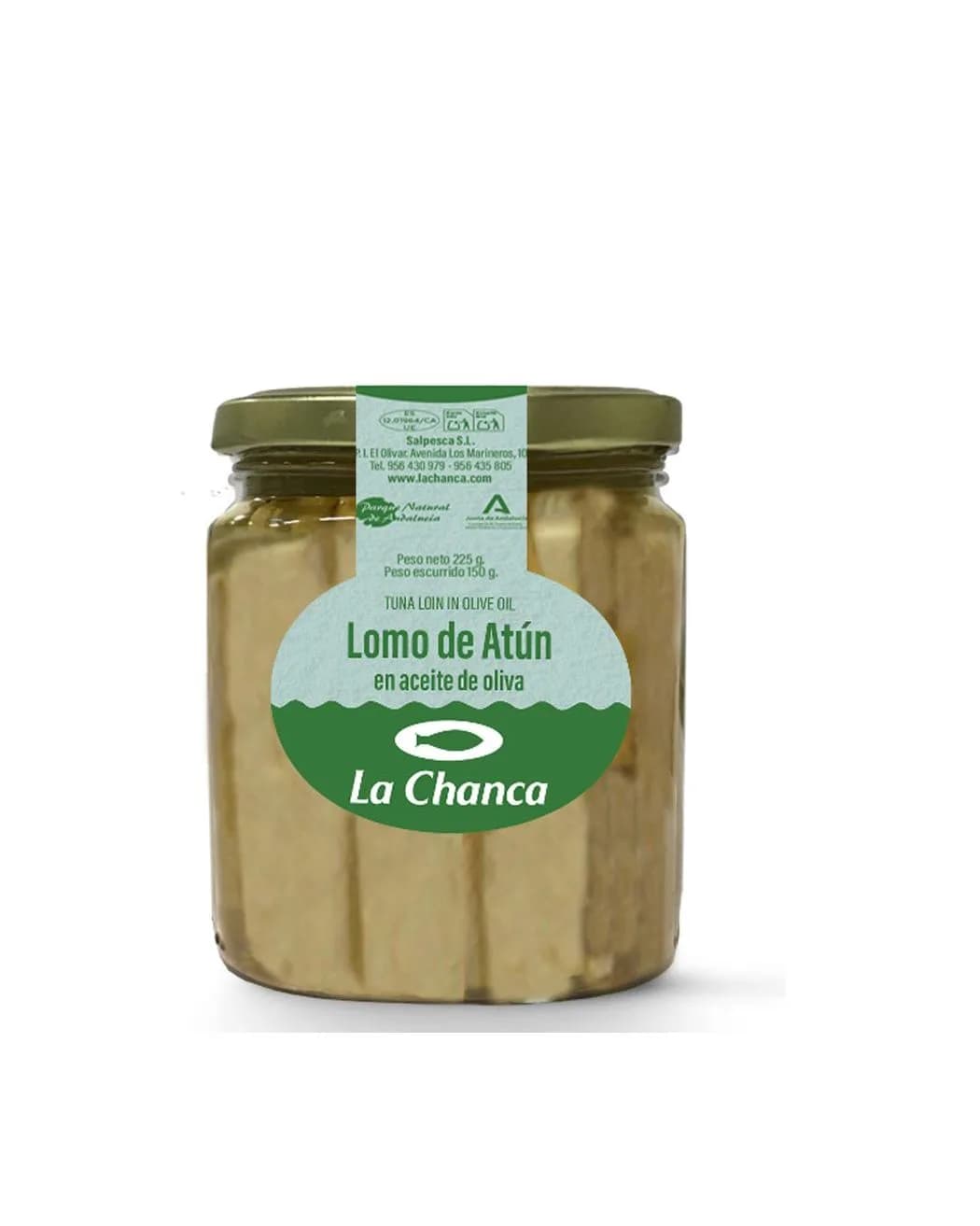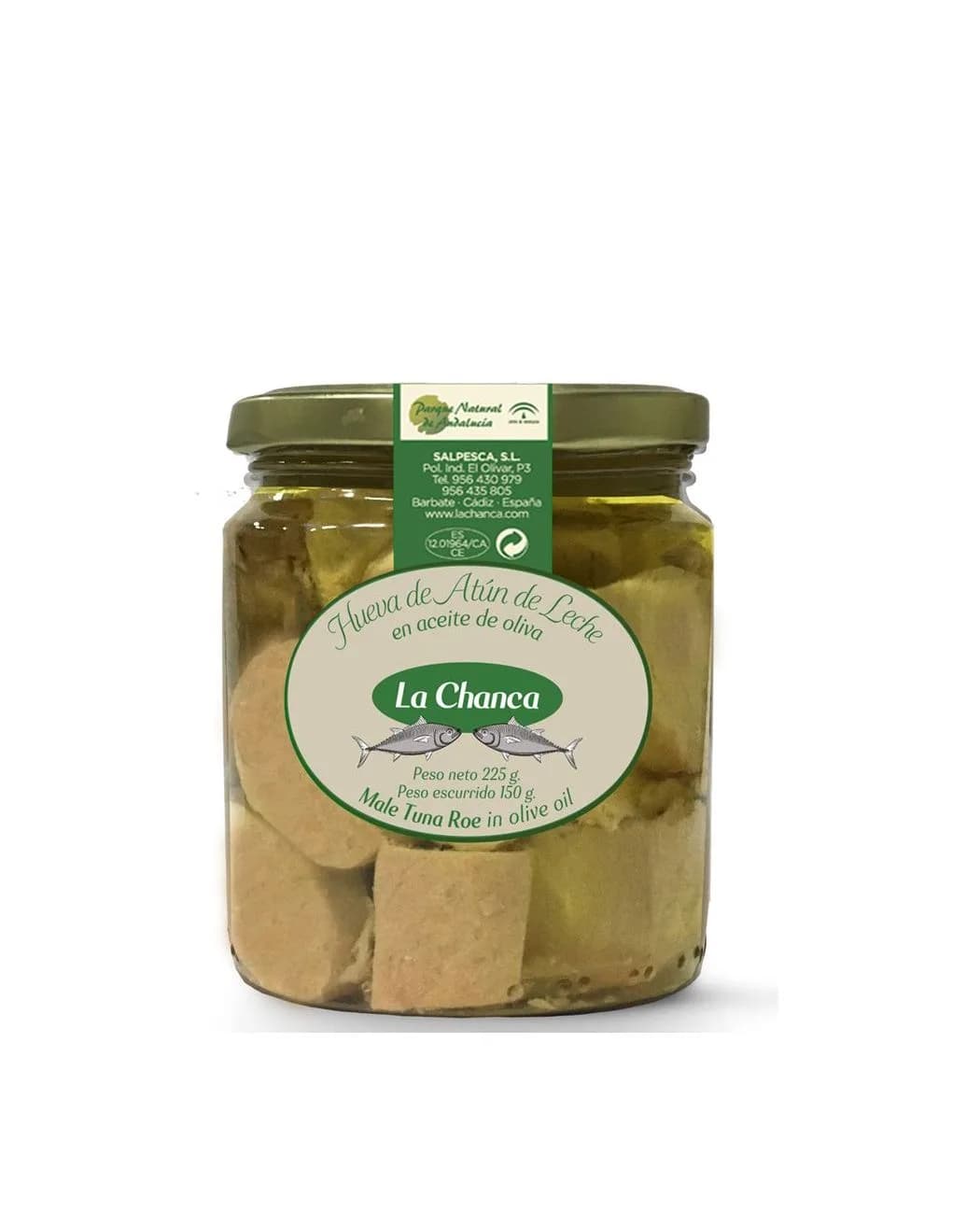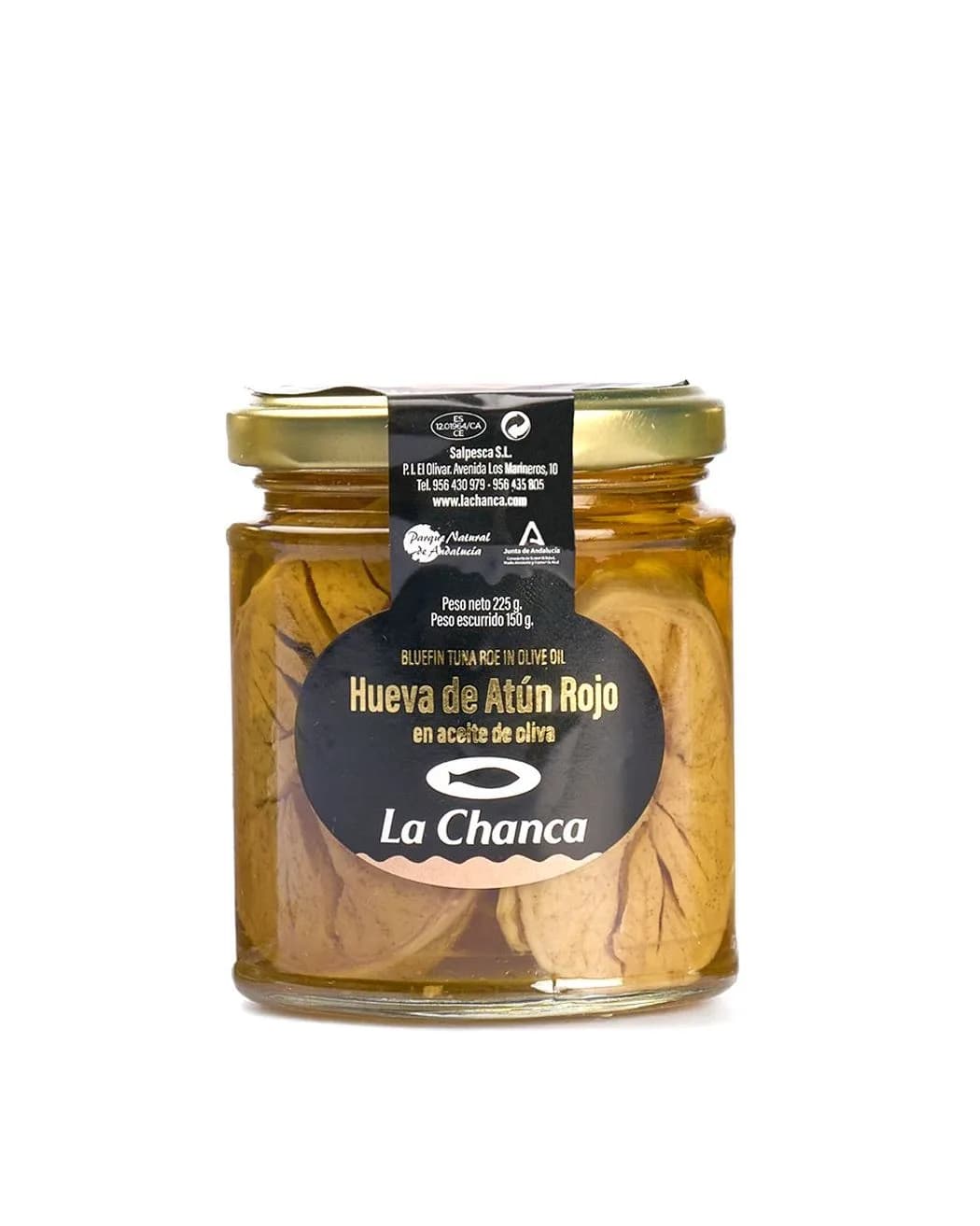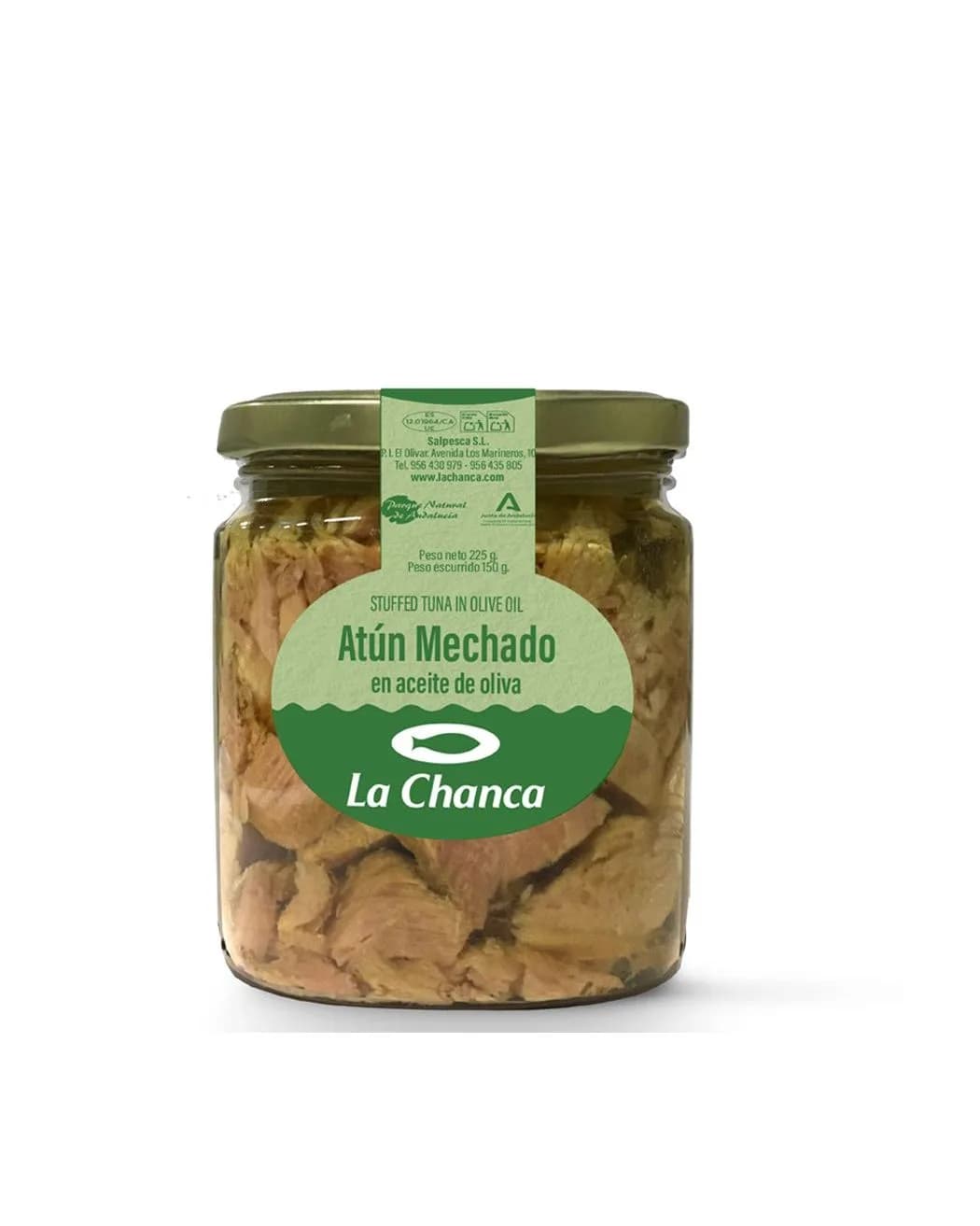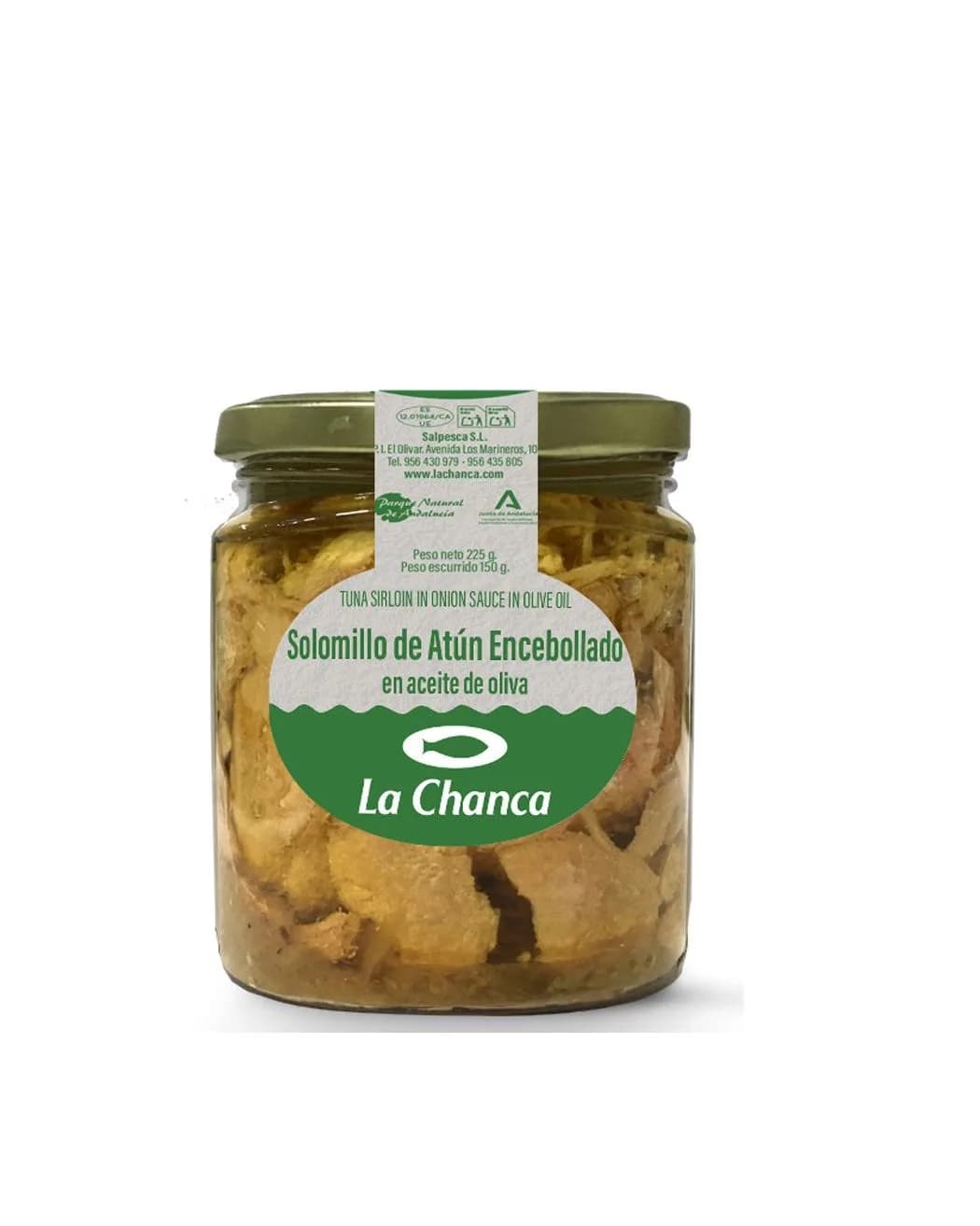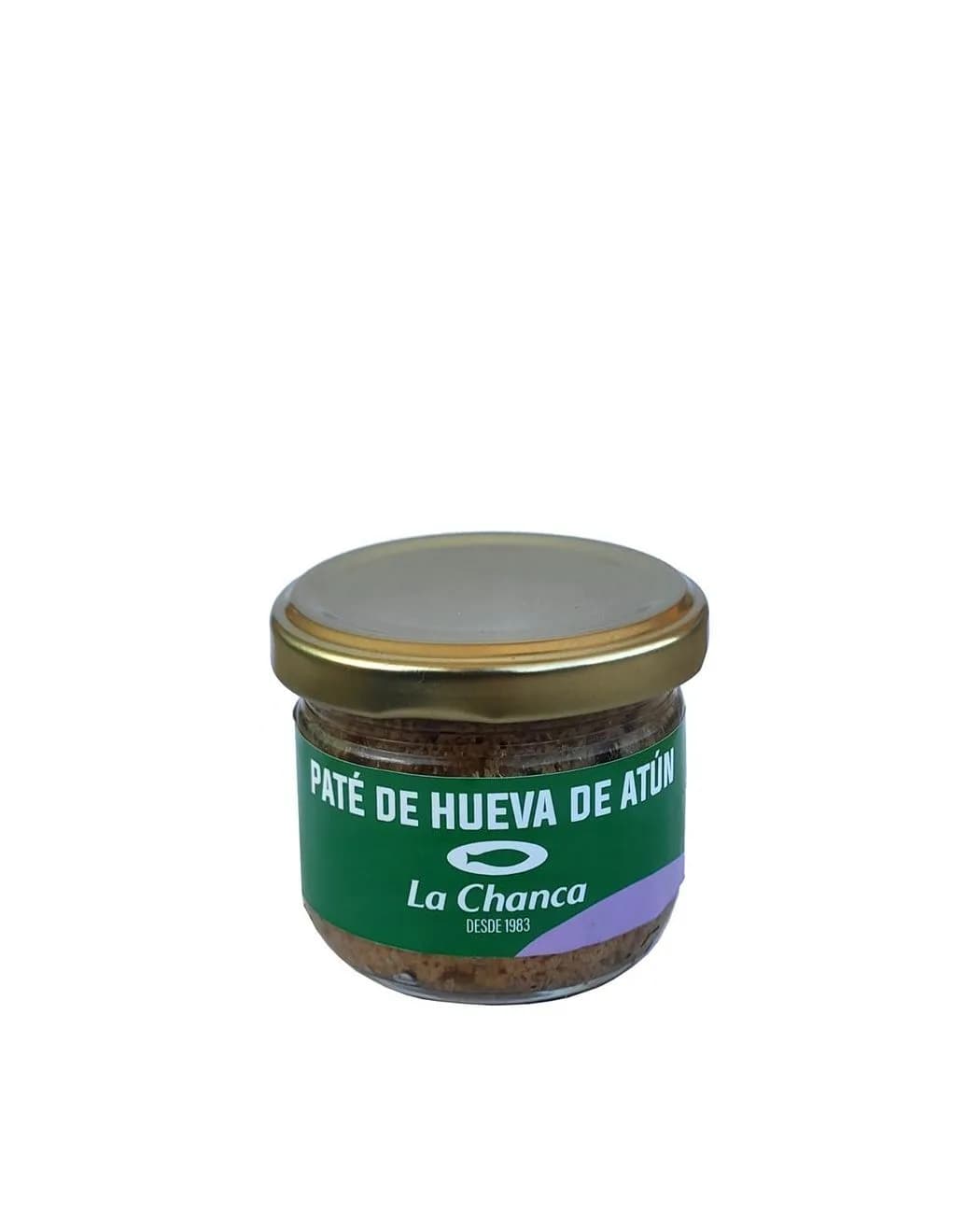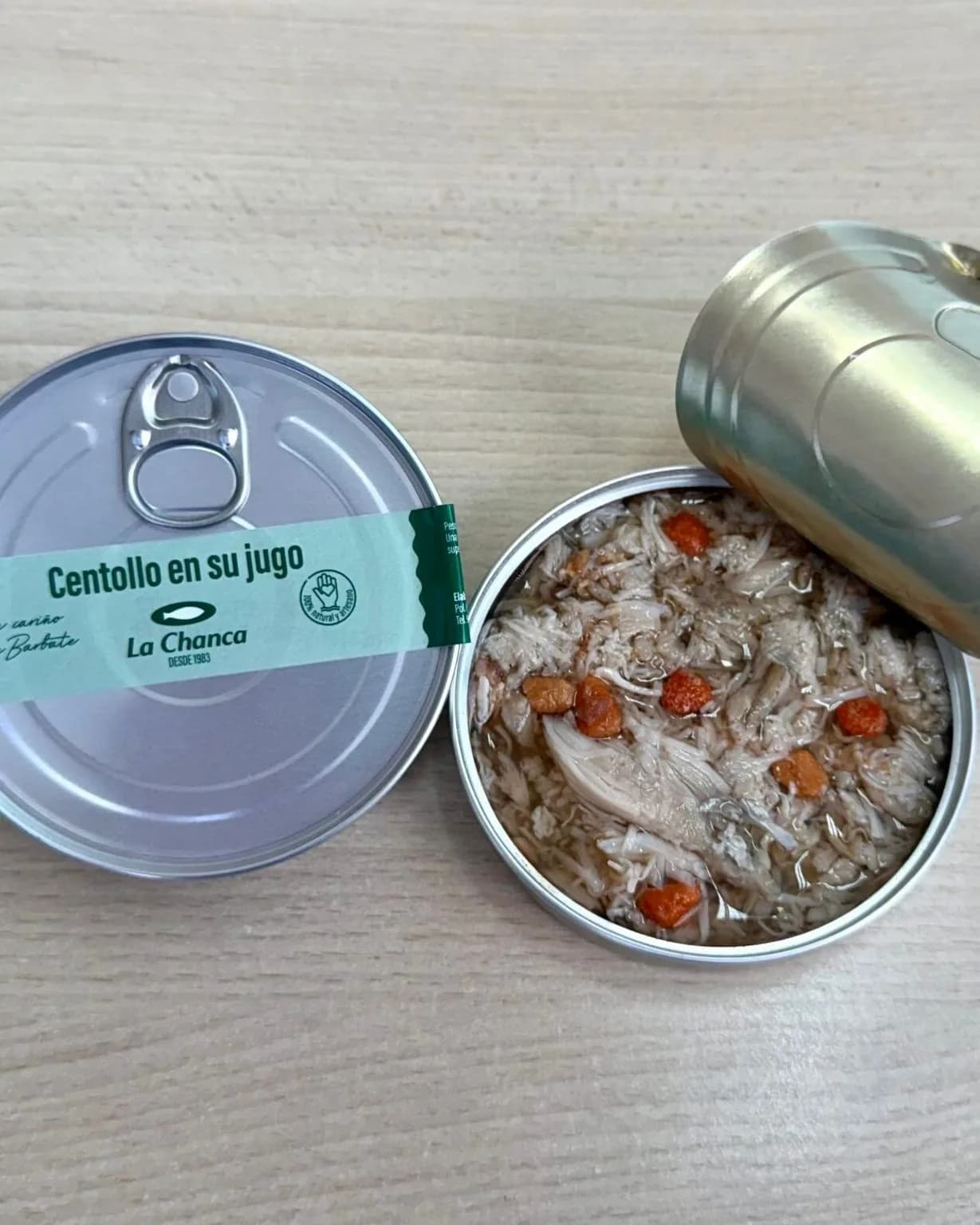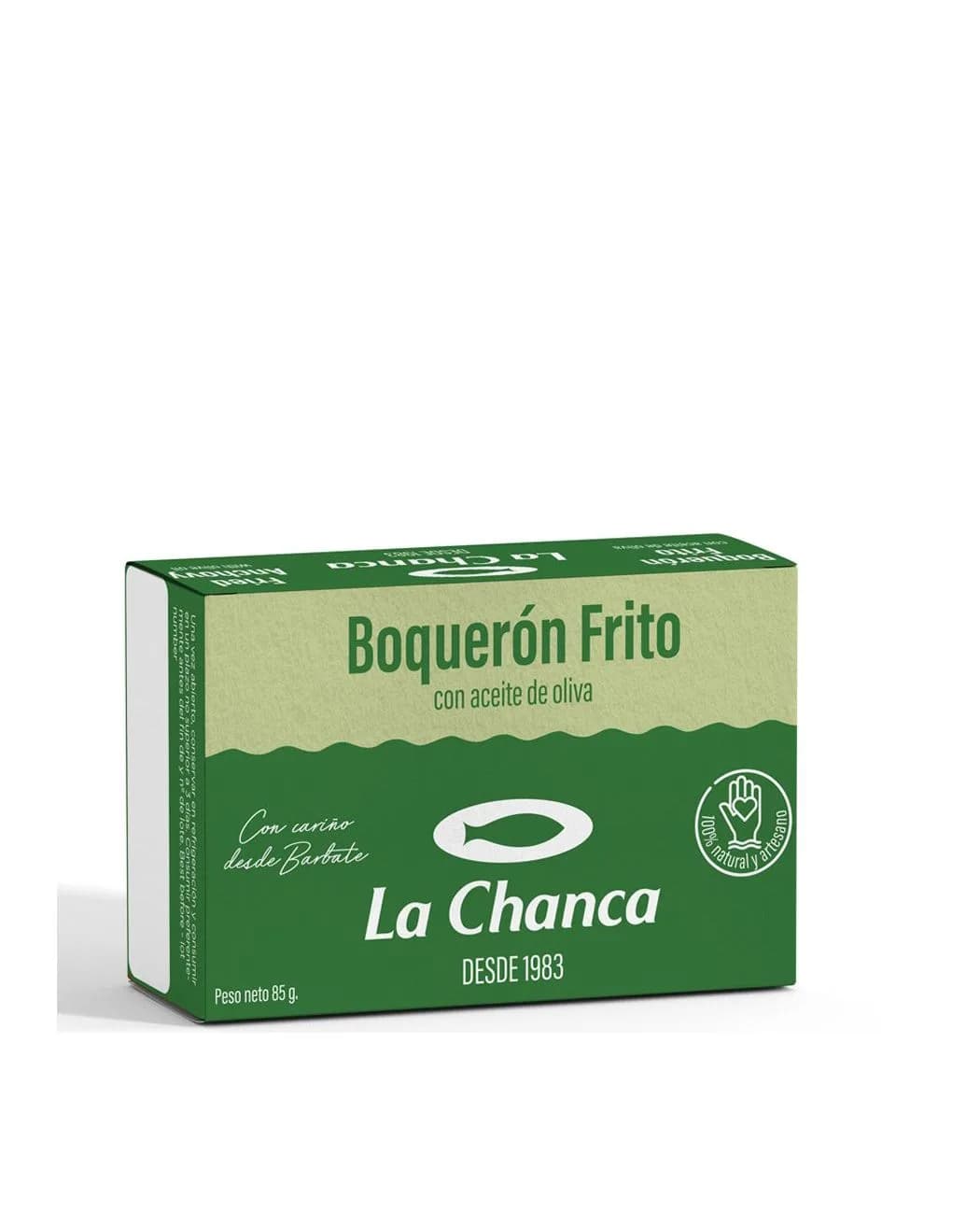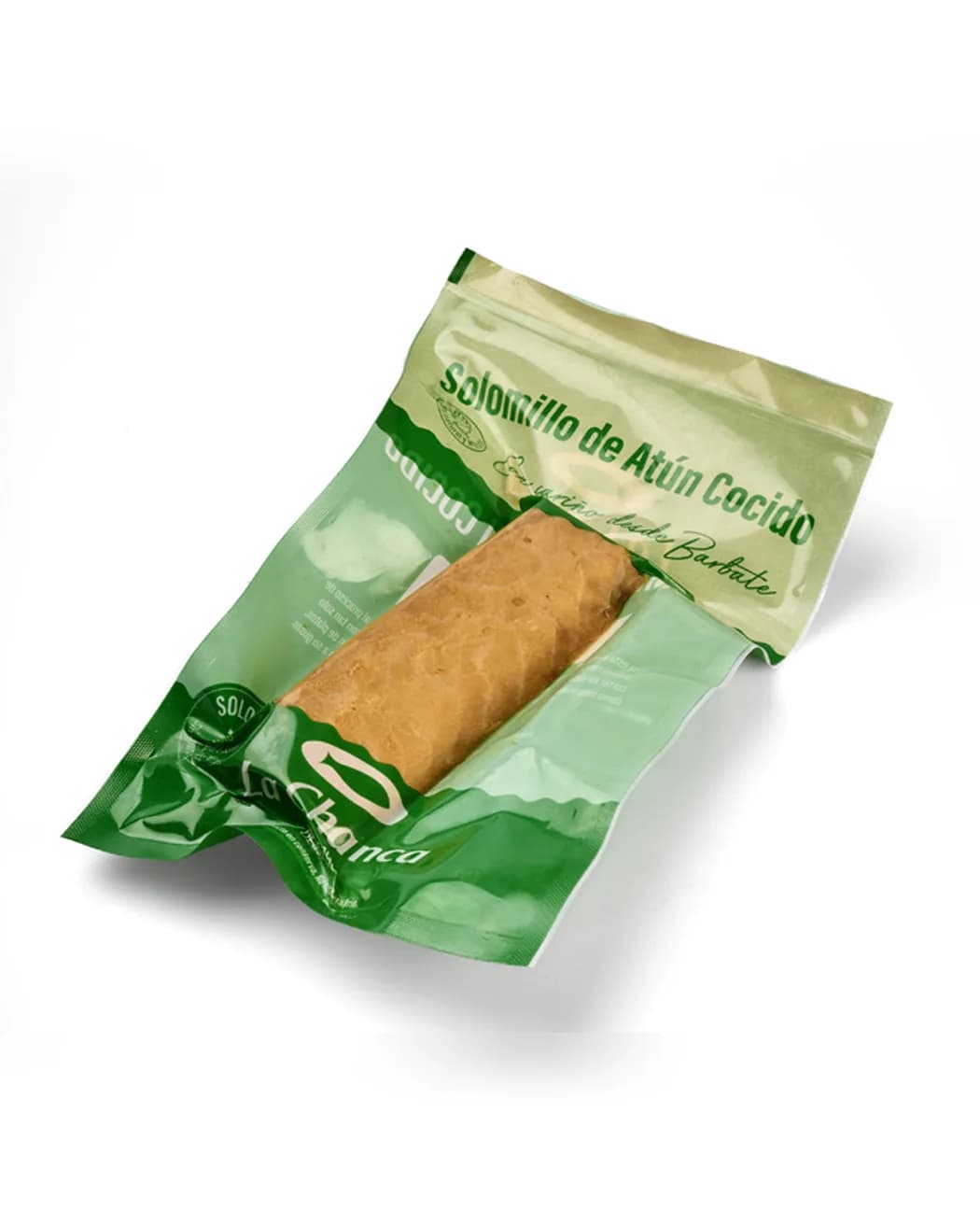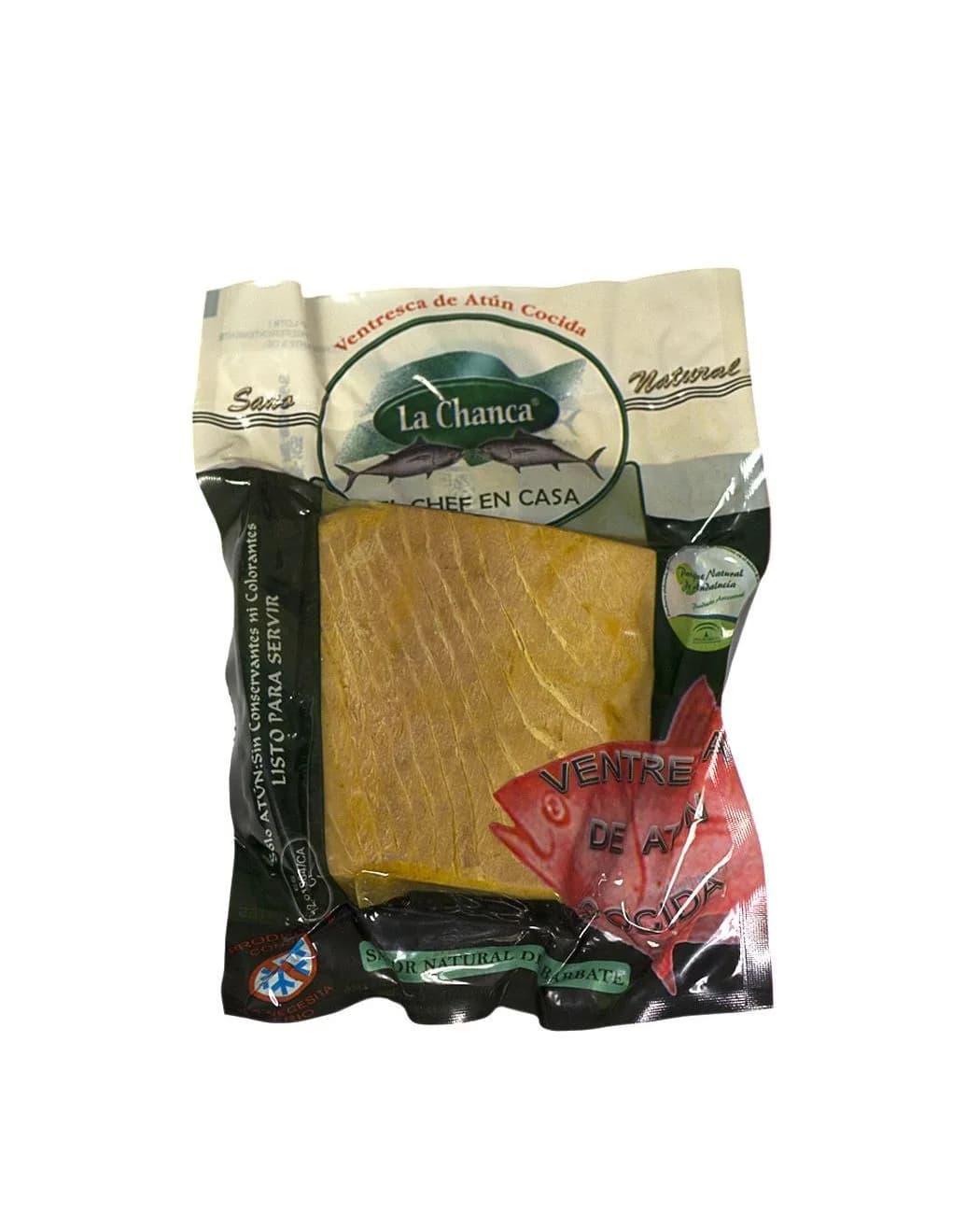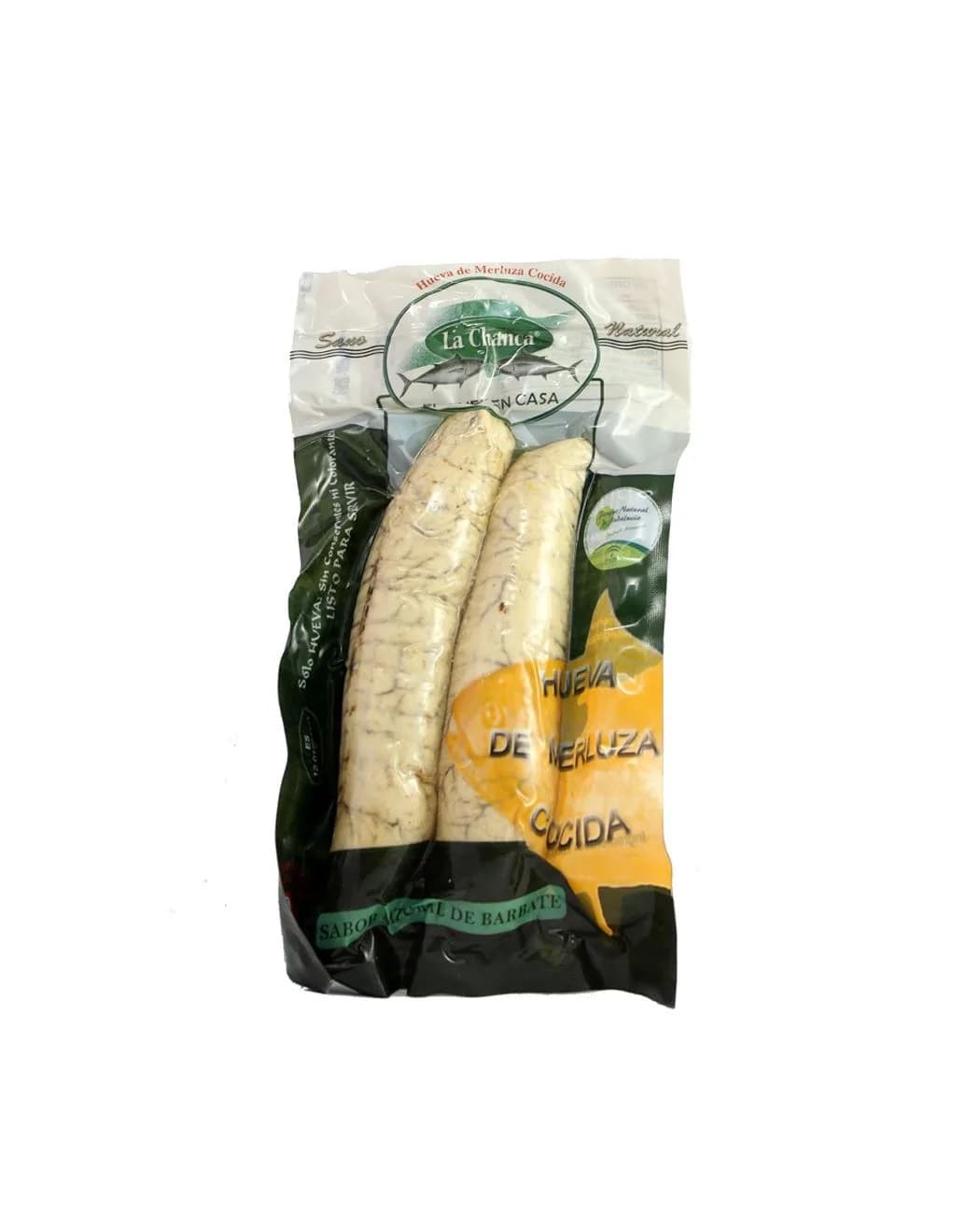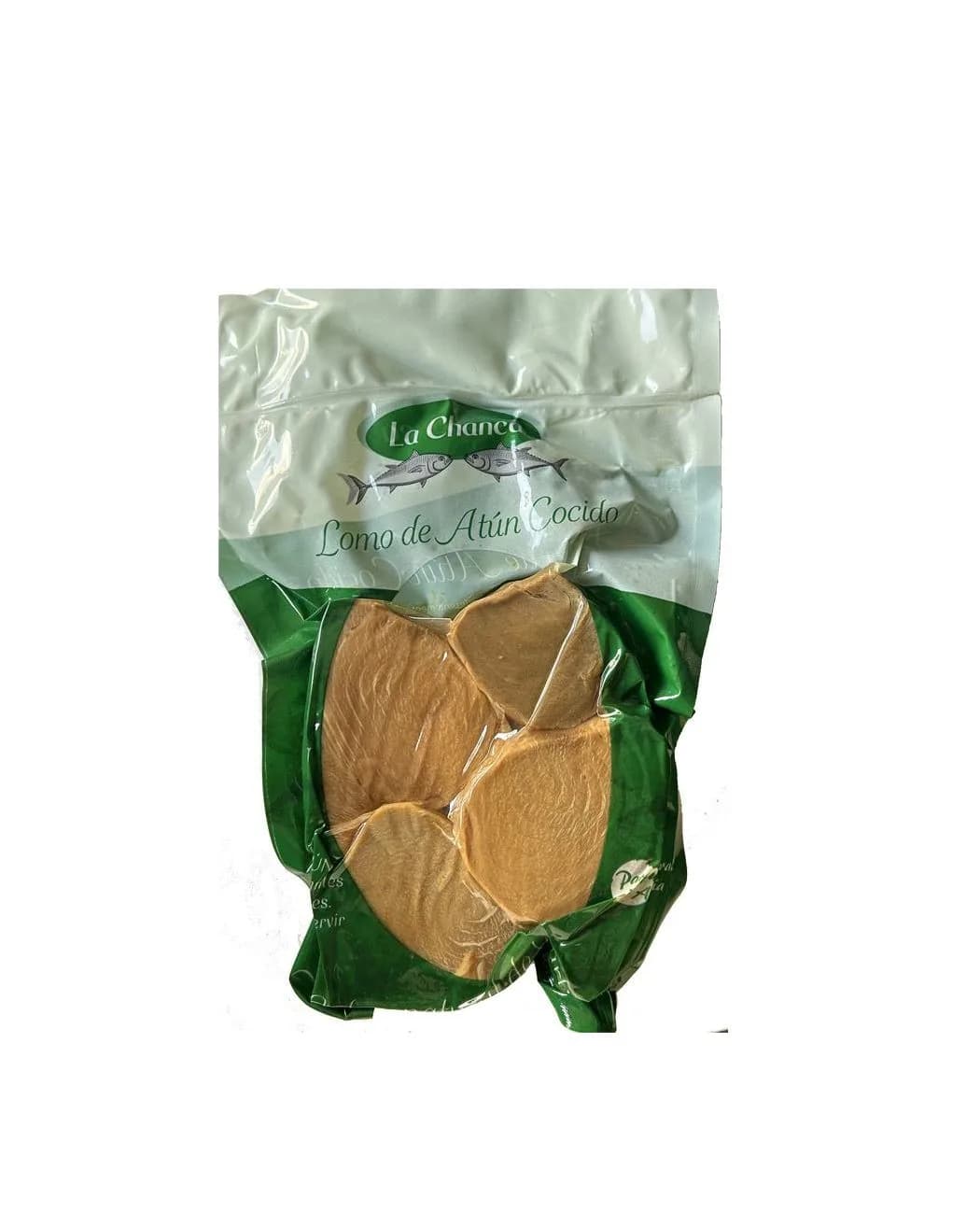
La Chanca began, the house says, in the mid 1950s, with sardines in a small salting house in Barbate. The Cádiz food magazine Cosas de Comé puts the start ten years earlier, when a Barbate butcher tried his luck with fish in the gaps left by the Consorcio Nacional Almadrabero, the tuna monopoly shared by the state and the trap companies: salted sardines and melva. A room of the company's museum recreates the place where the grandfather of the Gómez family, Pepe Gómez Ureba, prepared sardinas arenques, sardines salted and pressed in the old way.
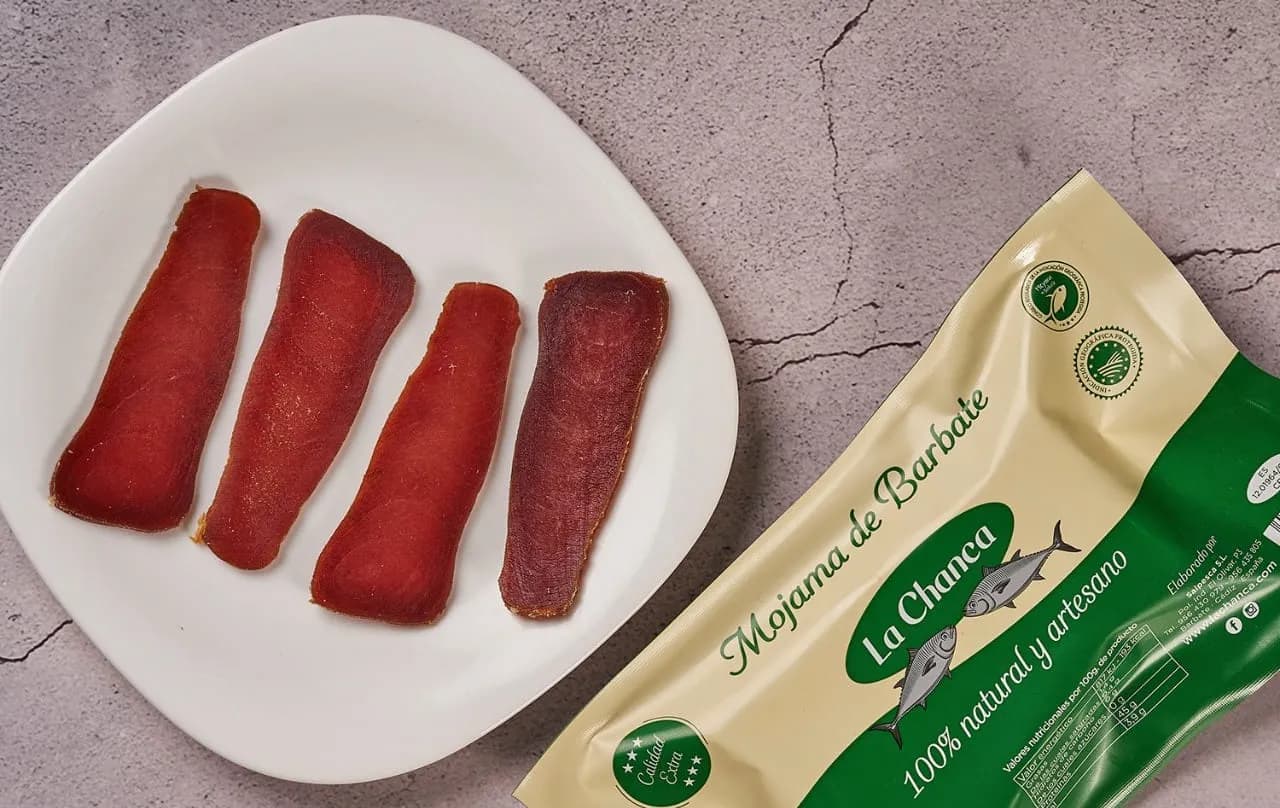
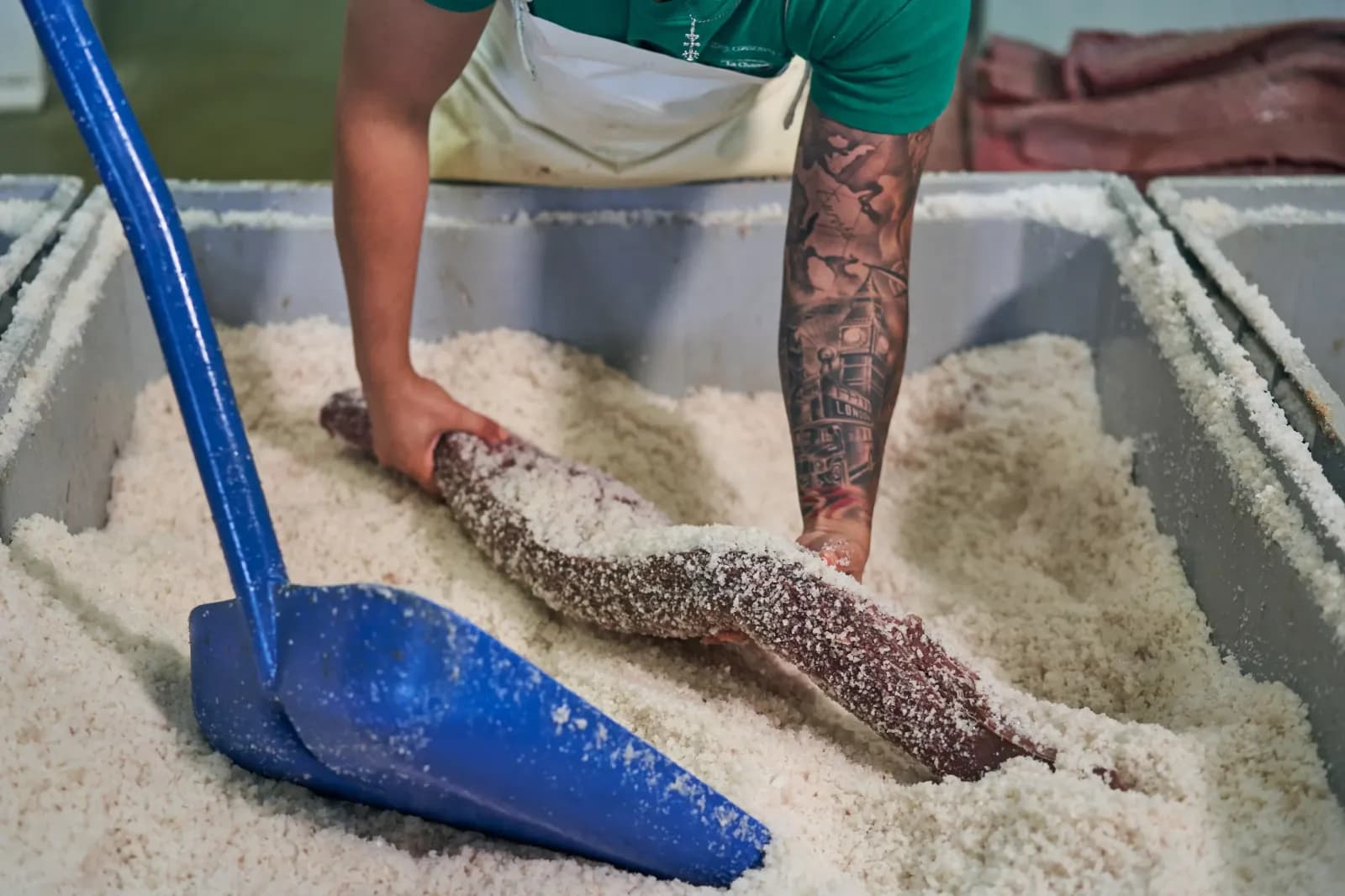
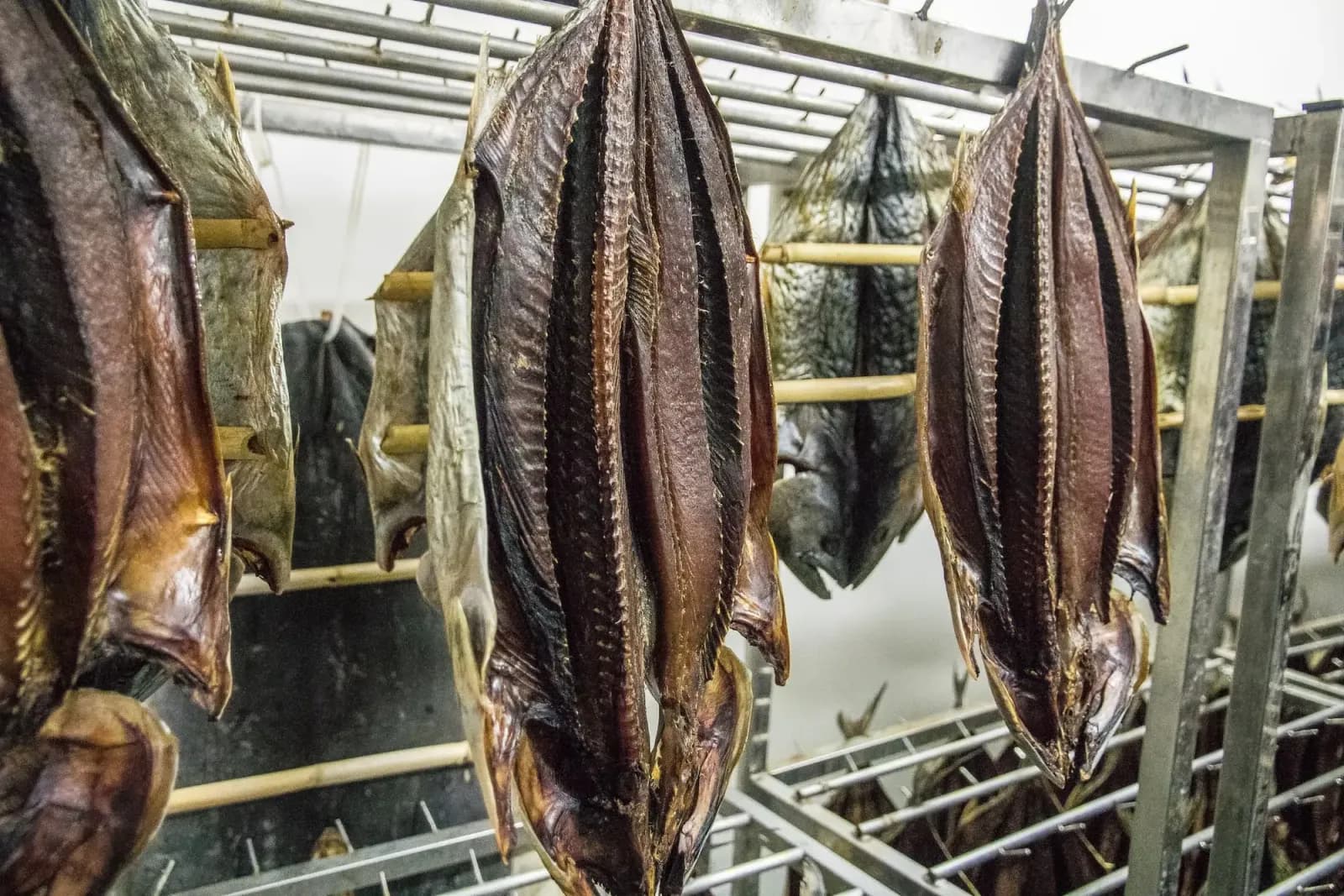
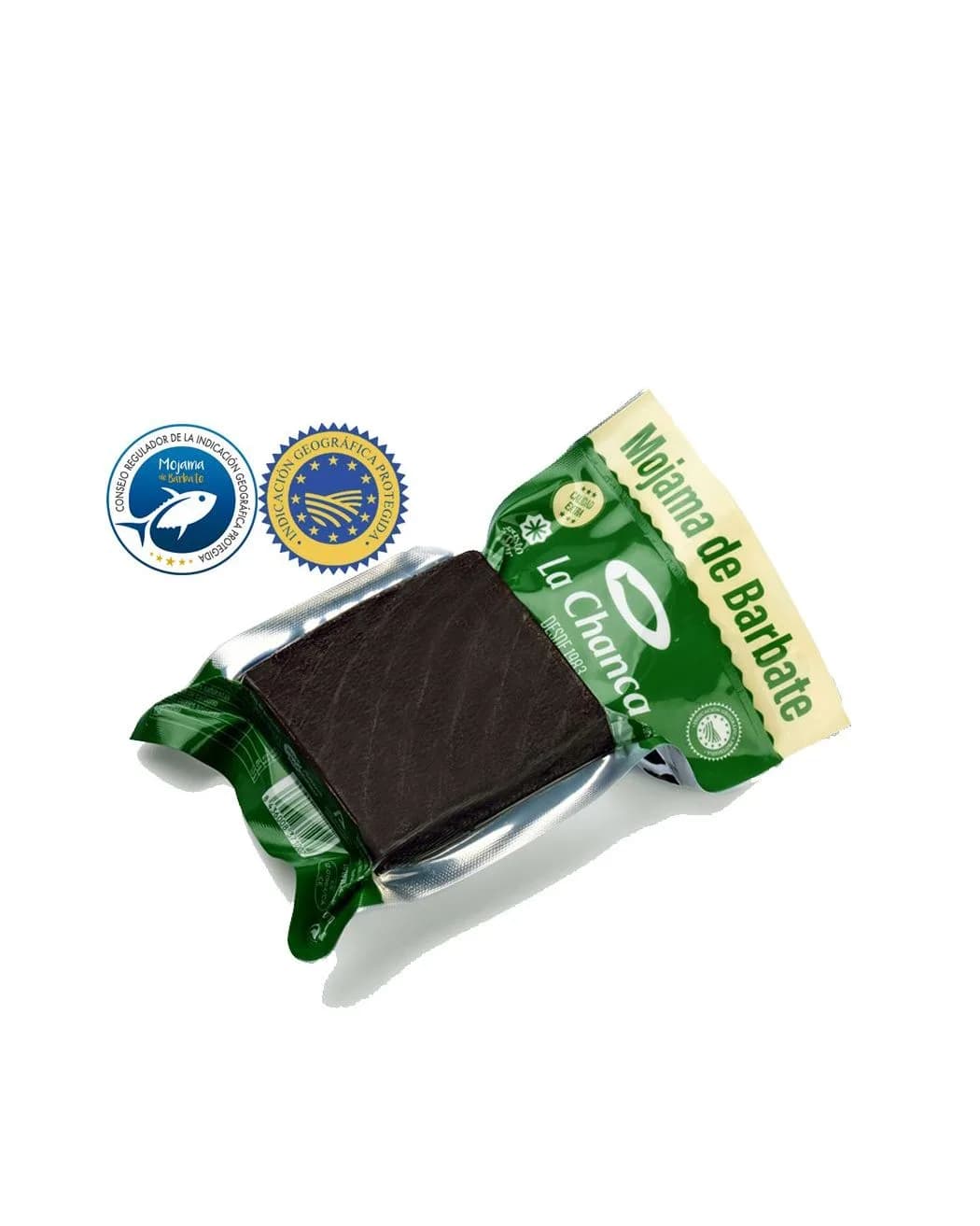
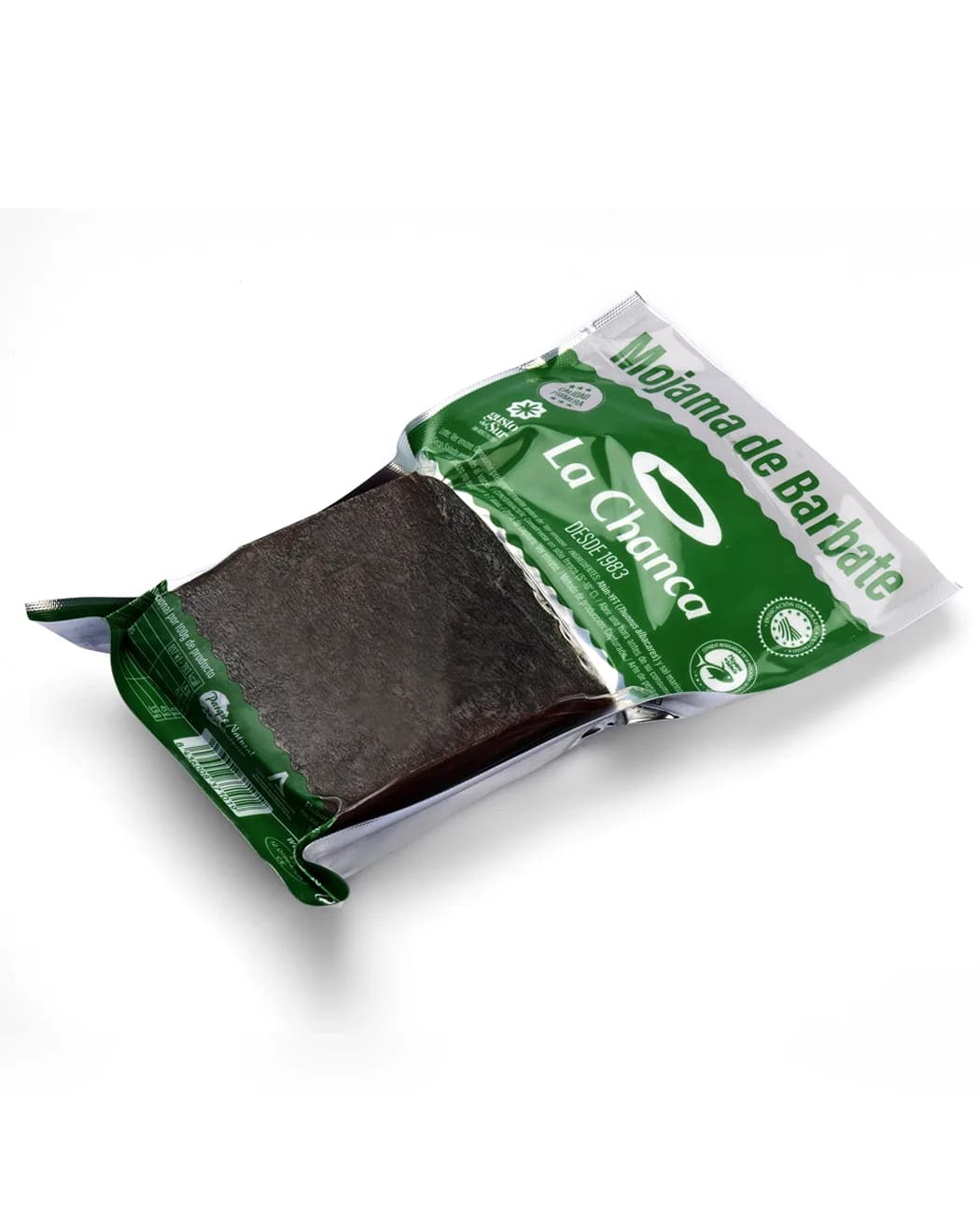
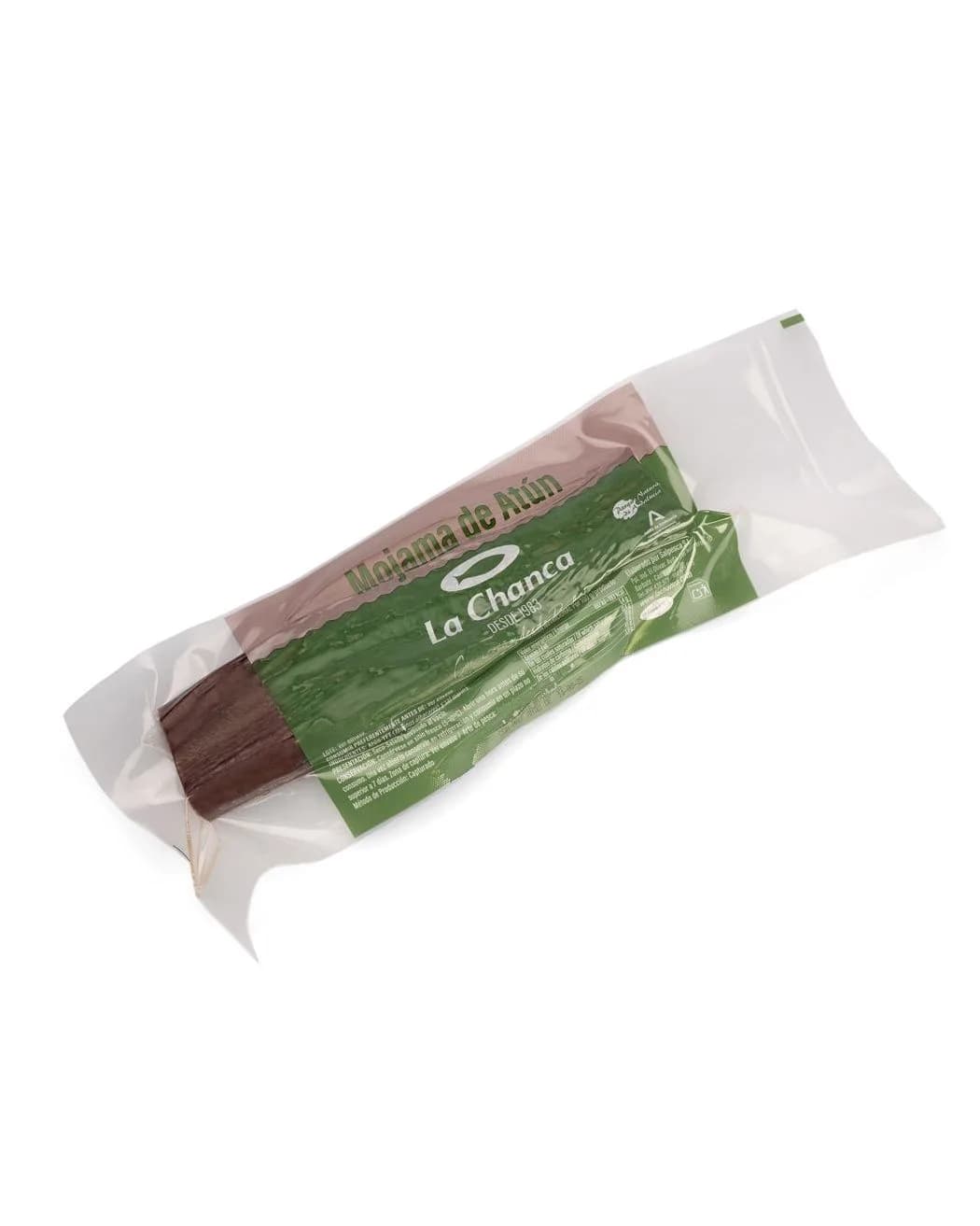
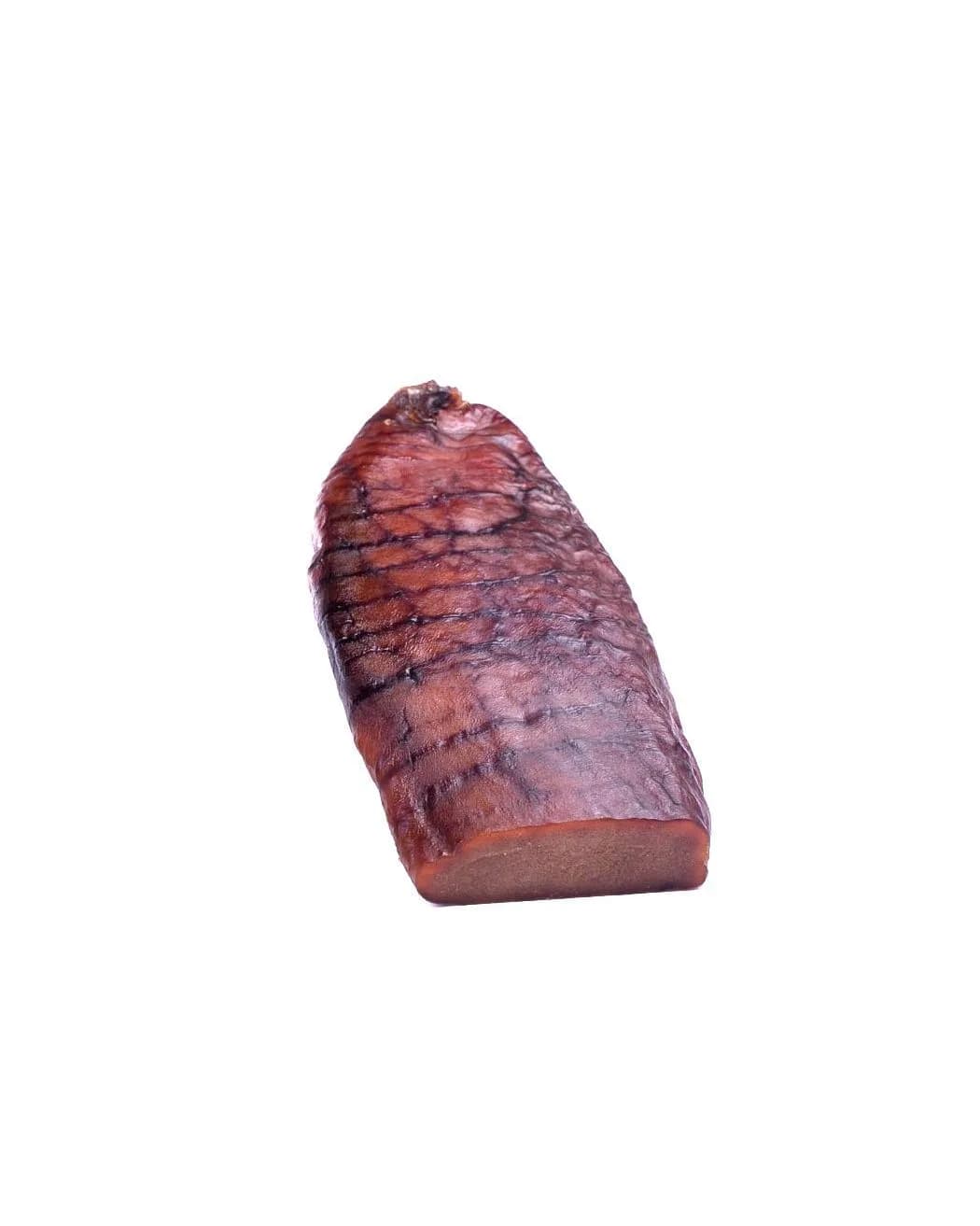
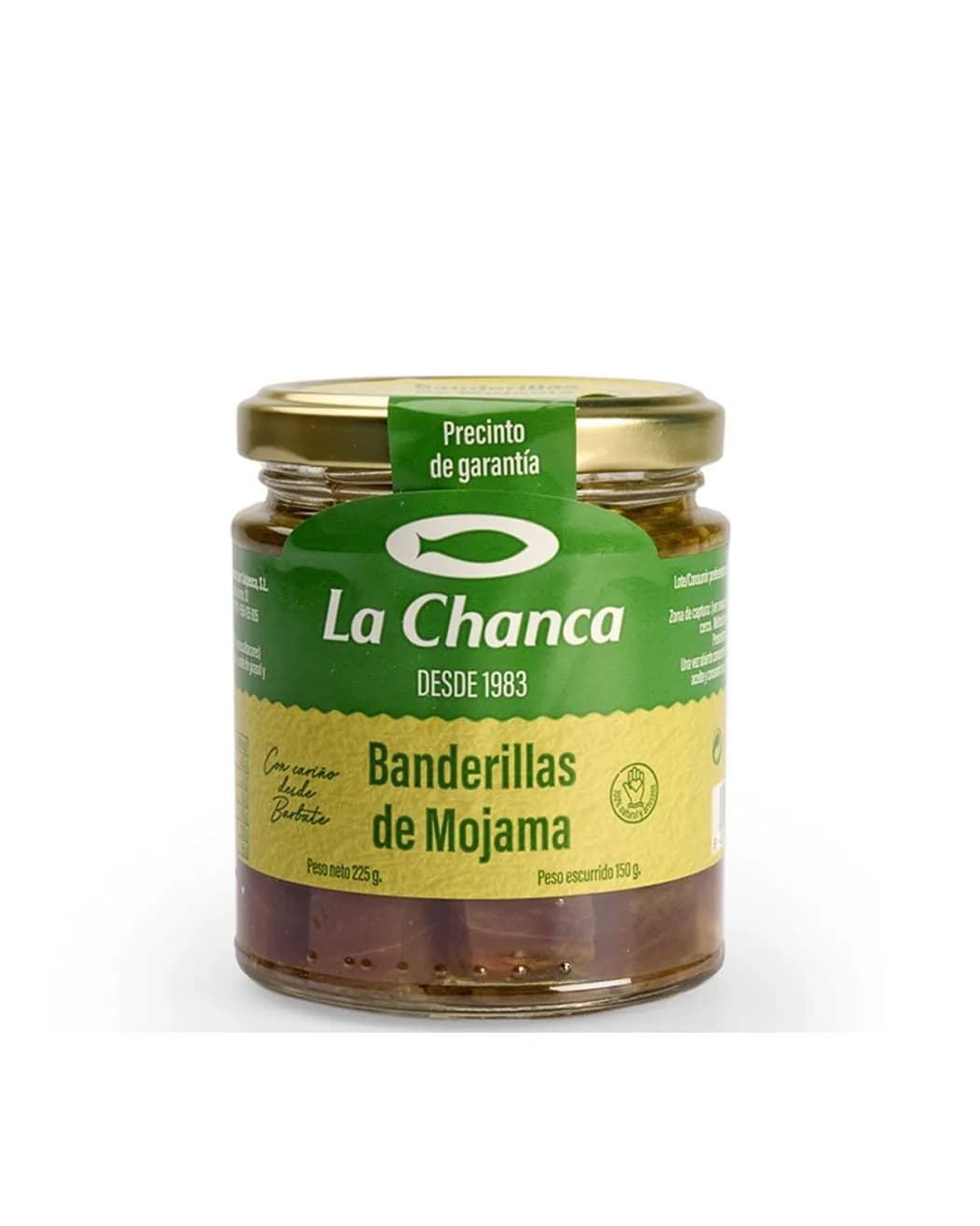
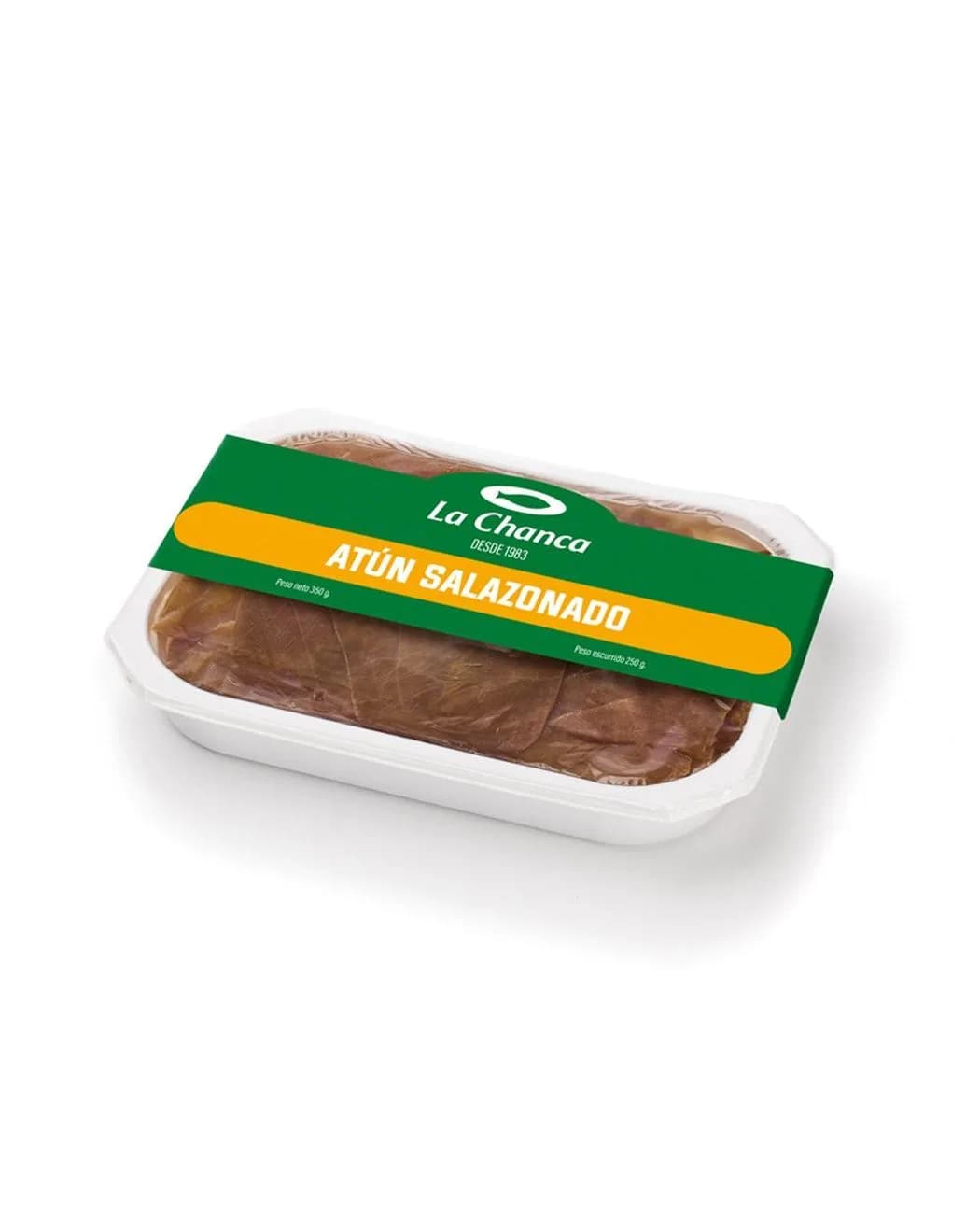
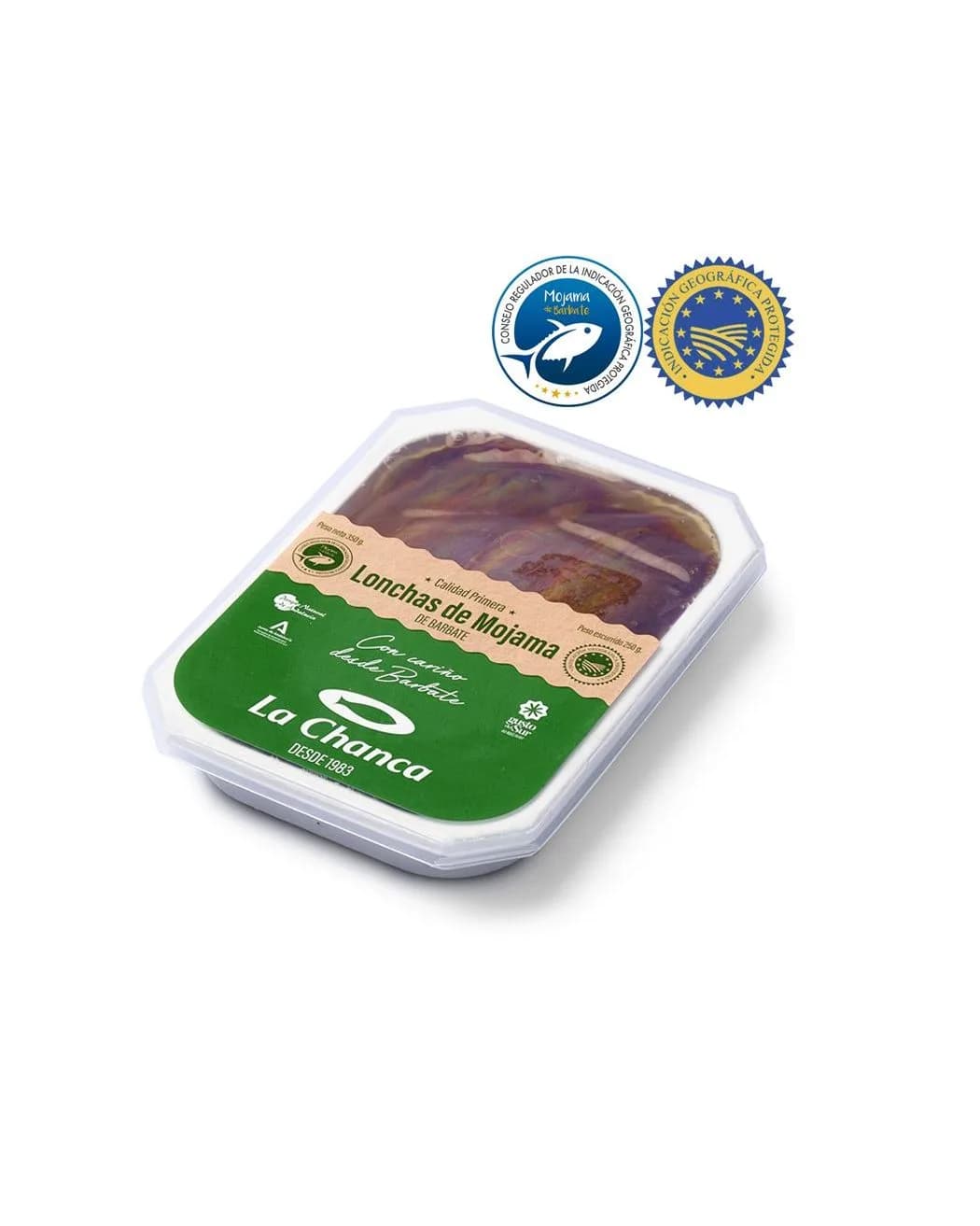
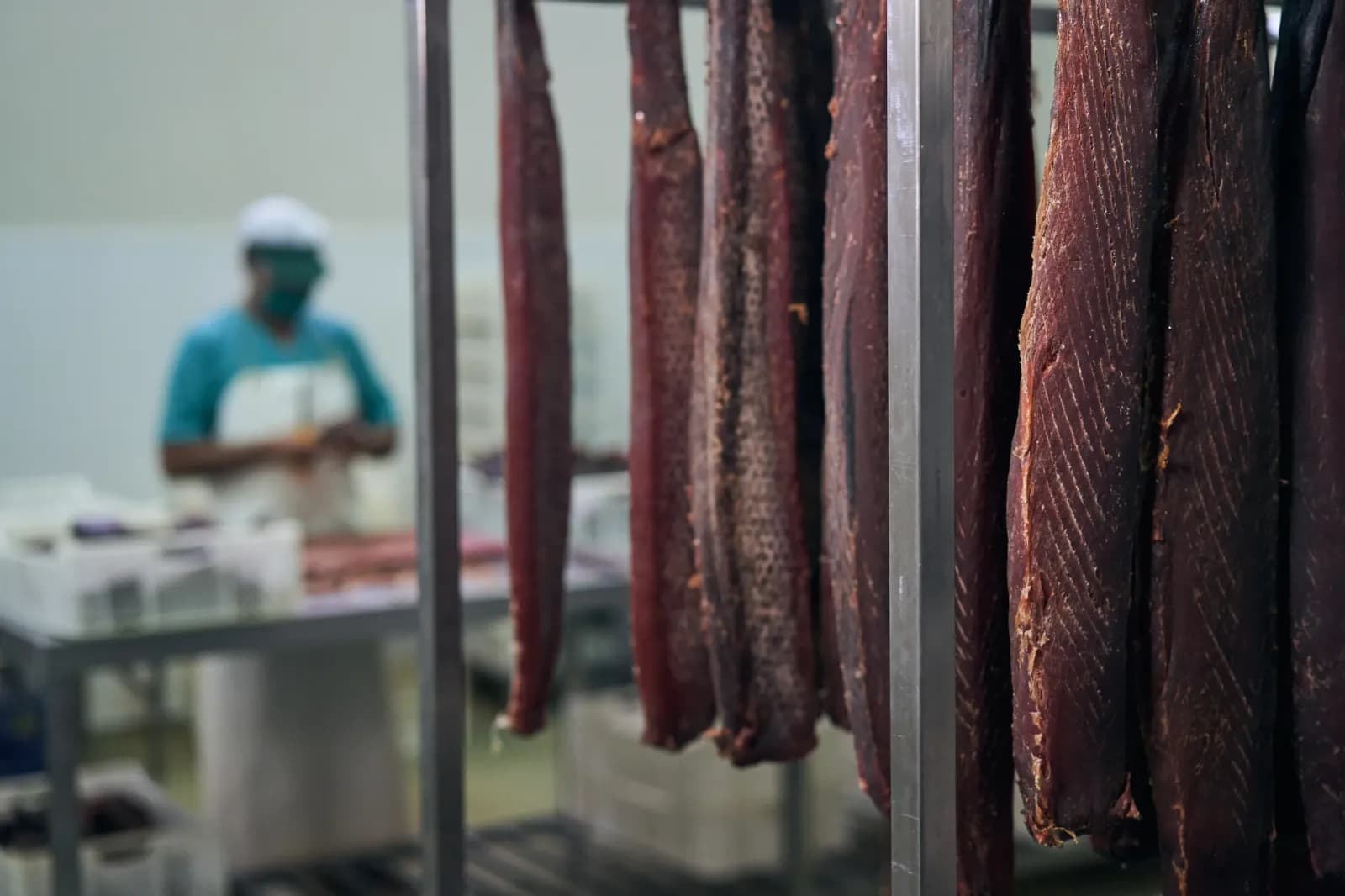
In the 1960s and 1970s came salted melva, sarda and mojama, which went mostly to the Mediterranean coast. At the end of the 1970s the family bought the buildings that became its first factory and shop, and in 1983 it formed the company, SALPESCA. The press names the brothers Pepe, Paco and Diego Gómez as its founders, with a group of other small businessmen. Its first shops of its own opened in Chiclana in 1995 and in Barbate in 1997.
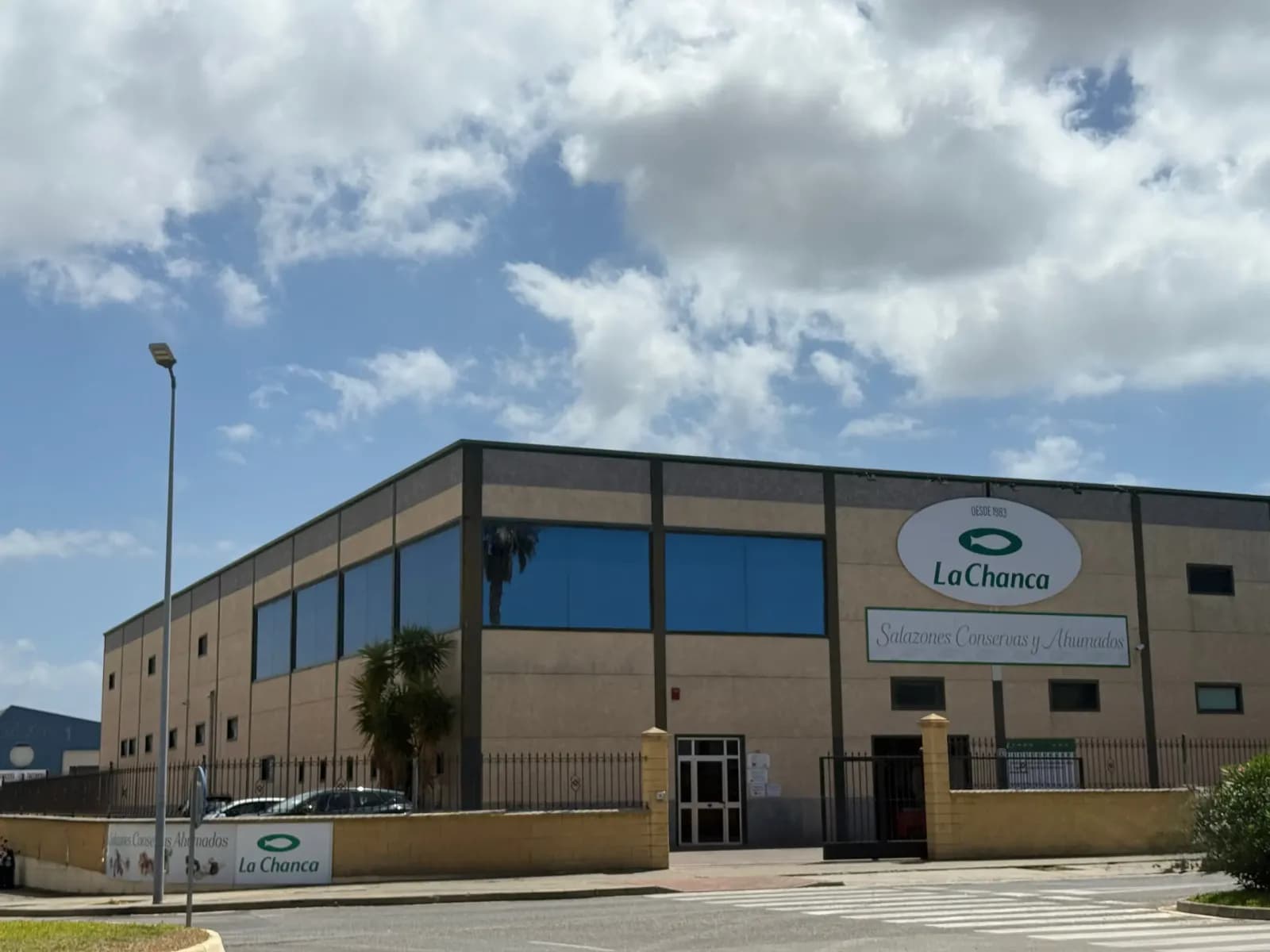
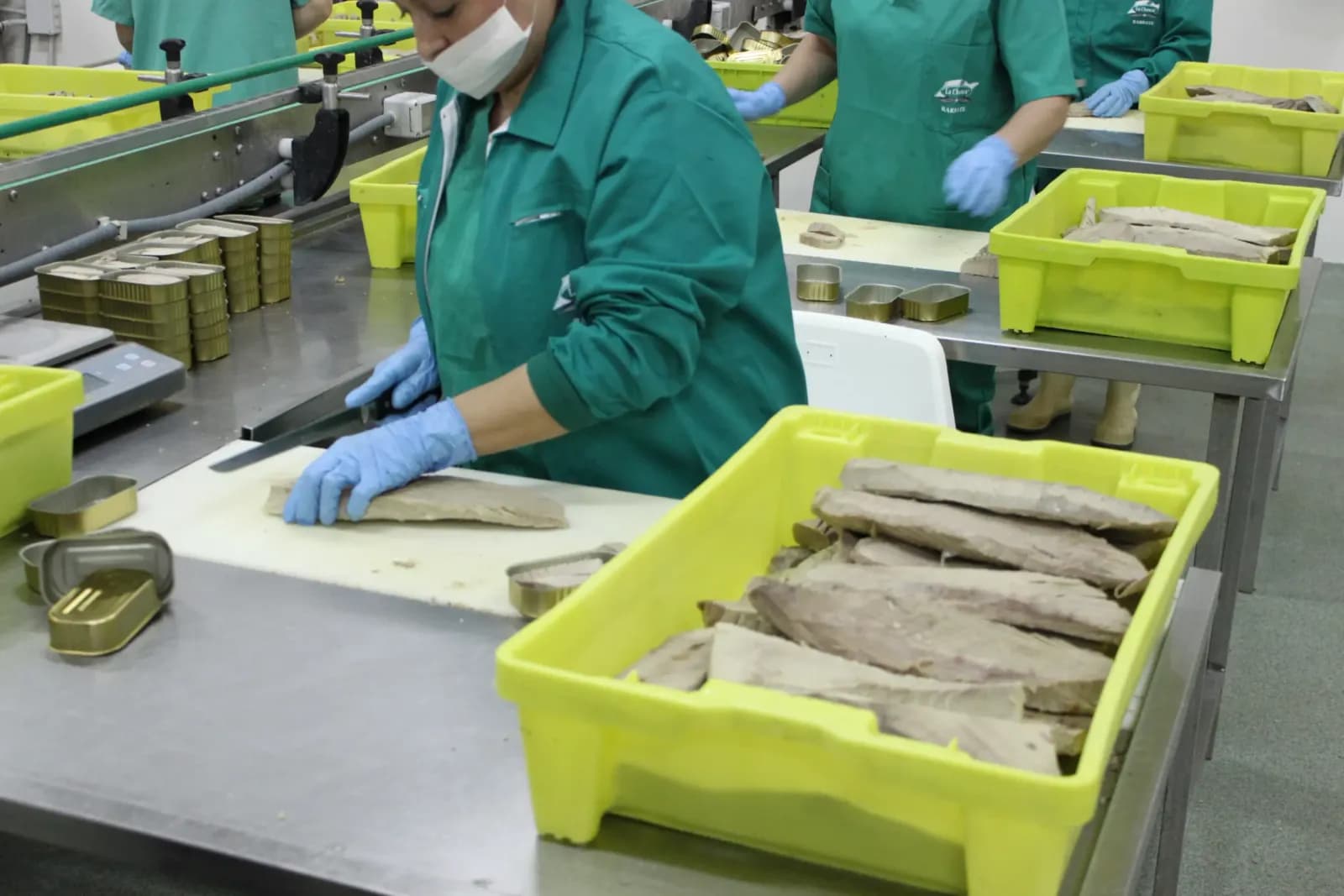
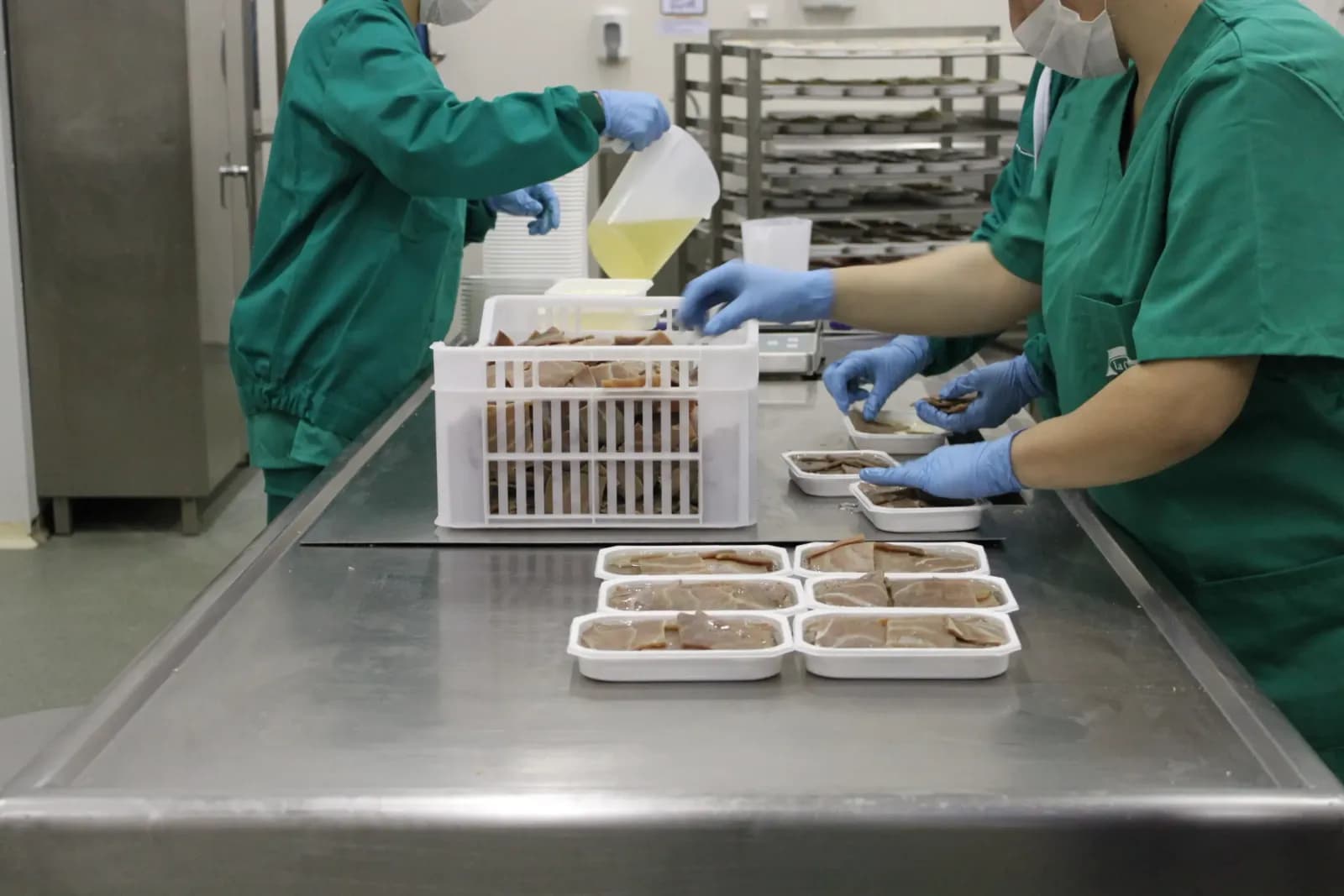
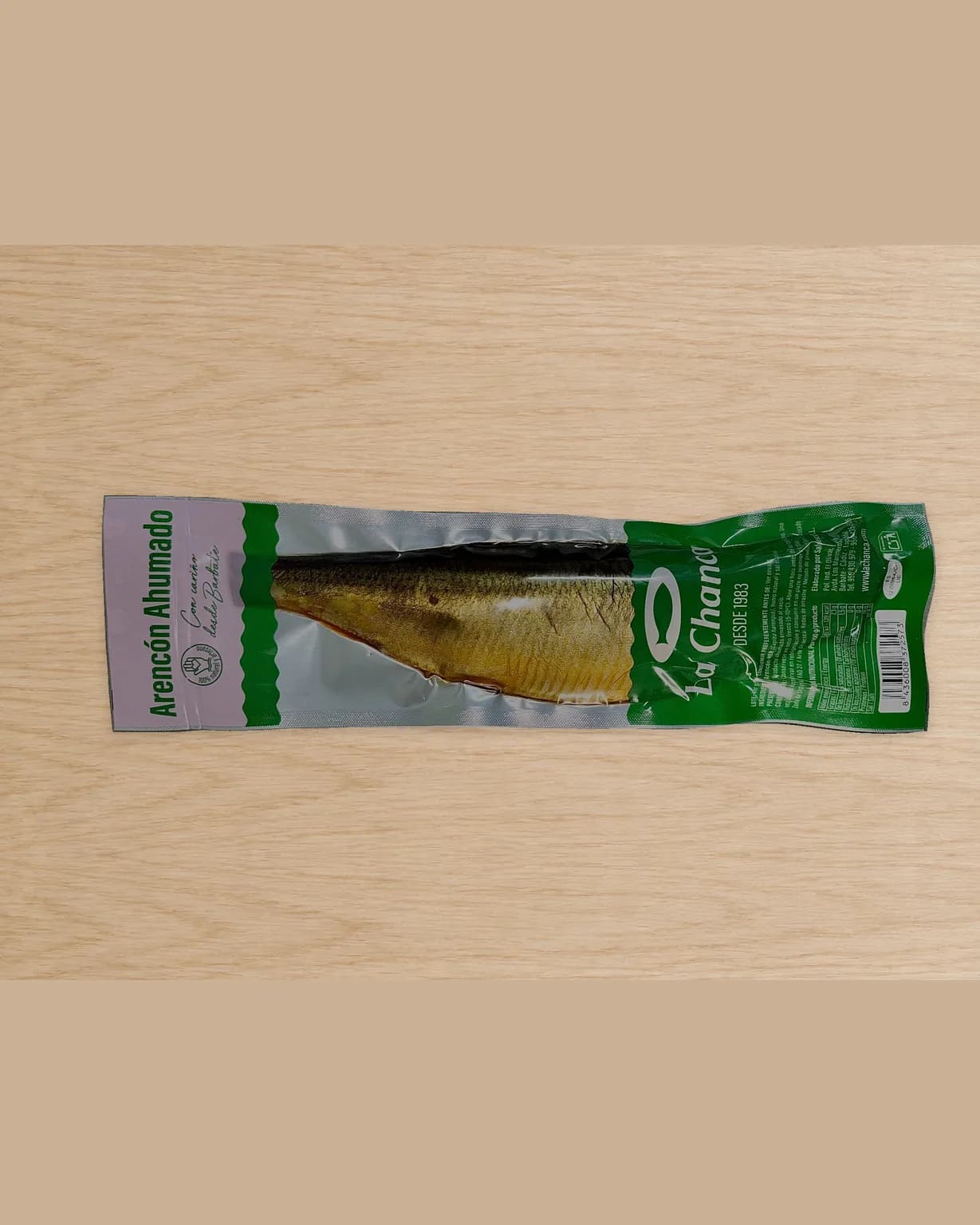
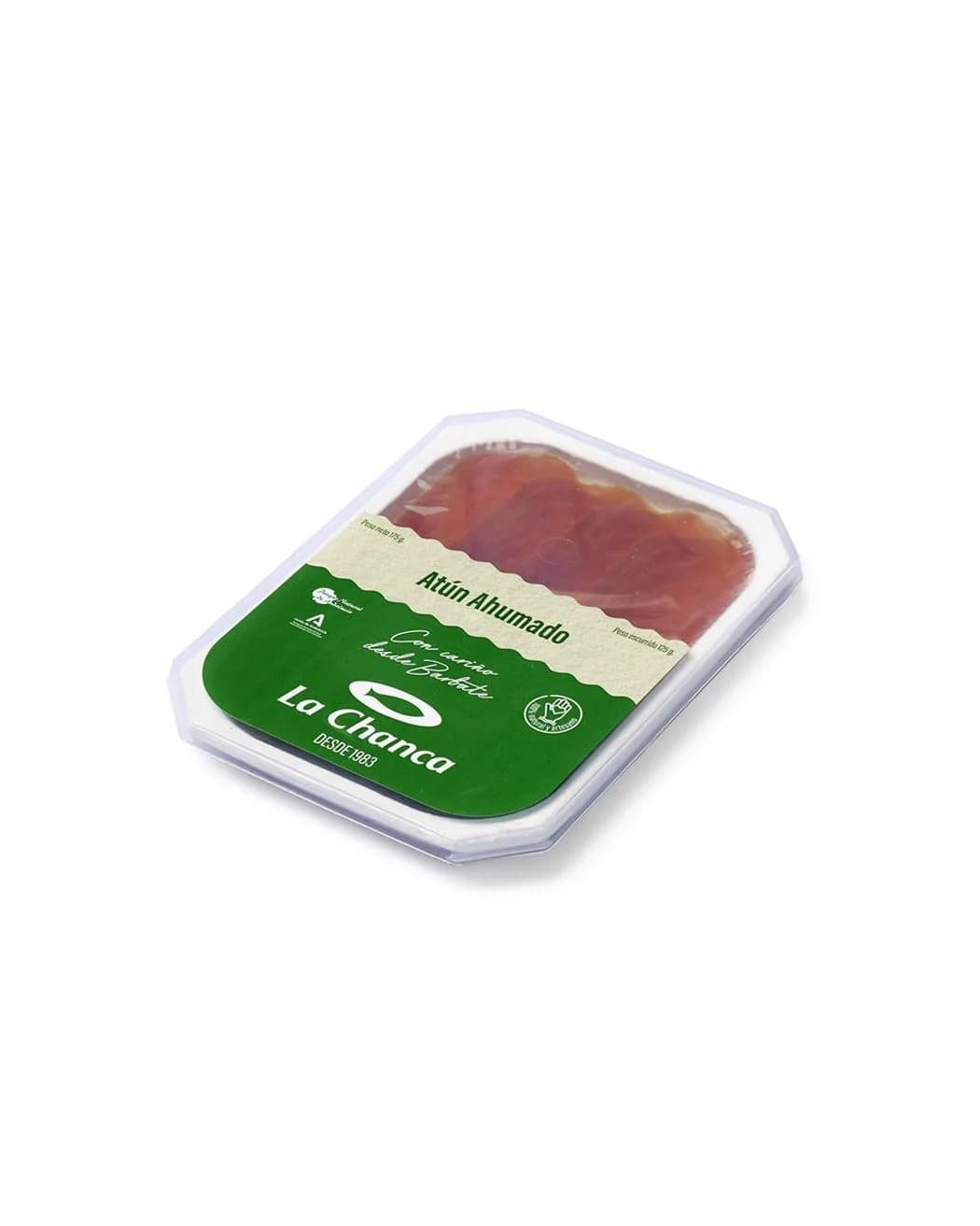
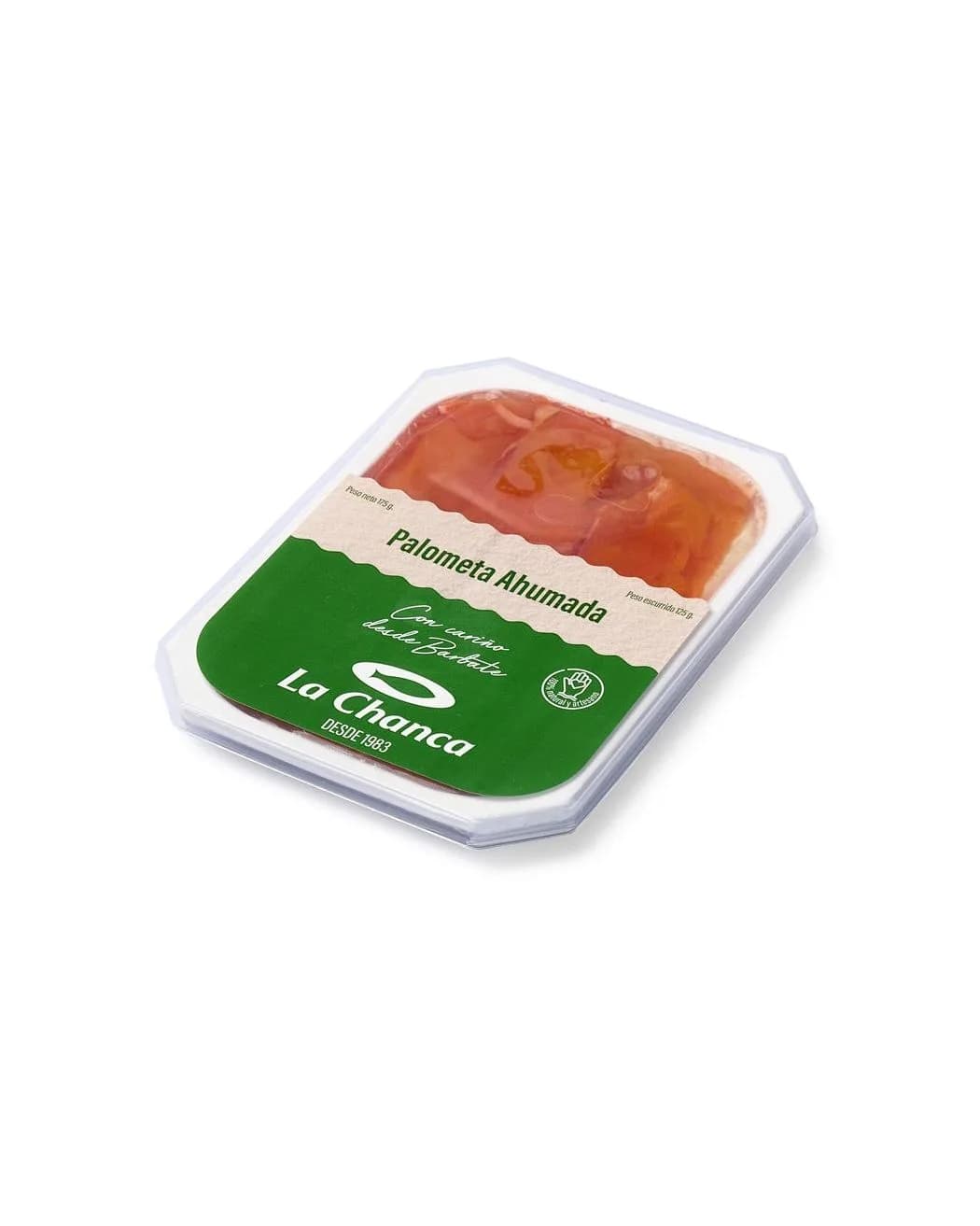
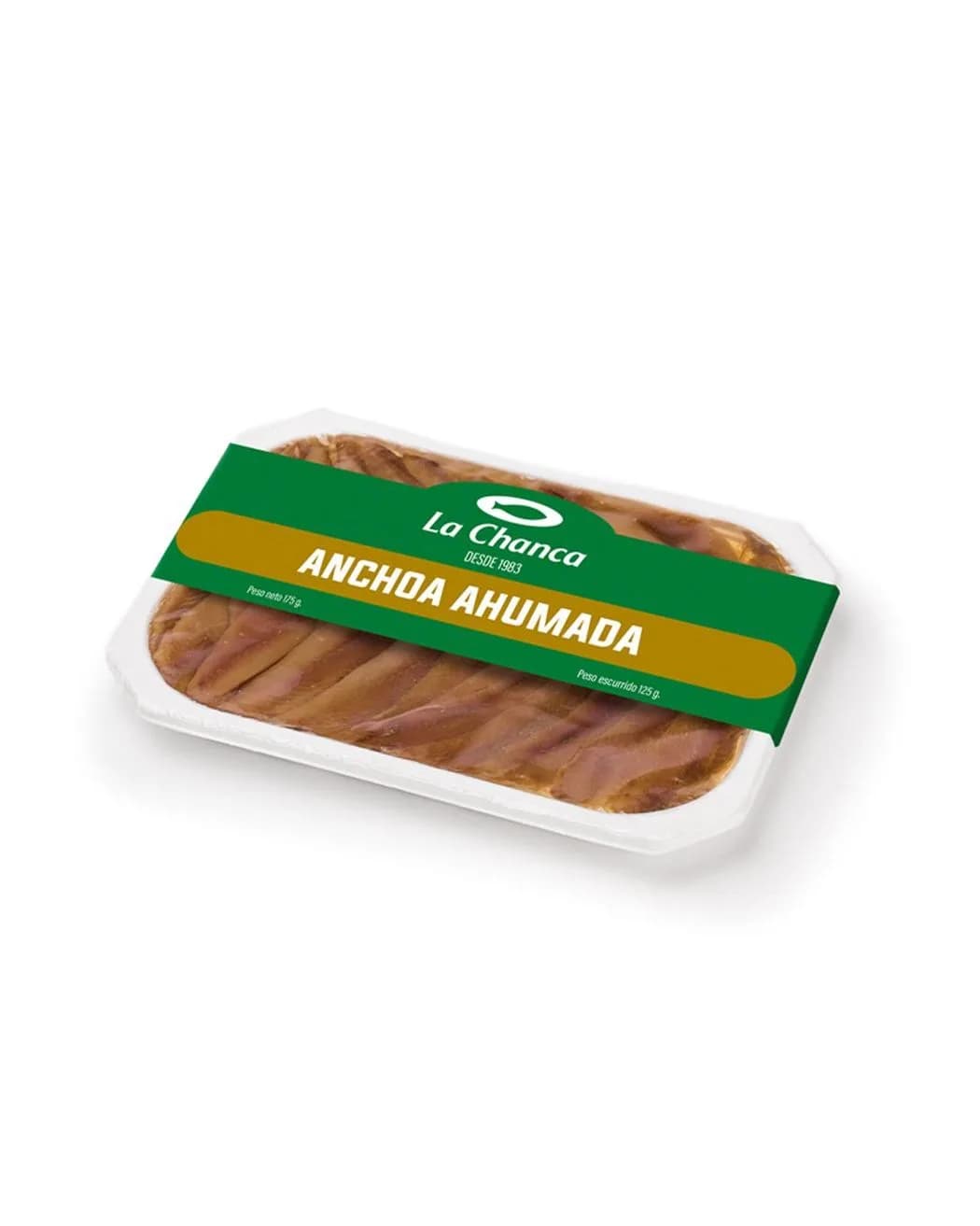
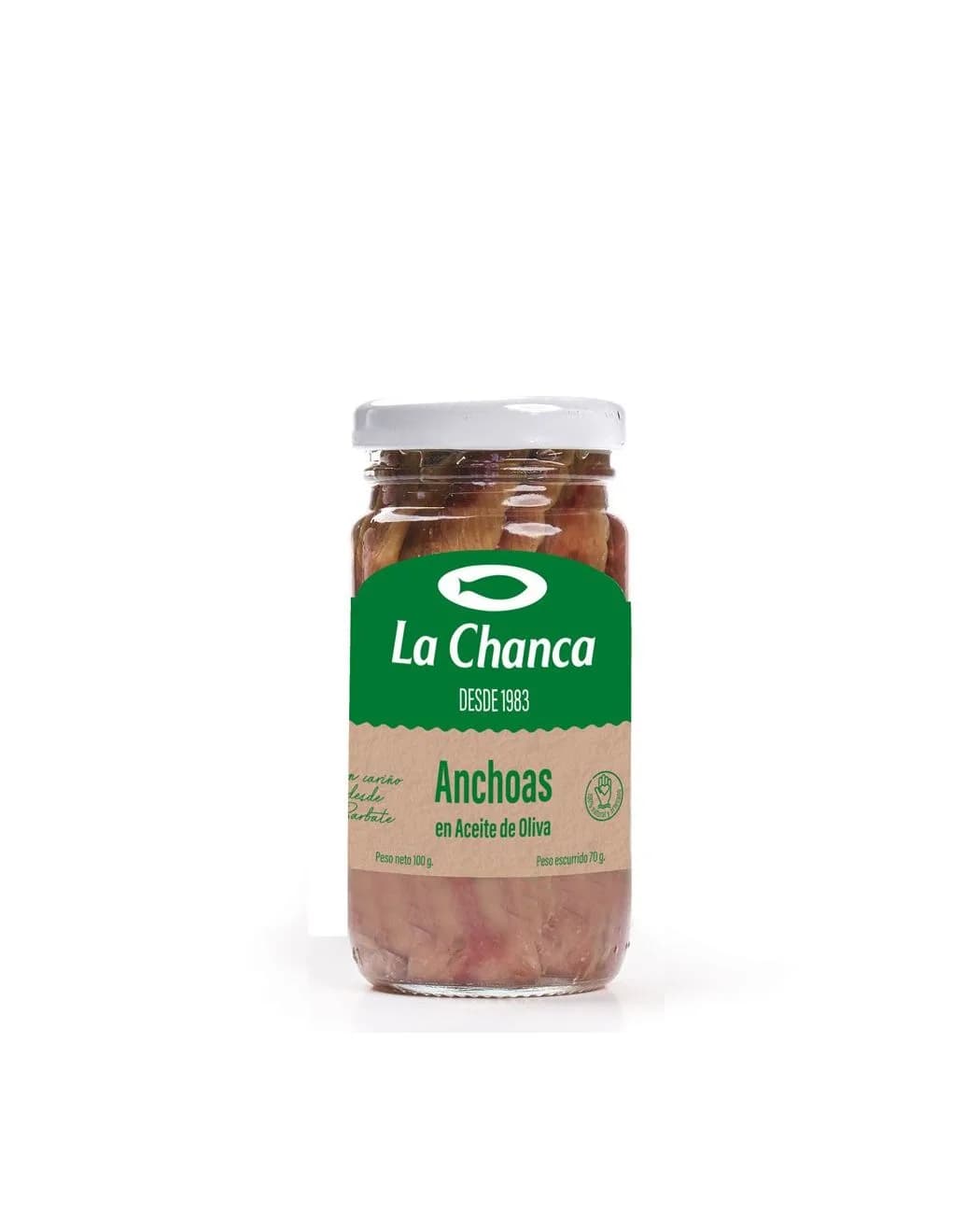
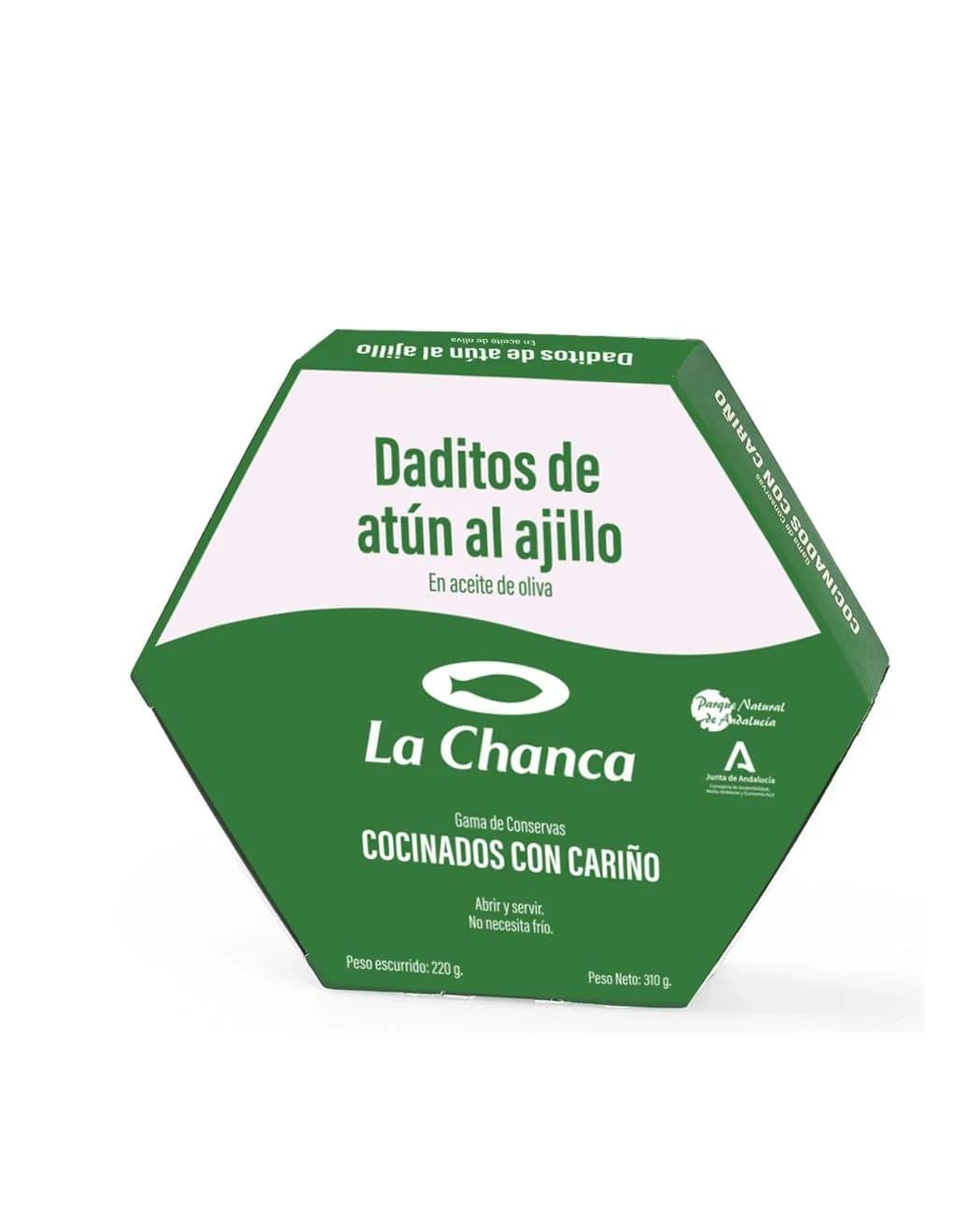
In 2000 the next generation joined, the brothers Antonio and Pepe Gómez and their cousin Pepe, and the firm added tinned fish and then a smoked range under its own brand, La Chanca. It has sold online since 2005. In 2008 it moved to a new factory of 3,650 square metres on the El Olivar industrial estate, and in 2010 Antonio and Pepe Gómez designed a range of tinned stews, for which Pepe went back to the old dishes of Barbate.
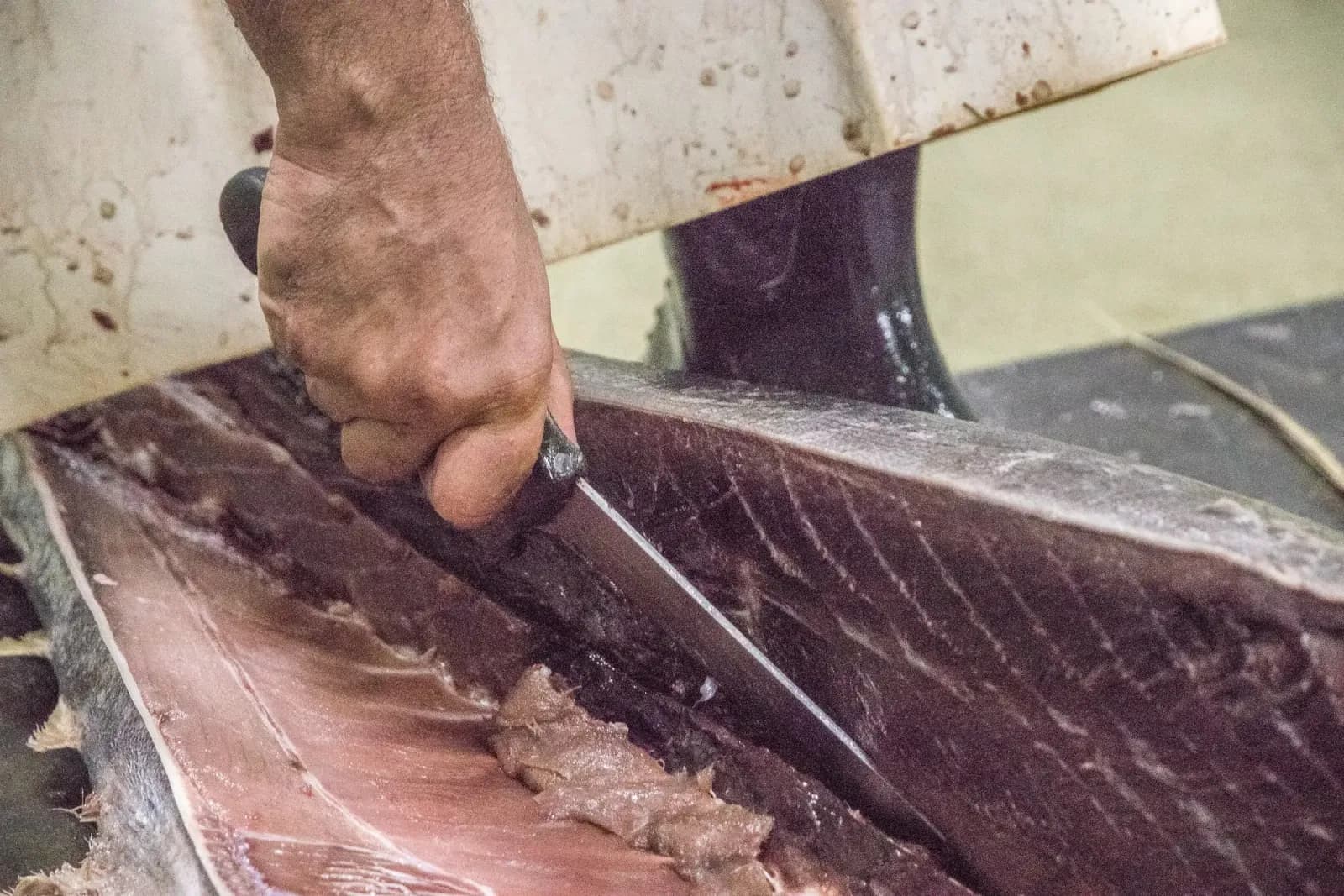
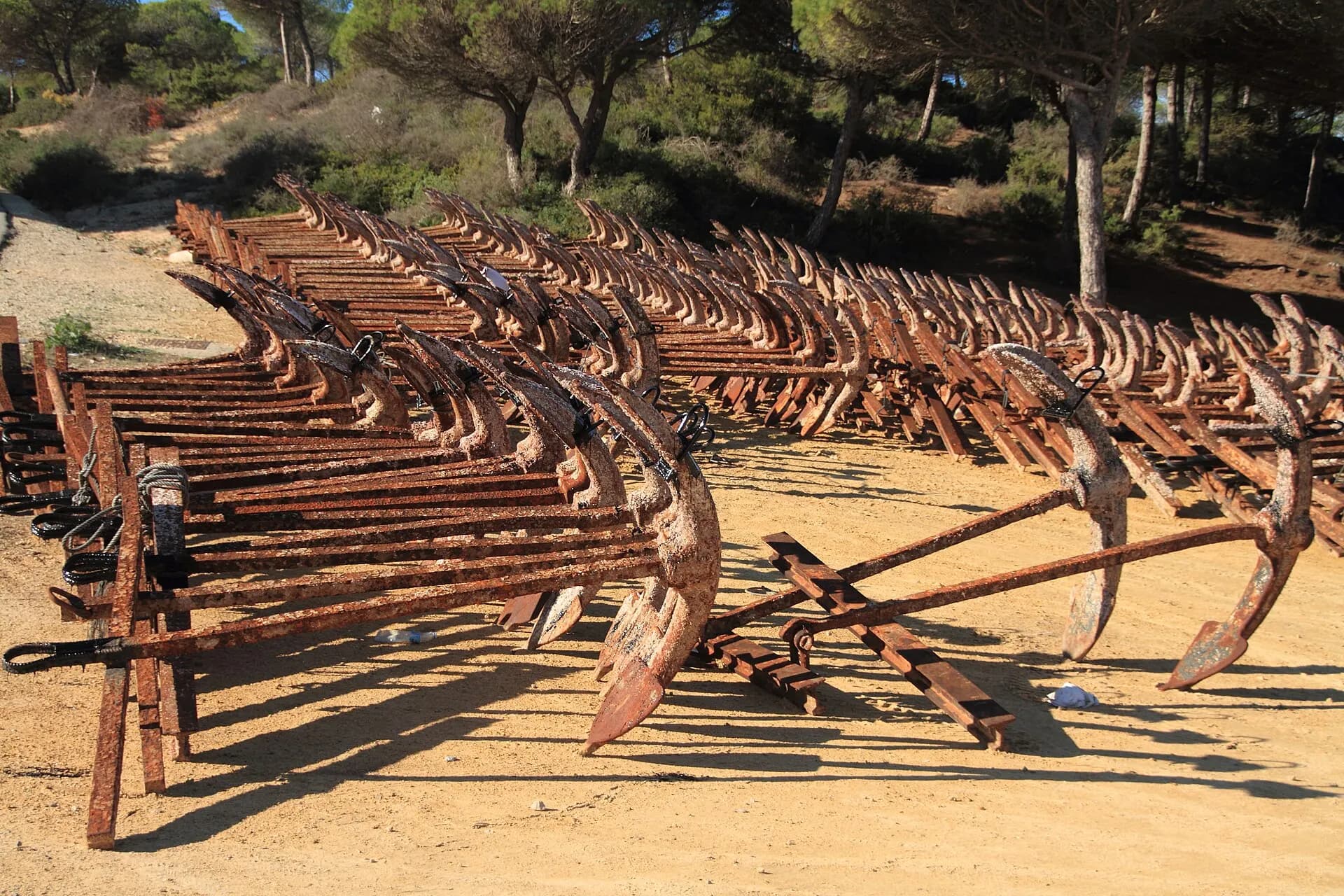
In 2012 the family opened the Museo del Atún on the ground floor of its building at the entrance to the estate, with half of the 300,000 euros paid by the fisheries development group of the Strait. It tells the story of tuna fishing on this coast since the Phoenicians, shows an almadraba from under the water with nets from a working trap and ends with the ronqueo, a whole tuna cut up in front of the visitors in a little over ten minutes. 'When people know what they are eating, they appreciate the product much more', Pepe Gómez said at the opening.
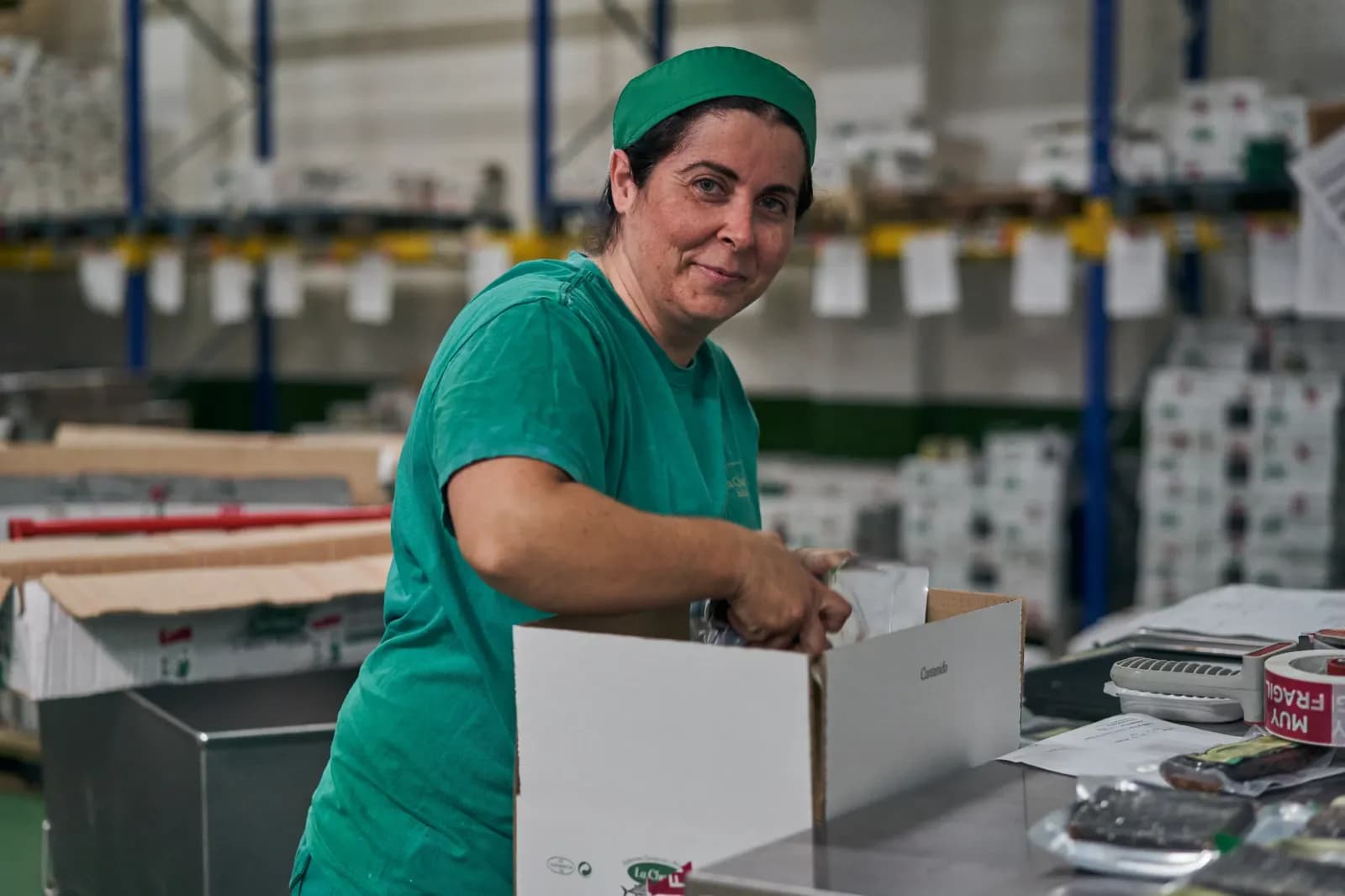
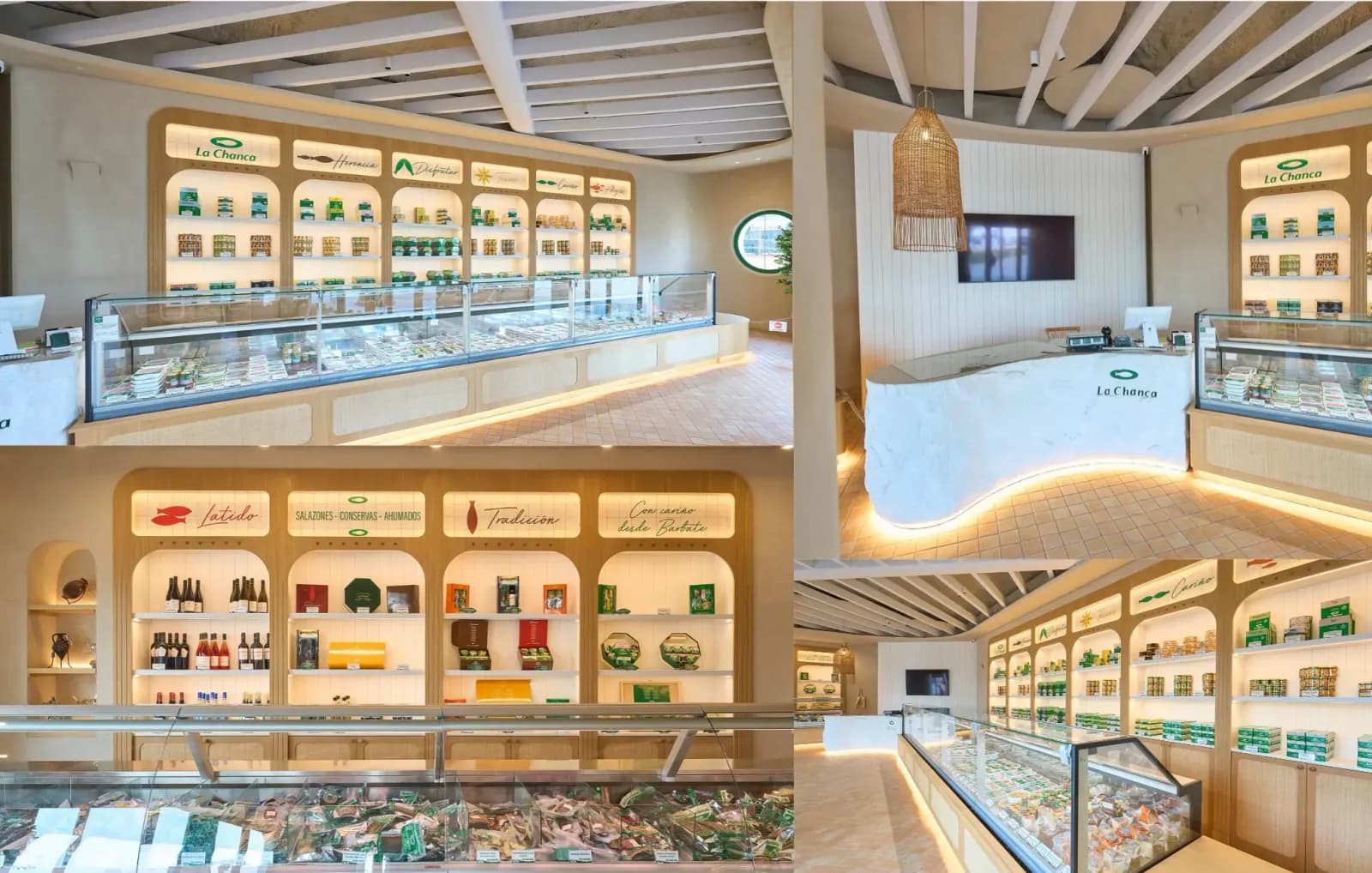
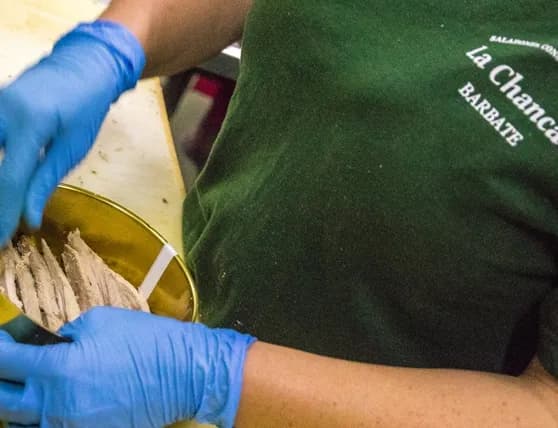
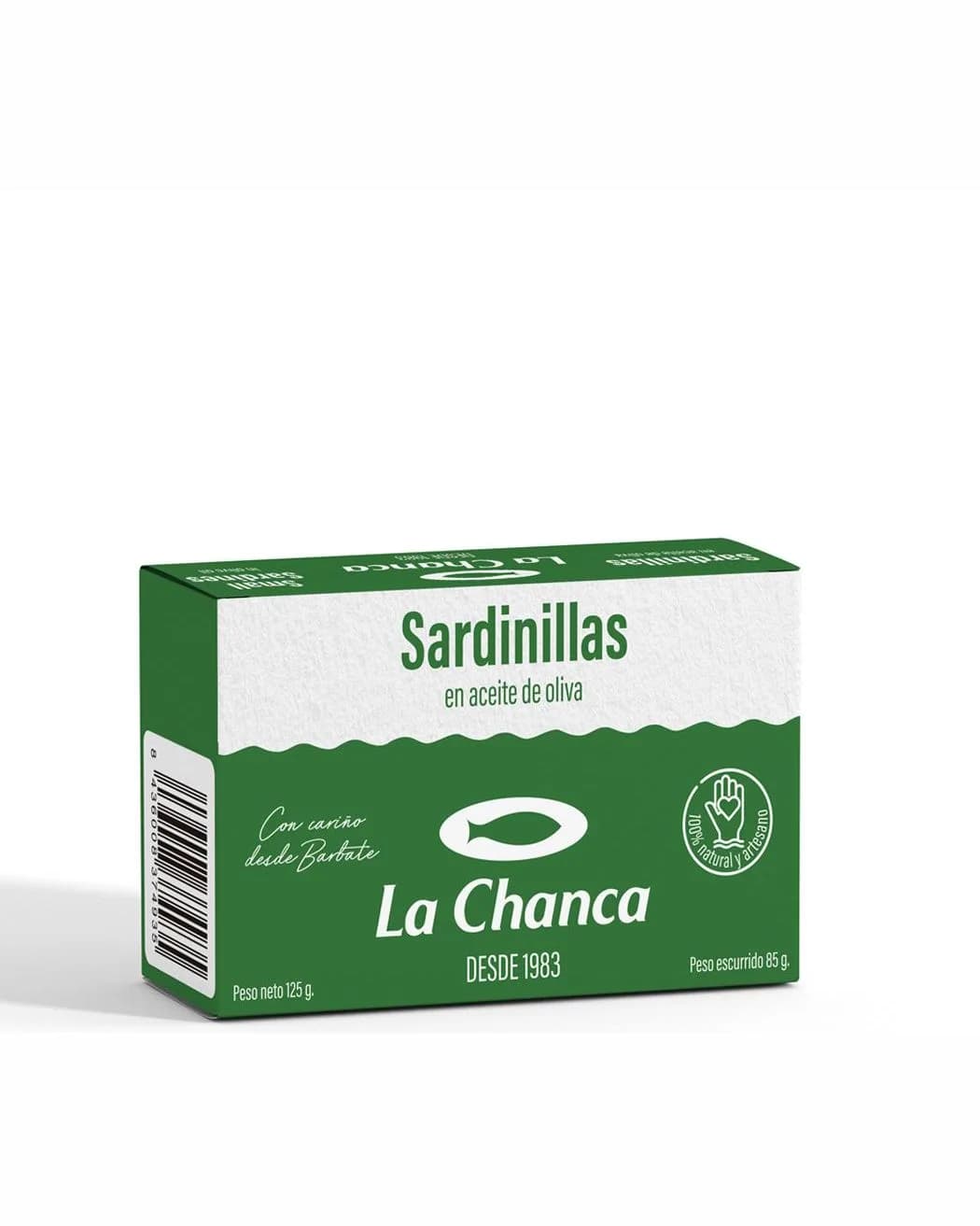
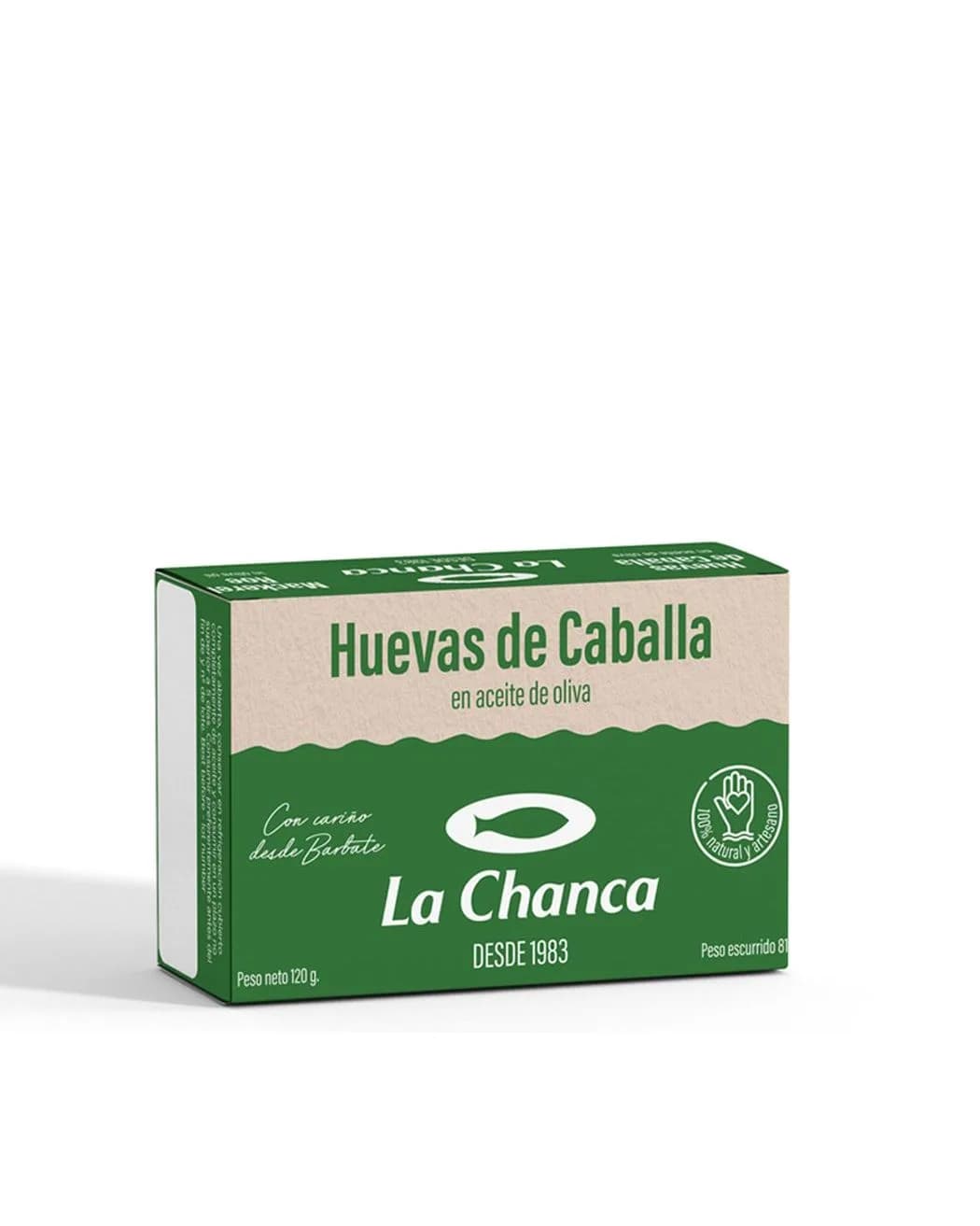
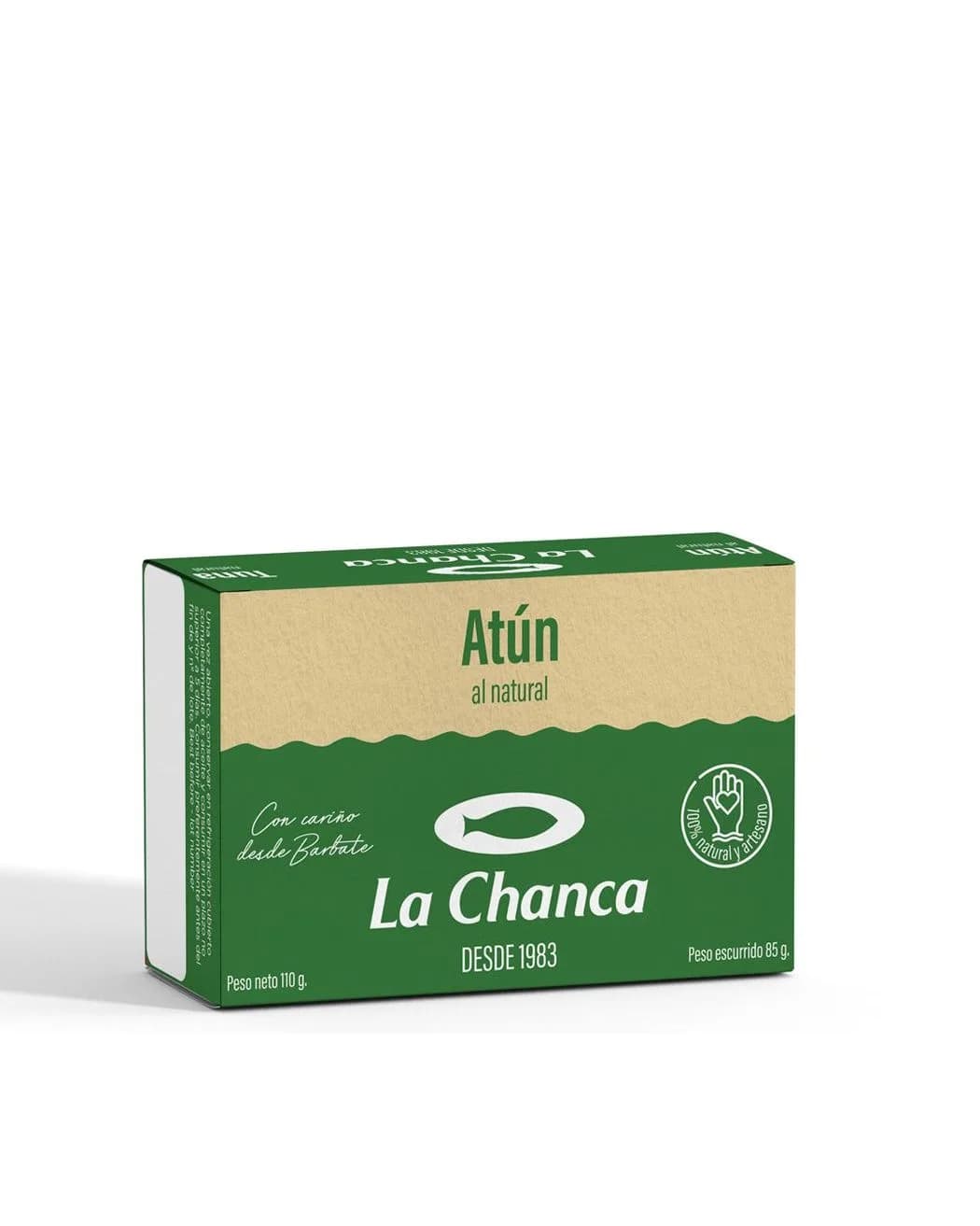
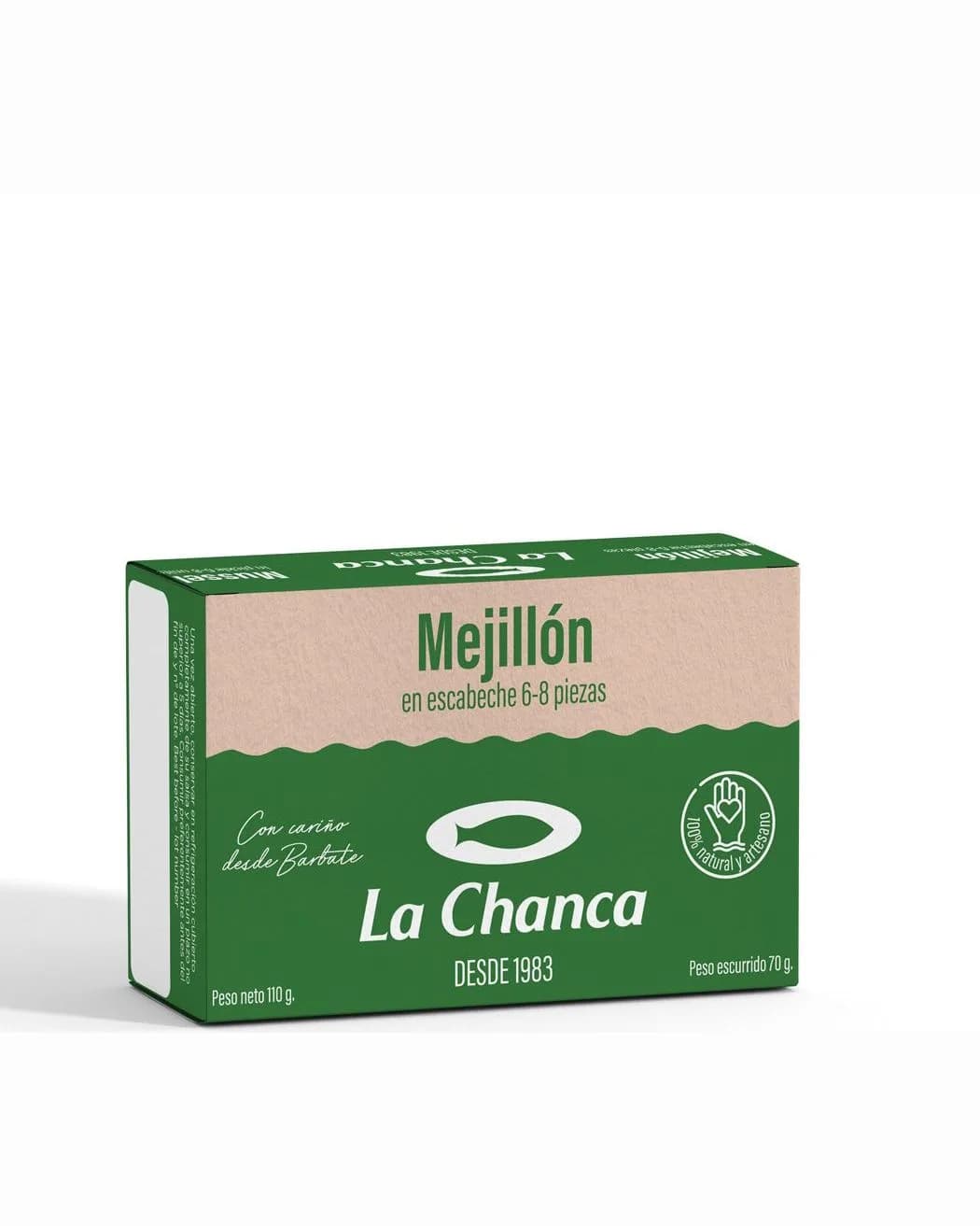
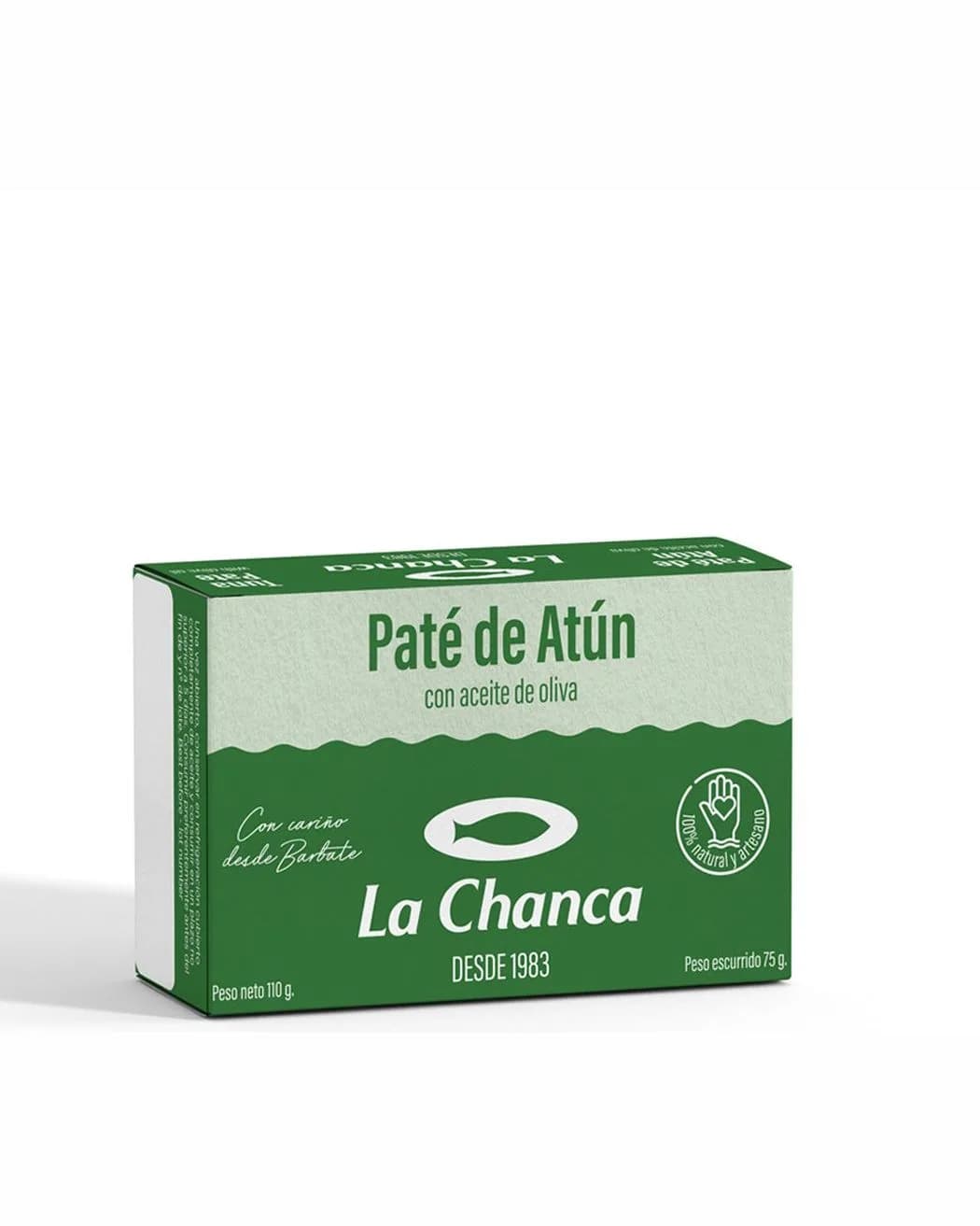
La Chanca turned forty in 2023 with a new logo and the line Con cariño, desde Barbate. It was still in the hands of the Gómez family, with José Luis Gómez as manager, and employed 45 people between the factory and the shops, most of them women, according to Cosas de Comé. Today it has five shops of its own in Barbate, Chiclana and Conil and makes more than a hundred products.