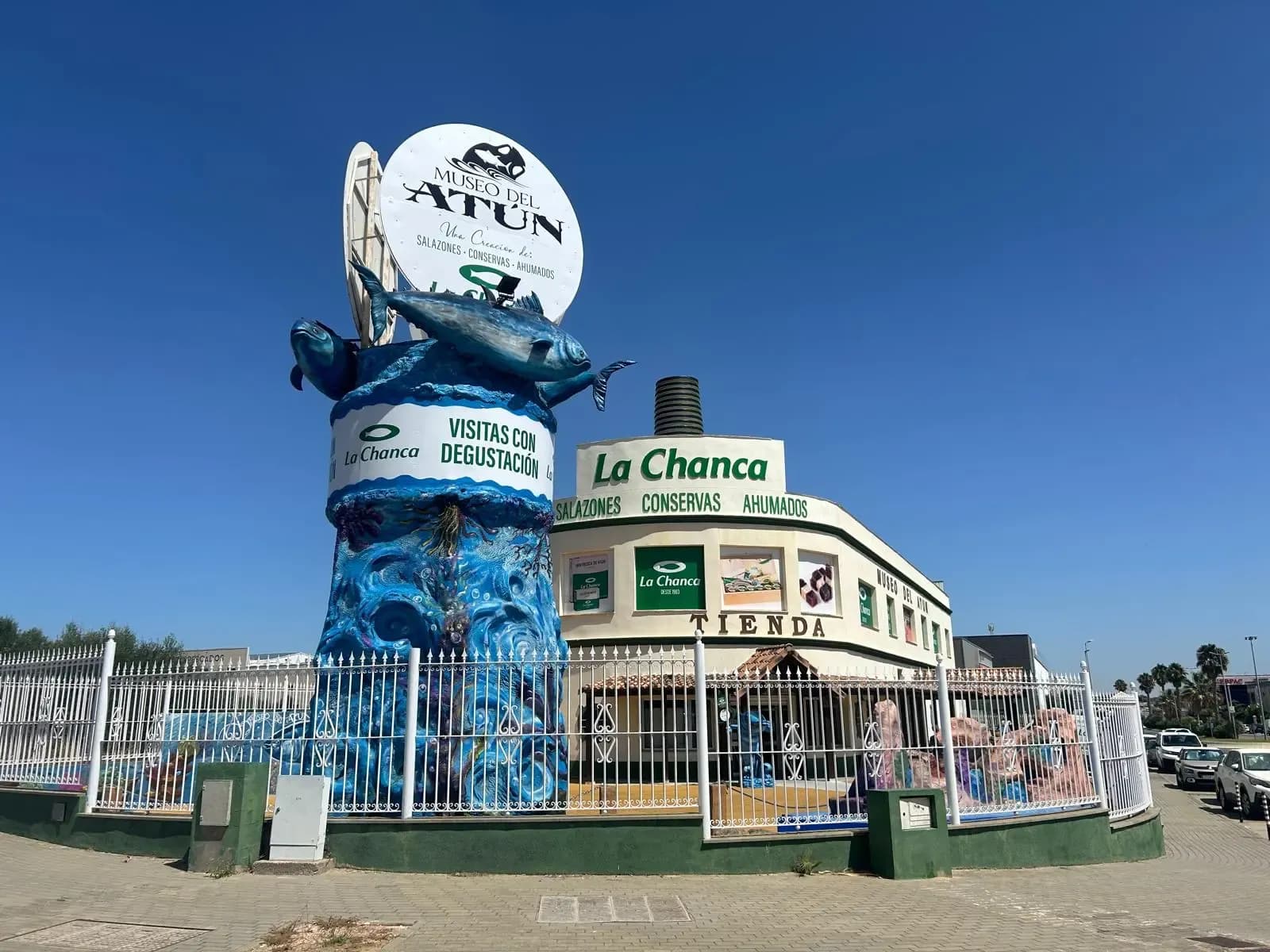
Melva has been part of La Chanca since the 1960s and 1970s, when, the house says, it added salted melva and sarda to the sardines it had started with in Barbate.
La Chanca Filetes de melva canutera en aceite de oliva
Barbate, La Janda · Andalusia
125 g tin, 85 g drained · Drained weight 85 g
Fillets of melva canutera in olive oil, made by La Chanca in Barbate. The house describes melva as plentiful along the coast of Andalusia and buys it in the season, which it gives as June to October. It says the name canutera comes from the loins, which look like little tubes, canutos.
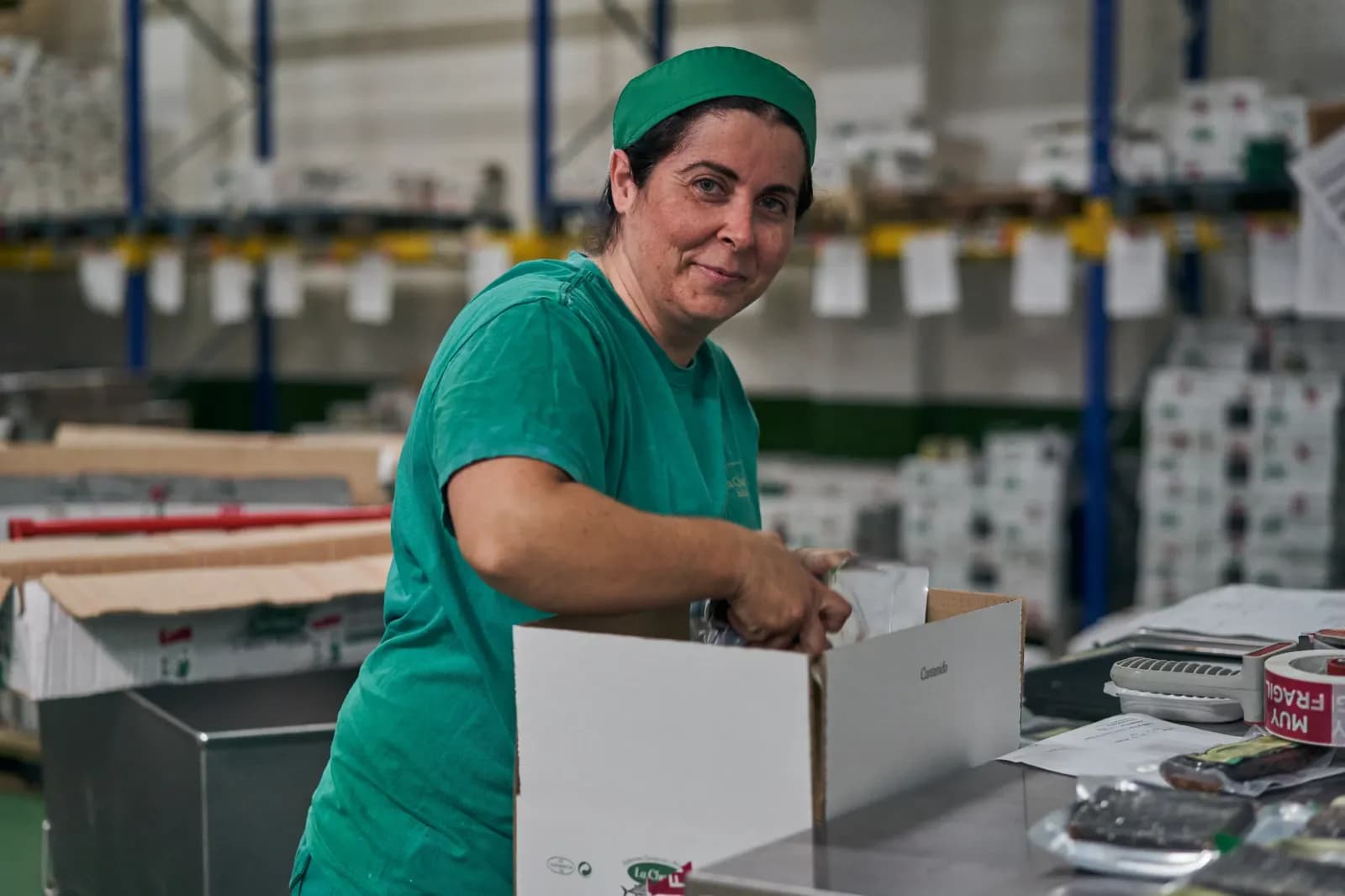
Each fish is headed and cooked with just enough salt, then peeled and cleaned by hand into four loins. The loins go into the tin or jar one at a time, handled with care so that they arrive whole. Each one is then filled with olive oil, closed and heat-treated.
Only melva, olive oil and sea salt go in.
From the producer
La Chanca, Barbate
La Chanca describes melva canutera as fine in texture and mild on the palate. Its guide to tinned fish describes melva as mild, clean and balanced, with a meaty, delicate texture. For melva canutera in general, the specification of the Melva de Andalucía PGI, which La Chanca's tins do not carry, gives greyish white flesh, a compact texture, a pleasant smell and a very characteristic flavour.
Melva is a small oily fish of the tuna and mackerel family; the label gives the species as Auxis rochei, the bullet tuna. La Chanca says the fish it uses for canutera rarely reach 600 g, so each tin takes more fish. Each fish gives four loins. Once cooked and peeled, the house notes, the flesh is pale.
La Chanca says to keep melva canutera away from heavy sauces and serve it with simple things, such as tomato, pepper or good bread.
- Ingredients
- Melva (Auxis rochei), olive oil and sea salt.
- Allergens
- Fish
- May contain
- Gluten
- Origin
- Made in Barbate, Cádiz
- Energy
- 801 kJ / 191 kcal
- Fat
- 9.2 g
- of which saturates
- 2.4 g
- Carbohydrate
- 0 g
- of which sugars
- 0 g
- Protein
- 27.1 g
- Salt
- 0.99 g
- Storage
- Keep away from sunlight. Once opened, keep in the fridge covered in its oil and eat within 4 to 5 days.
- Best before
- Five years from canning, according to La Chanca.