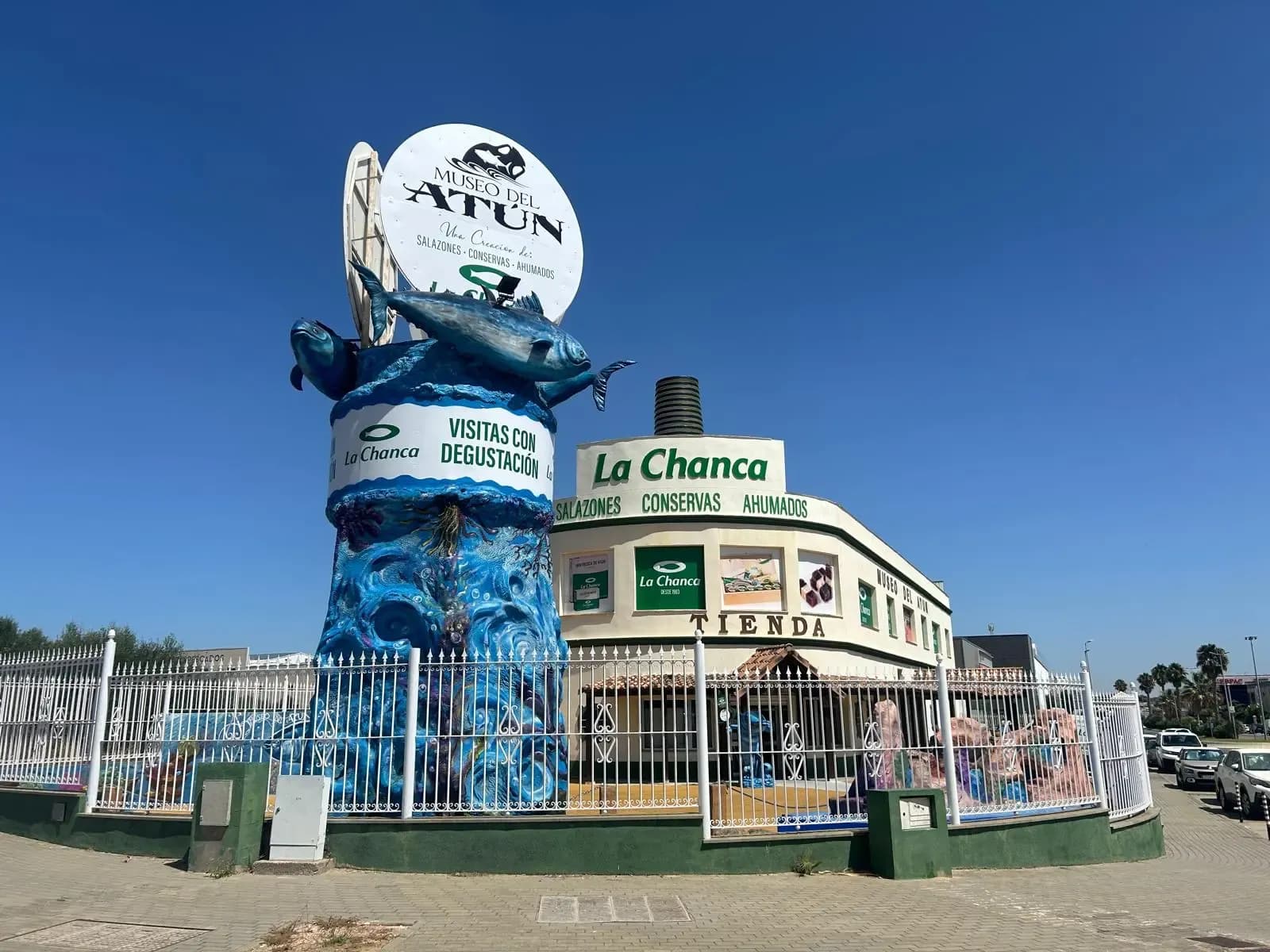
In 2000, when the next generation of the Gómez family joined the firm, La Chanca added a line of tinned fish to its salted fish, Cosas de Comé reported in 2012.
La Chanca Filetes de melva en aceite de oliva
Barbate, La Janda · Andalusia
125 g tin, 85 g drained · Drained weight 85 g
Fillets of melva in olive oil, made by La Chanca in Barbate from adult fish, larger than the ones the house uses for its melva canutera. The label gives the species as Auxis rochei.
The fish is cooked, then peeled and filleted by hand, one at a time. The fillets are laid in the tin or jar one by one and covered in olive oil, then finished in the autoclave.
Only melva, olive oil and sea salt go in.
From the producer
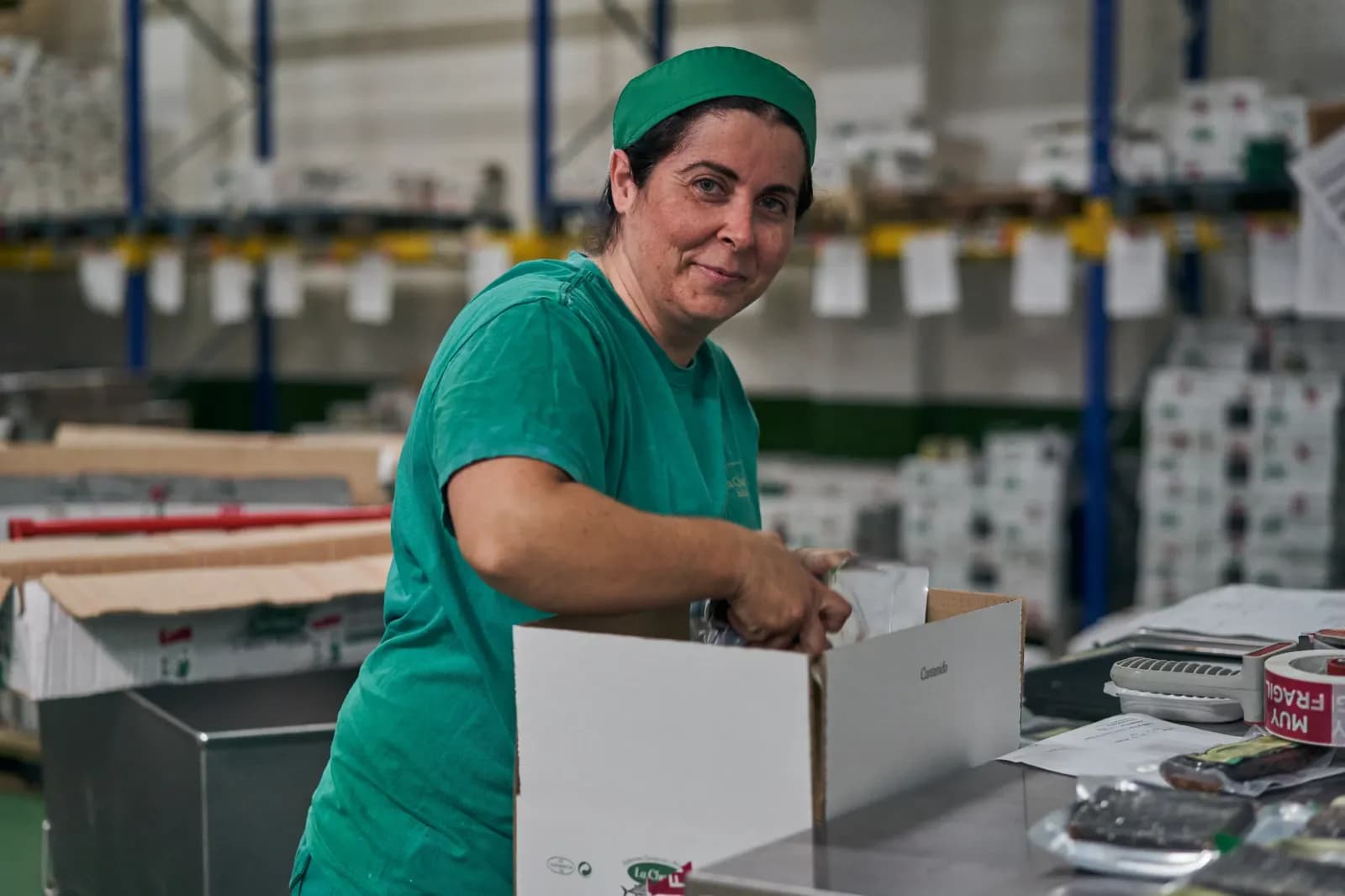
La Chanca, Barbate
In its guide to tinned fish, La Chanca describes melva as mild, clean and balanced, with a meaty, delicate texture. It calls it the tin closest to tuna but finer. Set against tuna ventresca, it says melva is firmer, with a more pronounced flavour. Its shop page speaks of very juicy flesh.
Melva is a small oily fish of the Scombridae, the family of tuna and mackerel, here Auxis rochei, the bullet tuna. For these fillets La Chanca uses adult fish, bigger than those that go into its melva canutera. Next to tuna ventresca, which comes from the fatty belly, the house describes melva as a lean fish.
La Chanca suggests it on toast with grated tomato and olive oil, in a roasted pepper salad, in ensaladilla or in papas aliñás with spring onion and parsley.
- Ingredients
- Melva (Auxis rochei), olive oil and sea salt.
- Allergens
- Fish
- May contain
- Gluten
- Origin
- Made in Barbate, Cádiz
- Energy
- 768.4 kJ / 182.8 kcal
- Fat
- 6.8 g
- of which saturates
- 0.97 g
- Carbohydrate
- 0 g
- of which sugars
- 0 g
- Protein
- 30.4 g
- Salt
- 0.98 g
- Storage
- Keep away from sunlight. Once opened, keep in the fridge covered in its oil and eat within 4 to 5 days.
- Best before
- Five years from canning, according to La Chanca.