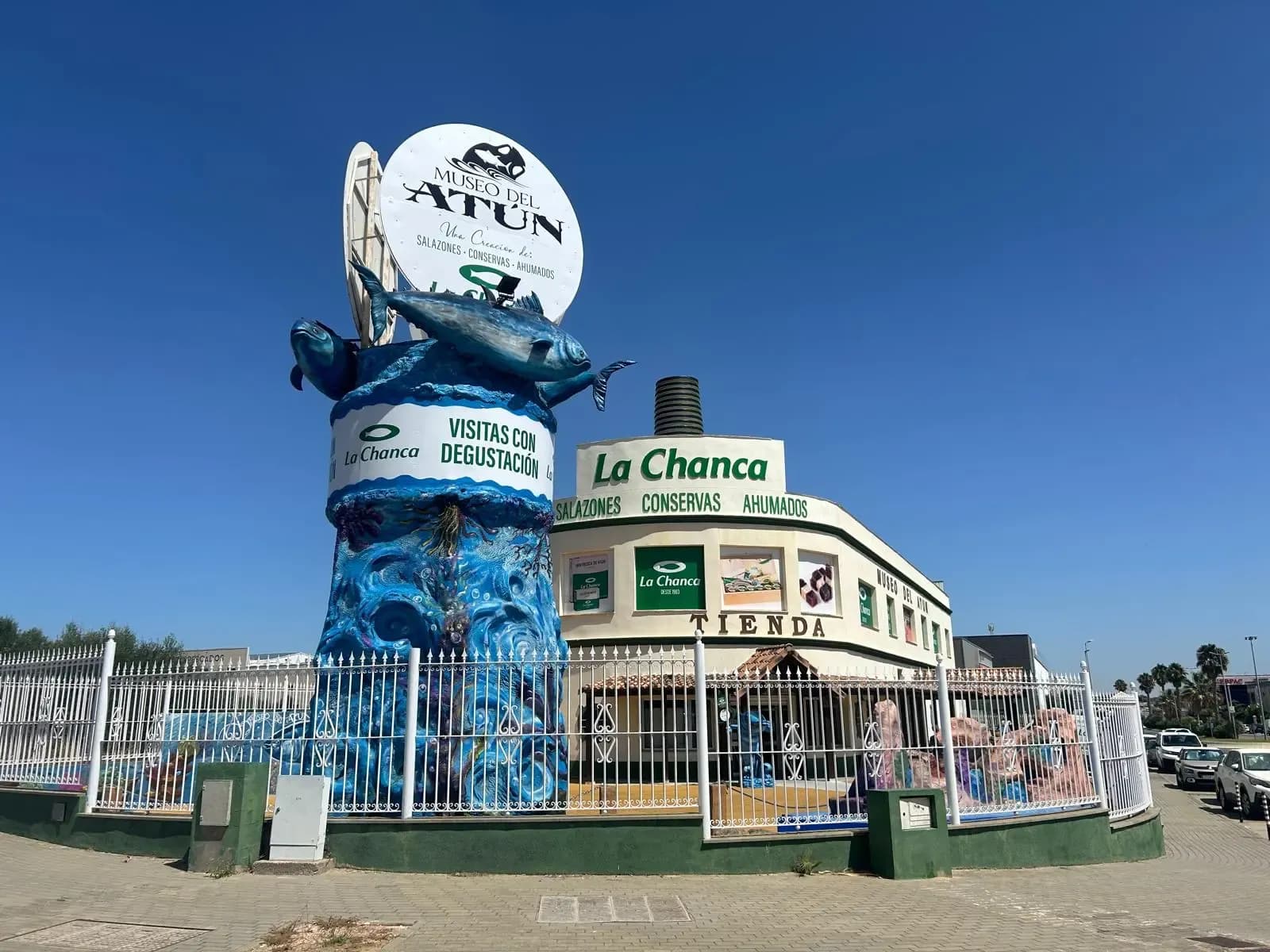
At its Museo del Atún in Barbate, La Chanca takes a whole tuna apart in front of visitors every day except Mondays from May to early October, showing where cuts such as the ventresca come from.
La Chanca Ventresca de atún en aceite de oliva
Barbate, La Janda · Andalusia
125 g tin, 85 g drained · Drained weight 85 g
Ventresca, the belly of the tuna, in olive oil. The label gives the fish as yellowfin, Thunnus albacares, without a fishing area.
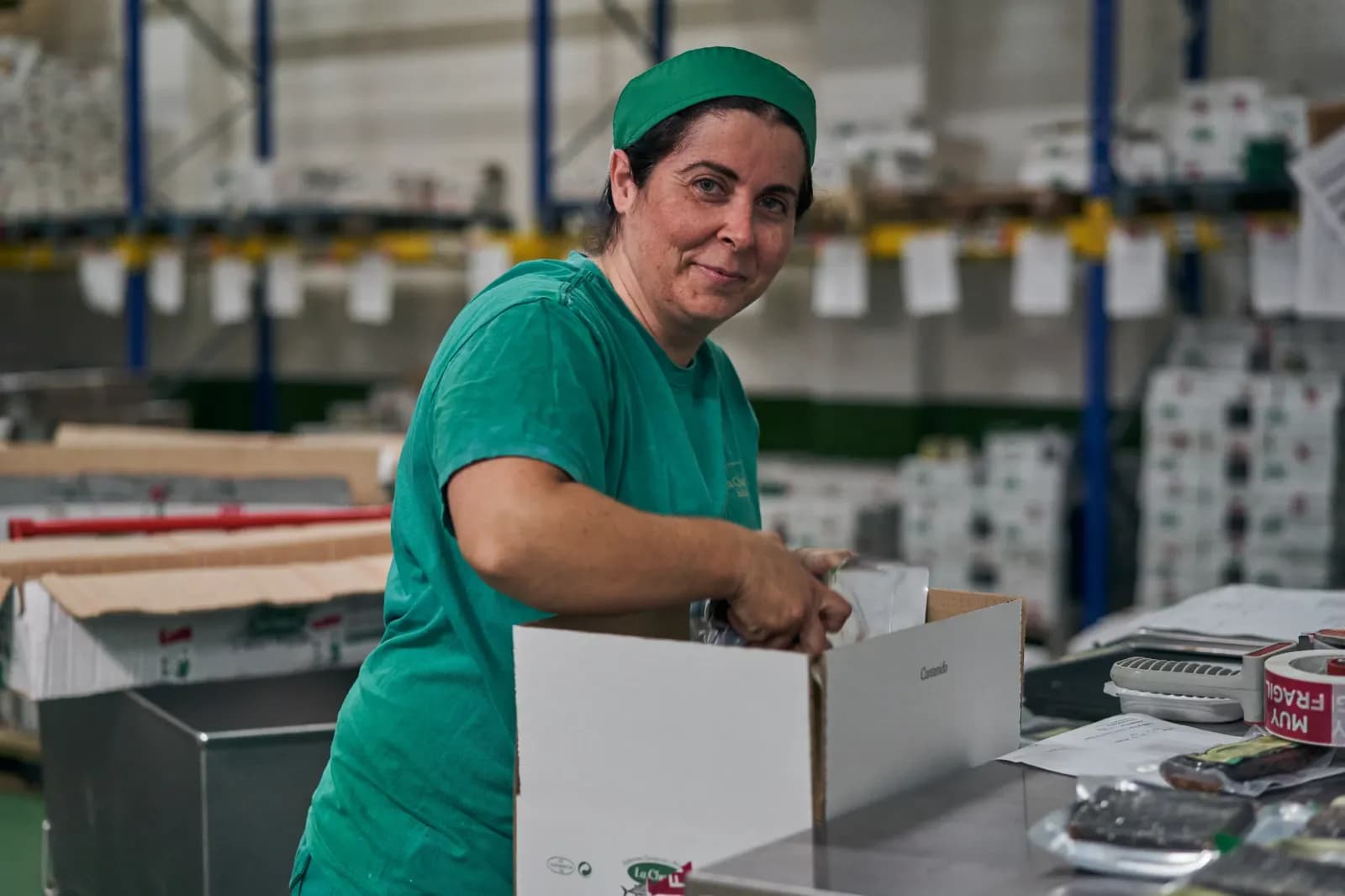
La Chanca takes the ventresca from the tuna, cooks it with what it calls just the right amount of salt and packs it in olive oil at its factory in Barbate. The ingredients are tuna, olive oil and sea salt.
From the producer
La Chanca, Barbate
La Chanca describes its ventresca as especially tasty and soft on the palate, thanks to the fat of the belly. In its guide to tuna cuts the house calls ventresca smooth and buttery, with a deep, rounded flavour and a creamy feel in the mouth. Elsewhere it writes that a good ventresca melts gently.
Yellowfin tuna, Thunnus albacares, according to the label. The ventresca comes from the lower belly, towards the head. La Chanca calls it the fattiest part of the fish and one of the cuts buyers ask for most.
La Chanca serves it on toasted bread with grated tomato or roasted peppers, a few flakes of salt and drops of sherry vinegar, or over a salad of lamb's lettuce, cherry tomatoes and spring onion. With it the house suggests a white wine with good acidity, such as an Albariño or a Verdejo.
- Ingredients
- Tuna (Thunnus albacares), olive oil and sea salt.
- Allergens
- Fish
- May contain
- Gluten
- Origin
- Made in Barbate, Cádiz
- Energy
- 655.3 kJ / 156.2 kcal
- Fat
- 6.6 g
- of which saturates
- 0.94 g
- Carbohydrate
- 0.5 g
- of which sugars
- 0.3 g
- Protein
- 23.4 g
- Salt
- 2.6 g
- Storage
- Keep away from sunlight. Once opened, keep in the fridge covered in its oil and eat within 4 to 5 days.
- Best before
- Five years from canning, according to La Chanca.