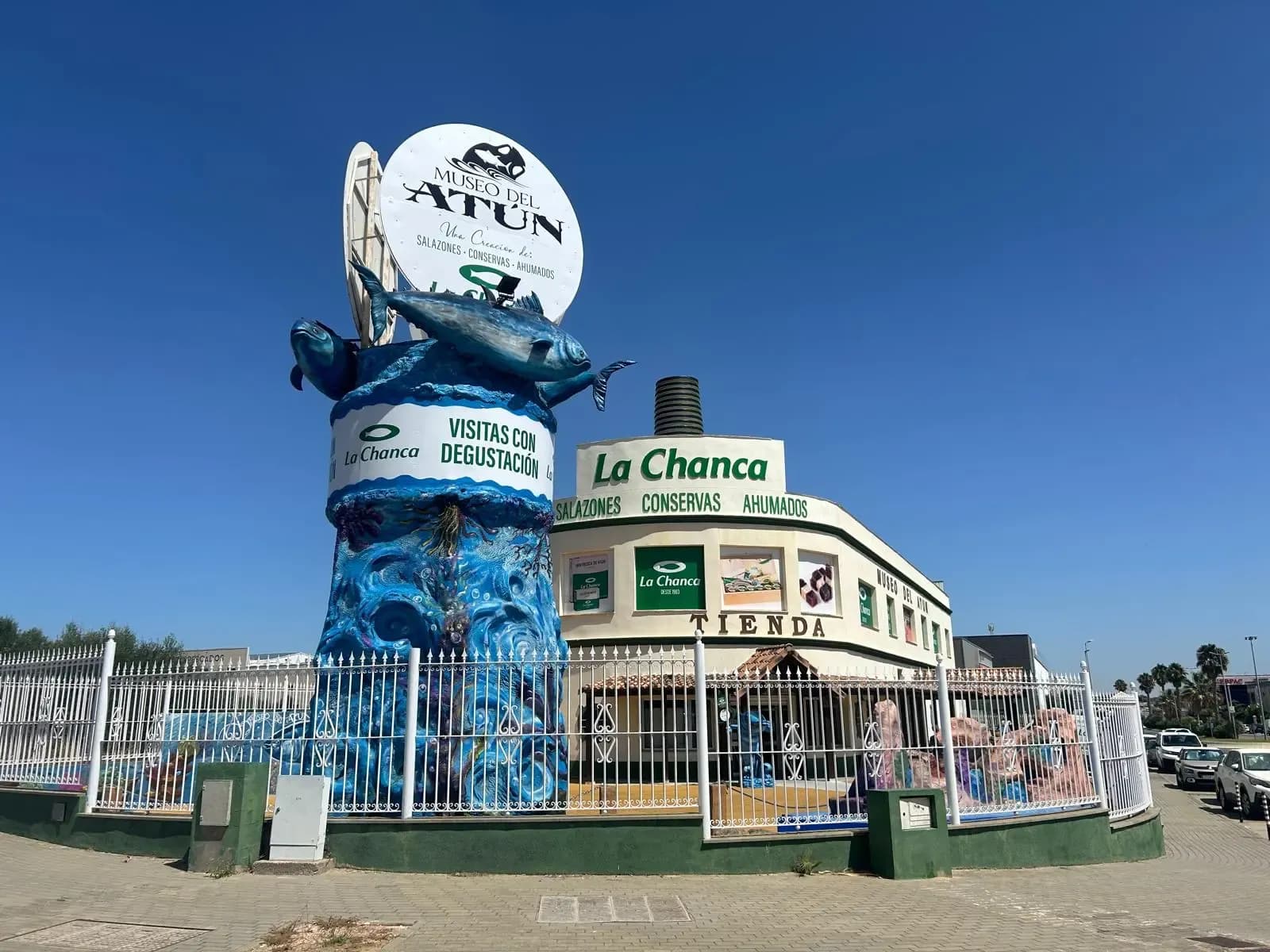
La Chanca says it began in the mid-1950s salting sardines in a small saladero in Barbate. Its Museo del Atún recreates the place where the Gómez grandfather, Pepe Gómez Ureba, prepared his sardinas arenques.
La Chanca Sardina arenque
Barbate, La Janda · Andalusia
Vacuum pack of three sardines
Sardina arenque is a whole sardine cured in sea salt, which La Chanca calls possibly the most traditional and popular of the salted fish.
The house says the sardines come from small-scale fleets near the Strait of Gibraltar, while the label gives purse seine nets in the eastern central Atlantic. They are left to cure in sea salt, the only ingredient on the label besides the sardine.
From the producer
La Chanca, Barbate
La Chanca says what stands out in its sardina arenque is an intense salty taste.
European sardine, Sardina pilchardus, caught with purse seines in the eastern central Atlantic (FAO 34). The fish is cured whole, in sea salt and nothing else.
La Chanca says to clean and fillet the sardine first and add a little oil if you like. It also puts the fillets on toast with grated tomato.
- Ingredients
- Sardine (Sardina pilchardus) and sea salt.
- Allergens
- Fish
- Origin
- Eastern central Atlantic (FAO 34), salted in Barbate
- Energy
- 418 kJ
- Fat
- 2.2 g
- of which saturates
- 0.61 g
- Carbohydrate
- 0.1 g
- of which sugars
- 0.1 g
- Protein
- 19.8 g
- Salt
- 17 g
- Storage
- Keep in a cool place between 5 and 10 °C. Once opened, keep in the fridge and eat within 4 to 5 days.
- Best before
- Six months, according to La Chanca.
- Format
- Vacuum pack of three sardines