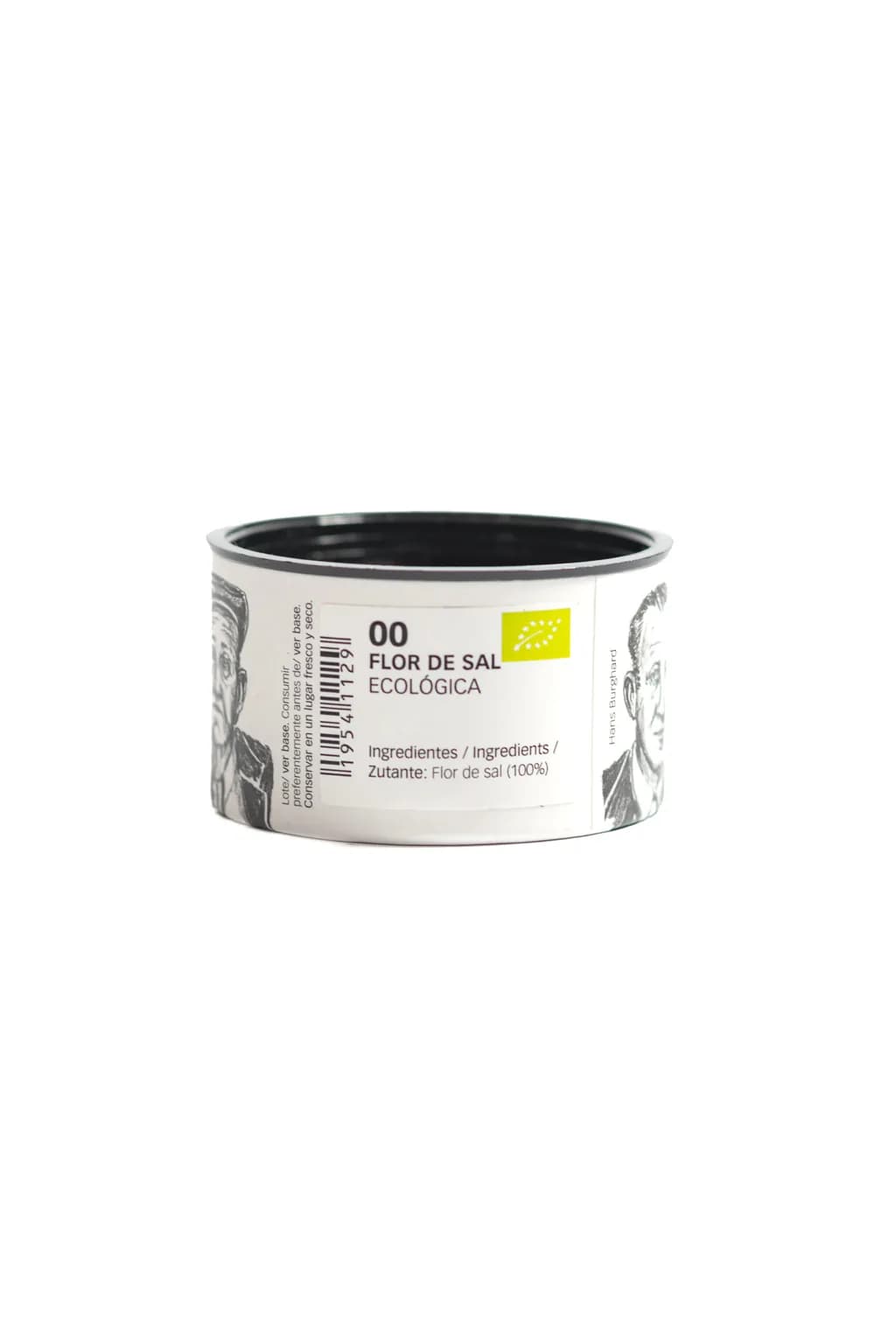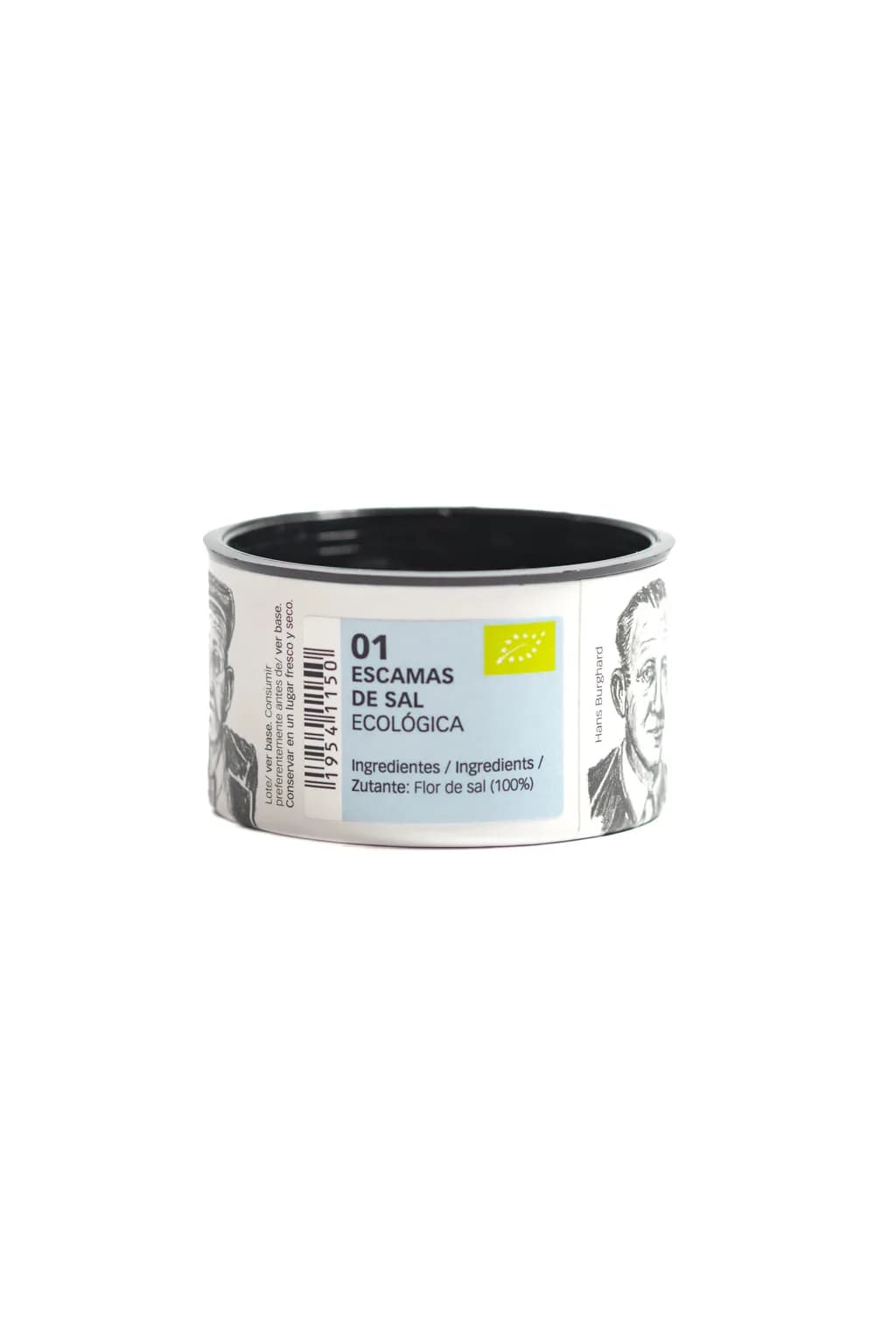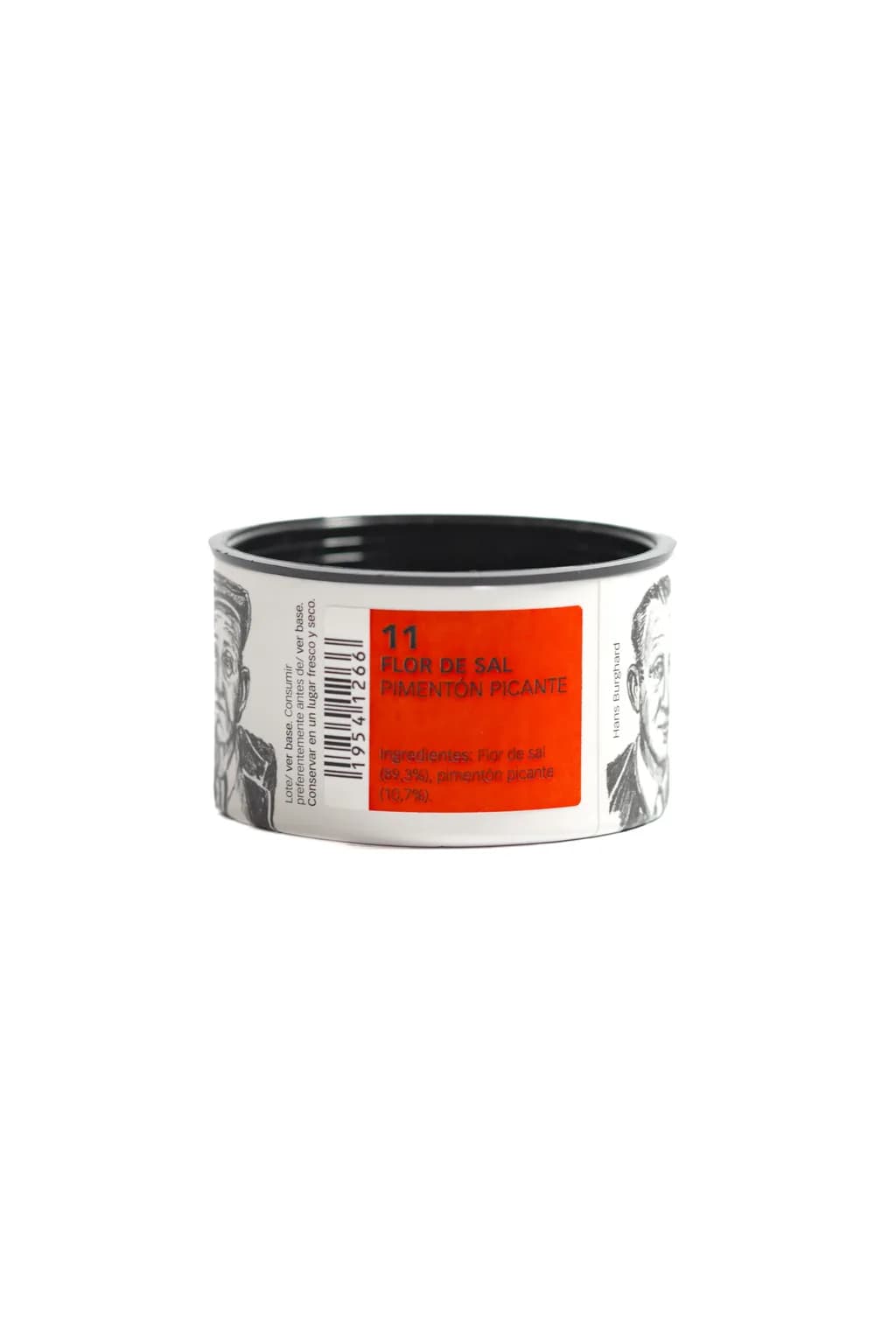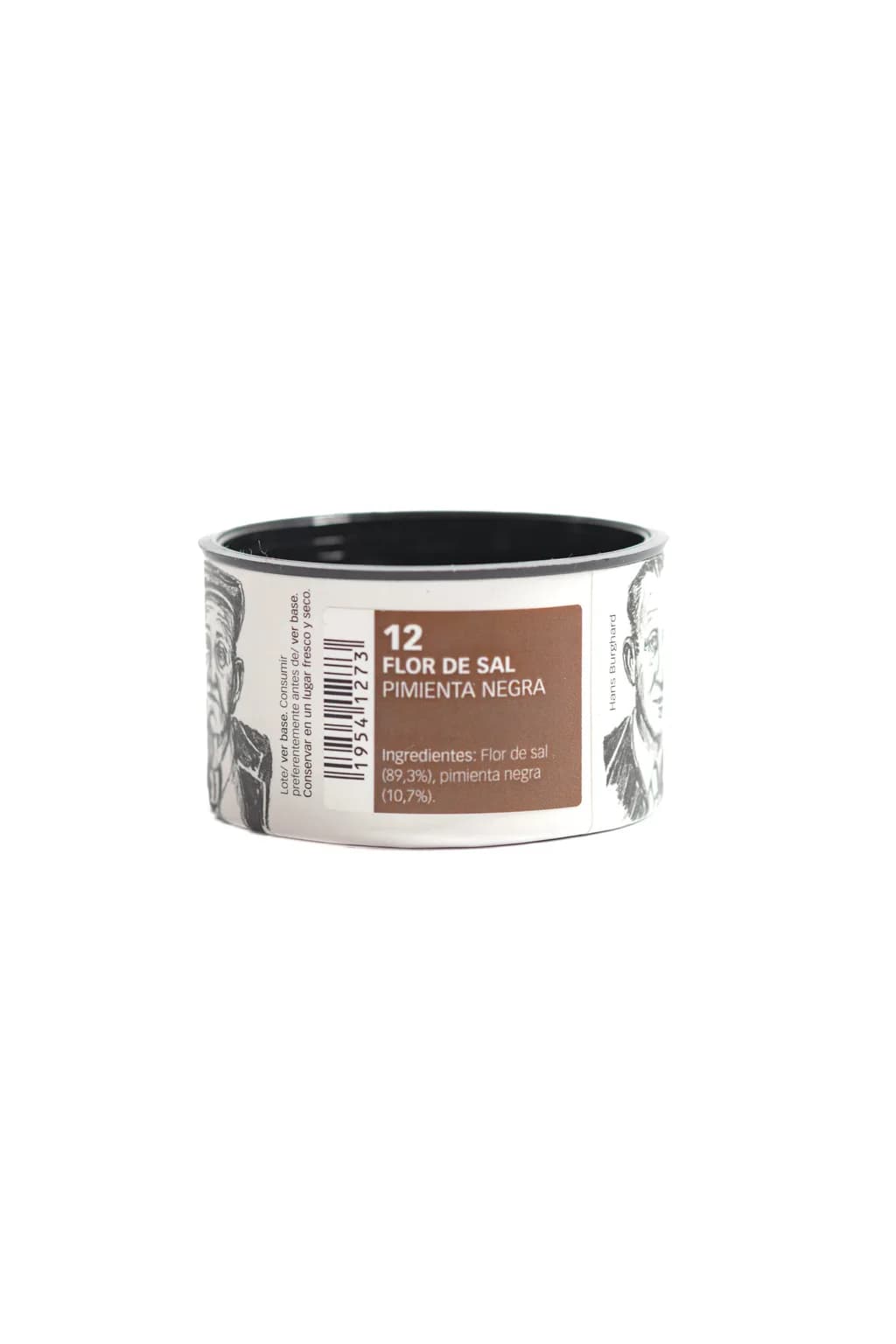
Salinas del Alemán

Since 1954
Pantry
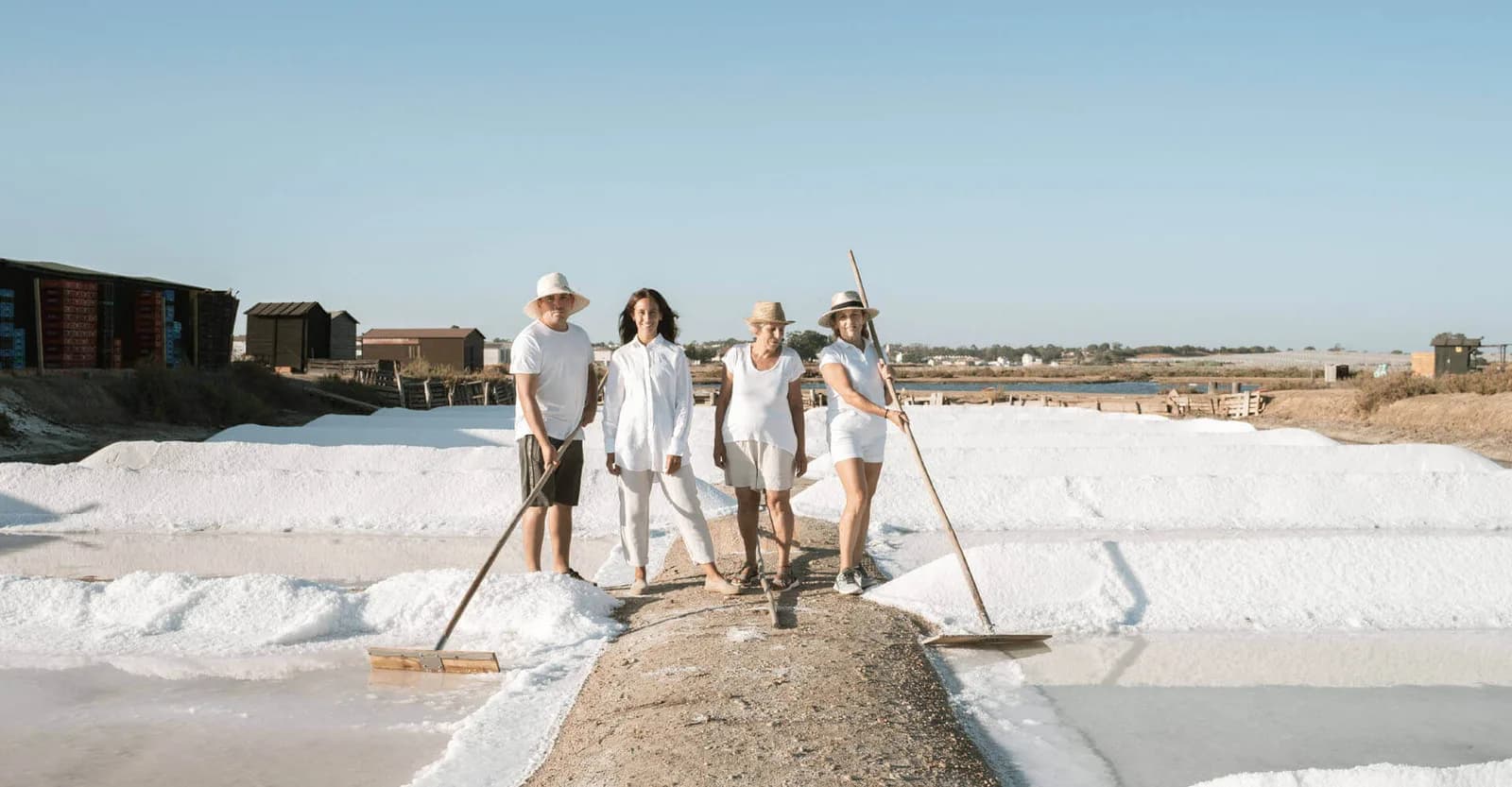
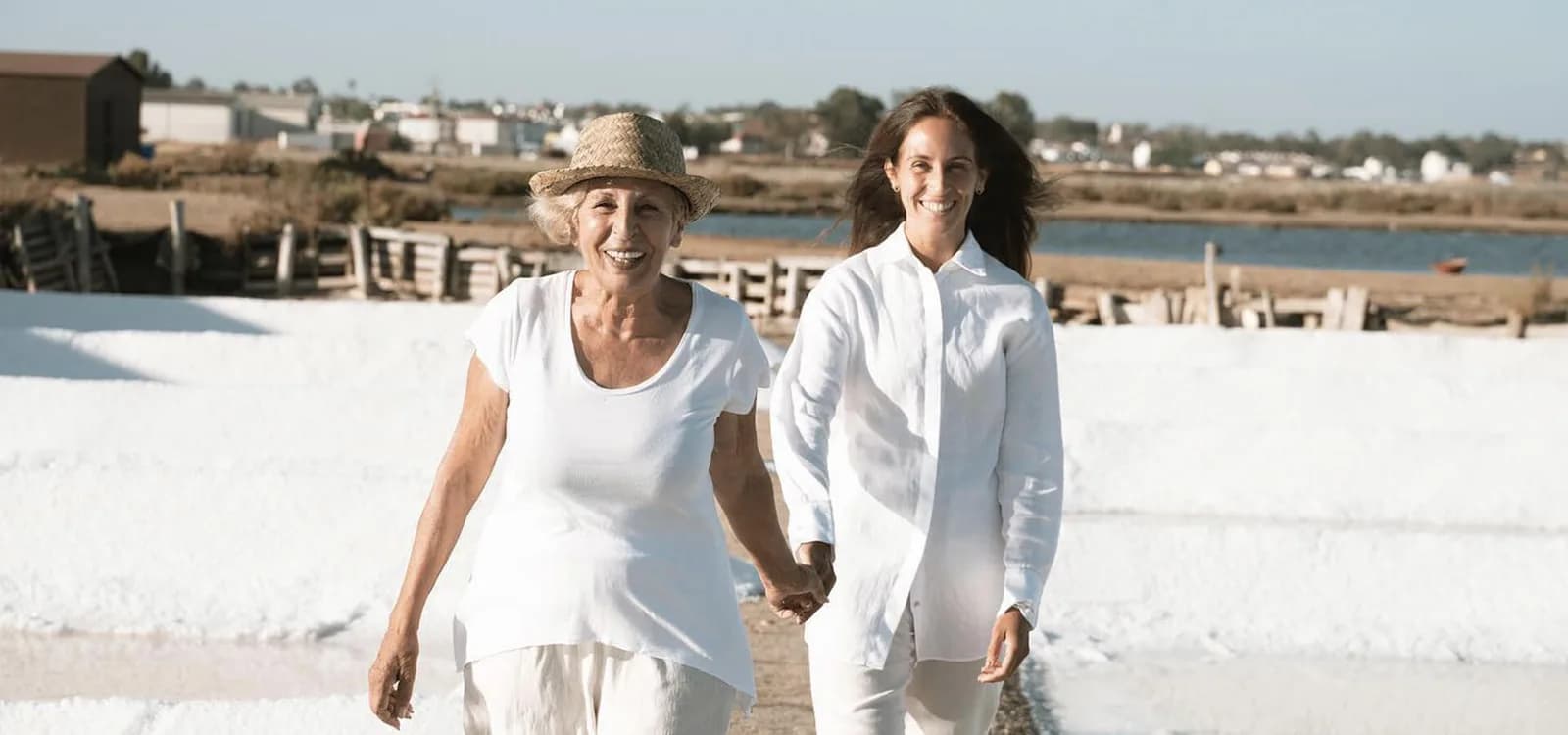
Manuela Gómez Santana and the Gómez family

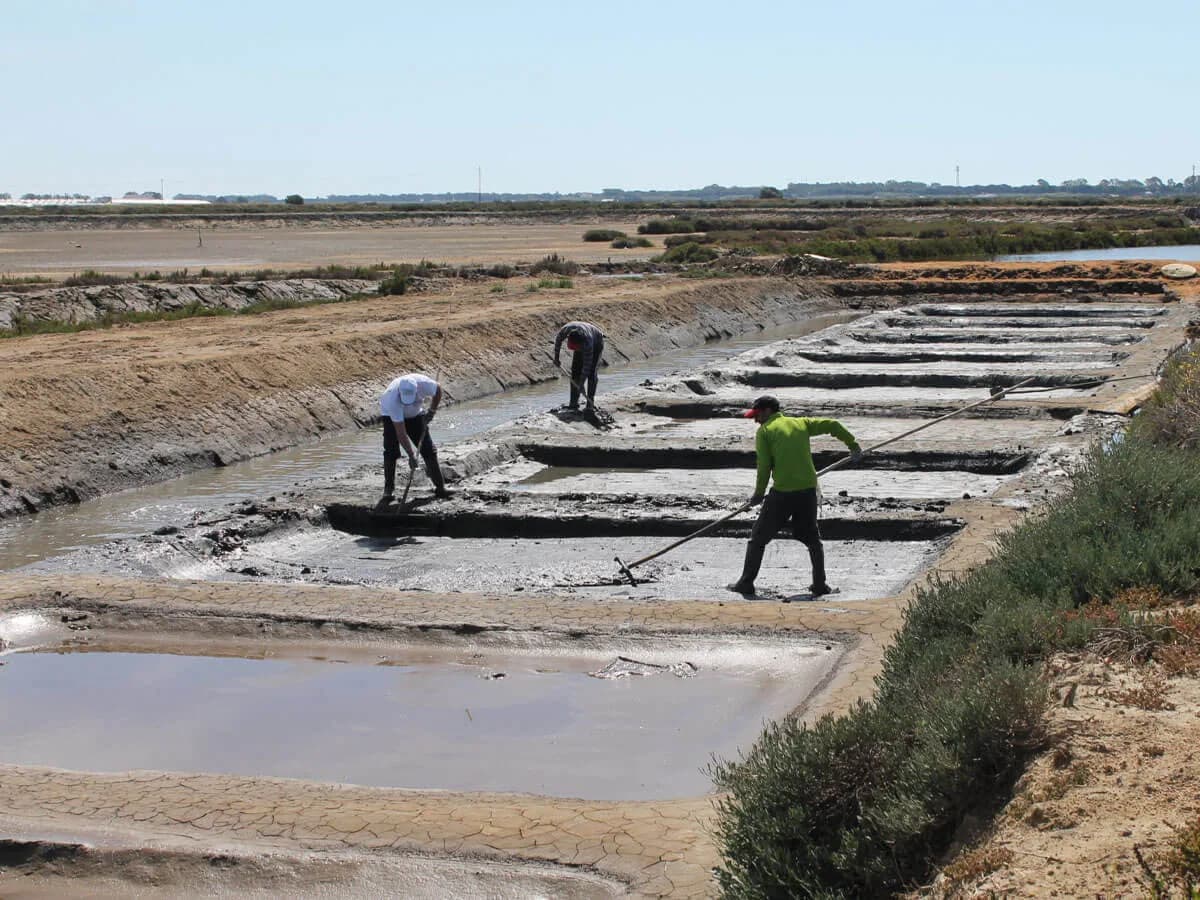
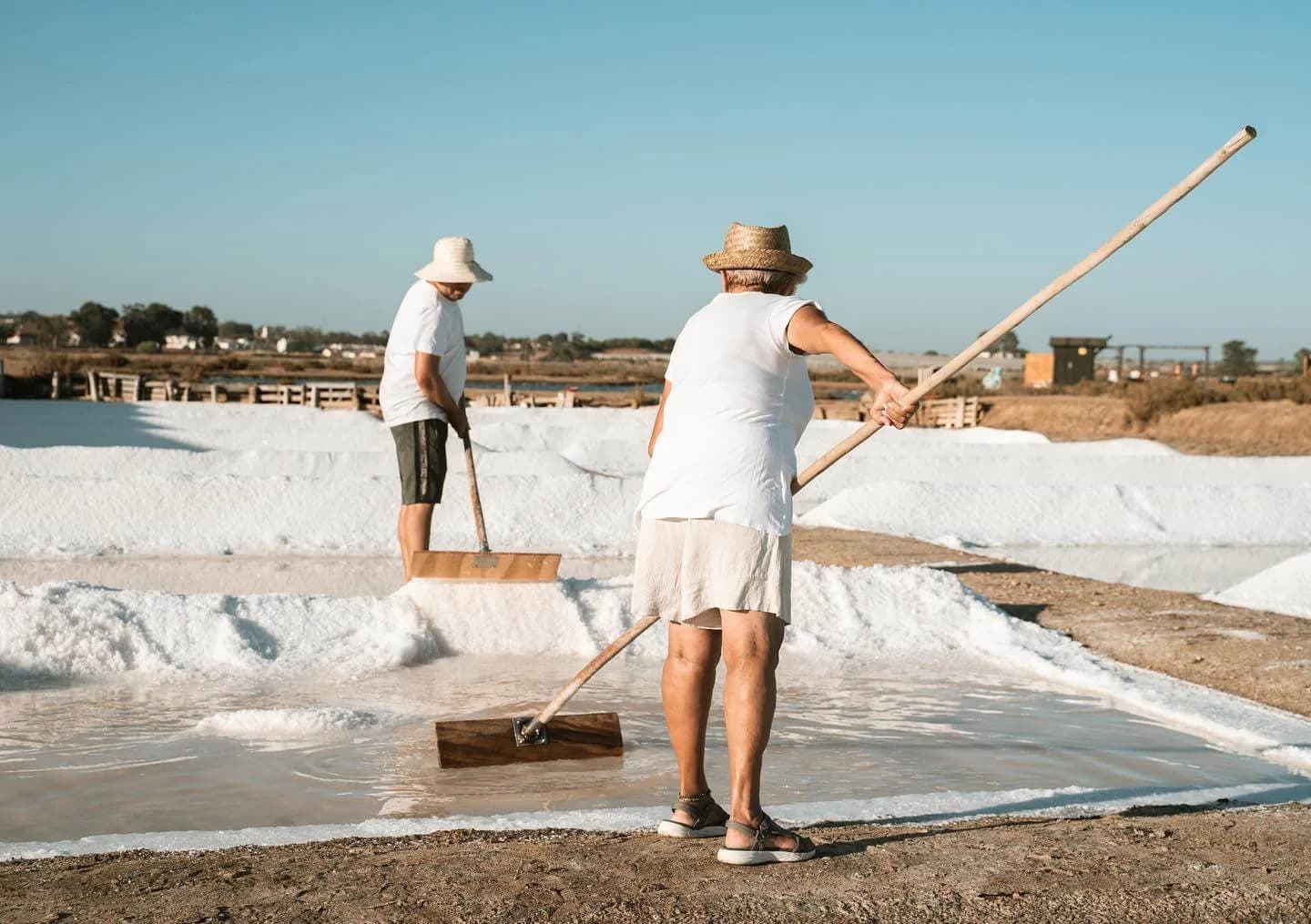
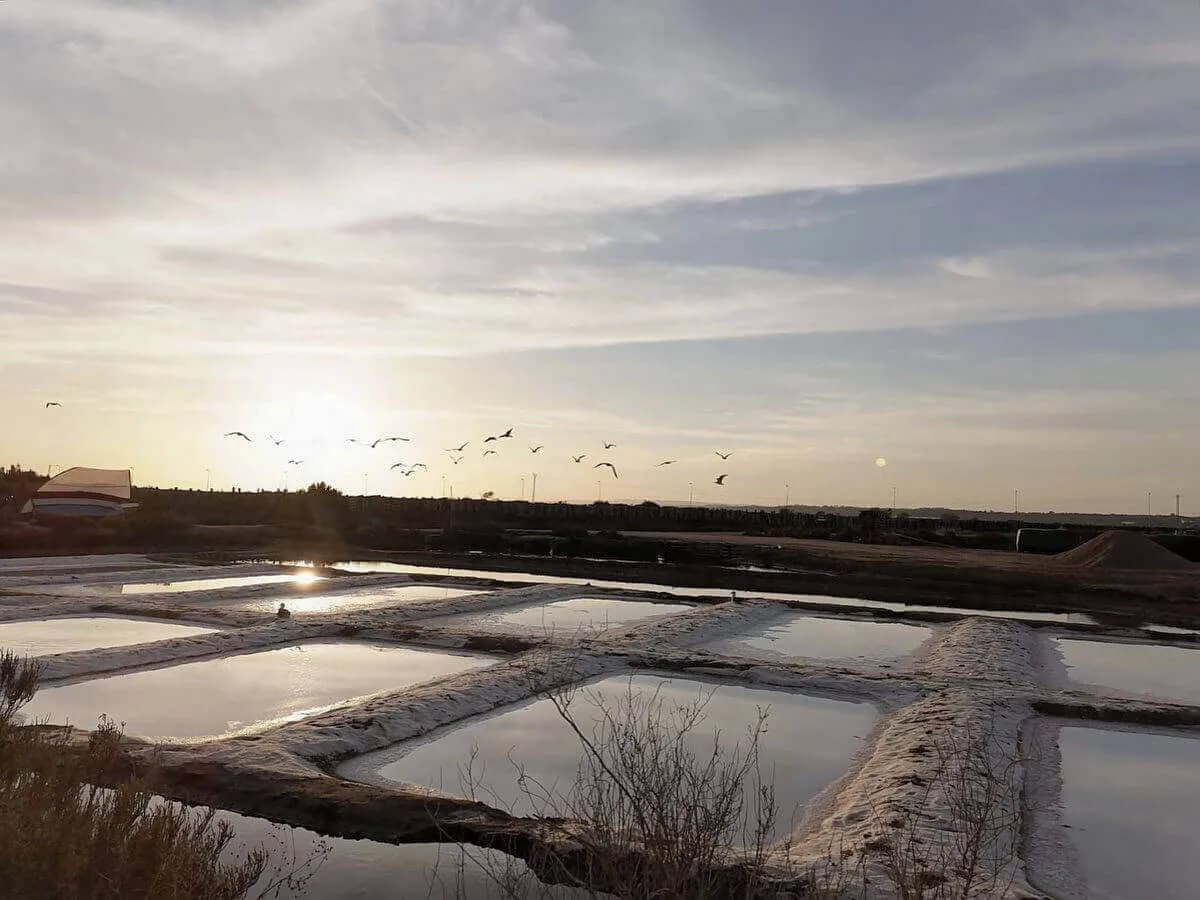
In the marshes of Isla Cristina, on the Atlantic coast of Huelva, the Gómez family has raked salt by hand since 1954, in the last salt pans of that coast still worked the traditional way.

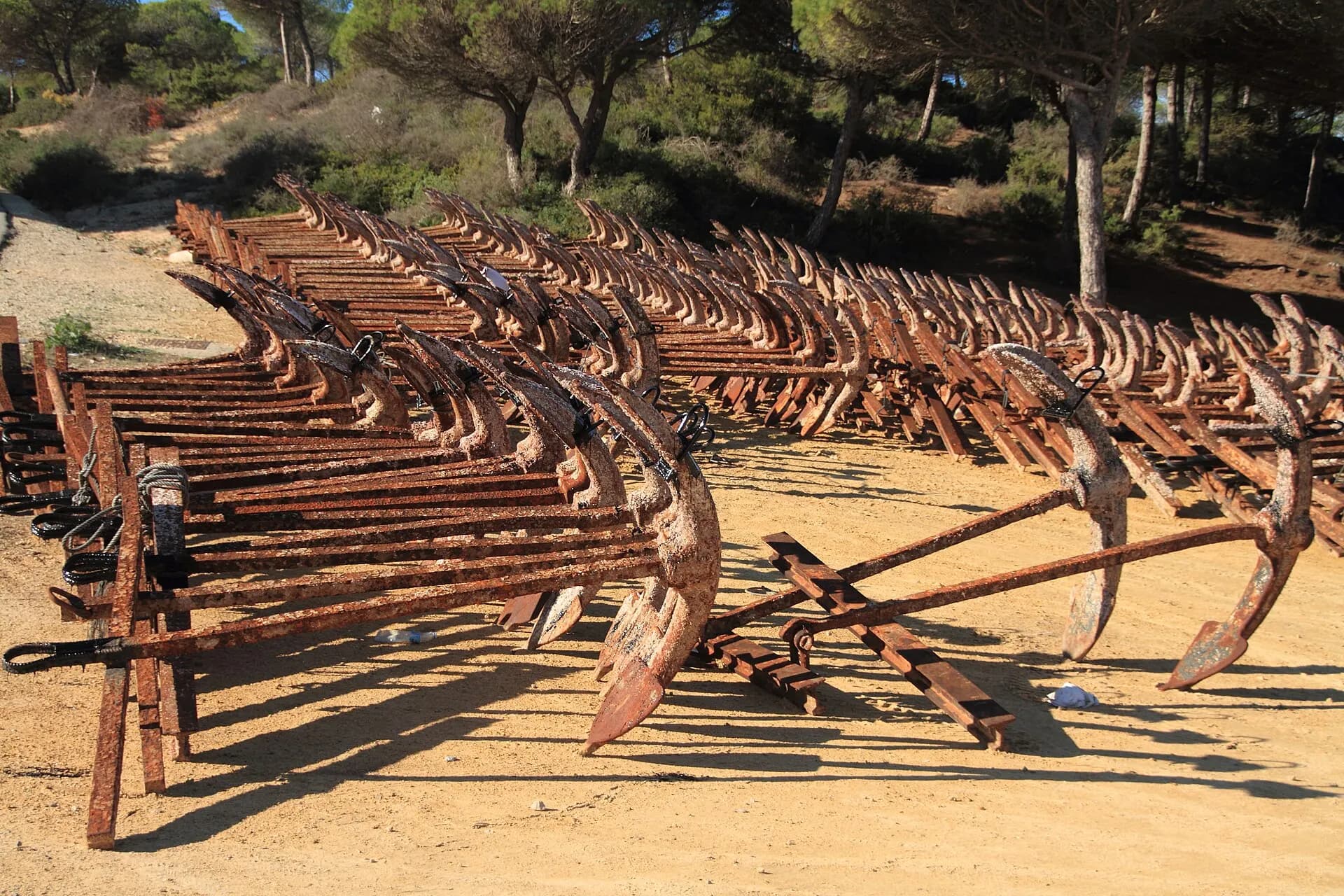
Salt has been made on this coast for a long time. In Roman times fish was salted at Punta del Moral, next to Isla Cristina, and in the 18th and 19th centuries salt pans spread from Ayamonte to the mouth of the Guadalquivir to supply the fish salting trade. By the early 20th century there were 22 of them. From the 1950s they began to close.

The salt pans of Isla Cristina were built in 1954 for German owners, to supply salt to Biomaris, a German cosmetics company. Manuel Gómez, a young man from the town, was in charge of the works, and once they were finished he took out the salt and sent all of it to Germany. In 1985 the salt pans became his.

In 2003, with Manuel too old to carry on, the salt pans were taken off the register. His daughter Manuela Gómez would not let them be abandoned. A French visitor told her how much flor de sal was prized in France, and she began to harvest it, and salt flakes too, next to the coarse virgin sea salt her father had always made.

From 2013 she also opened the salt pans to guided visits. Today Manuel's granddaughter, Sabina Limón Gómez, and her siblings are the third generation. About ten people work the 14 hectares of pans, which give some 250 tonnes of virgin sea salt a year.
Awards

  • One of the three best cross-border projects of women's entrepreneurship, chosen in 2025 by the Eurocidade do Guadiana and EURES Andalucía Algarve.
  • Medio Ambiente y Ahorro Energético award of the FOE, the business federation of Huelva, in 2019.

What sets them apart

01

The last traditional salt pans on the Huelva coast. Of the 22 salt works that lined the coast from Ayamonte to the mouth of the Guadalquivir in the early 20th century, the Andalusian Institute of Historical Heritage wrote in 2019 that this is the only one still harvested the traditional way.

02

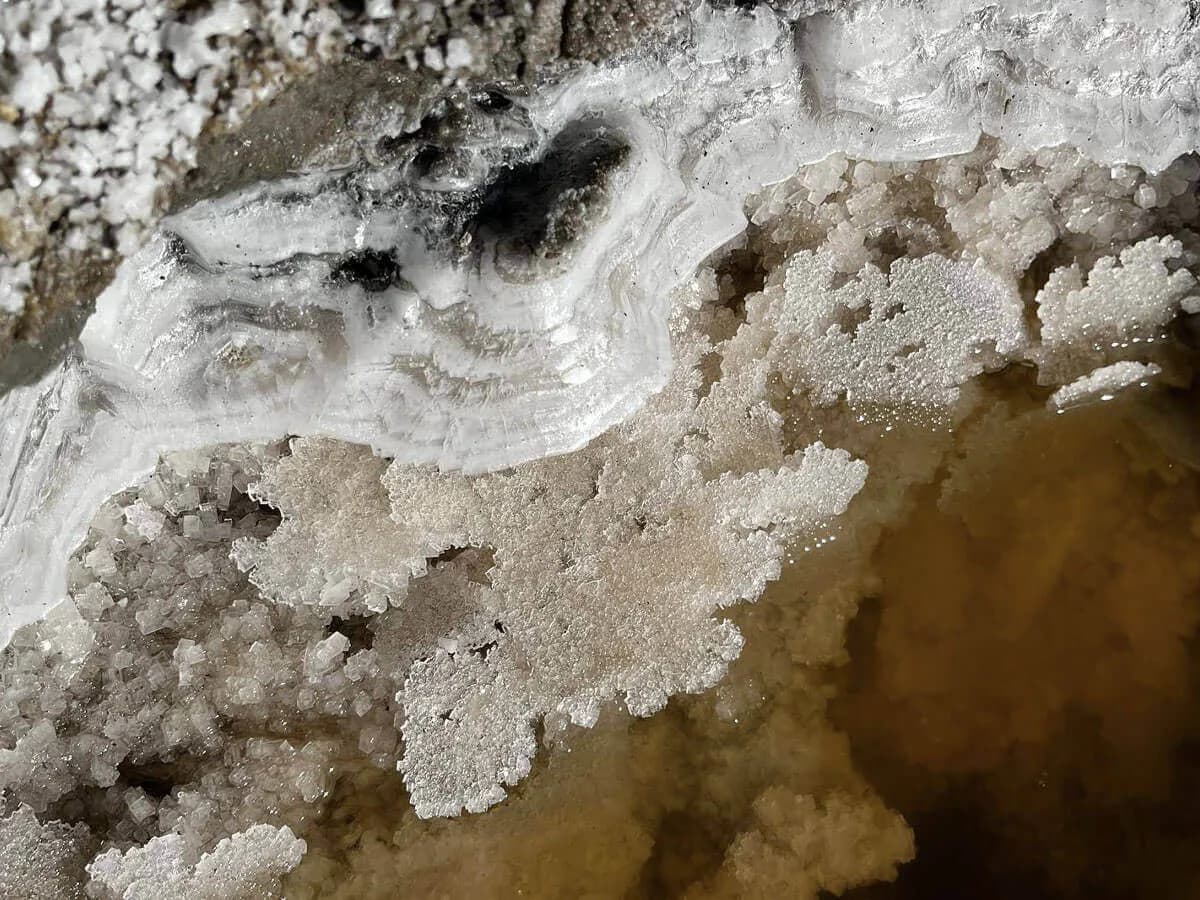
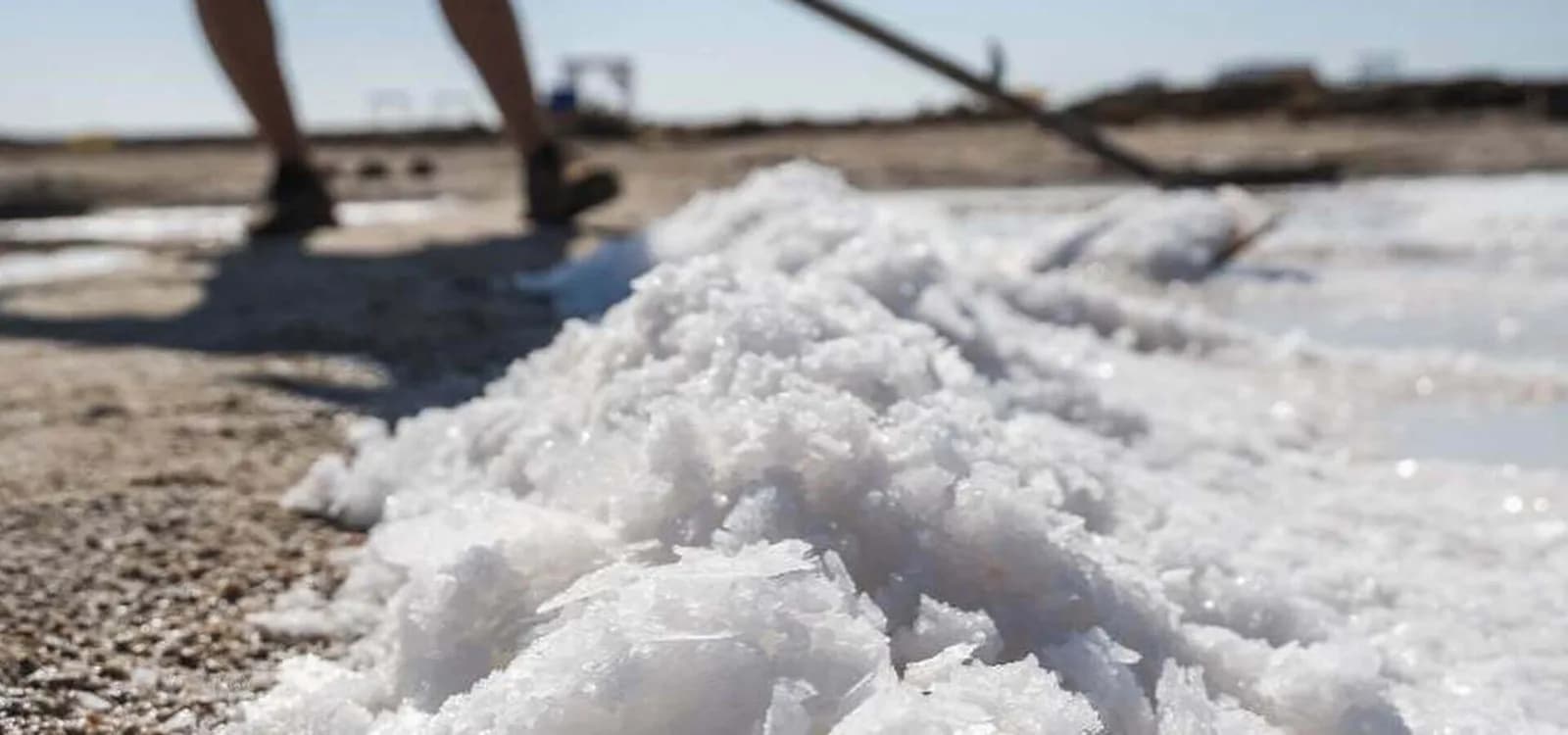
Raked by hand, with nothing added. The salt workers harvest crystallisers whose beds are marine mud, with the robadillo and tools of wood and cork. The salt is never washed, caked or bleached, and no anti-caking agent goes into it.

03

Certified organic. In 2022 CAAE gave Salinas del Alemán the first certificate for organic salt under the European regulation that had just made salt certifiable, and the flor de sal and the flakes carry the EU organic leaf. Guía Repsol calls it the first organic salt in Andalusia.

04

Made inside a protected marsh. The 14 hectares of salt pans are in the Paraje Natural Marismas de Isla Cristina, a special protection area for birds with 132 species recorded, and avocets, spoonbills and flamingos feed in the pans.

05

A family that would not let them close. Manuel Gómez ran the works in 1954 and bought the salt pans in 1985. When they were taken off the register in 2003, his daughter Manuela brought them back and began harvesting flor de sal and salt flakes. In 2025 a cross-border jury named it one of the three best projects of women's entrepreneurship.

How they make it

Buy from Salinas del Alemán