
Salinas de Janubio

Since 1895
Pantry, Nuts and snacks
Yaiza, Lanzarote
Carlos Padrón Lleó and Carlos Padrón Marrero

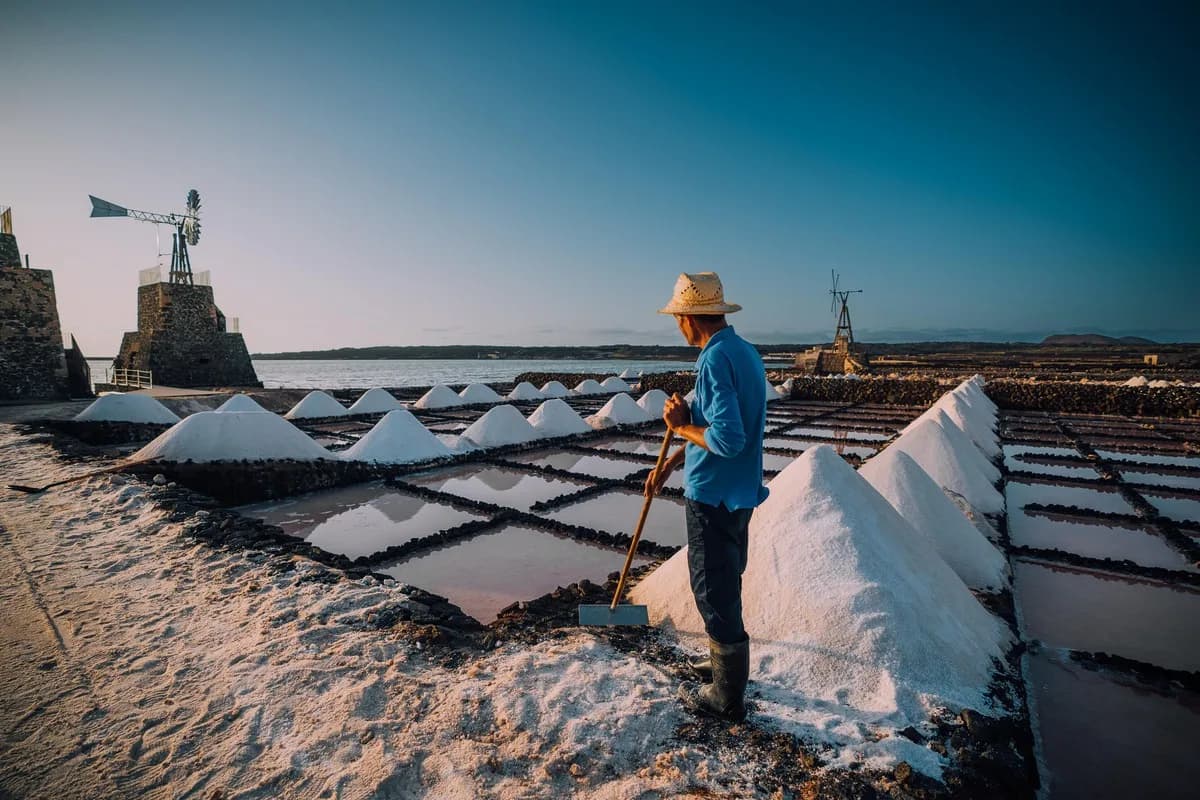
Four generations of one family take salt from the Janubio lagoon, at the foot of Timanfaya.

The eruptions of Timanfaya closed off the lagoon between 1730 and 1736. Before that it was a bay with the Puerto Real de Janubio, the busiest harbour in the south of Lanzarote. In 1895 Vicente Lleó Benlliure began building the salt pans. His nephew Jaime Lleó Mira finished them around 1945.

From 1953 they were run by Francisco Padrón Viñas, the doctor of Yaiza and Jaime's son-in-law. Today his son Carlos Padrón Lleó and his grandson Carlos Padrón Marrero run them. The salt pans once employed more than a hundred people. Today only part of the pans is worked.

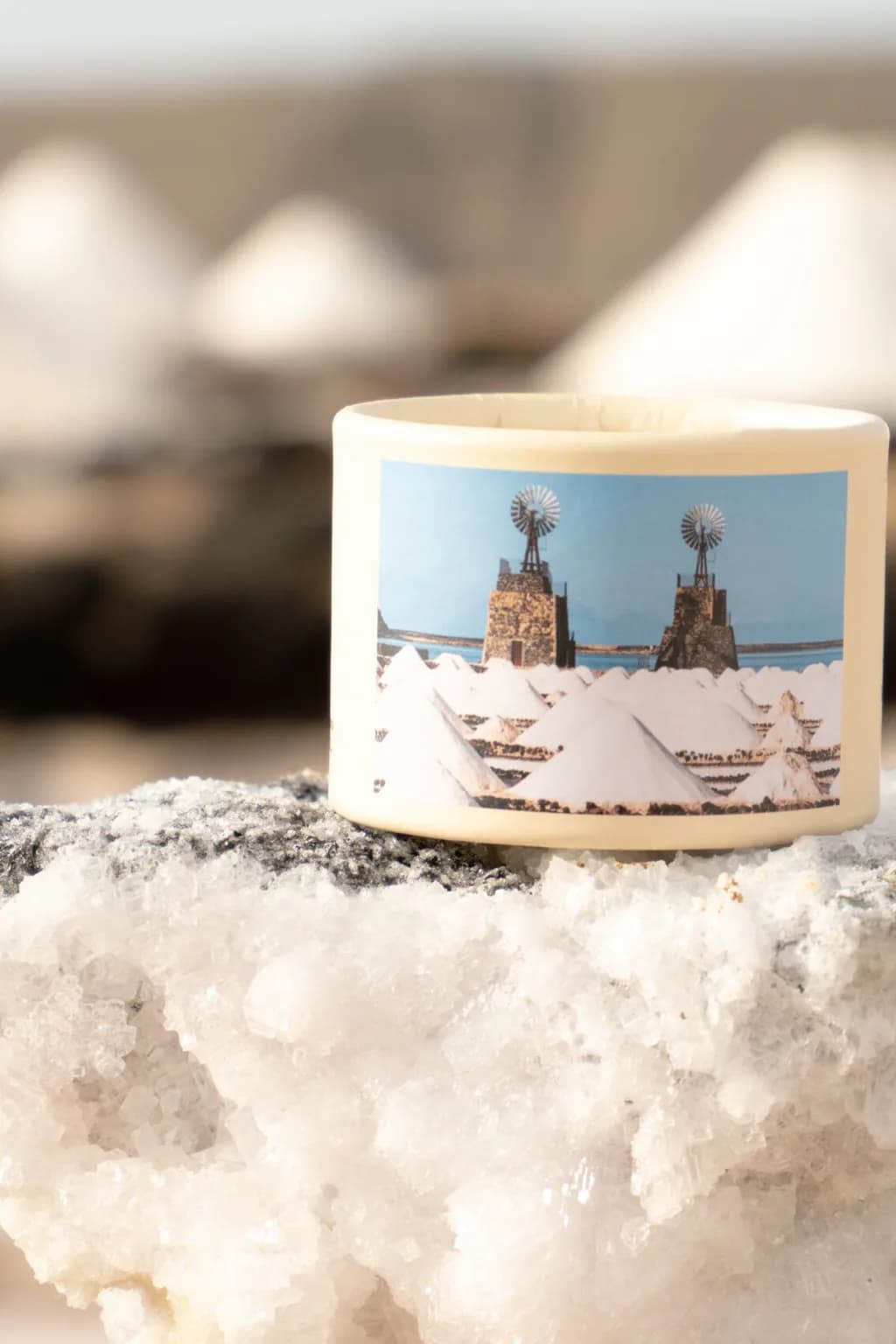
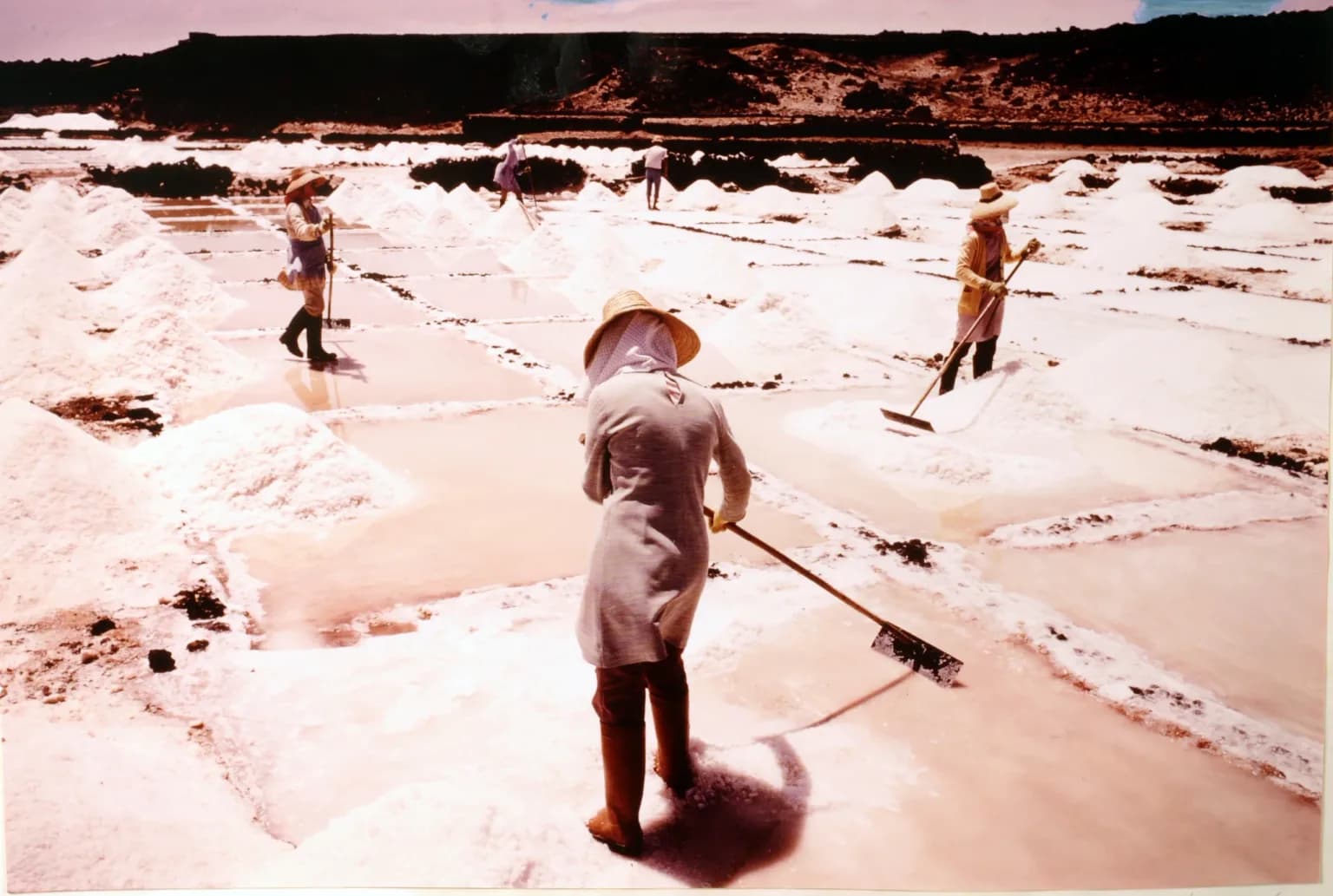
Atlantic water and the sun make the salt. The salt workers gather it with rakes, shovels and wheelbarrows.

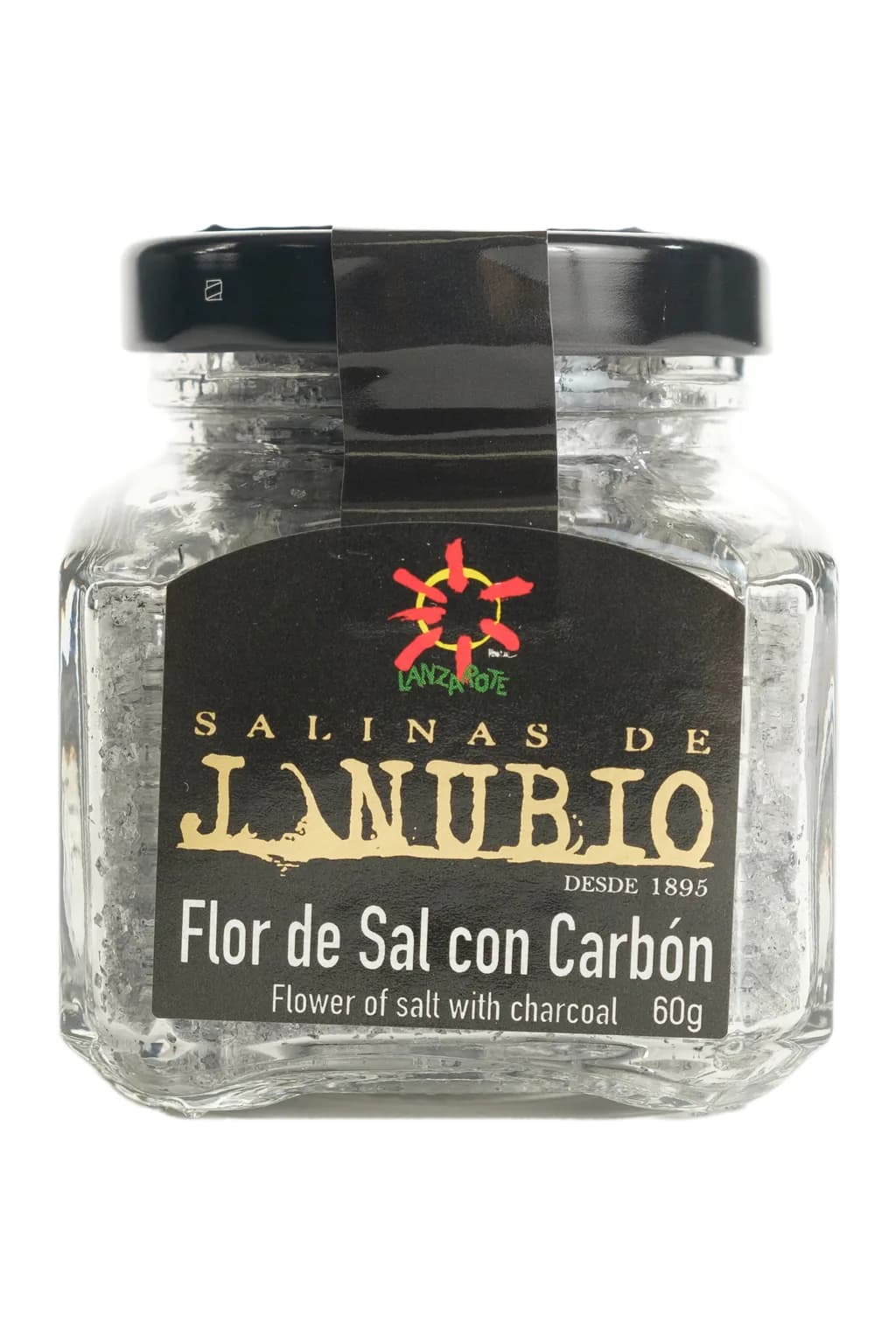
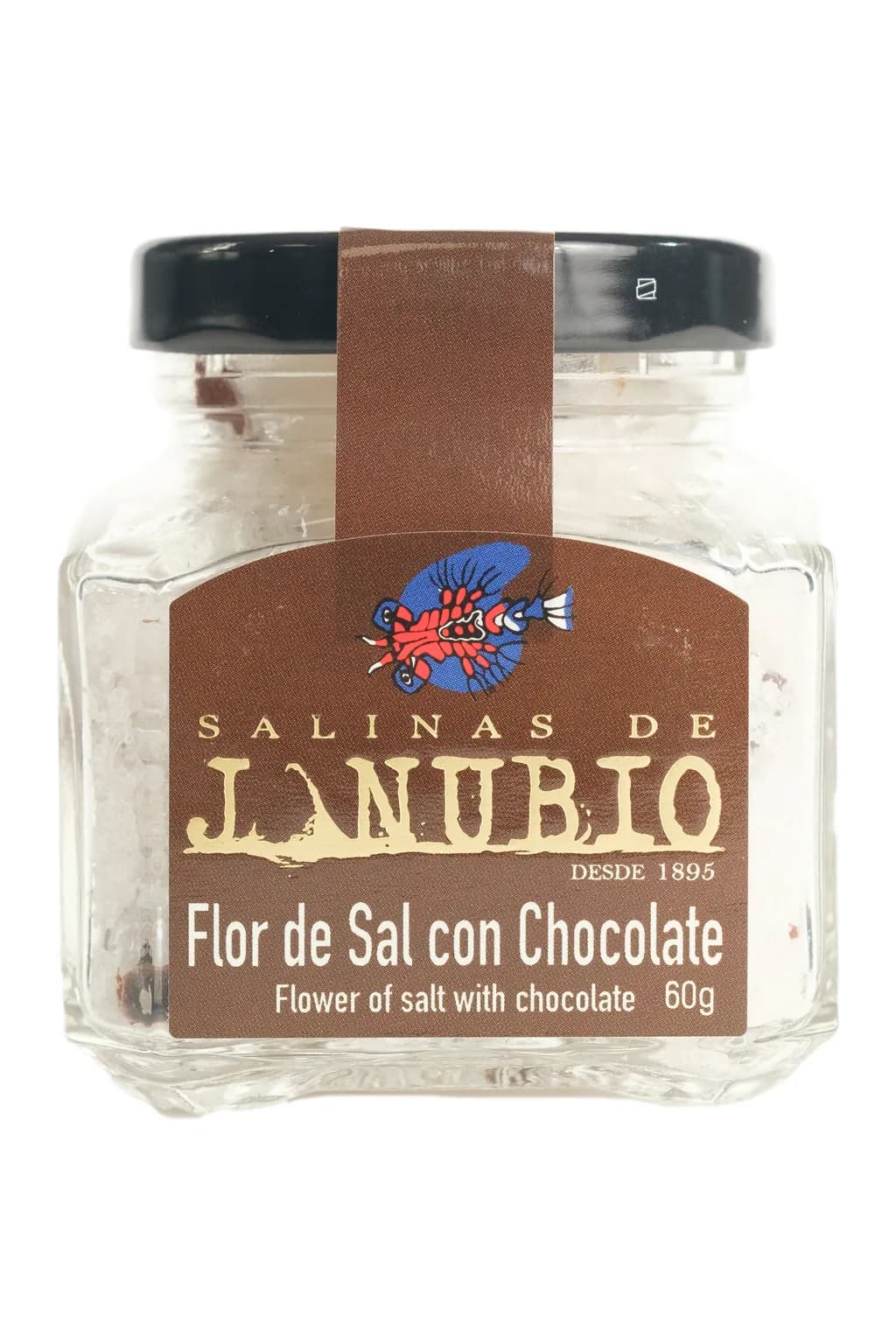
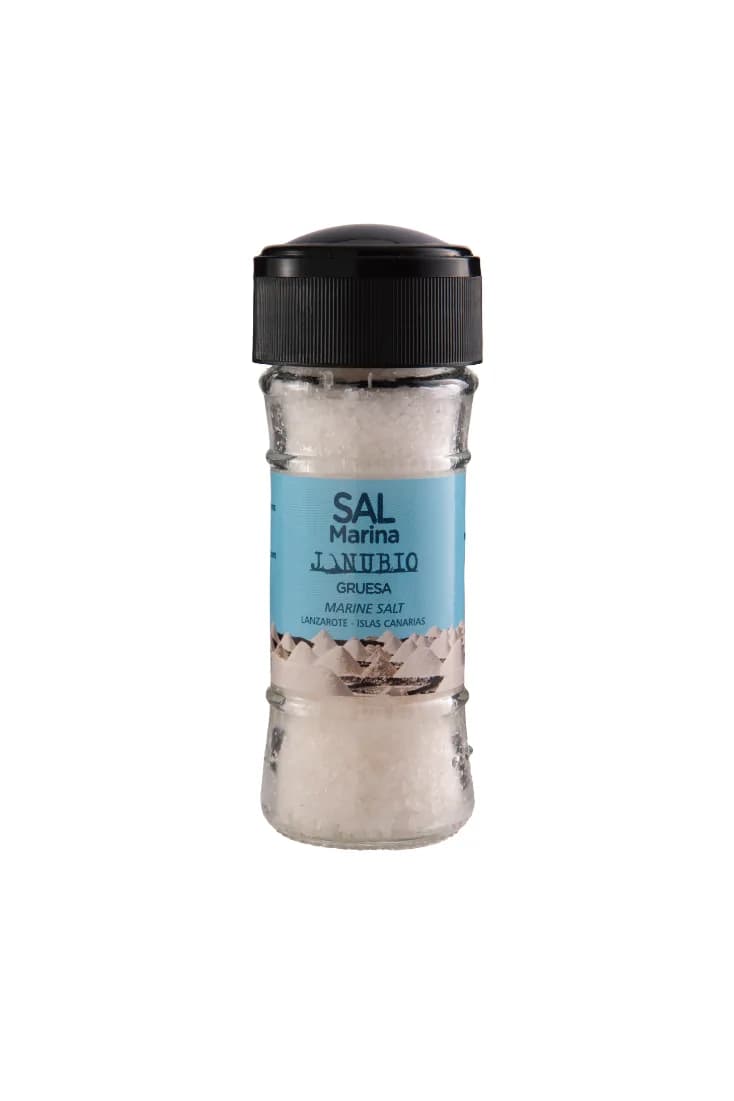
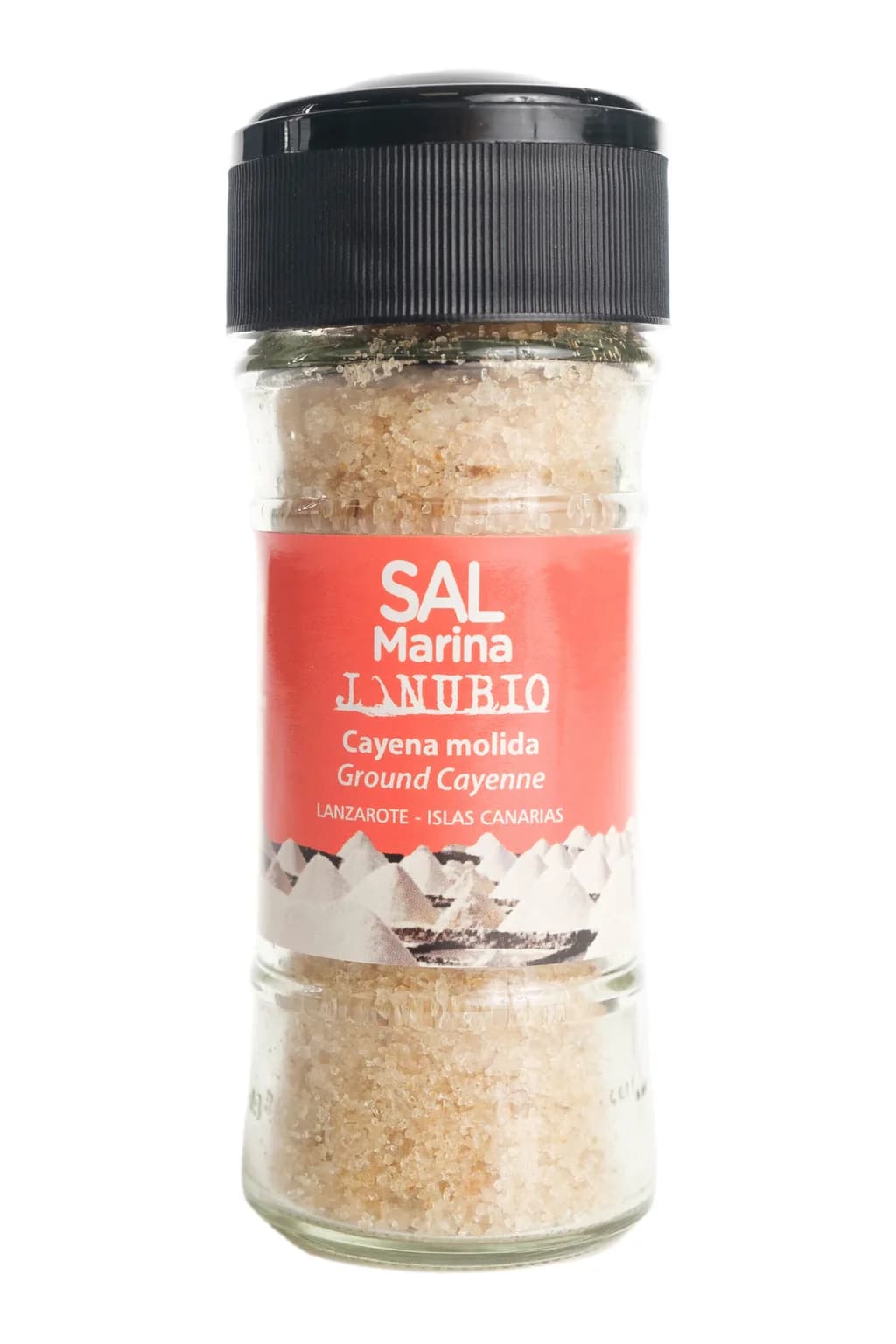
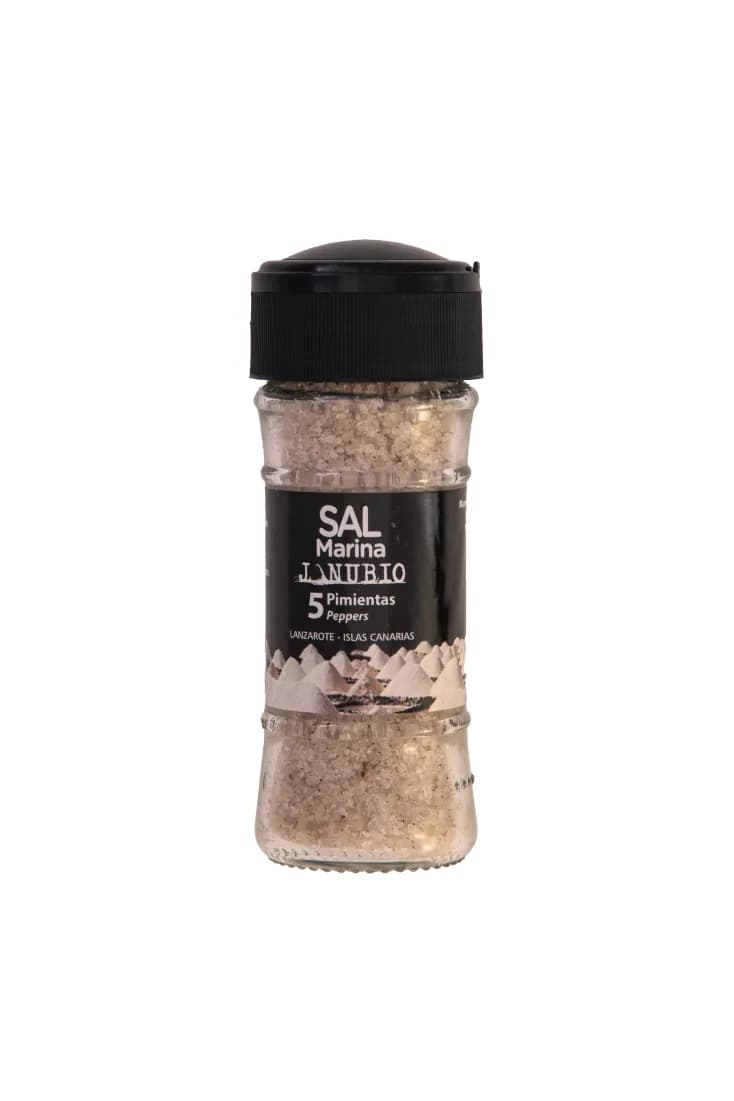
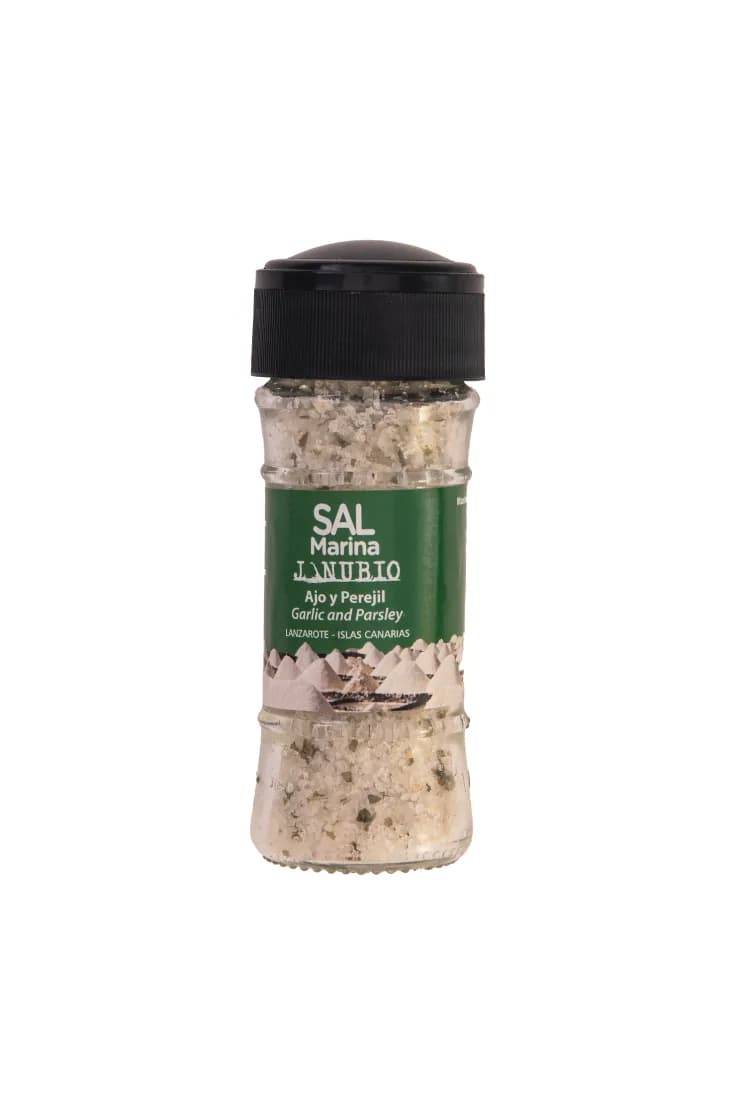
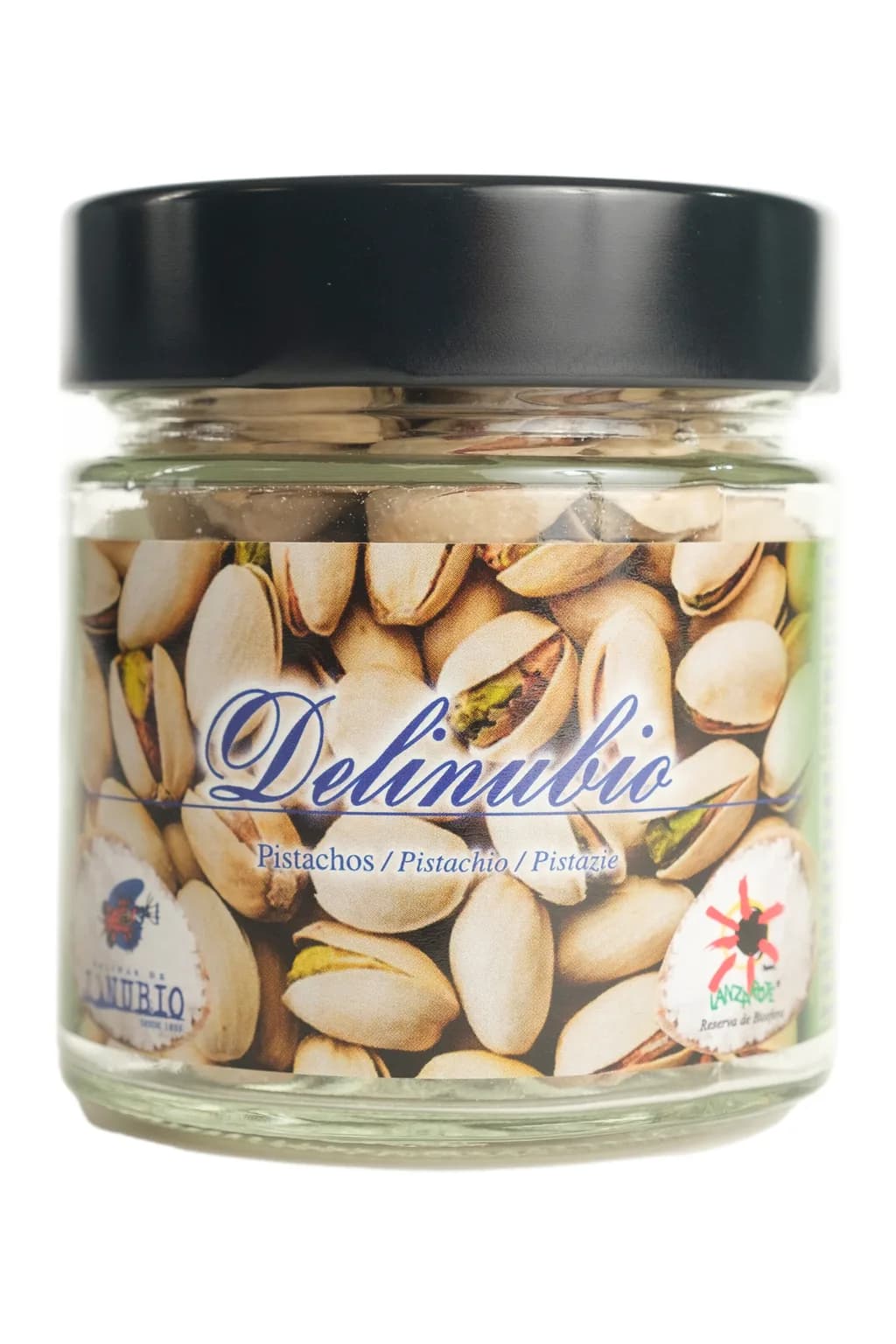
In recent years the salt works has added flavoured salts, grinders, beers and nuts made with its salt. Since December 2024 it also sells them in its own online shop, Mercanubio.
Awards

  • Silver medal at Agrocanarias 2020, for the flor de sal.
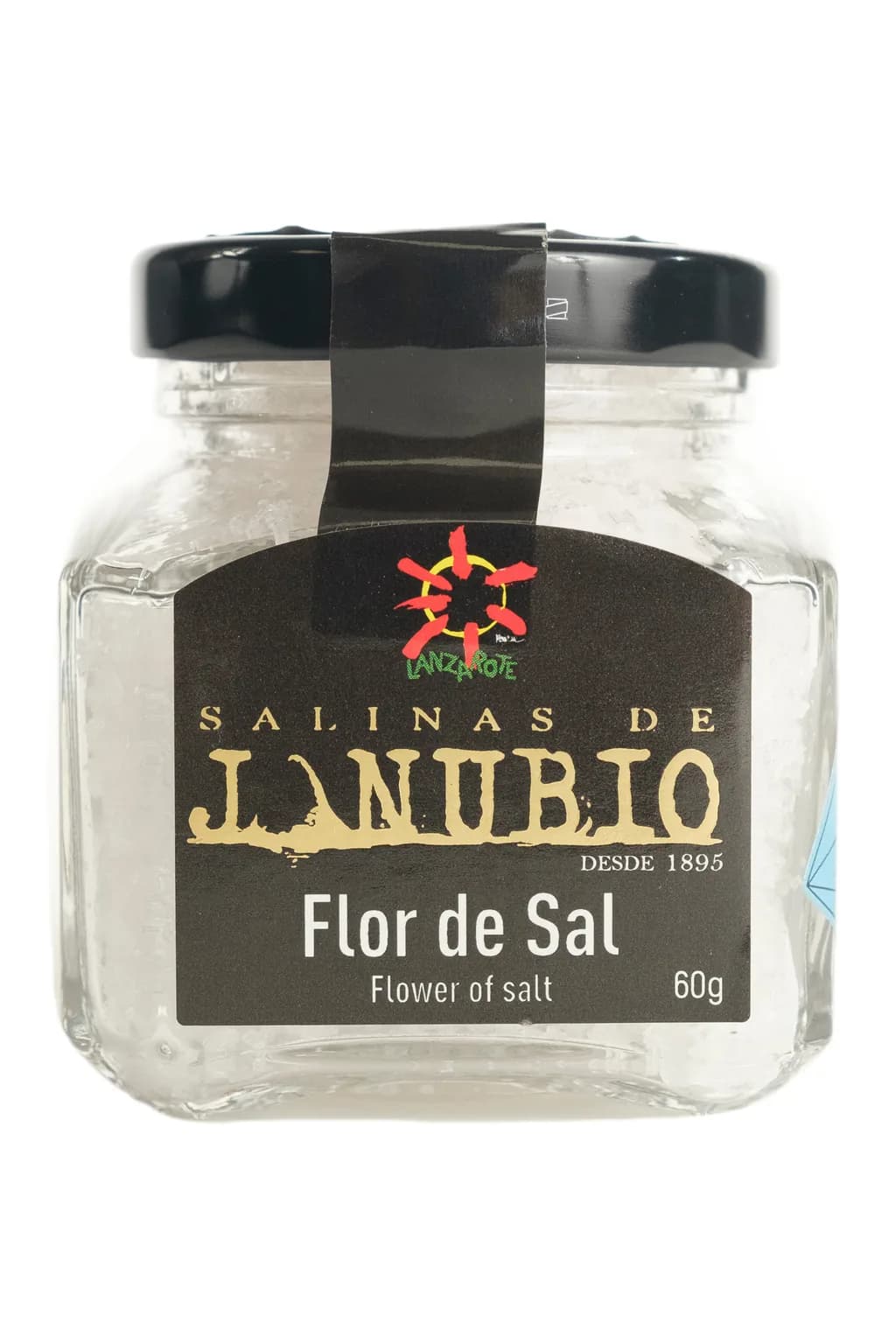
  • Best Sea Salt of the Canary Islands at Agrocanarias 2022, for the flor de sal.
  • Gold medal at Agrocanarias 2023, for the flor de sal.
  • Prize for best innovation, image and presentation at Agrocanarias 2023, for the set of nine 100 g salt boxes.
  • Grand gold medal at Agrocanarias 2024, for the virgin sea salt.
  • Gold medal at Agrocanarias 2024, for the flor de sal.
  • Jameo de Oro for Cultural Heritage 2024, from the Cabildo de Lanzarote, for the salt works.

A day with Carlos Padrón Lleó and Carlos Padrón Marrero

The harvest runs from May to October, the sunniest months. It is all handwork, with rakes, shovels and wheelbarrows. Both men and women work the salt.

The rest of the year goes on repairs.

Carlos Padrón Marrero joined the company in 2018, when he finished his studies.

Guided tours last about ninety minutes, in Spanish and English. They go from the evaporation pools to the hand harvest.

How they make it

1

In the evaporation pools, the cocederos, the sun slowly takes the water away.

2

In the final pans, the tajos, the salt crystallises. On the surface, as the temperature swings between night and day, the flor de sal forms.

Buy from Salinas de Janubio