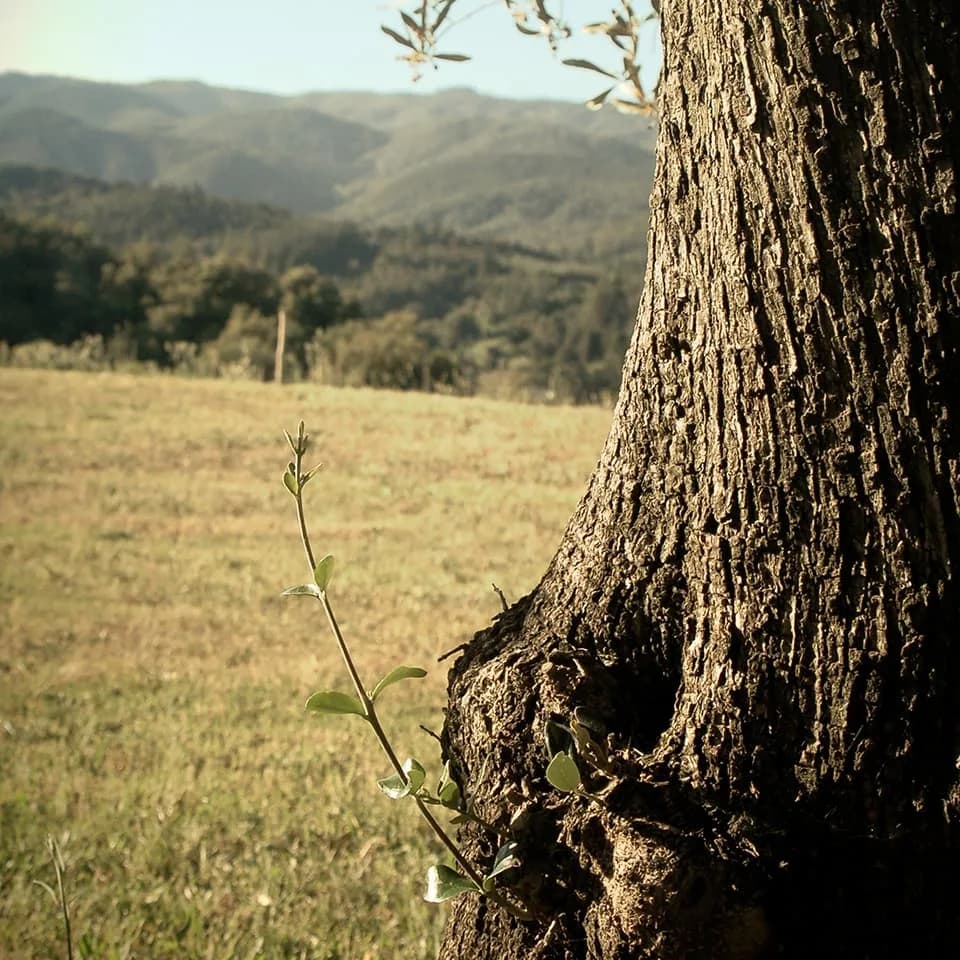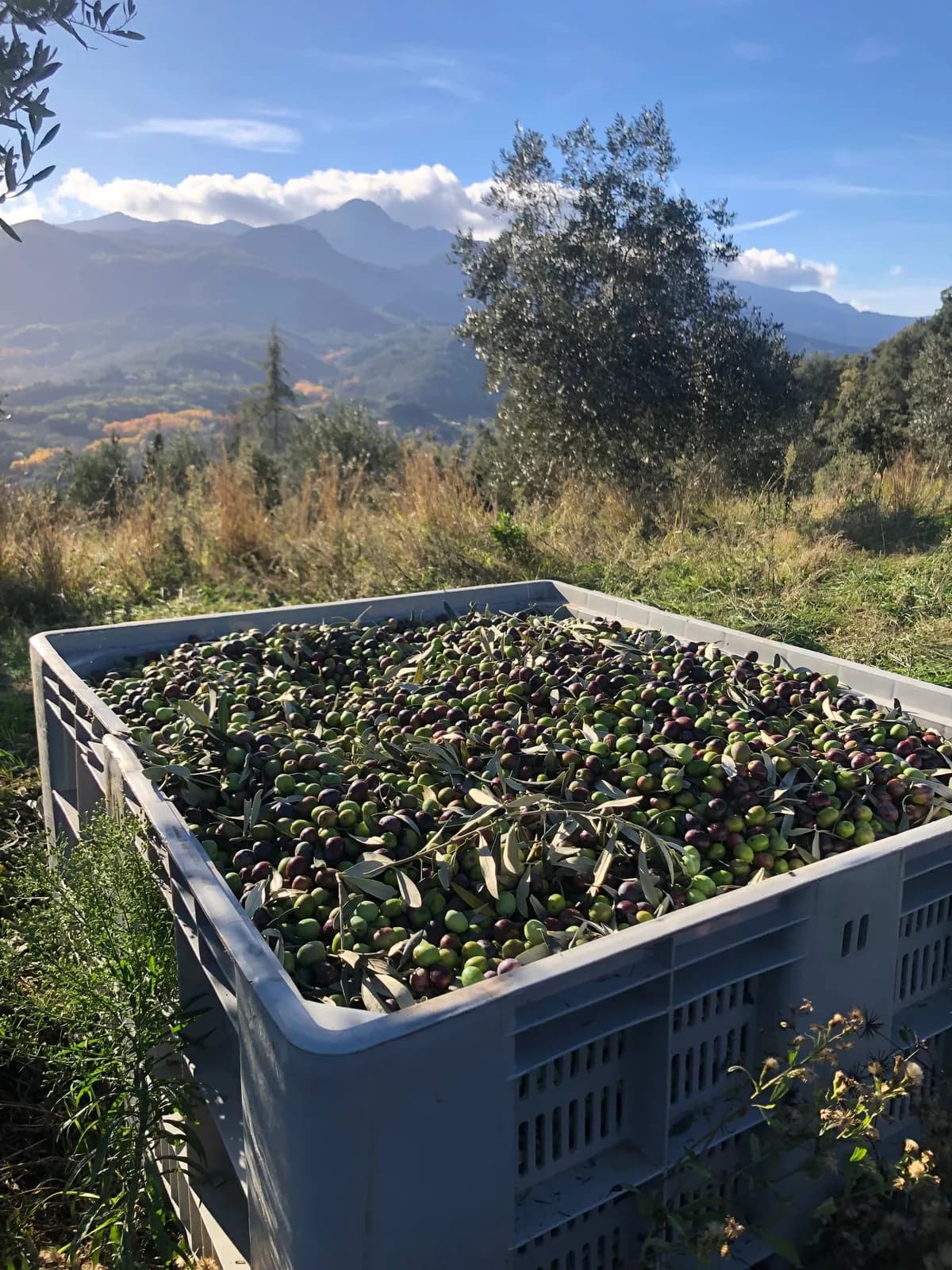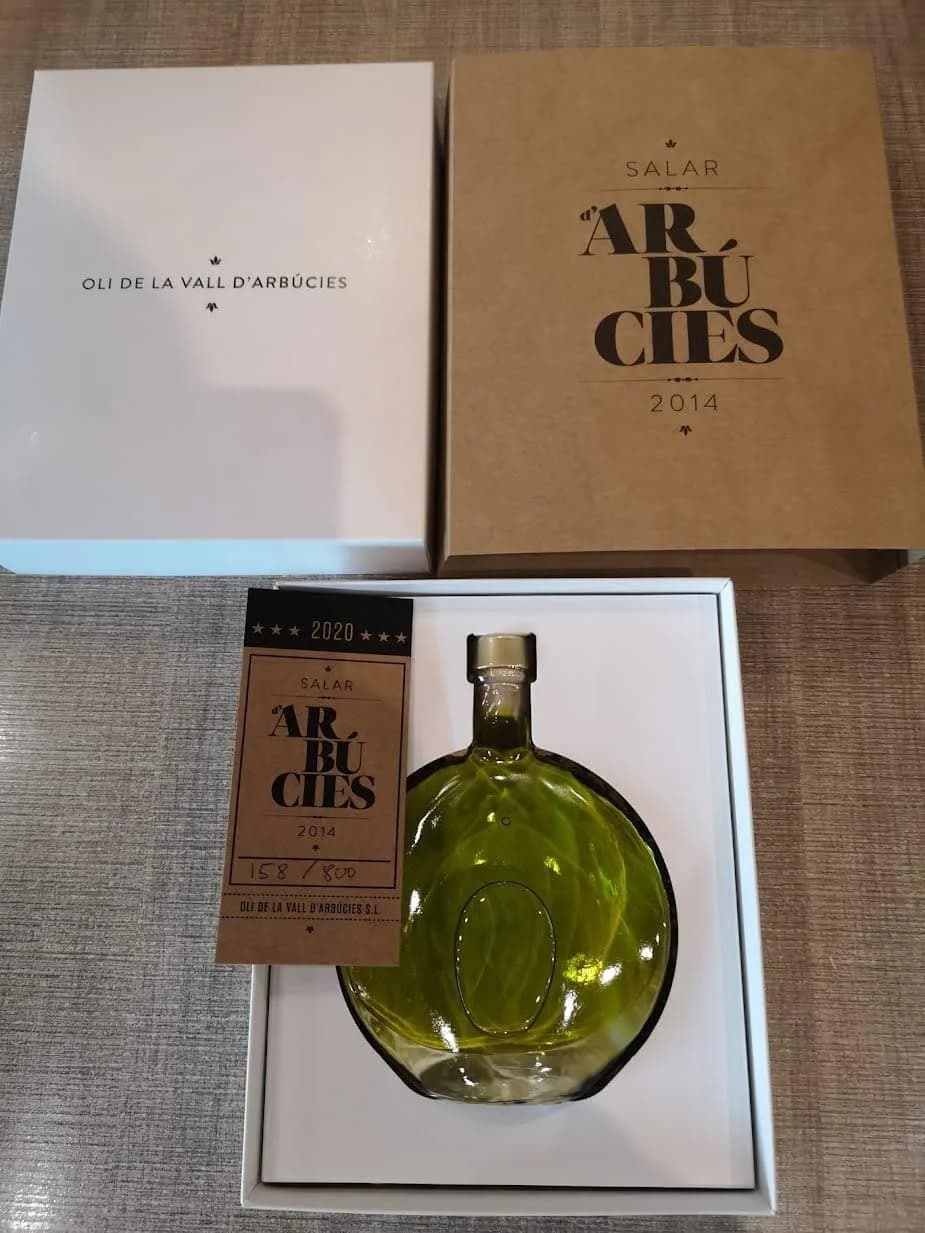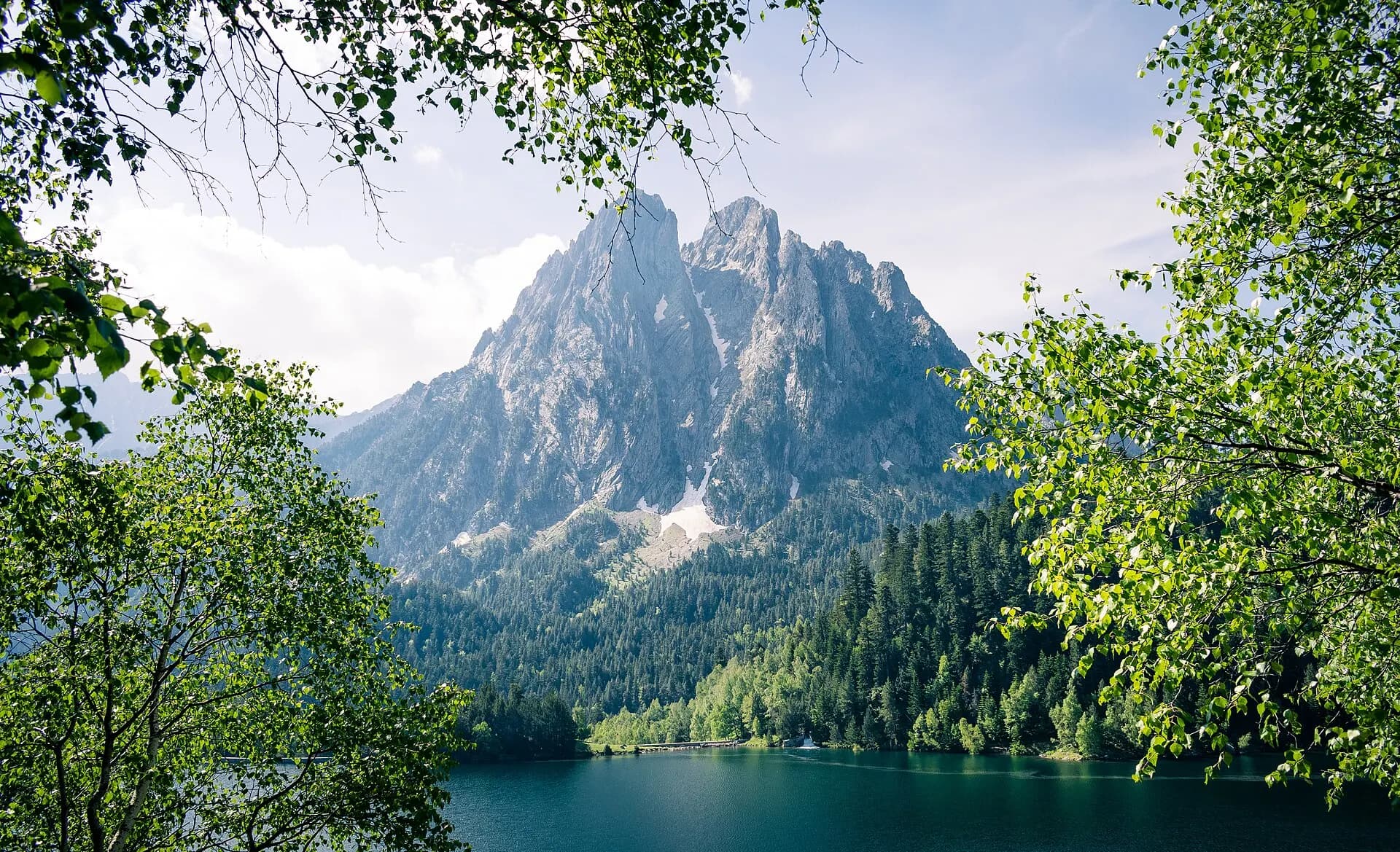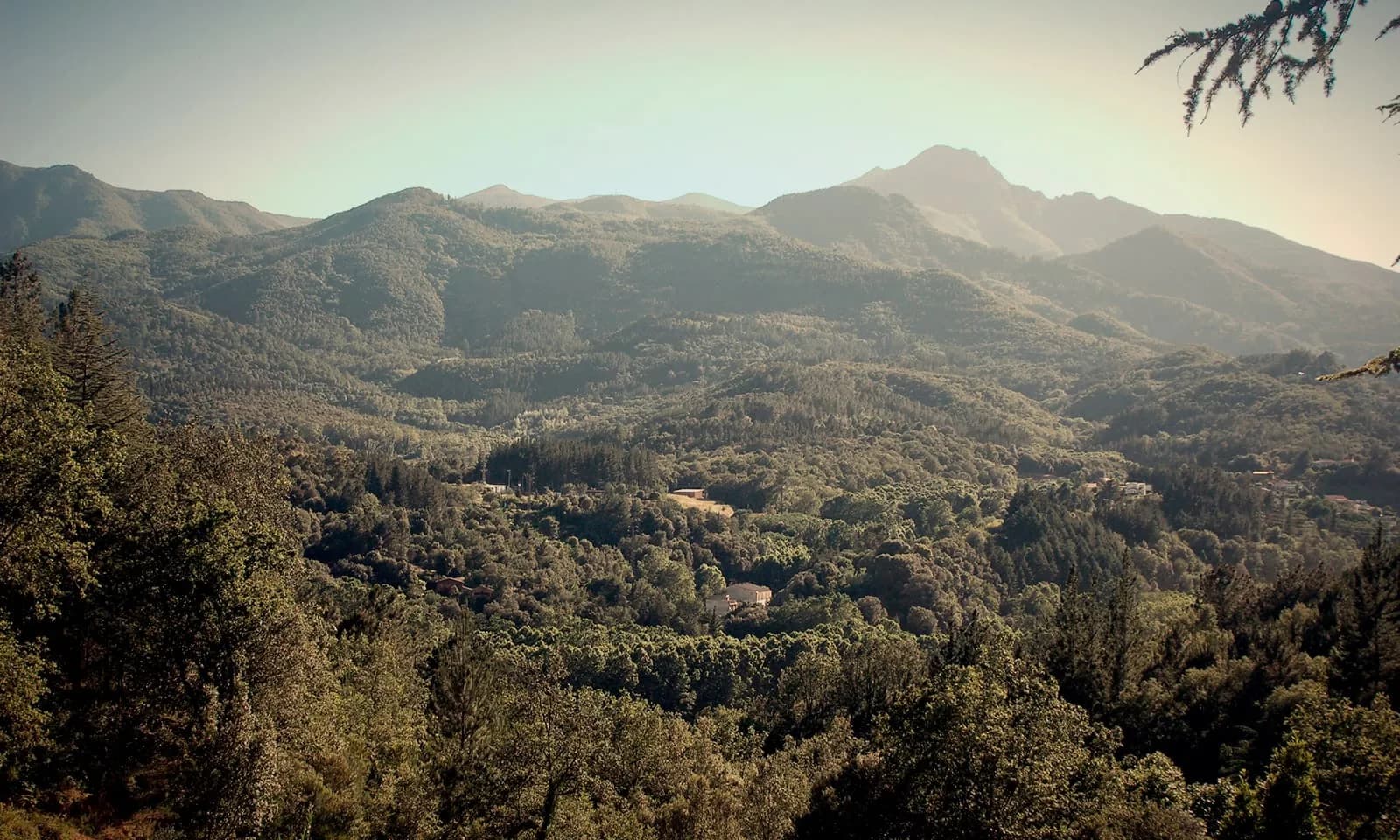
The Arbúcies valley, on the north face of the Montseny, has grown olives for centuries. Oil jars from the 14th century have turned up at the castle of Montsoriu, and until the middle of the 20th century the valley had eight working oil mills. People there named two kinds of olive tree: the oil tree and the salar tree, whose fruit was cured in water and salt as a table olive. That is where the name Salar d'Arbúcies comes from.
The frost of 1956 killed 70% of the olive trees in the valley. The crop was given up and the old stumps were pulled out. In 2012 the town council of Arbúcies commissioned a study of the valley's old varieties. Genetic tests showed that the salar tree was native to the valley, and chemical and tasting analyses rated its oil as high-end.
In 2014, 24 neighbours who also owned the old vineyards of Arbúcies founded Oli de la Vall d'Arbúcies to bring the olive back. Research funded by the Catalan Department of Agriculture and the European agricultural fund chose a single old tree, the clone they call G21, as the mother plant. Every new tree comes from it, and only the partners may grow it.
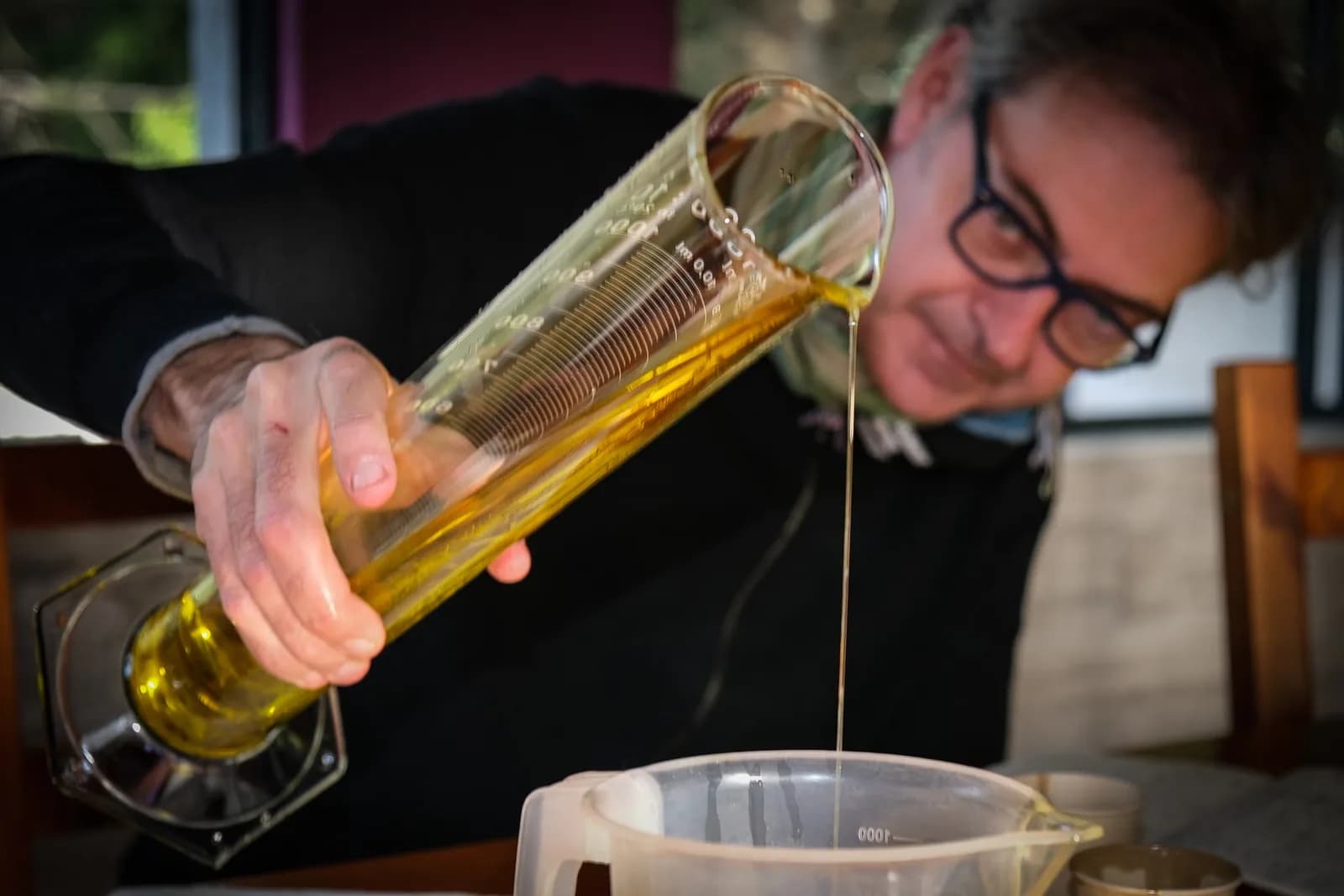
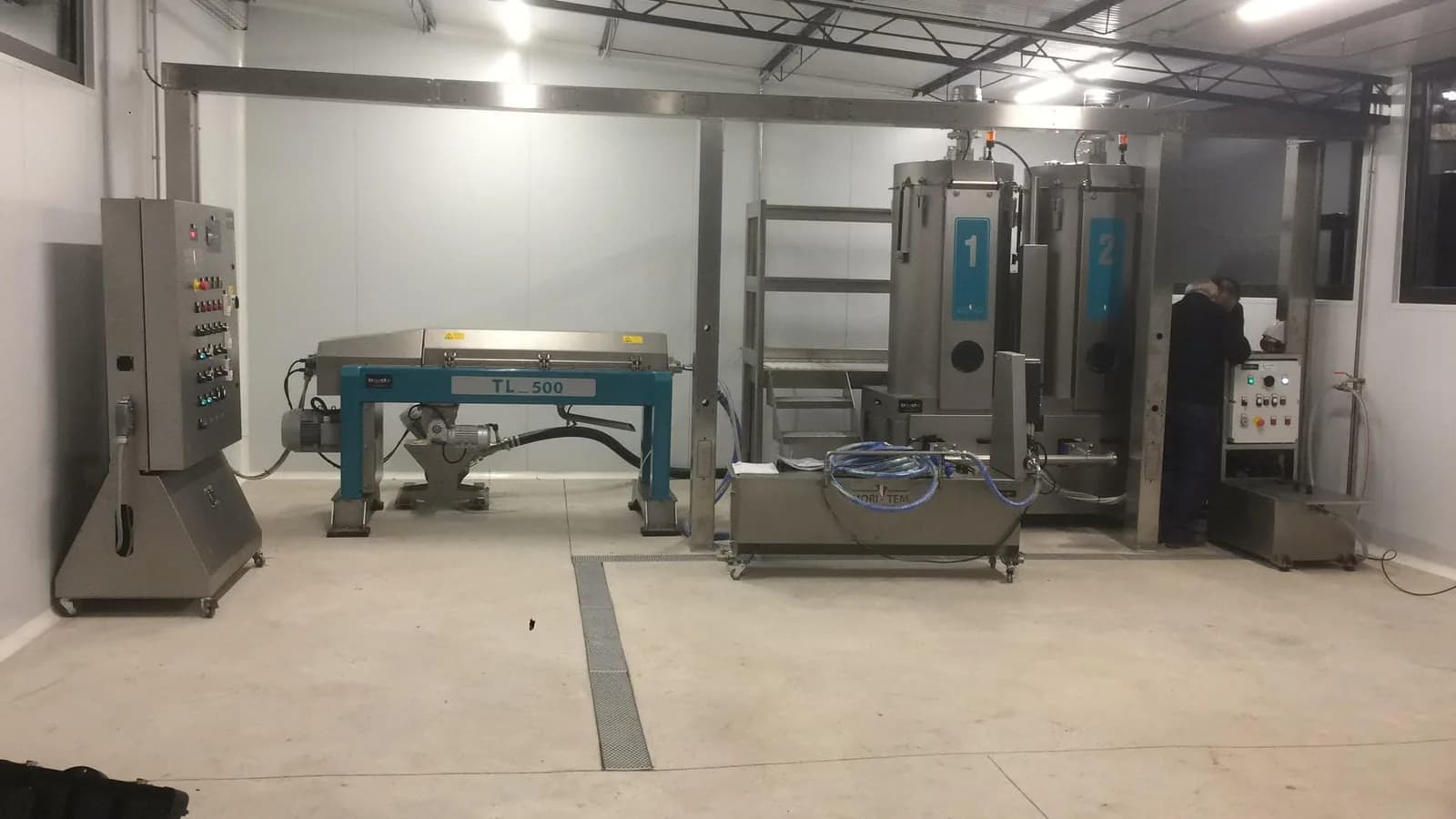
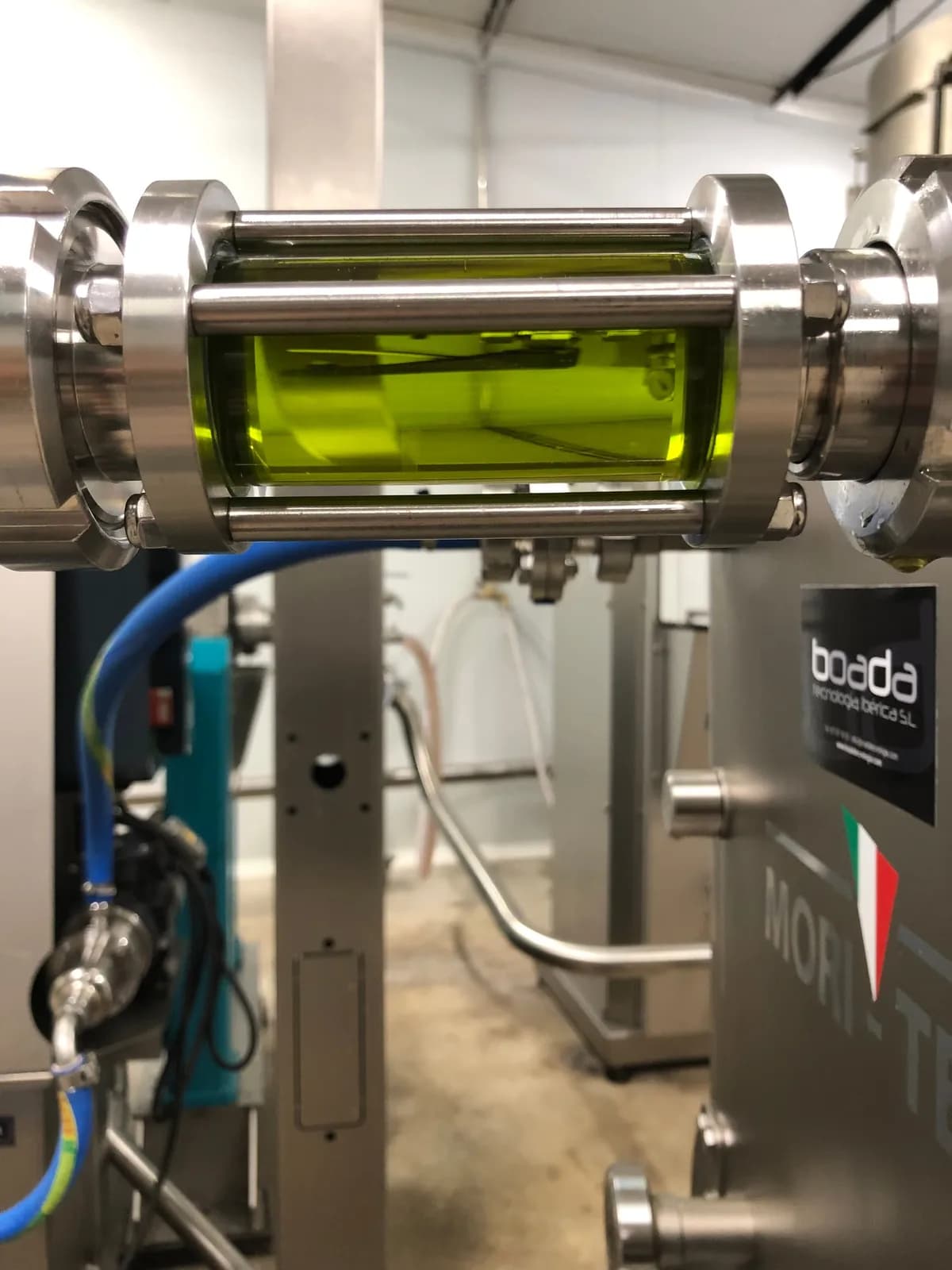
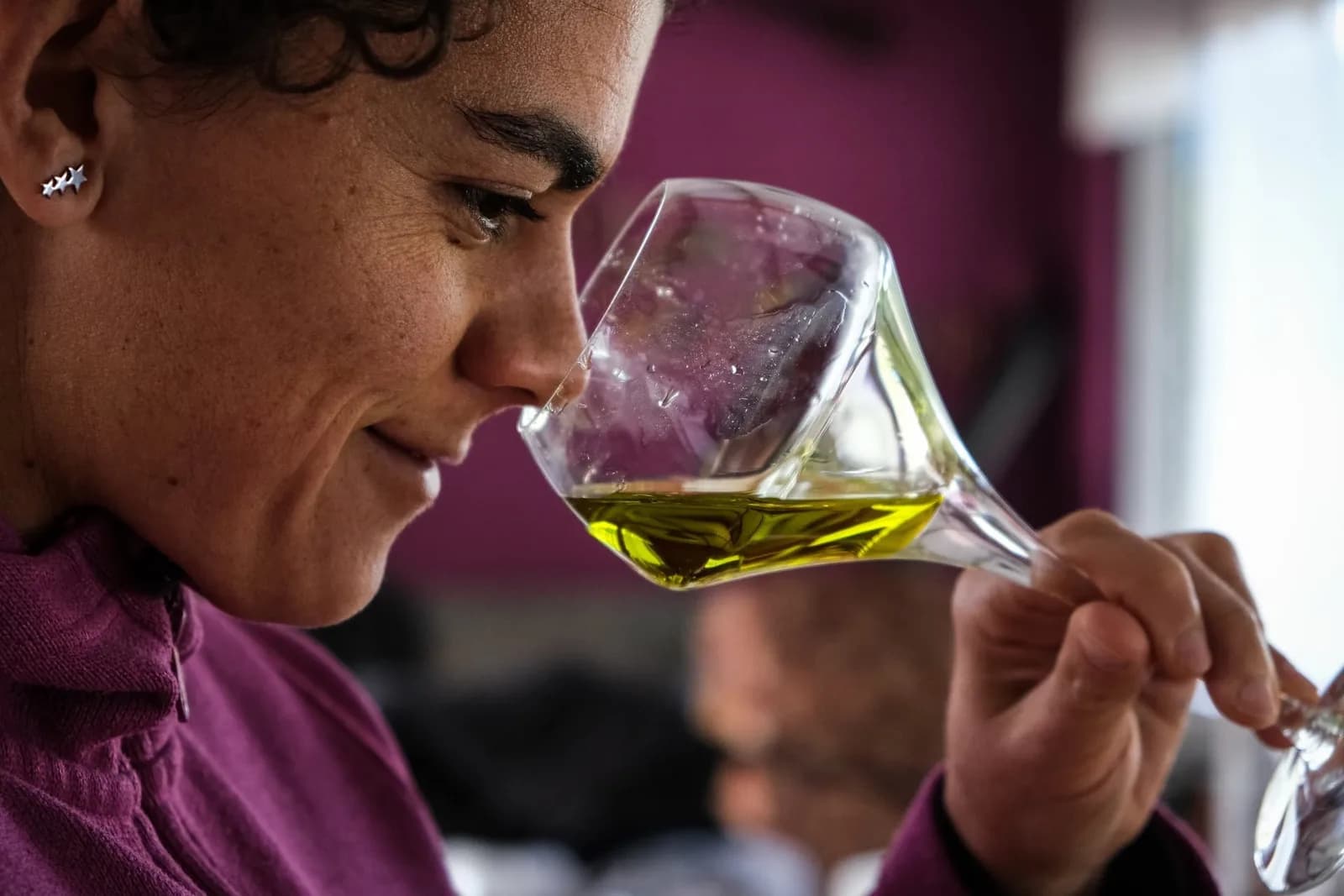
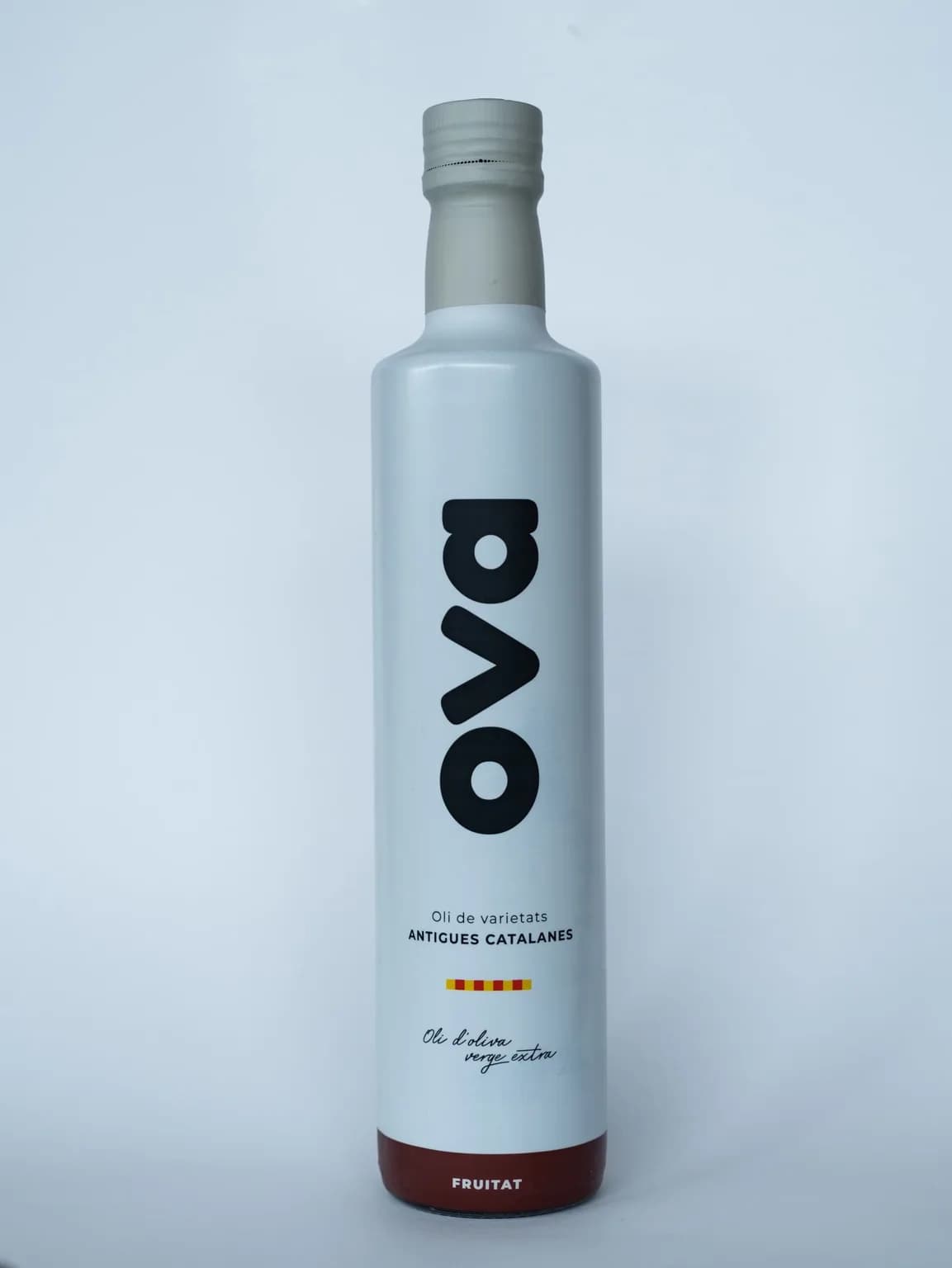
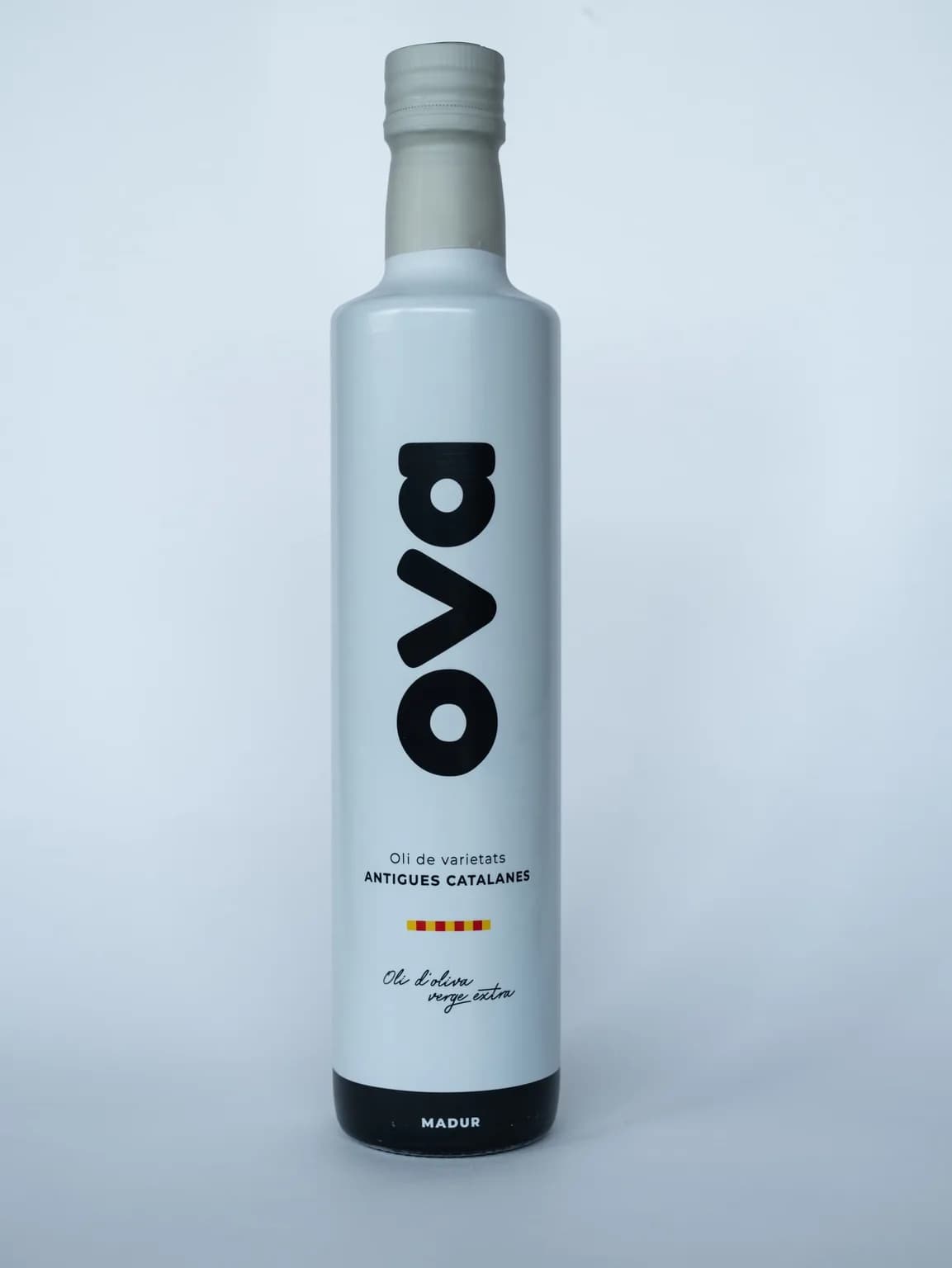
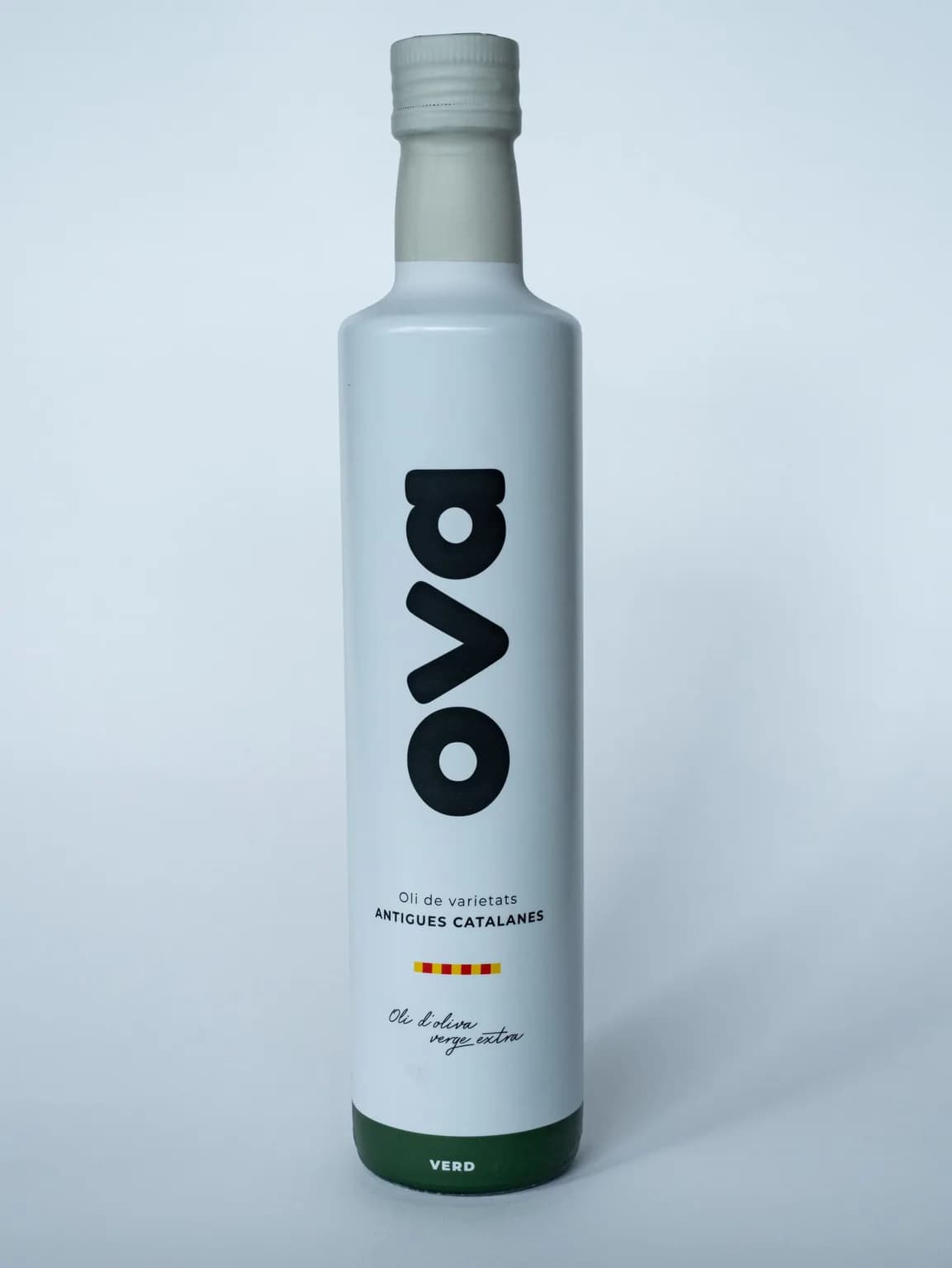
The first oil went on sale in 2017. In November 2020 they opened their own mill in the valley, Molí Salar d'Arbúcies, with support from the Diputació de Girona. Next to the Salar d'Arbúcies they make OVA, blends of old Catalan varieties chosen by their sommeliers, Antonio Lopo and Clara Antúnez.