La Oliva Roja

Since 2015
Olive oil
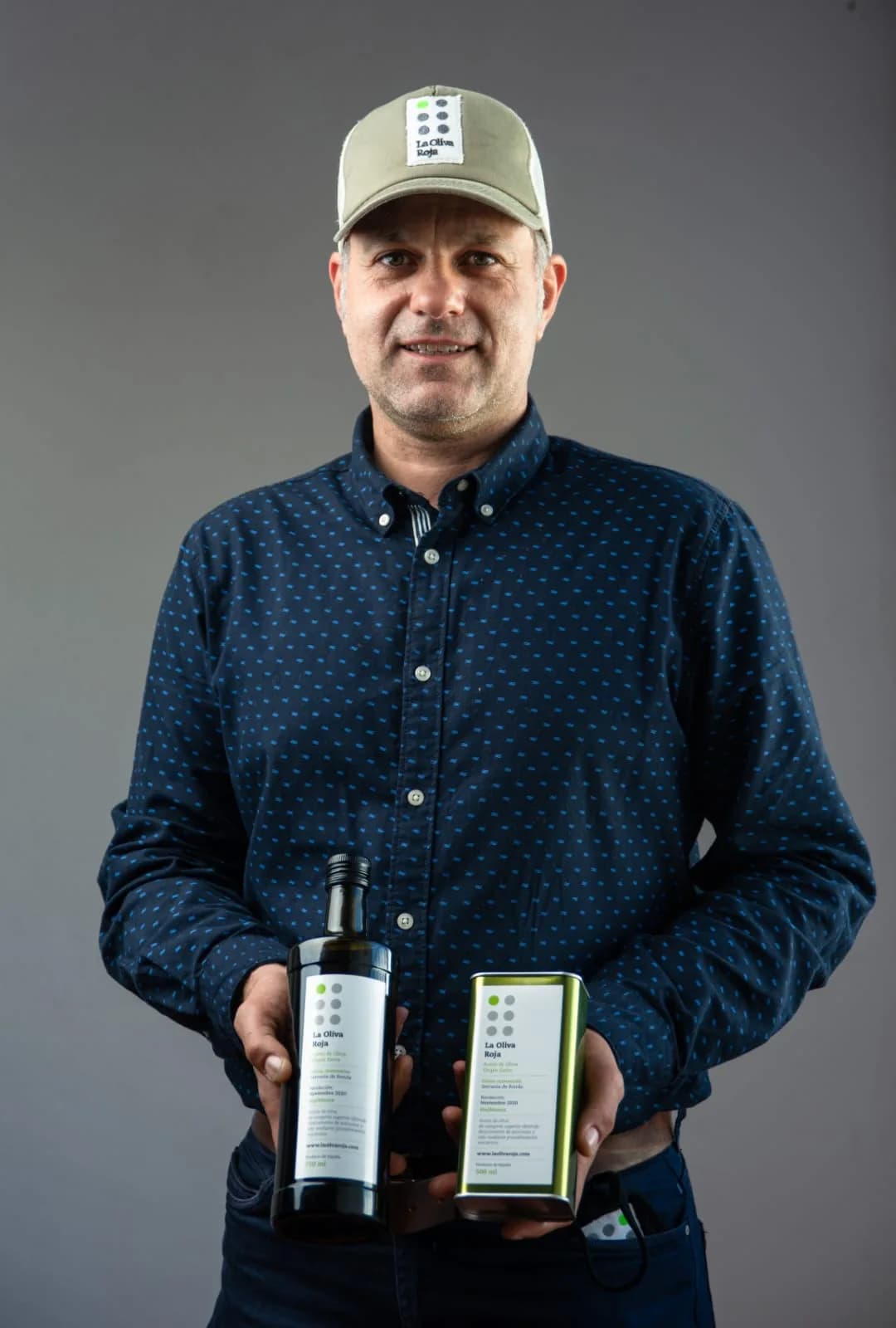
F. Luis Domínguez and his family

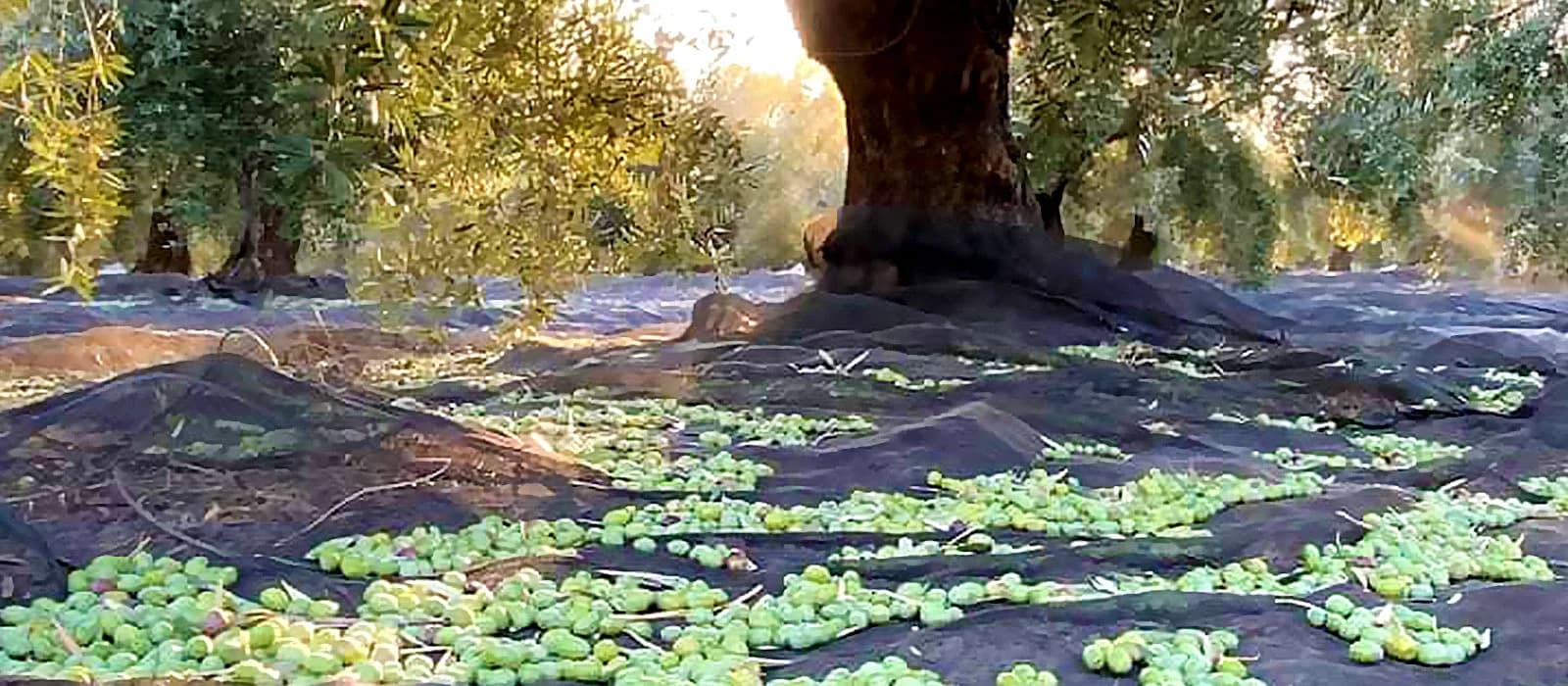
F. Luis Domínguez and his family pick Hojiblanca olives by hand in old mountain groves near Ronda, starting when the first olives turn red, and print the harvest date on every label.

La Oliva Roja was born in 2015 from the wish of a young couple, half from Málaga and half from Burgos, to have a good extra virgin olive oil, freshly pressed, on their table every year. They found that a good oil was hard to buy and that the labels said little about what was in the bottle.

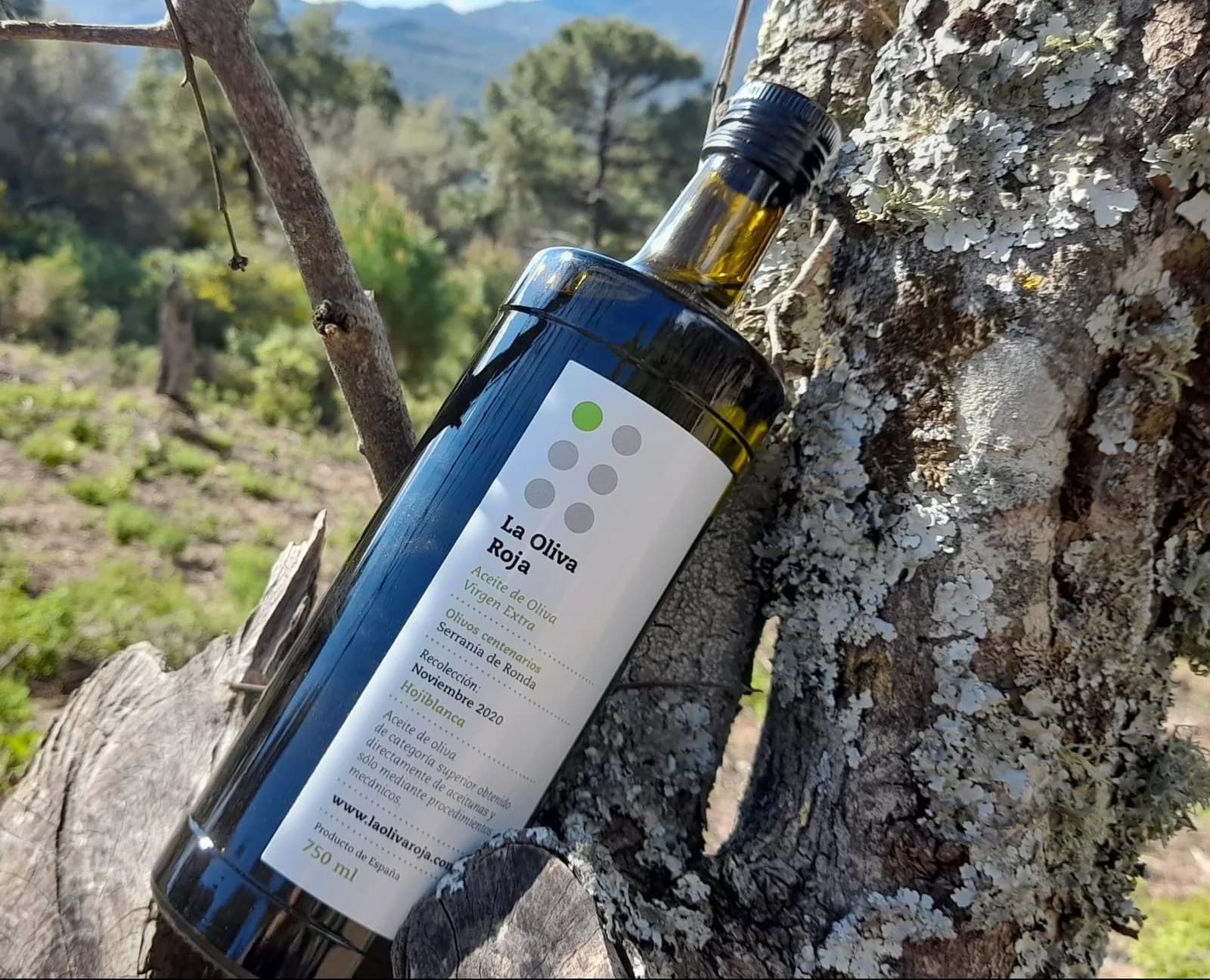
The other aim was to give value to the olive groves around Ronda, above all the old ones, many of them centuries old. Each season the oil comes from a selection of the best groves of the Serranía de Ronda: traditional mountain groves of Hojiblanca, dry-farmed and high up, near the Sierra de las Nieves.

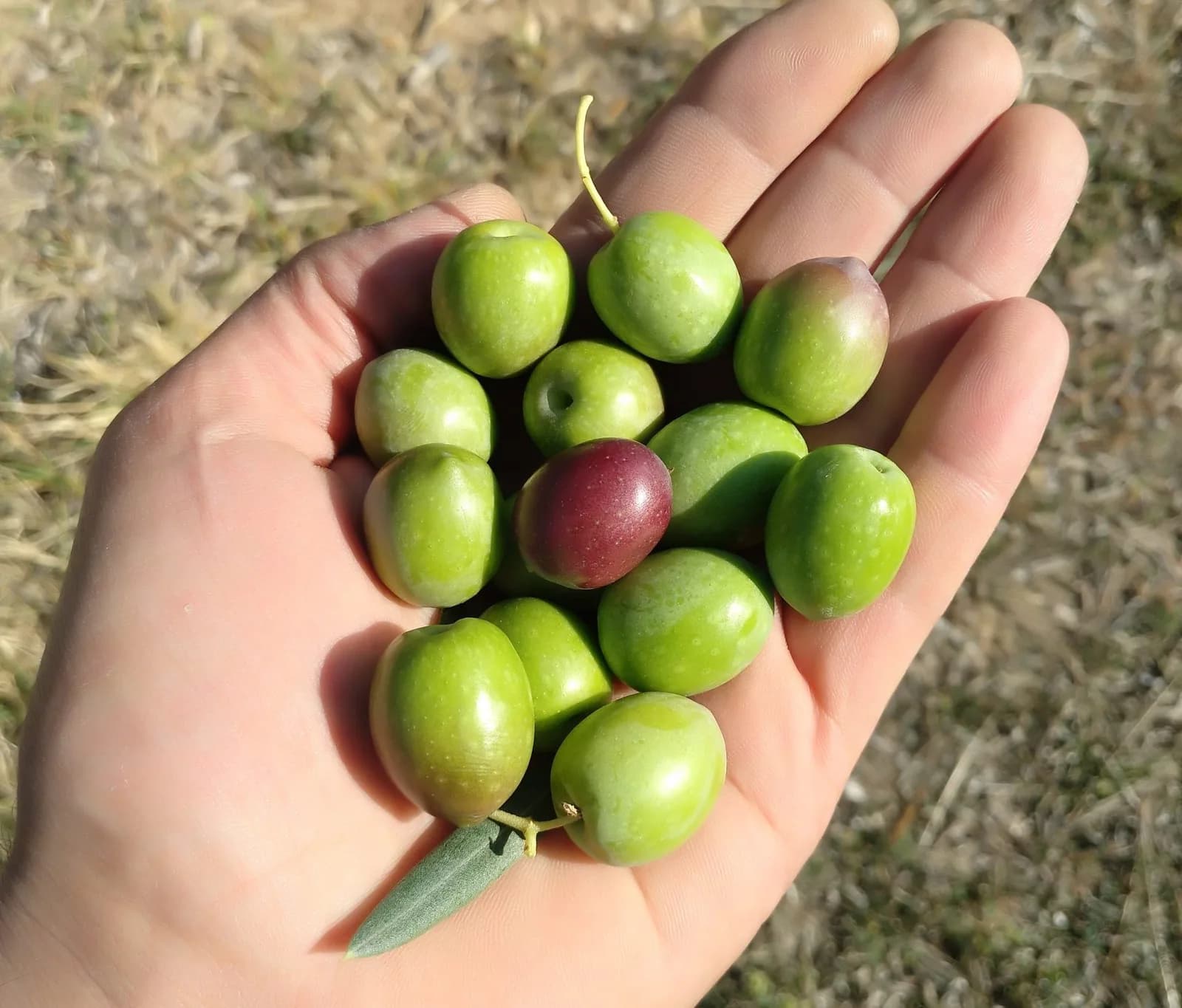
F. Luis Domínguez started the house with the support of his family. La Oliva Roja means the red olive, and they begin the harvest when the first olives start to take on a reddish colour. In the end, as Luis told GastroRonda in 2024, the old growers were right. In a season they mill 60,000 to 70,000 kg of olives for about 5,000 litres of oil.

Besides the oil, they teach tasting courses at basic and advanced level, for people who work in restaurants and for anyone else, and guide visits and outings to the groves.
Awards

  • Gold medal in the High Polyphenols category at the Berlin Global Olive Oil Awards 2025, with the Hojiblanca.
  • Listed in the Elite Olive Oils Global Index 2025 of the Berlin Global Olive Oil Awards, with the Hojiblanca.
  • Two gold medals at the Berlin Global Olive Oil Awards 2024, one for quality and one in the High Polyphenols category, with the Hojiblanca.
  • Silver medal in the Quality Awards of the London International Olive Oil Competition 2022, with the Hojiblanca.

What sets them apart

01

La Oliva Roja says its oil is on the tables of fourteen Michelin-starred restaurants. In 2024 GastroRonda named several that serve it: Bardal (Ronda), with two stars in the 2026 guide, and Mina and Zarate (Bilbao), Lera (Castroverde de Campos) and La Botica (Matapozuelos), with one star each.

02

The 2025/26 analysis gives 38 mg of hydroxytyrosol, tyrosol and their derivatives per 20 g of oil, more than seven times the 5 mg that EU Regulation 432/2012 asks for the health claim on olive oil polyphenols. It won gold for High Polyphenols at the Berlin Global Olive Oil Awards in 2024 and 2025.

03

Picking starts when the olives begin to turn from green to red, the moment when, according to the house, the fruit holds most polyphenols and antioxidants. Laboratory samples set the day and the harvest date goes on every label.

04

The oil comes from old mountain groves near Ronda, dry-farmed, with most trees centuries old, planted 10 metres apart and worked and picked by hand, with no herbicides or pesticides and a plant cover on the soil. Plots that fall short in a season are left out.

05

The olives are milled within hours of picking, always cold and with the temperature under control. The oil settles for a few days, is filtered and the whole batch is packed to keep it from oxidising.

How they make it

1

The harvest starts when the change of colour of the olives, from green to red, is clear, and they check the moment with laboratory analysis of samples. For the 2025/26 oil it ran from around the middle of October to the first days of November.

2

The olives are picked by hand, in mountain groves where no machines work. The trees stand 10 metres apart on dry land, and most of them are centuries old.

3

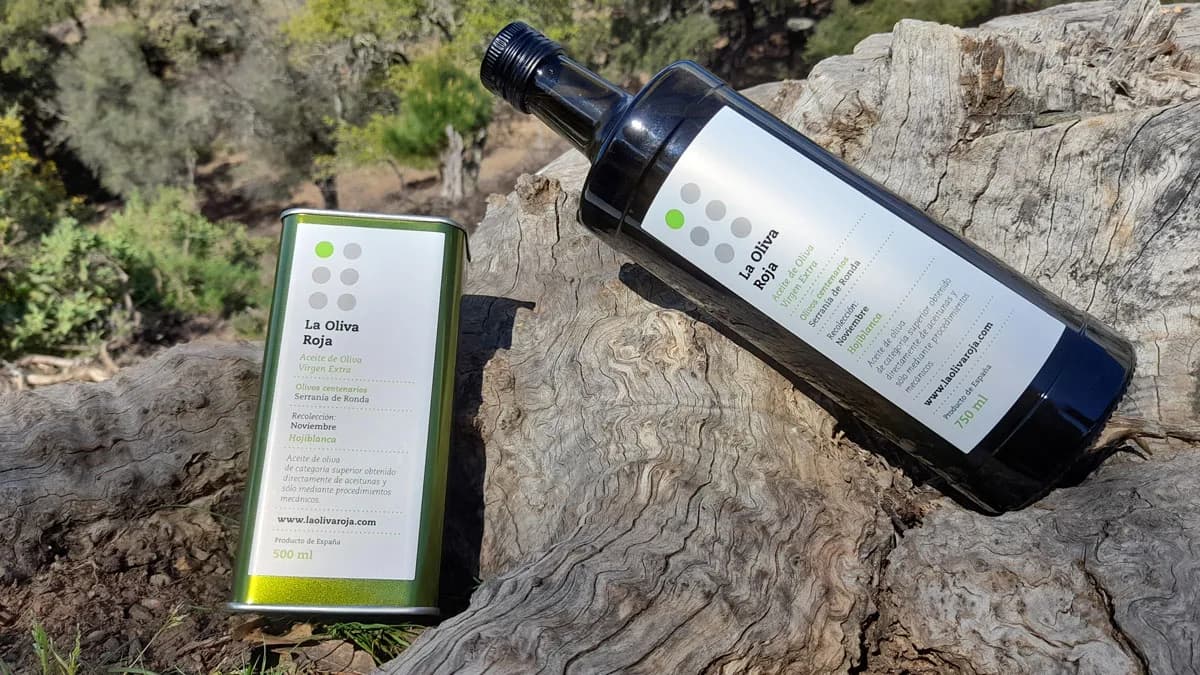
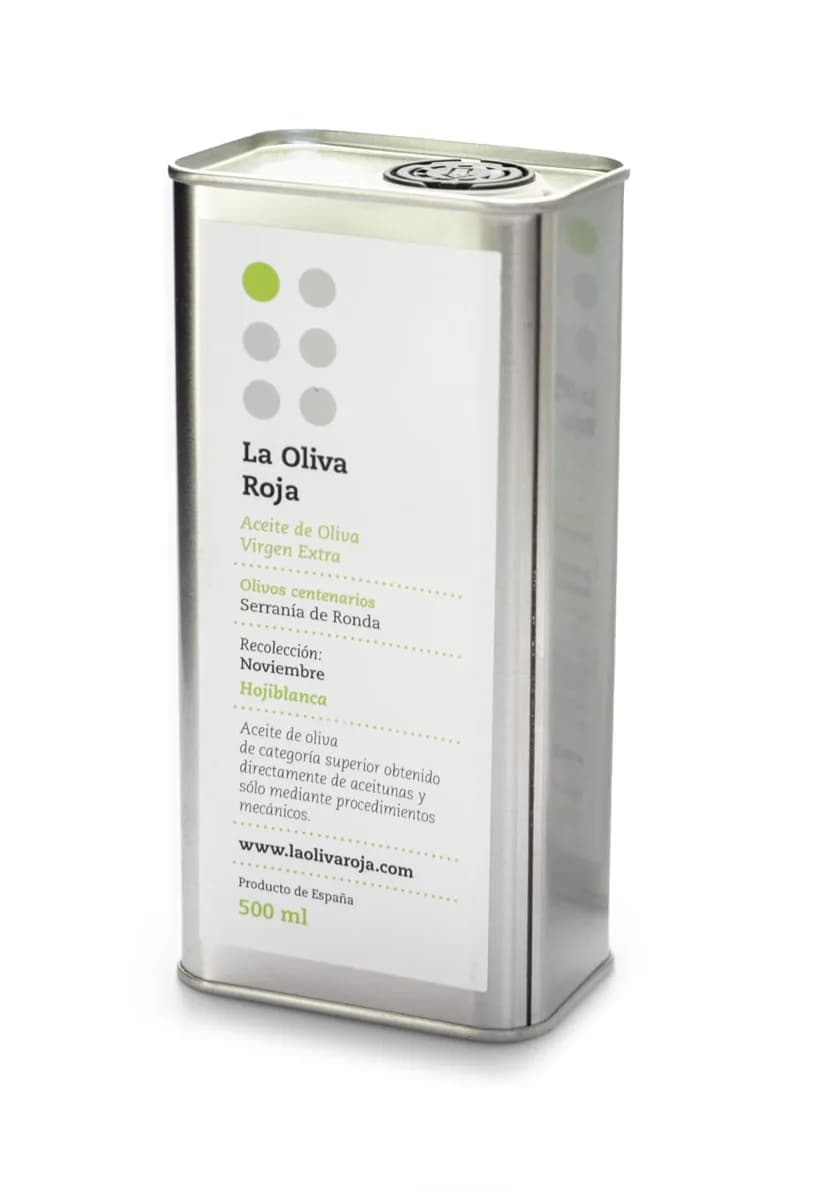
The olives are milled within hours of picking, always by cold extraction and with the temperature under control. The oil settles for a few days and, once filtered, the whole batch is packed to keep it from oxidising, in dark glass bottles and in tins.

Buy from La Oliva Roja