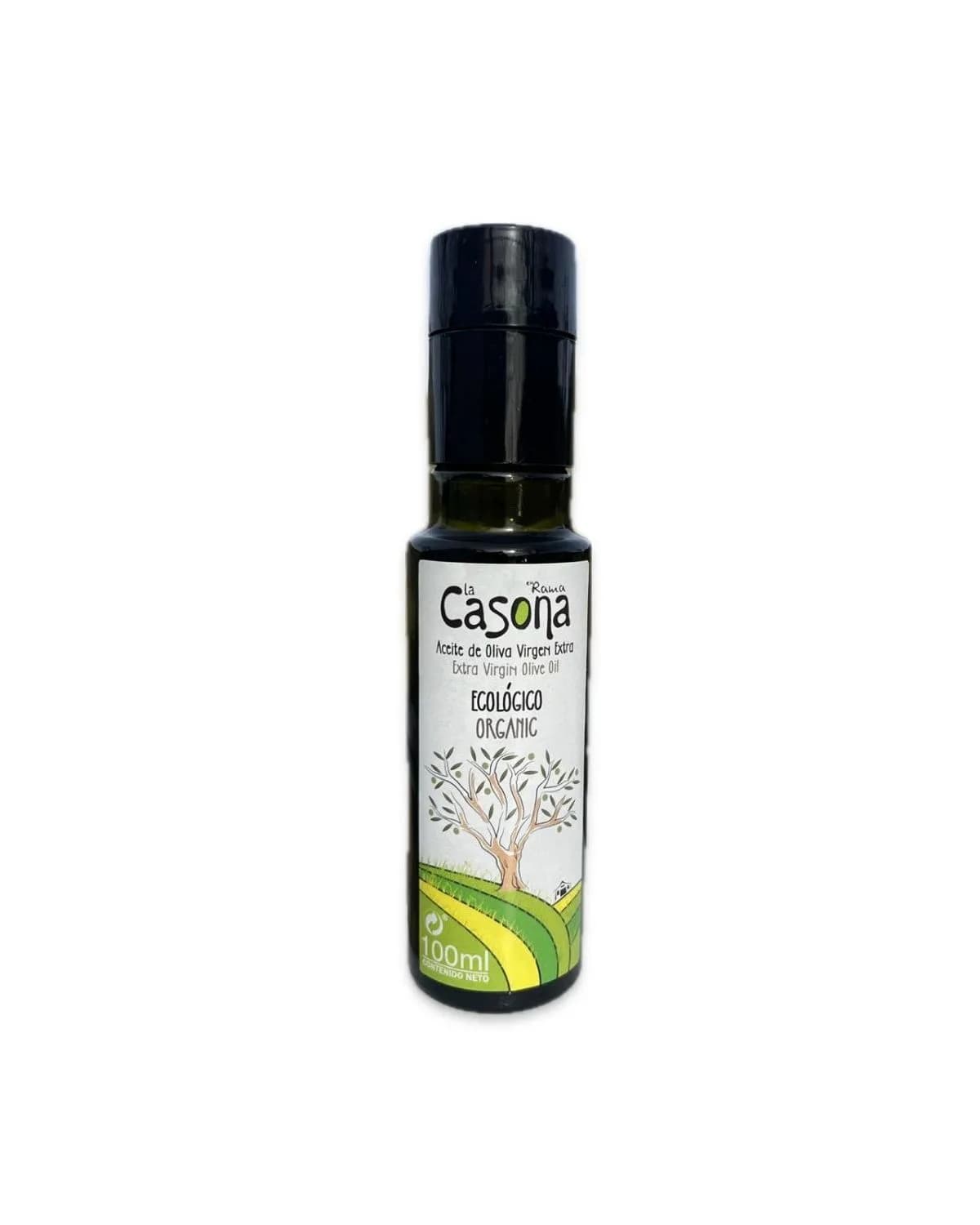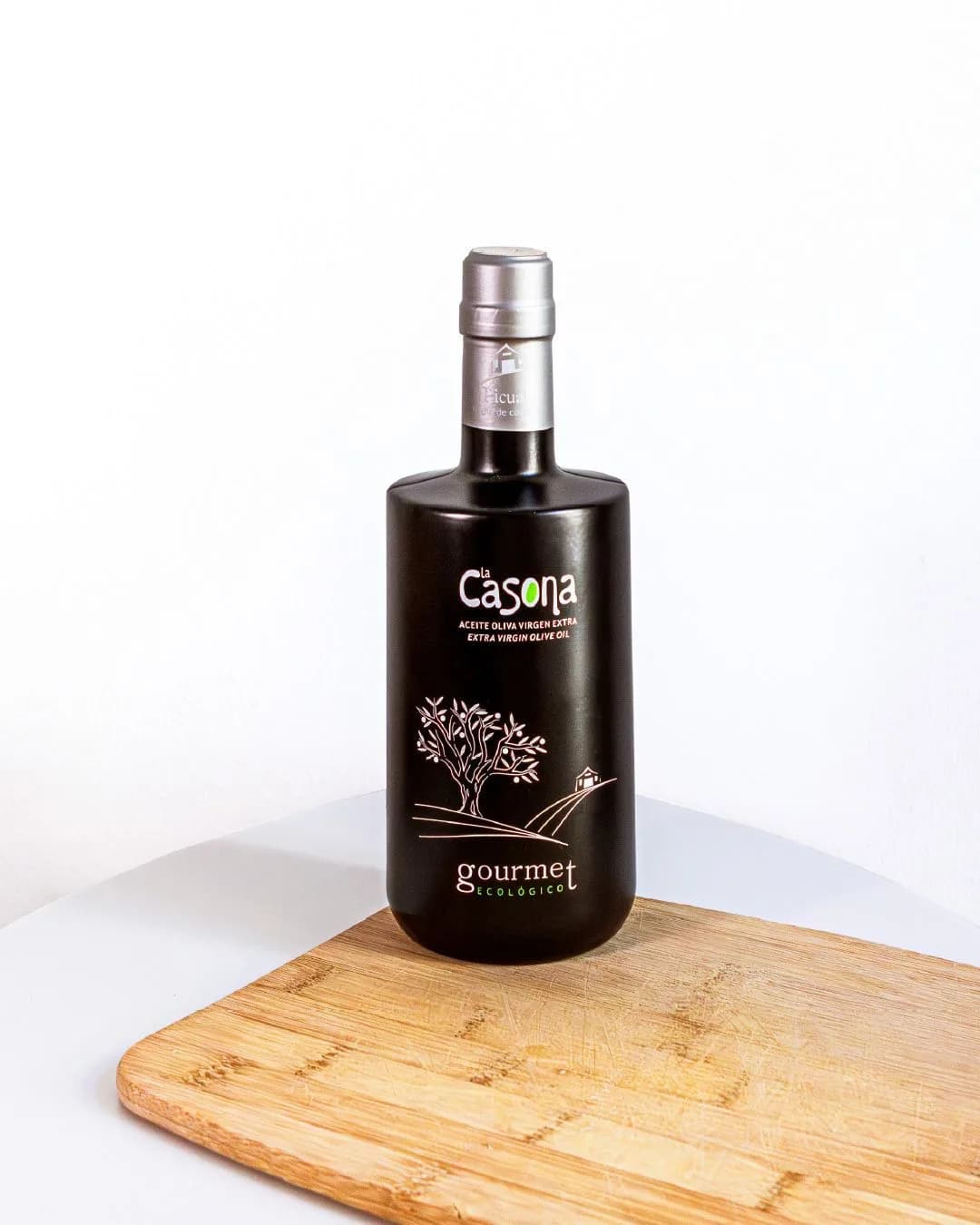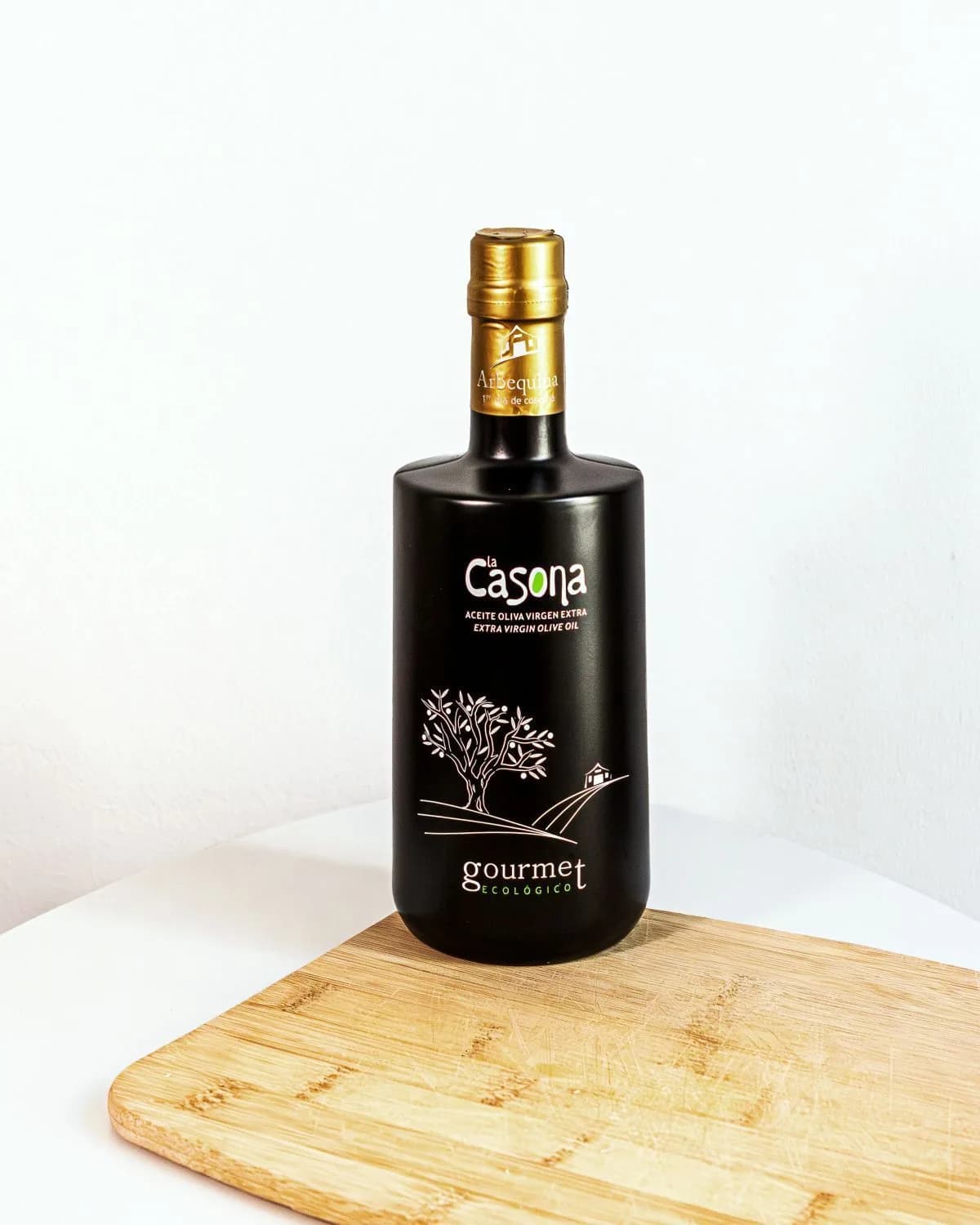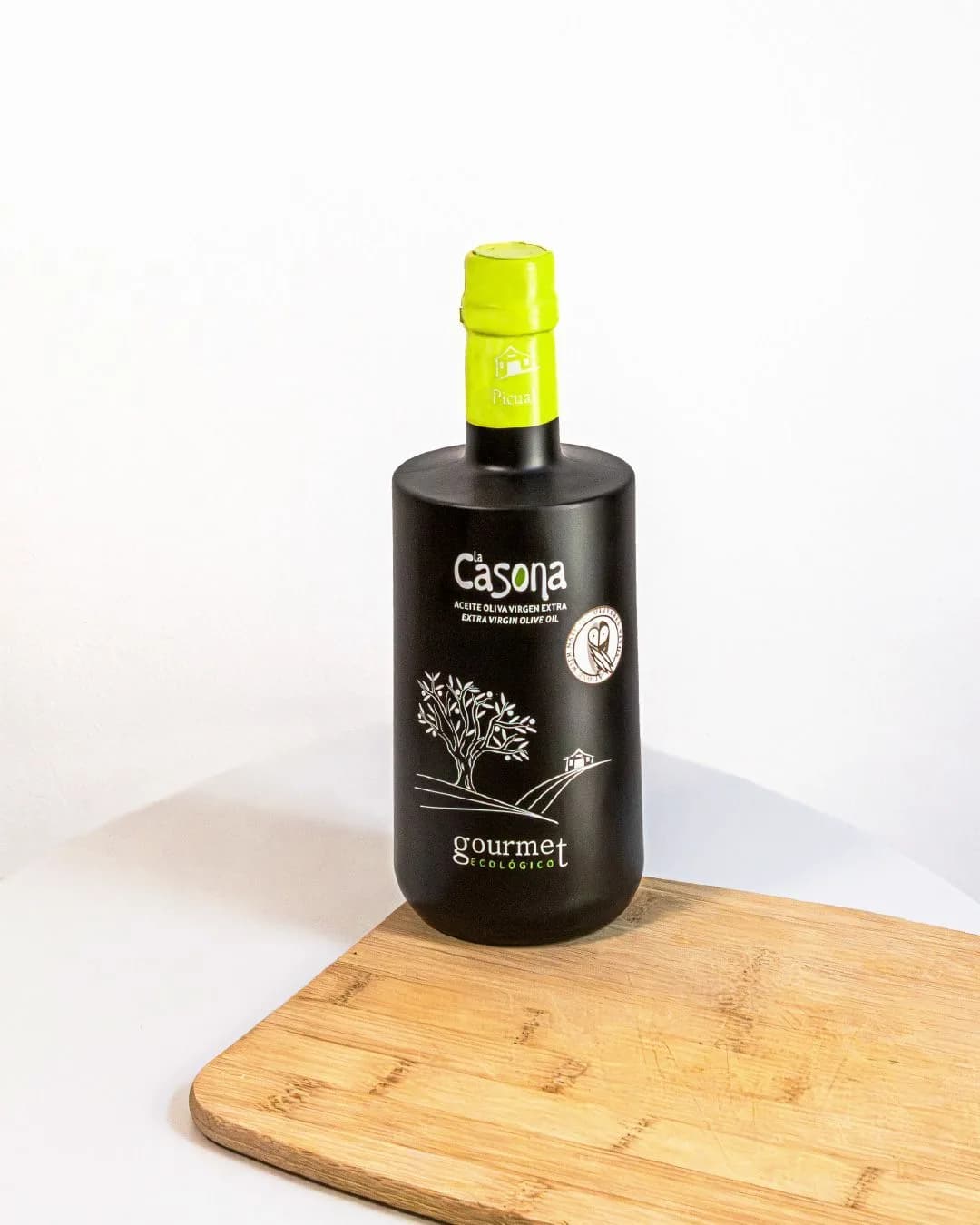
La Casona

Olive oil
Pegalajar, Sierra Mágina
The family

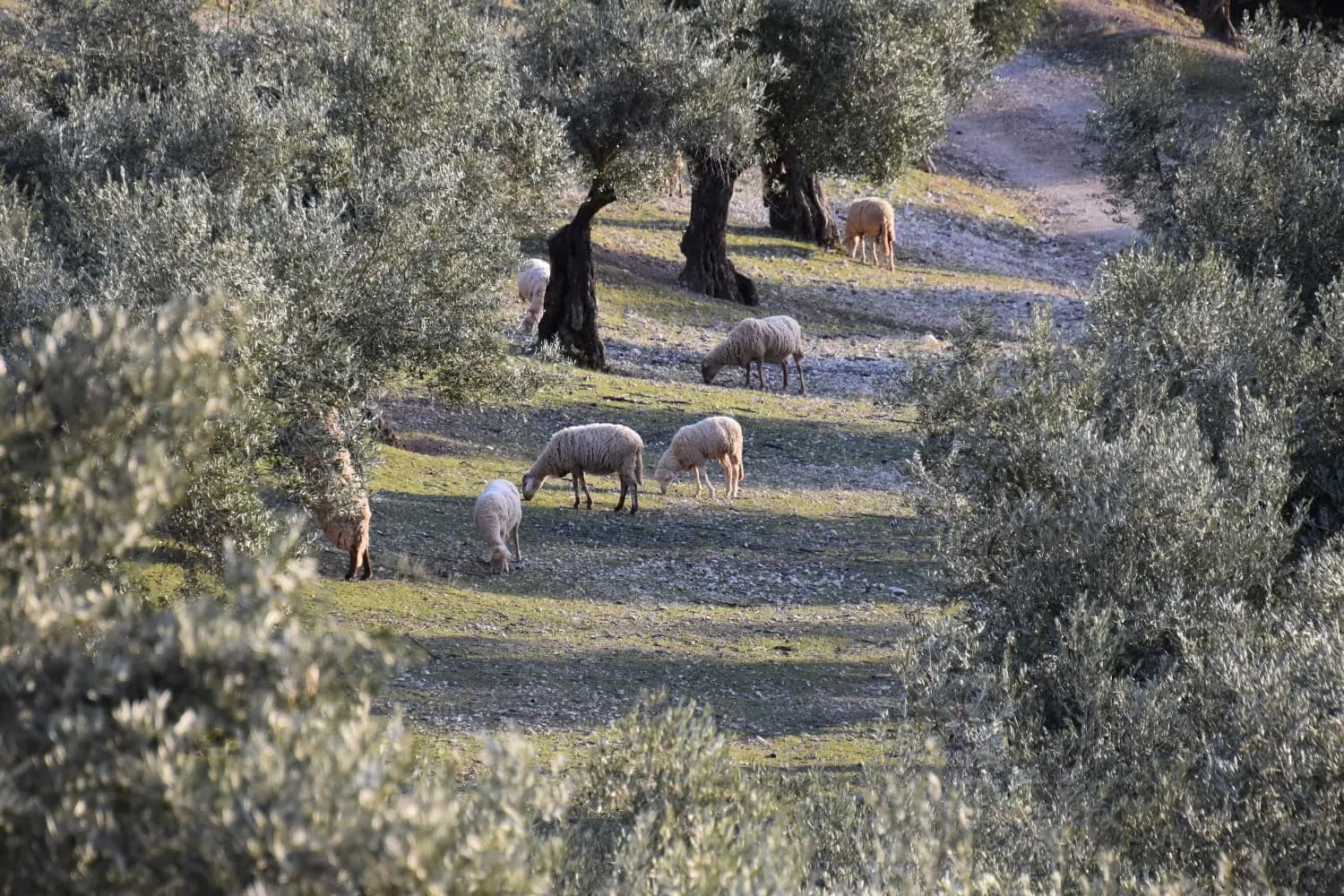
A family farms some 50 hectares of organic olive groves above 1,000 metres in Pegalajar, next to the Sierra Mágina Natural Park, with sheep between the trees and its own mill.

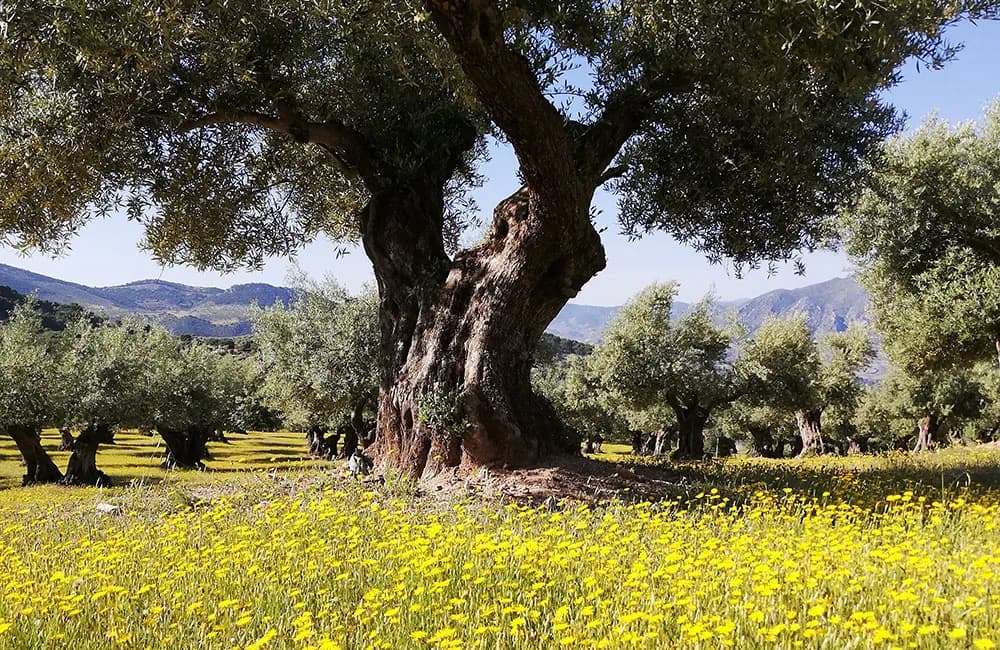
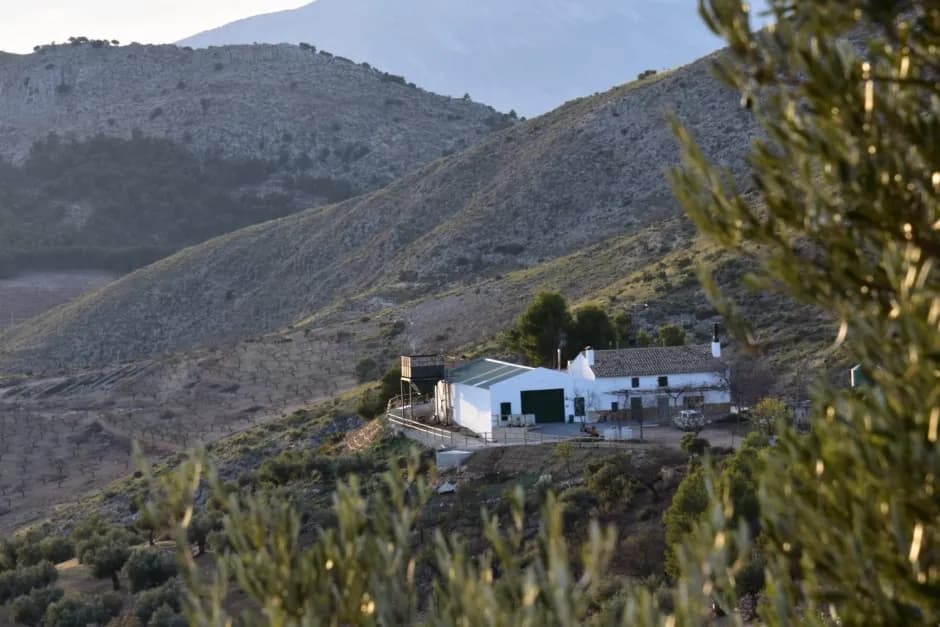
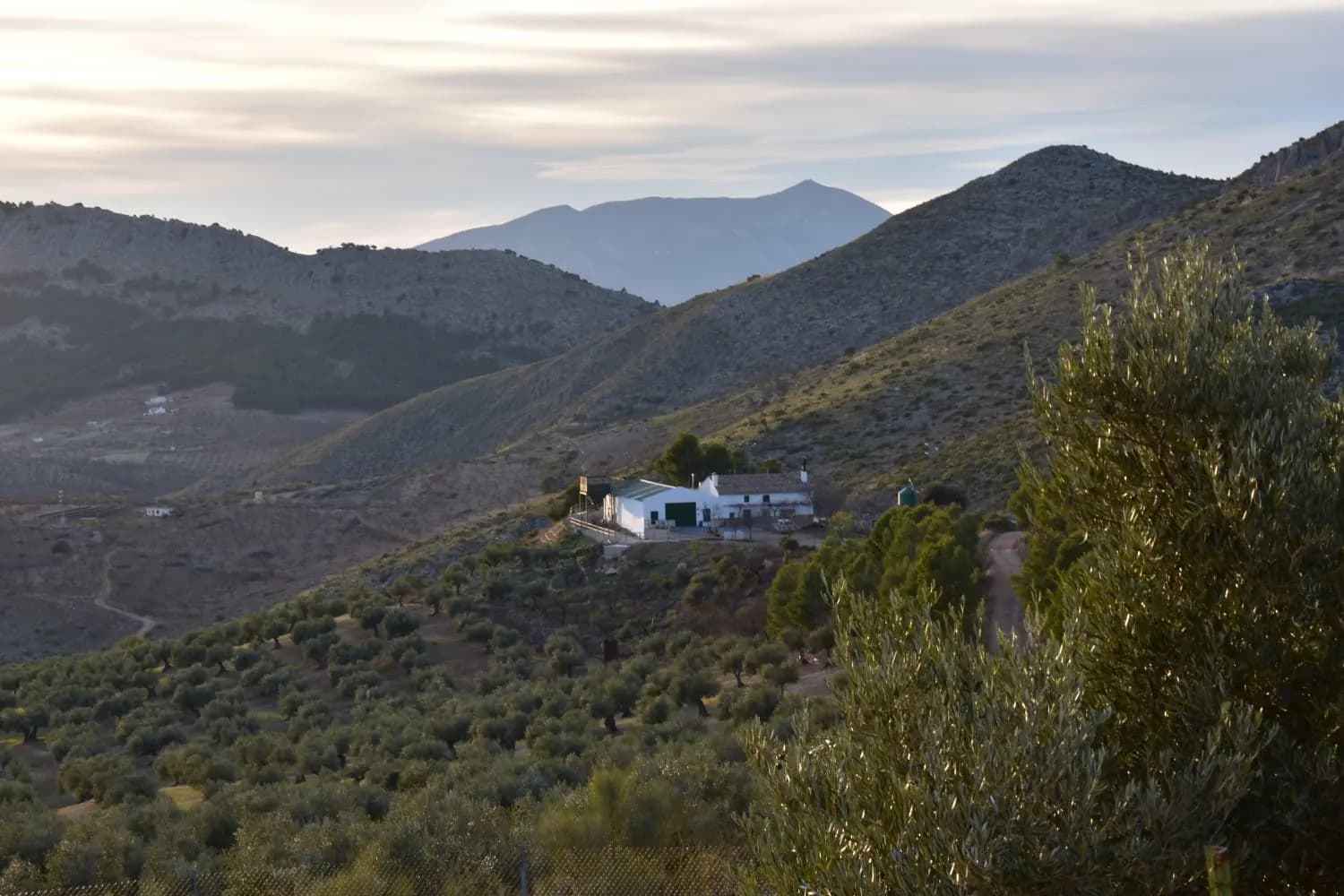
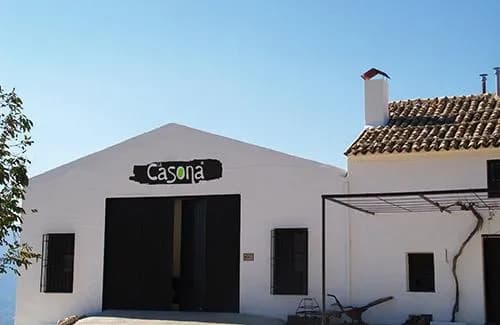
La Casona is the family business of Agropecuaria El Puerto, which farms some 50 hectares of high mountain olive groves in the municipality of Pegalajar, in Jaén, next to the Sierra Mágina Natural Park. The estate, called El Puerto, lies on the pass between Pegalajar and Mancha Real, above 1,000 metres: it covers about 120 hectares, around half of them olive groves.

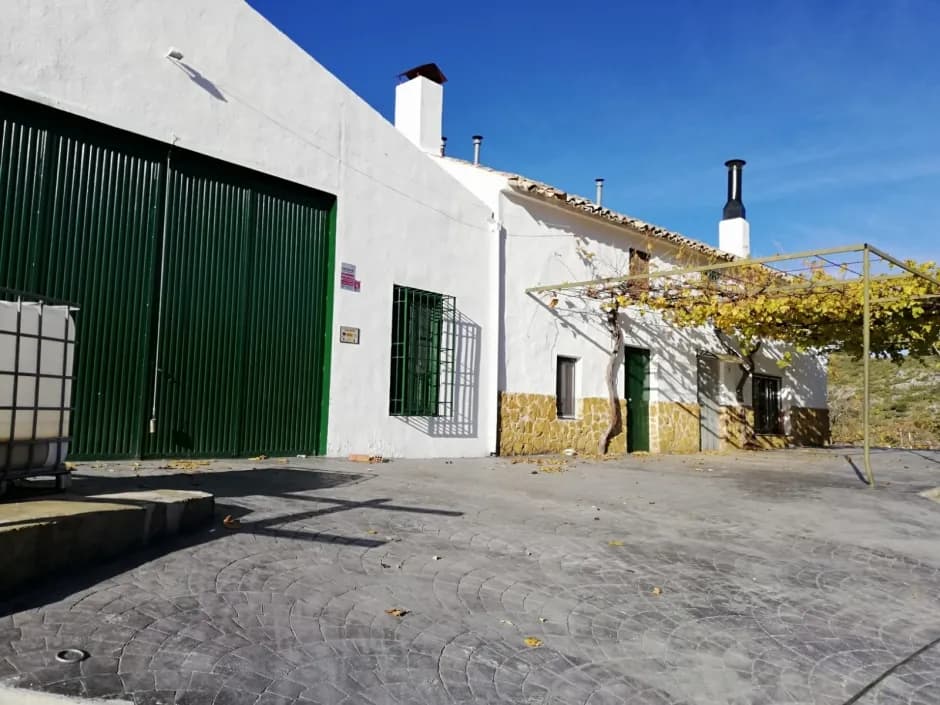
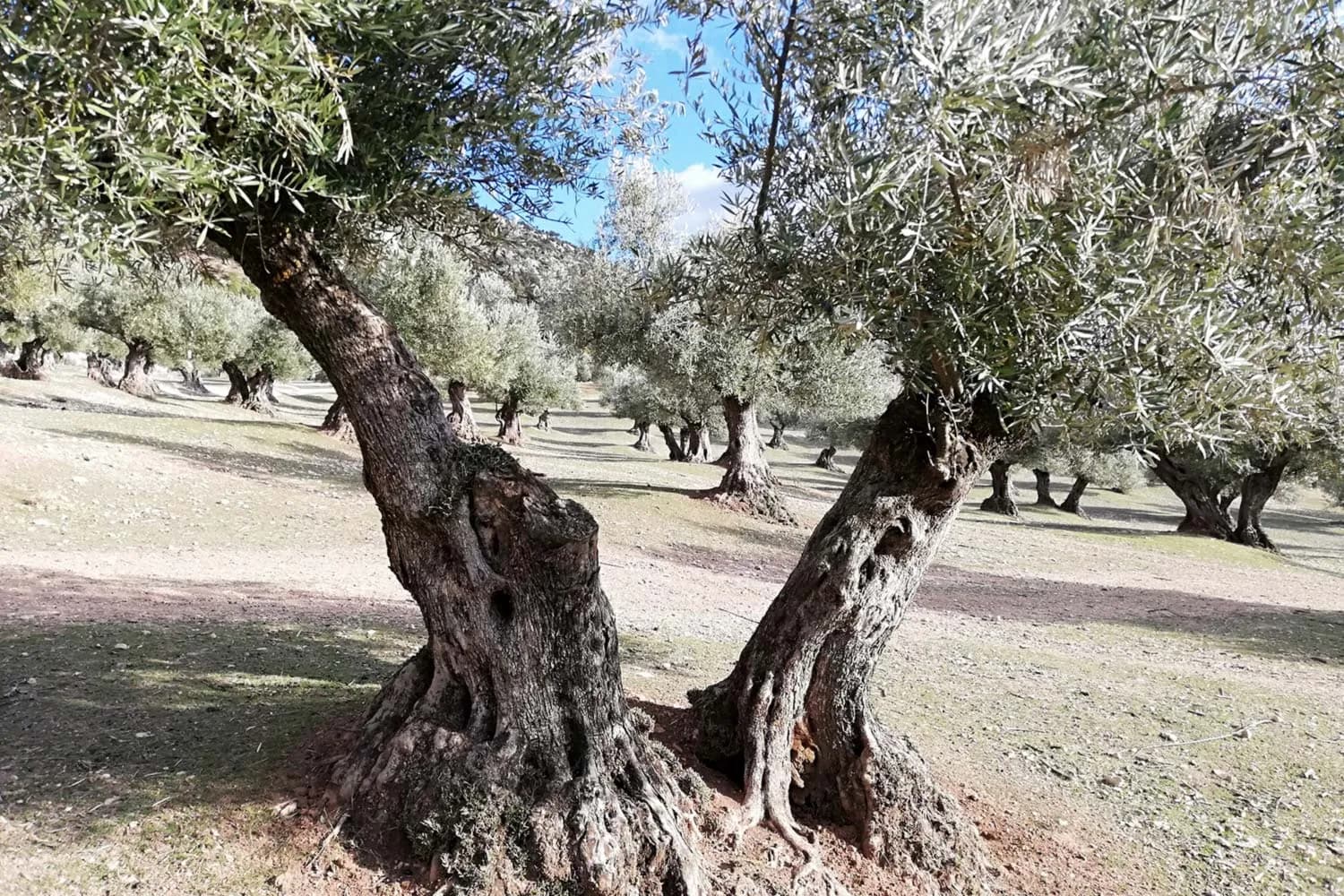
The grove is centuries old. In 1998 the family turned it organic, certified by the Comité Andaluz de Agricultura Ecológica, and then built a small mill on the estate to press its olives in the best conditions. Since then they make the oil themselves and only sell what comes from their own land.

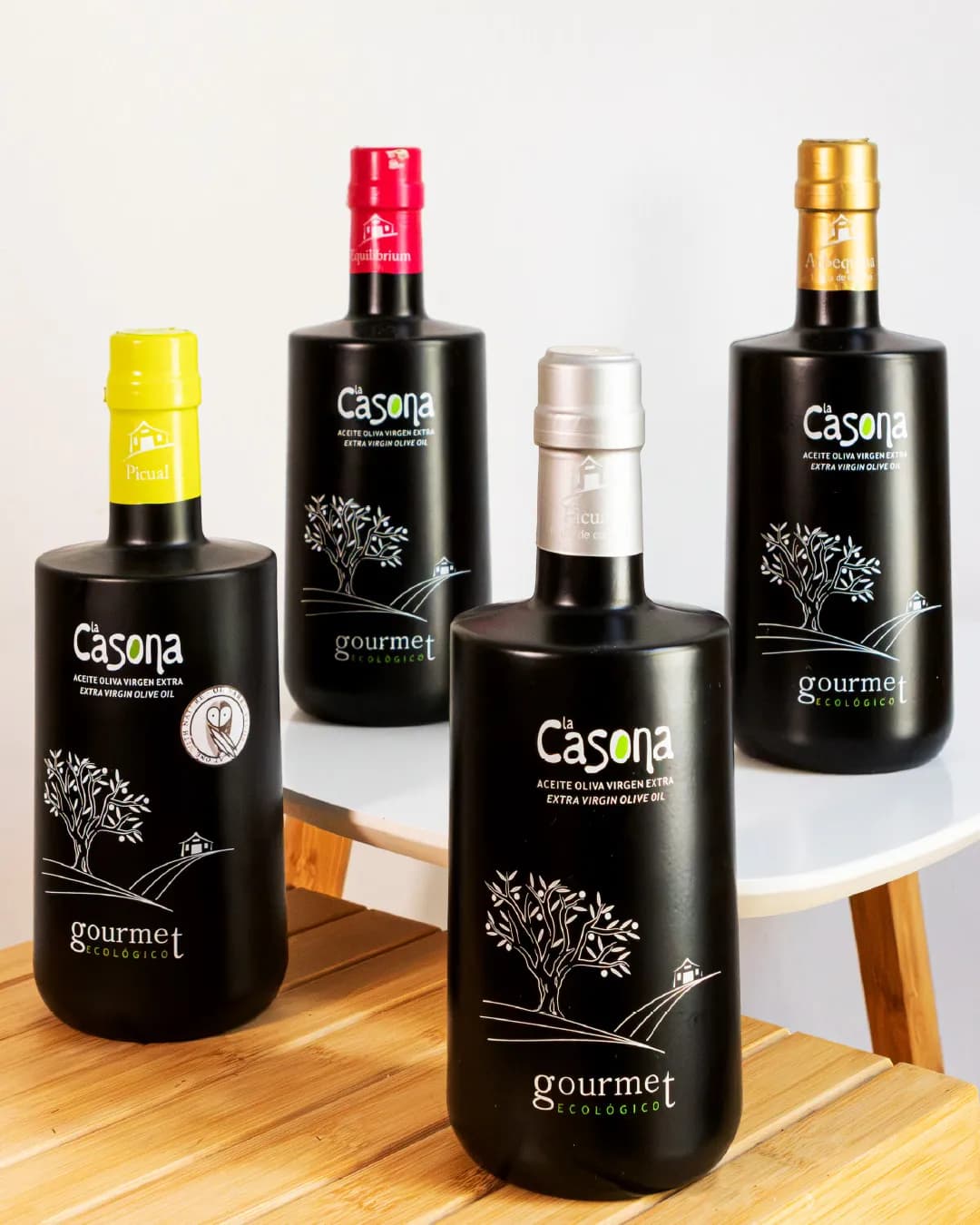
They pick the whole harvest early, though it costs the grove a good part of its yield, and press the olives on the day they are picked. The main variety is Picual. They also grow Arbequina, which ripens earlier, for two of their oils.

The farm is one of the 20 demonstration groves of LIFE Olivares Vivos, the SEO/BirdLife project to bring biodiversity back to olive groves. In September 2025 the University of Jaén announced that La Casona en Rama had won the Best Soil prize of the international Soil O-Live contest.
What sets them apart

Certified organic

The grove has been organic since 1998, certified by the Comité Andaluz de Agricultura Ecológica under licence CAAE 6639. It is farmed without synthetic insecticides, herbicides or fertilisers, and the house says a chemical analysis checks this every year.

Living soil

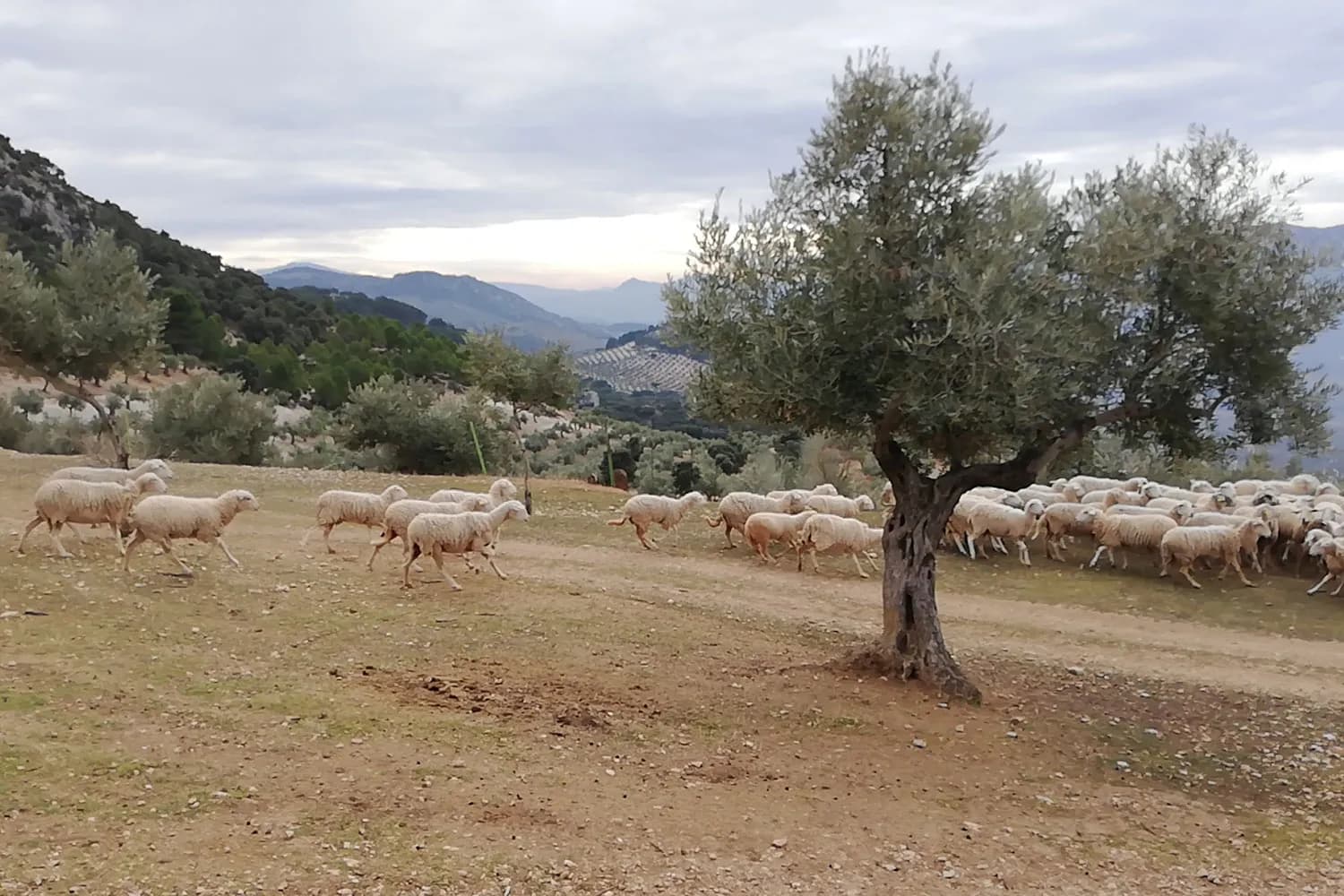
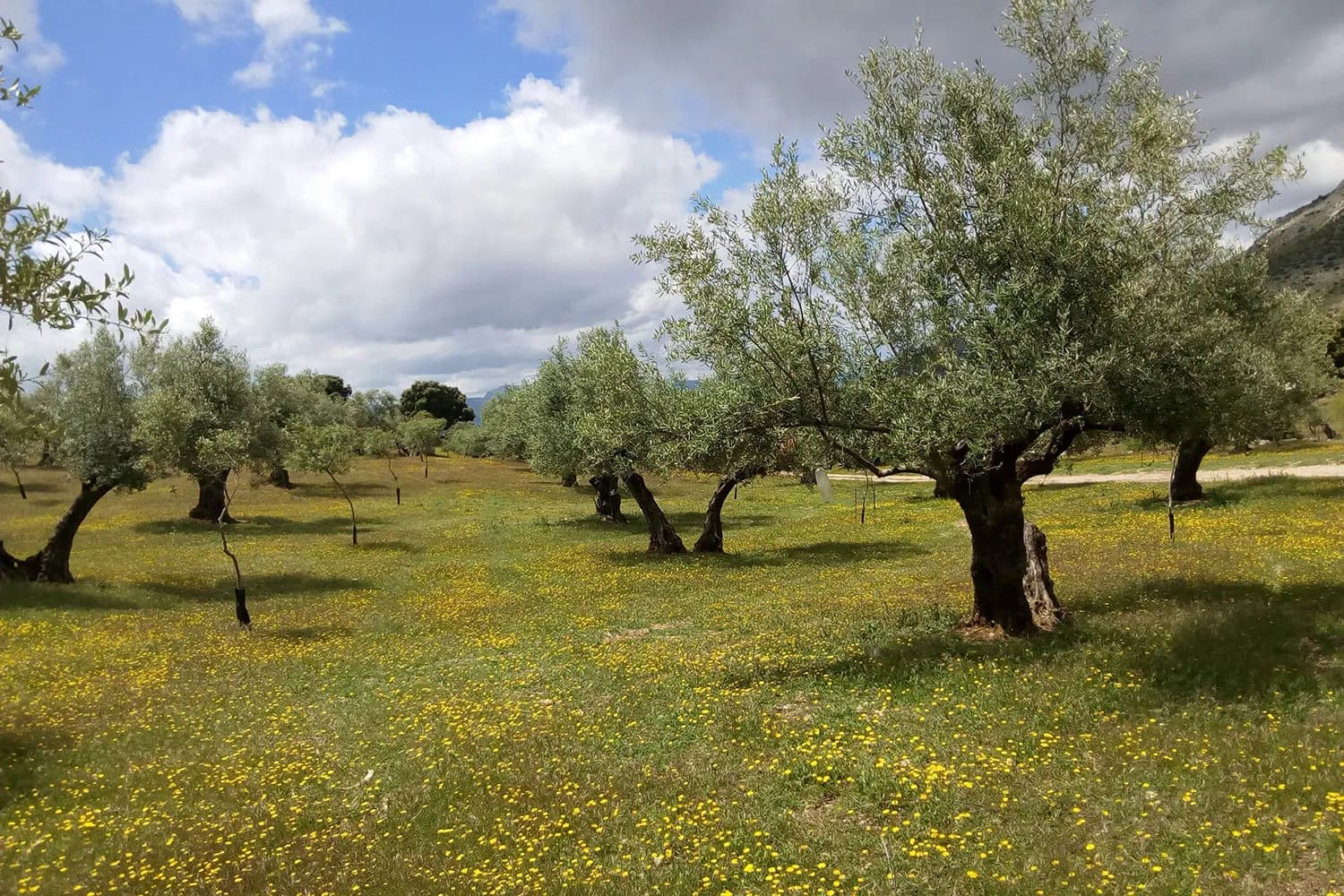
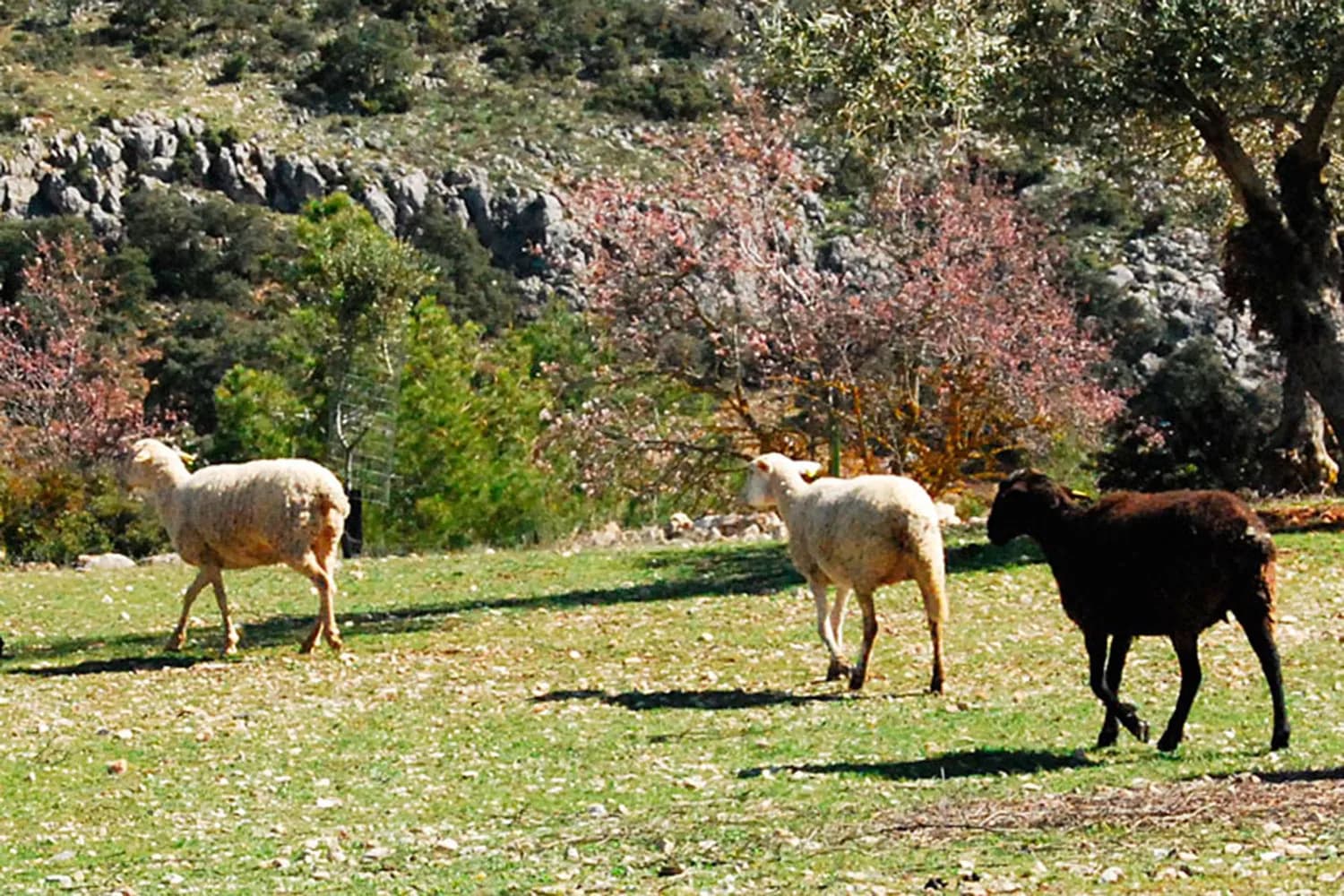
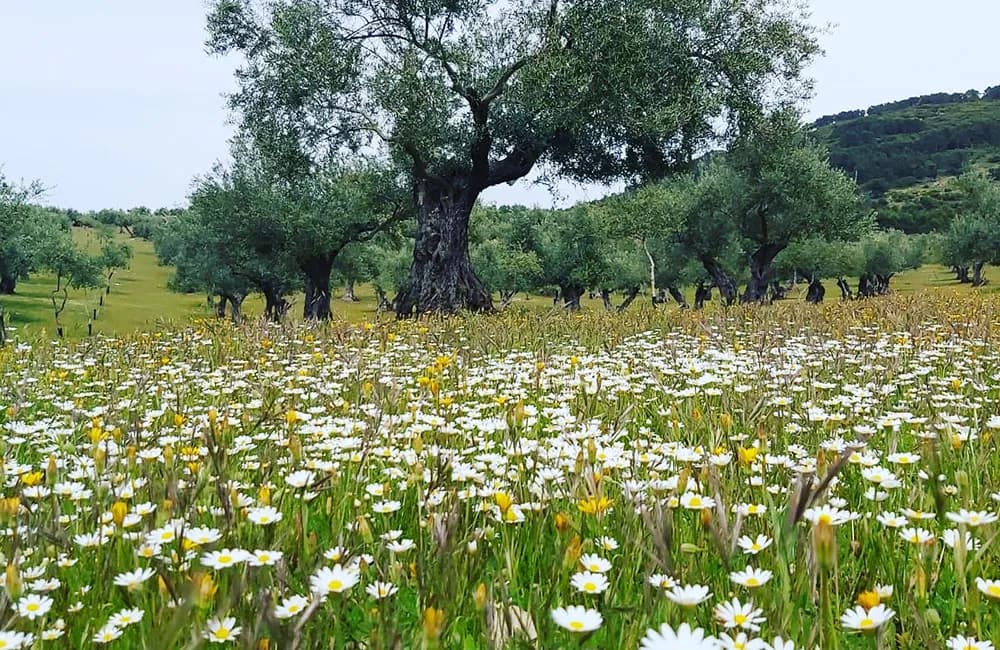
A grass cover stays between the olive trees all year, kept down by the farm's grazing sheep, mostly of the segureña breed. The Olivares Vivos route compares it on the spot with the farm next door, which strips the grass away as a matter of course.

Life on the farm

La Casona is one of the 20 demonstration farms of LIFE Olivares Vivos, run by SEO/BirdLife. They keep almond and other fruit trees, holm oaks and hedges, and have dug a pond with a drinking trough on a stony patch that gave no crop, put up nest boxes and a bat refuge in the mill, and planted patches of native scrub with insect shelters.

Protected land

The estate lies in the foothills of Sierra Mágina, a Natura 2000 site, next to the natural park and above 1,000 metres. Between the olive trees the family keeps the traditional dry stone walls.

01

Best Soil prize at the Soil O-Live Awards 2024, announced by the University of Jaén in 2025. La Casona's soil showed a respiration of over 9 micrograms of CO2 carbon per gram and hour, values comparable to those of a well-kept Mediterranean forest and a sign of rich microbial life.

02

The whole harvest is picked early, which the house says costs the grove a large part of its yield. The olives are pressed on the day they are picked, at low temperature, in the small mill on the estate.

03

Everything La Casona bottles comes from its own estate and is pressed in its own mill, which the family built after turning the grove organic in 1998. It buys in no olives and no oil.

Awards

2024

Best Soil prize at the Soil O-Live Awards 2024, the second international Soil Health and Olive Oil Quality contest, announced by the University of Jaén in 2025, with La Casona en Rama.

2017

Listed in the Flos Olei 2017 guide.

2015

Best extra virgin olive oil 2015 at AOVESOL, the olive oil fair of Benalmádena.

2015

Honourable mention of the Guía RM AOVES at the Salud & Deleite 2015 contest.

2012

Lechuza award for the best extra virgin olive oil mill of the Sierra Mágina designation of origin in 2012.

2011

Lechuza award for the best extra virgin olive oil mill of the Sierra Mágina designation of origin in 2011.

2005

Lechuza award for the best extra virgin olive oil mill of the Sierra Mágina designation of origin in 2005.

2004

Lechuza award for the best extra virgin olive oil mill of the Sierra Mágina designation of origin in 2004.

A day with the family

La Casona shows its estate on visits that have to be booked at least 48 hours ahead. You walk among centuries-old and young olive trees while they explain how an organic grove is run and what the sheep do in it, then go into the traditional mill to follow the olives through the machines until the oil comes out.

The visit ends with a tasting in the shop and tasting room, where they teach you to tell an oil that falls short. The longer option adds a country breakfast of toast with oil, cheese, honey, cured meats and wine from the estate.

Olivares Vivos has also mapped a self-guided route of 3.4 kilometres through the estate, with nine stops you follow on your phone, from the pond to the pine wood where great tits, blue tits, sparrowhawks and buzzards live.

How they make it

Buy from La Casona