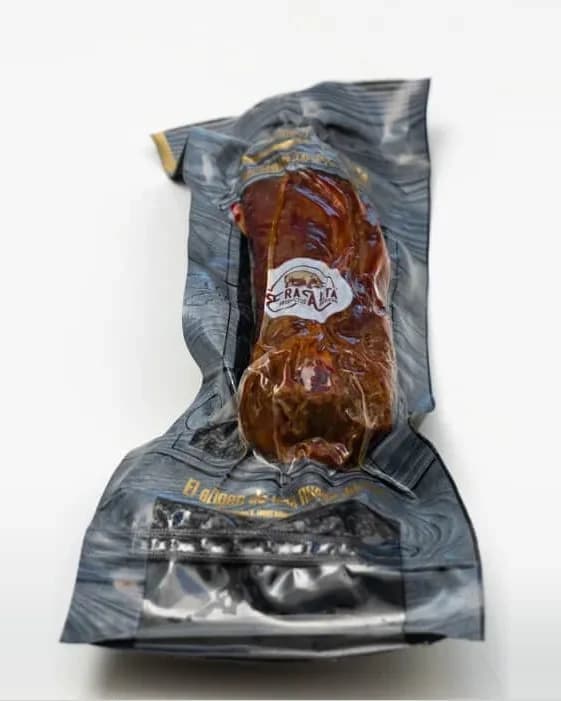
Dehesa Monteros keeps a short range made from its own pigs. The papada is not in its online shop: it is one of the pieces the house offers to restaurants and shops.
Papada ibérica de bellota
Pujerra, Serranía de Ronda · Andalusia
Cured piece
Papada is the jowl, the part of the pig's neck under the jaw, almost all fat with a few streaks of lean. The house cures it slowly and presents it as the piece where the fat gives all it has. It comes from its 100% Iberian acorn-fed pigs of the retinto and entrepelado strains, raised free on the slopes of the Serranía de Ronda with chestnuts before the acorns.
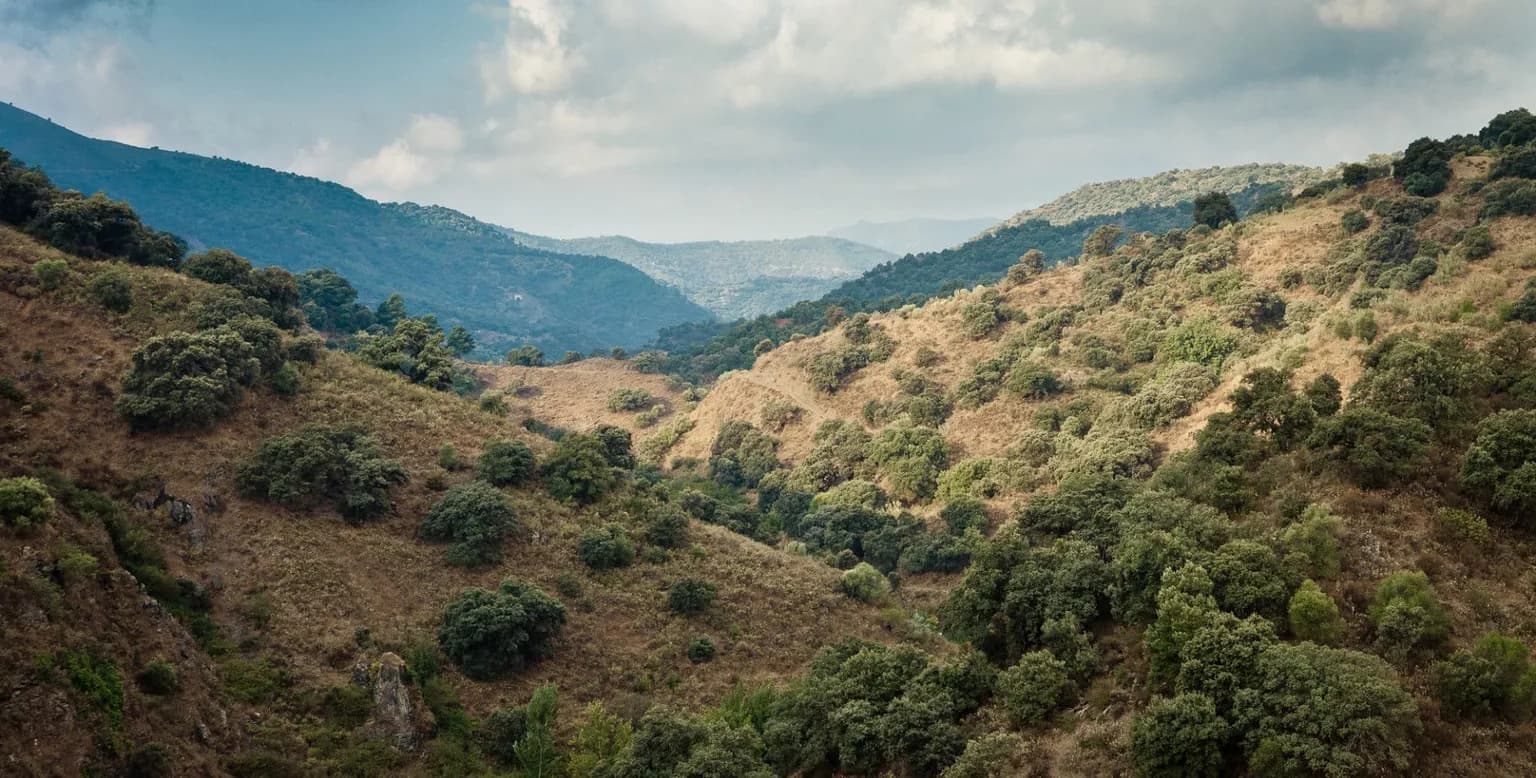
The pigs spend almost two years in the open, with more than a hectare each, on slopes of up to 45 degrees that keep them moving to eat and drink. The house says that exercise works the fat into the meat.
From the producer
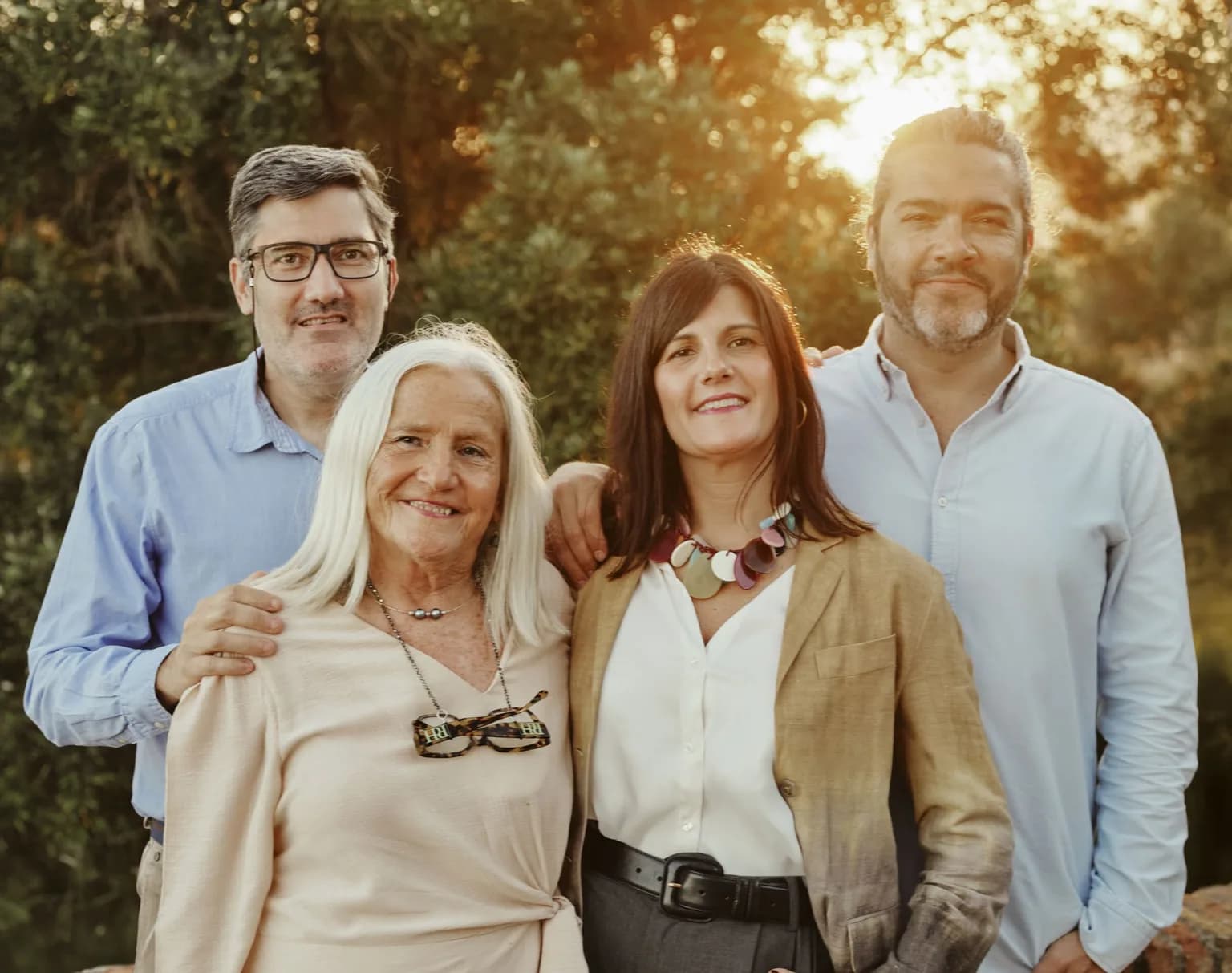
Dehesa Monteros, Pujerra
The house describes it as mild, delicate and deeply aromatic, with the notes a diet of acorns and chestnuts brings. It says the texture is silky, that it melts slowly in the mouth and leaves a long, clean finish.
It comes from retinto and entrepelado pigs fed only on chosen cereals (wheat, triticale and peas) and what the woodland gives, with no compound feed: chestnuts before the acorn season, then the acorns of holm oaks, cork oaks and Portuguese oaks. The house says the chestnuts give its pigs fat high in oleic acid. They spend about 630 days in the open on average.
Slice it thin just before eating and serve it at 20 to 24 °C, as the house recommends.
- Storage
- Keep between 4 and 8 °C.
- Format
- Cured piece