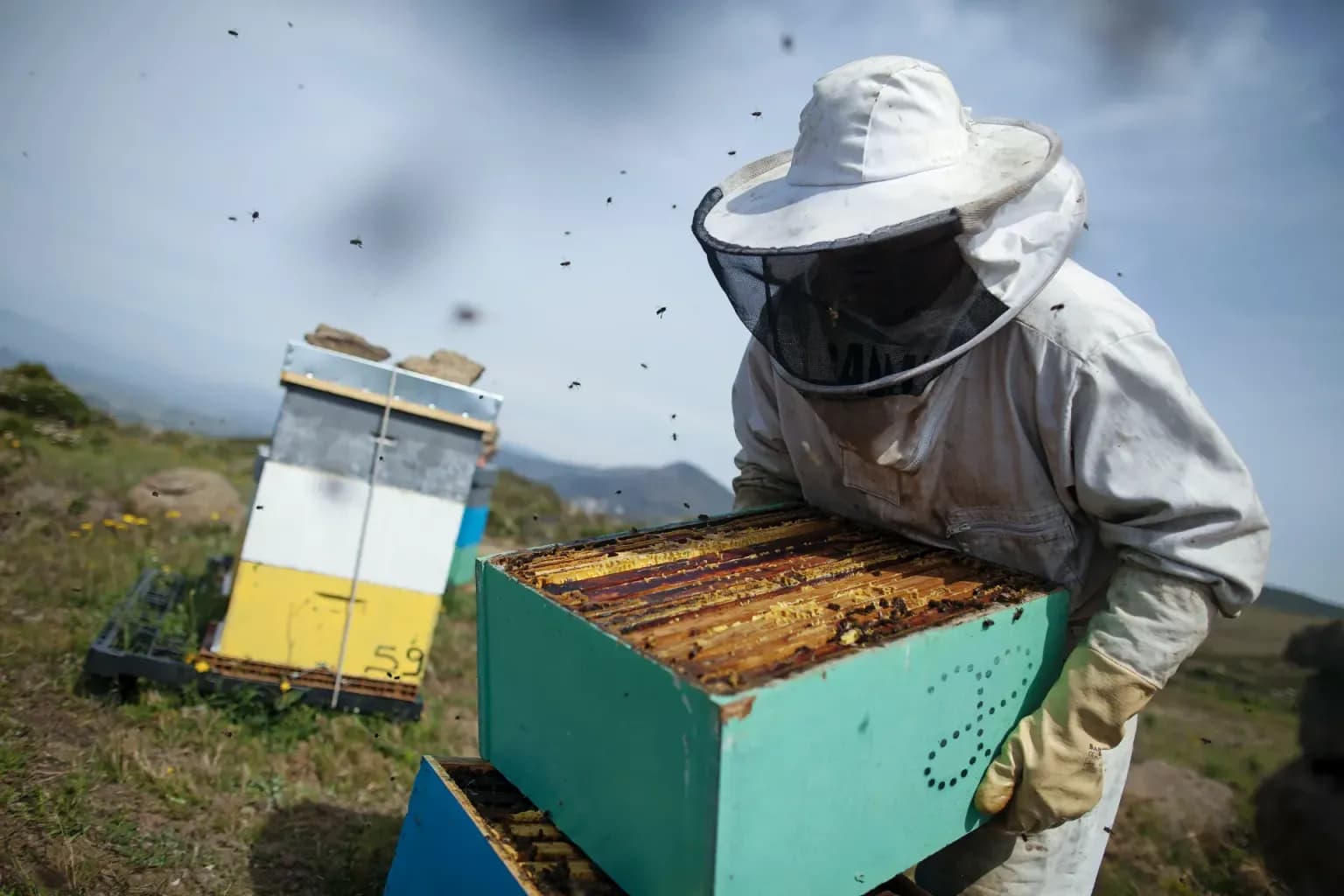
Marc gathers it in the Parc Natural del Cap de Creus. It won Abellaires the Girona Excel·lent seal for 2023-2024. It carries the CCPAE's European organic certification and is not heated or filtered.
Mel crua ecològica del Parc Natural Cap de Creus
Garriguella, Alt Empordà · Catalonia
440 g glass jar
The spring honey of the Parc Natural del Cap de Creus, the easternmost point of the Iberian Peninsula: bare rock, cliffs, hidden coves and scrub battered by the tramontana and by storms off the sea. The family says the bees work here in hard conditions that are also a privilege, among strong winds and fields full of wild aromatic plants.
It comes mostly from rosemary, heath (Erica multiflora), wall germander (Teucrium chamaedrys) and the rockroses of the coastal garrigue. The label on the lid describes steep cliffs worn by the sea and the wind and names French lavender and tree heath as well. It is sweet, fresh and lightly floral, with balsamic notes.
It is never heated or filtered after extraction, so it keeps its original enzymes and aromas and can hold traces of wax or pollen. Every jar can be traced back to the hives it comes from.
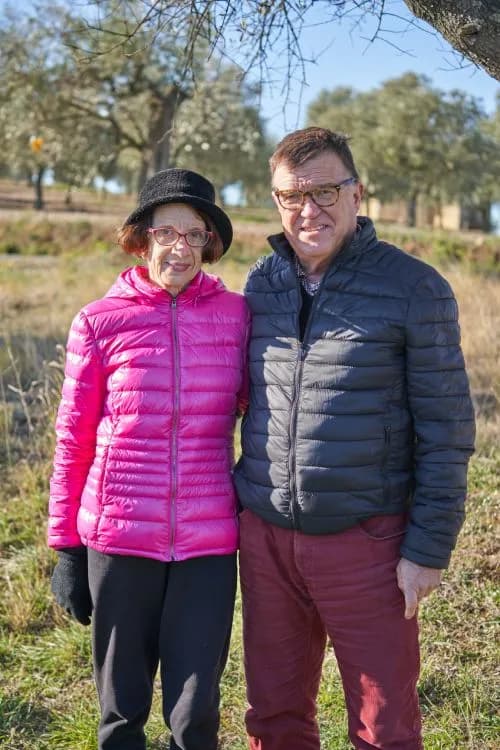
From the producer
Abellaires Empordanesos, Garriguella
With cheese, bread and olive oil, herbal teas or yoghurt. For baking and desserts. Not for children under one year old.
- Ingredients
- Raw organic honey.
- Origin
- Parc Natural del Cap de Creus
- Storage
- Like any natural honey it can crystallise over time, especially somewhere cool. It is a natural process and it can be reversed. Above 42 °C honey starts to lose its aroma and properties.
- Best before
- Two years from the jarring date.