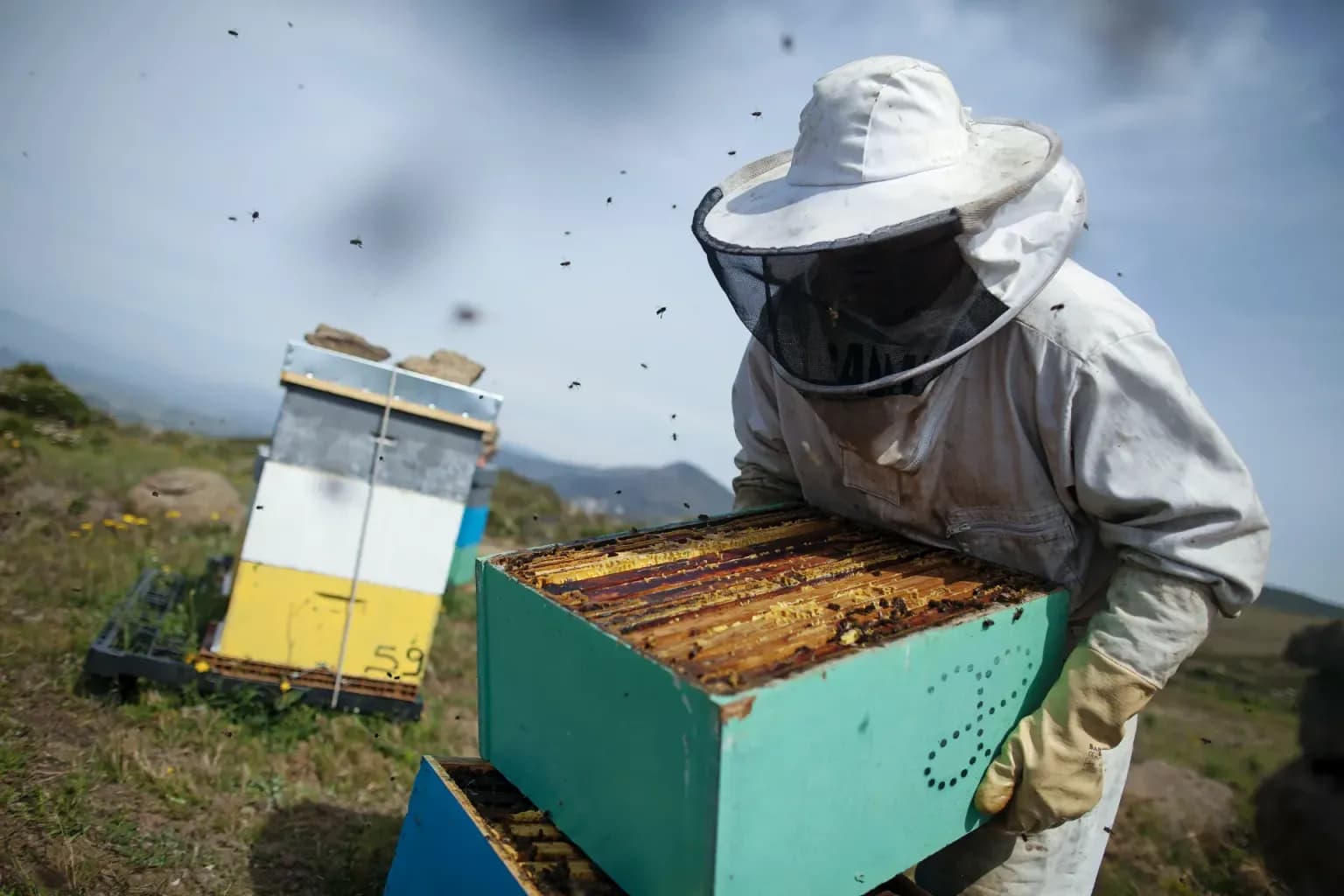
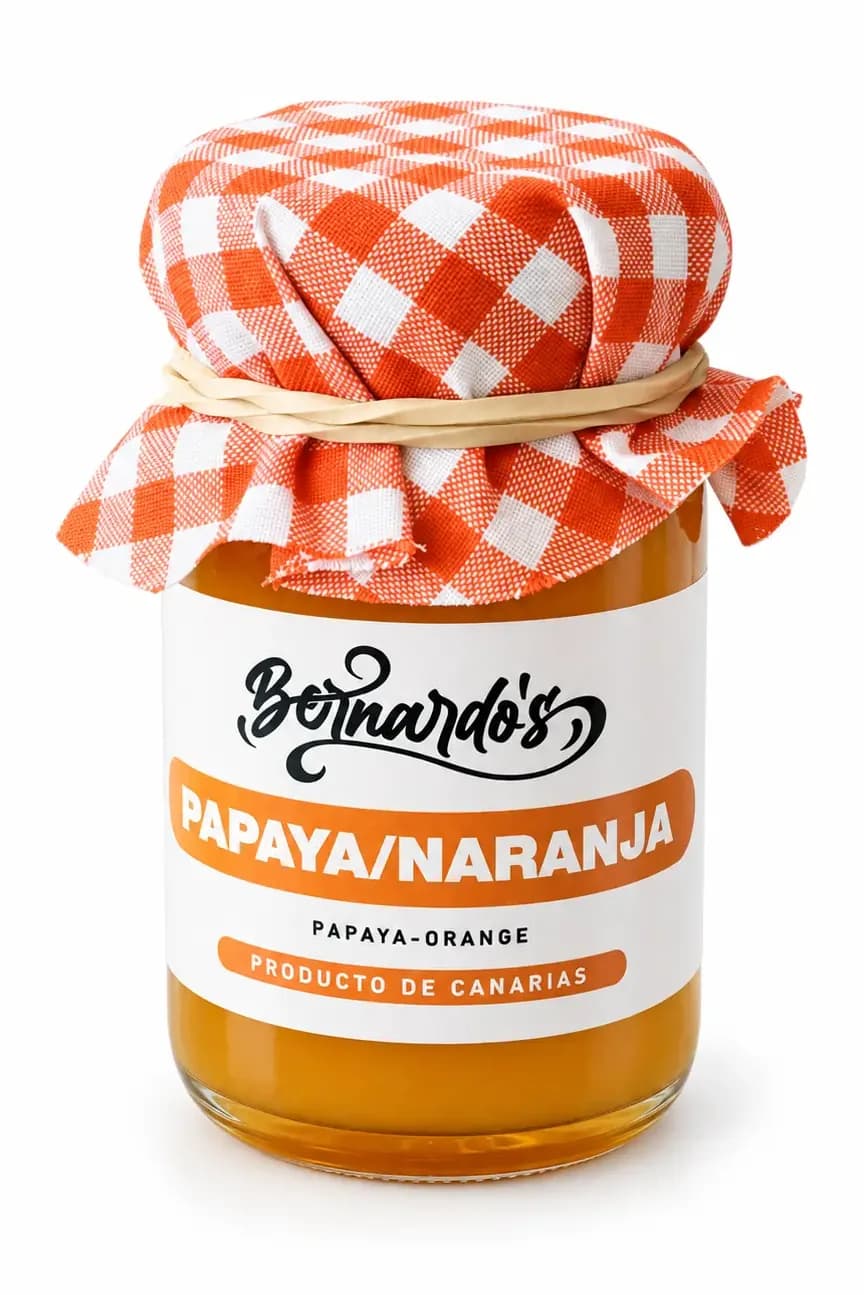
Marc gathers it in the mountains of l'Albera. The family puts it like this: no blends and no middlemen, one beekeeper and one place. It is not heated or filtered, so it can hold traces of wax, pollen or propolis.
Mel crua ecològica del Paratge Natural de l'Albera
Garriguella, Alt Empordà · Catalonia
440 g glass jar
A spring honey from l'Albera, the range that forms the border with France and links the Pyrenees with the Costa Brava. The family counts the range among the wildest landscapes of the Alt Empordà: rocky peaks, eroded cliffs and Mediterranean scrub, with leafy woodland and very ancient human traces, as the label on the lid puts it.
In spring the bees forage on French lavender (Lavandula stoechas), rosemary, tree heath and rockroses, and the lid names thyme as well. The family says the Mediterranean climate and the tramontana wind give the honey its character. It is sweet and floral with soft notes of aromatic herbs, balanced, and works in sweet and savoury dishes alike.
It is not heated or filtered after extraction, so it keeps its original enzymes and aromas. The apiary the family shows on its spring and autumn visits is in l'Albera too, five minutes by car from Garriguella.
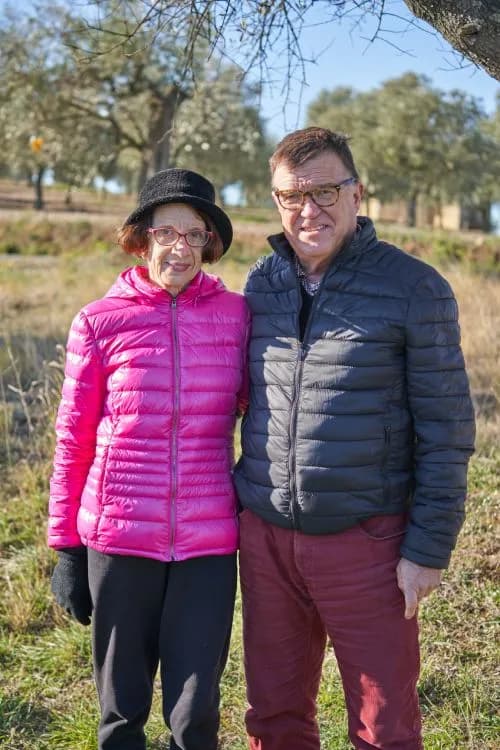
From the producer
Abellaires Empordanesos, Garriguella
With fresh or aged cheese, plain yoghurt or bread with olive oil. In recipes with nuts, in a salad with goat's cheese or in bunyols, light Catalan fritters. Not for children under one year old.
- Ingredients
- Raw organic honey.
- Origin
- Paratge Natural de l'Albera
- Storage
- Crystallising is natural and does not affect its quality. To make it runny again, warm it gently in a bain-marie. Above 42 °C honey starts to lose its aroma and properties.
- Best before
- Two years from the jarring date.