Salinas de Janubio

Since 1895
Pantry
Yaiza, Lanzarote
Carlos Padrón Lleó and Carlos Padrón Marrero

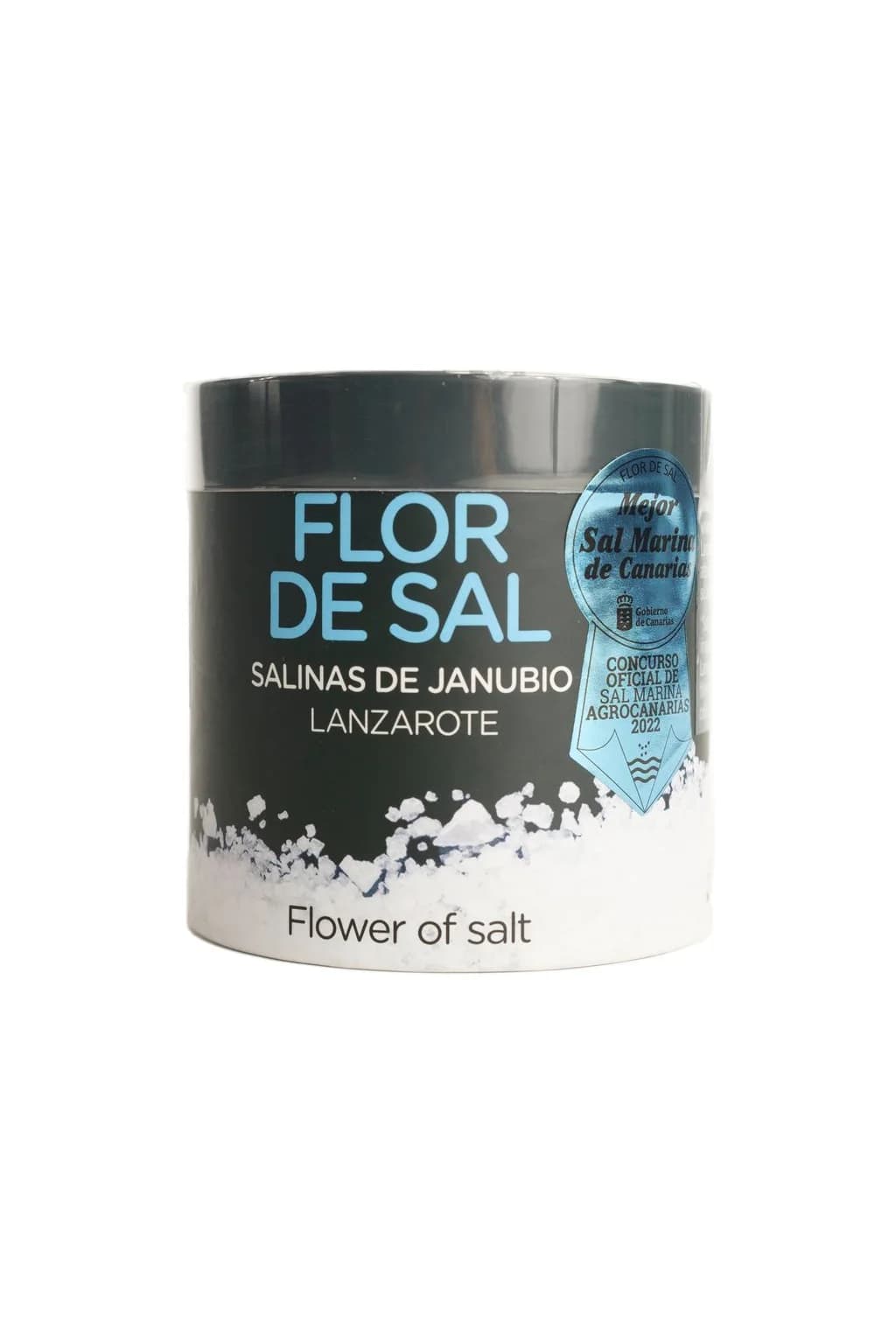
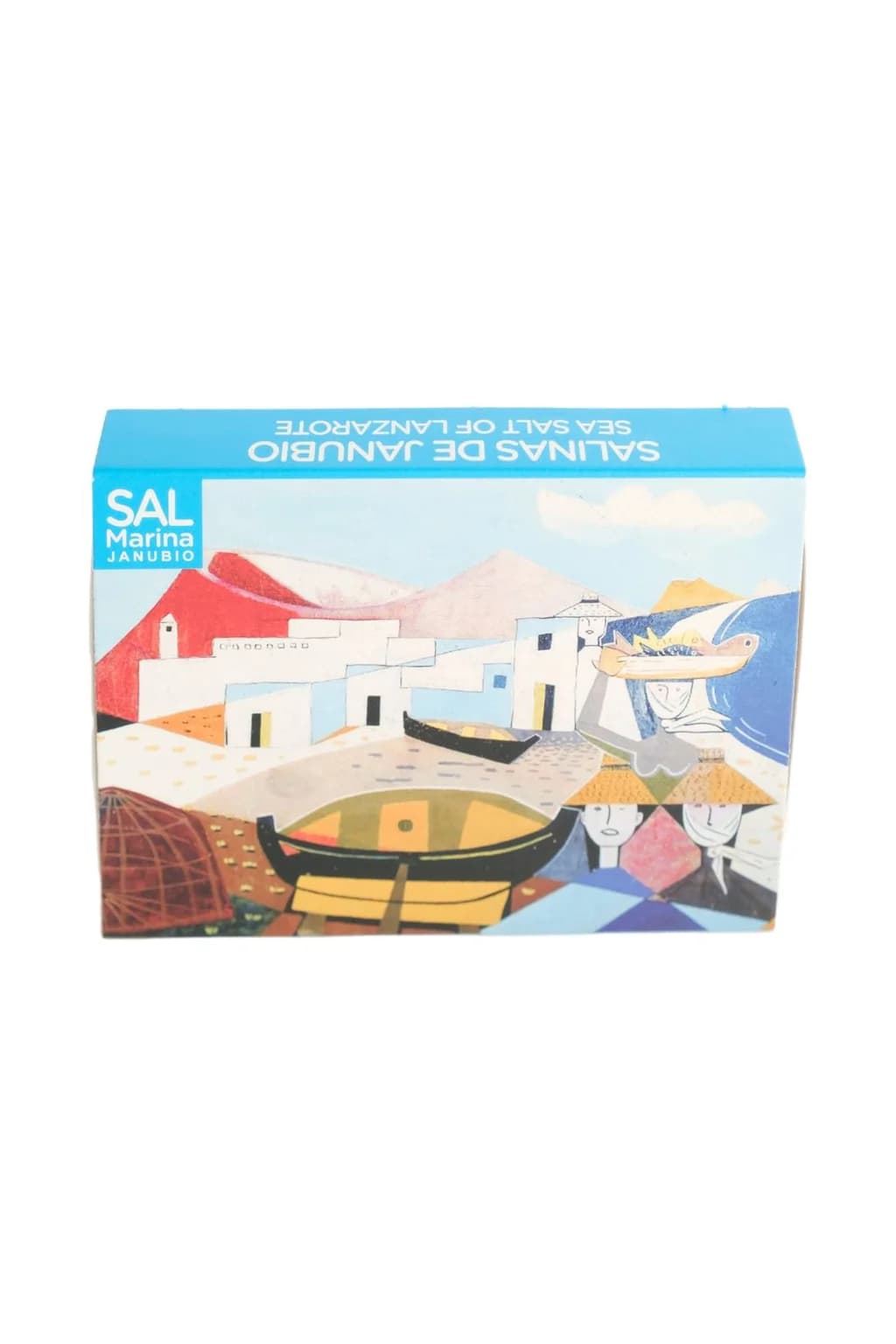
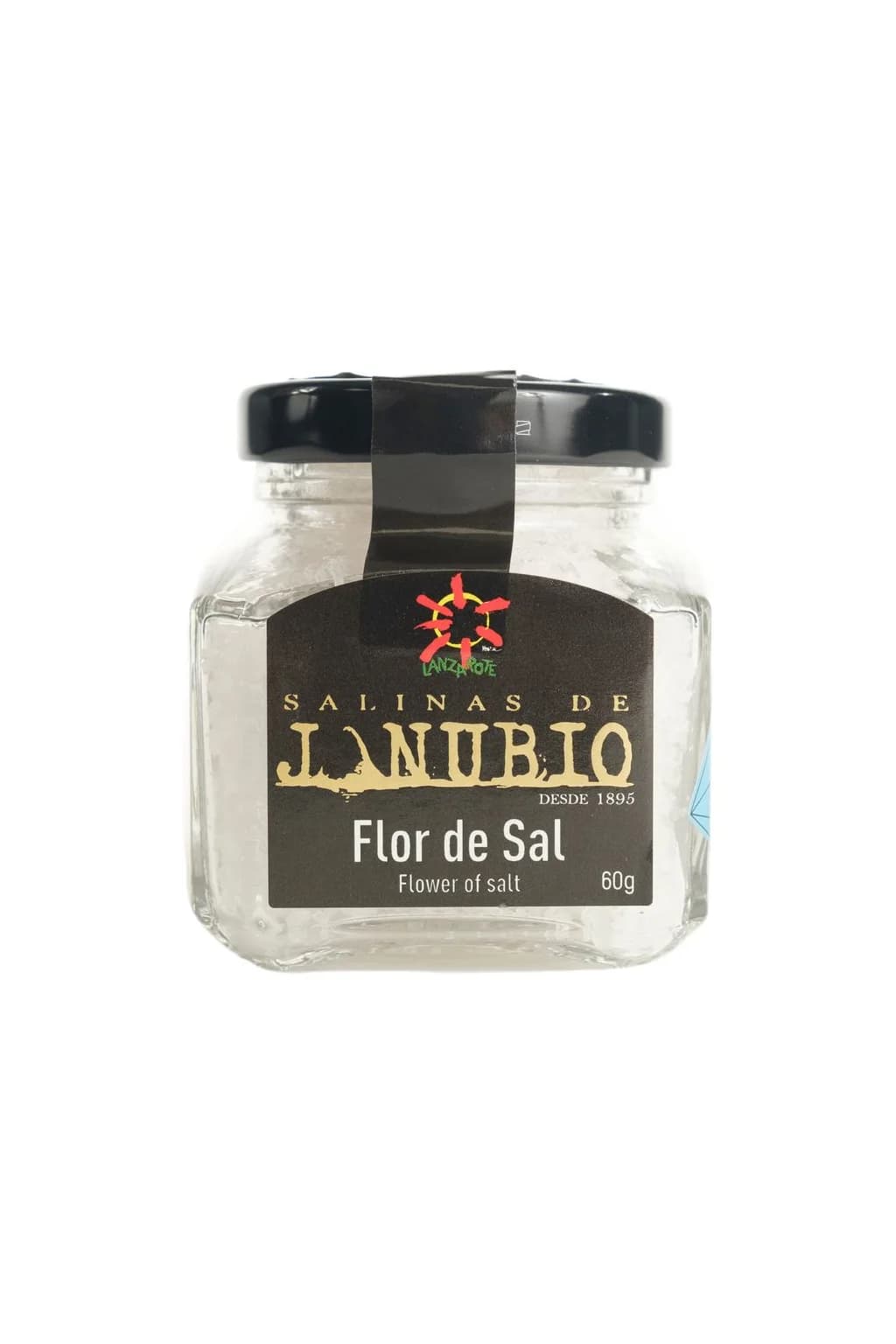
Janubio flor de sal 60 g

The eruptions of Timanfaya closed off the lagoon between 1730 and 1736. In 1895 Vicente Lleó Benlliure began building the salt pans. His nephew Jaime Lleó Mira finished them around 1945.

From 1953 they were run by Francisco Padrón Viñas, a doctor and Jaime's son-in-law. Today Carlos Padrón Lleó and his son, Carlos Padrón Marrero, run them. The salt pans once employed more than a hundred people. Today only part of the pans is worked.

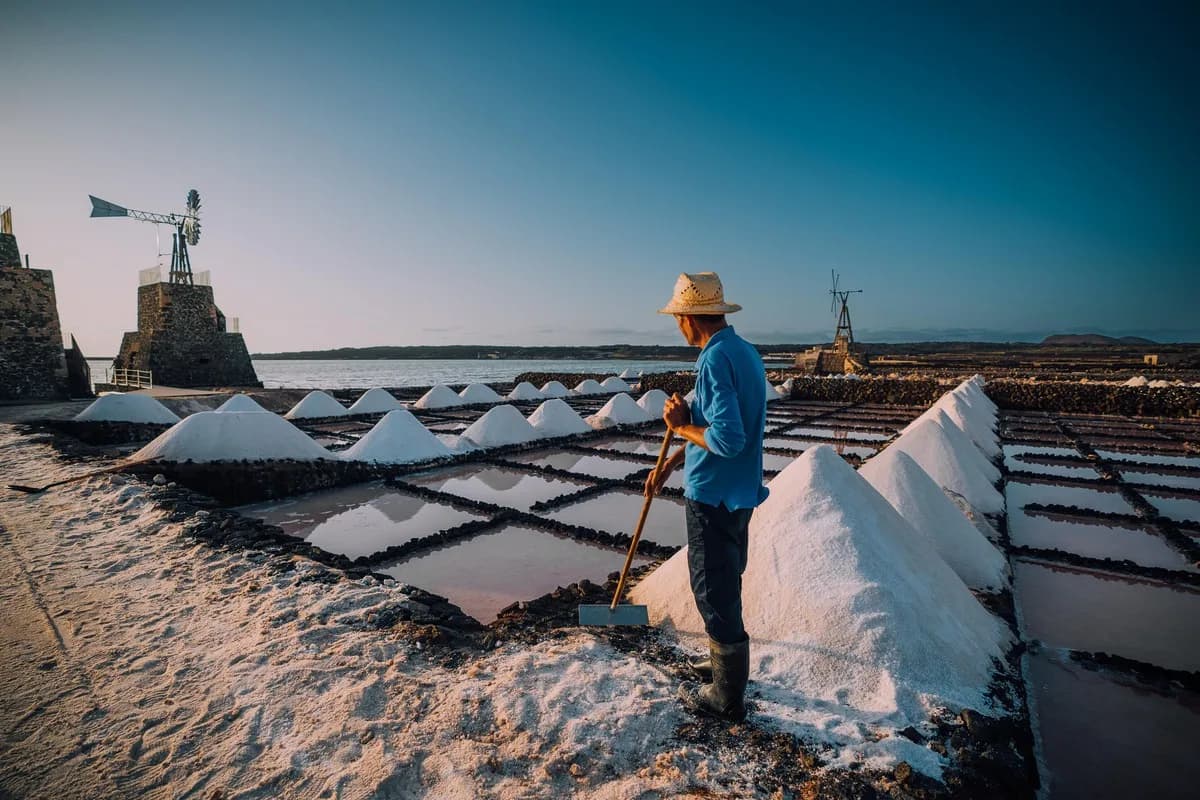
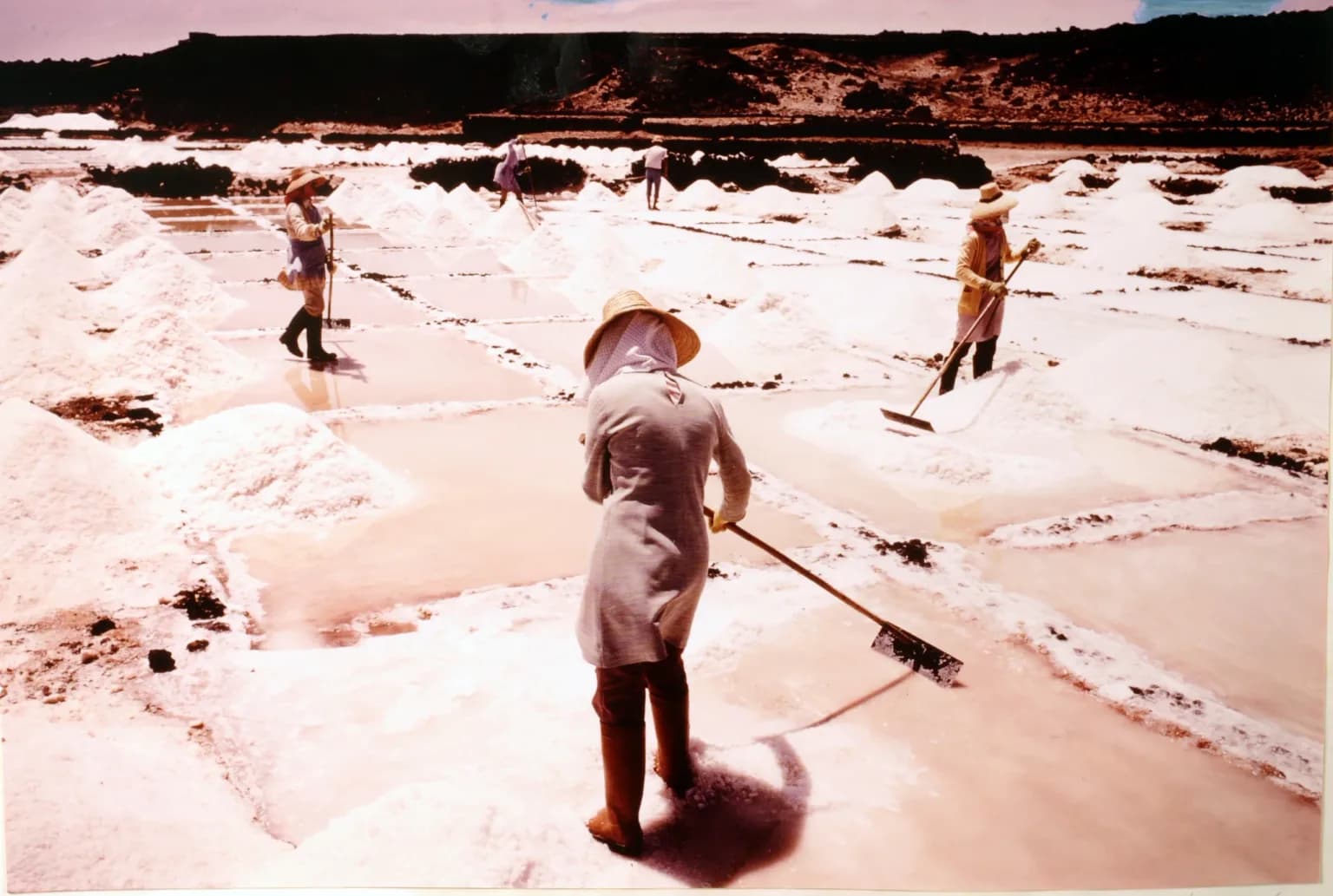
Atlantic water and the sun make the salt. The salt workers gather it with rakes, shovels and wheelbarrows.

The lagoon is protected as a Site of Scientific Interest and as a special protection area for birds. Up to 70 bird species stop there. It is also a geosite of the Lanzarote UNESCO Global Geopark. The pink colour of the water comes from two tiny organisms, brine shrimp and the alga dunaliella.

A day with Carlos Padrón Lleó and Carlos Padrón Marrero

The harvest runs from May to October, the sunniest months. In the pans they work in straw hats and rubber boots, with the water up to their ankles. Everything is done by hand, with rakes, shovels and wheelbarrows. Both men and women work the salt.

The rest of the year goes on repairs. They clean the pipes and the bottoms of the pools, fix what has broken and replace the damaged stones in the walls and pans. According to their foreman, those months matter as much as the harvest.

Carlos Padrón Marrero joined the company in 2018, when he finished his studies. He brings his father ideas for new products and services.

Guided tours last about ninety minutes, in Spanish and English. They go from the evaporation pools to the hand harvest.
How they make it

1

A pump lifts water from the lagoon into the channel that runs around the salt pans. The sun evaporates it in the cocederos, and the brine moves down from pool to pool up to five times in fifteen to twenty days. In the final pans, the tajos, the salt crystallises.

2

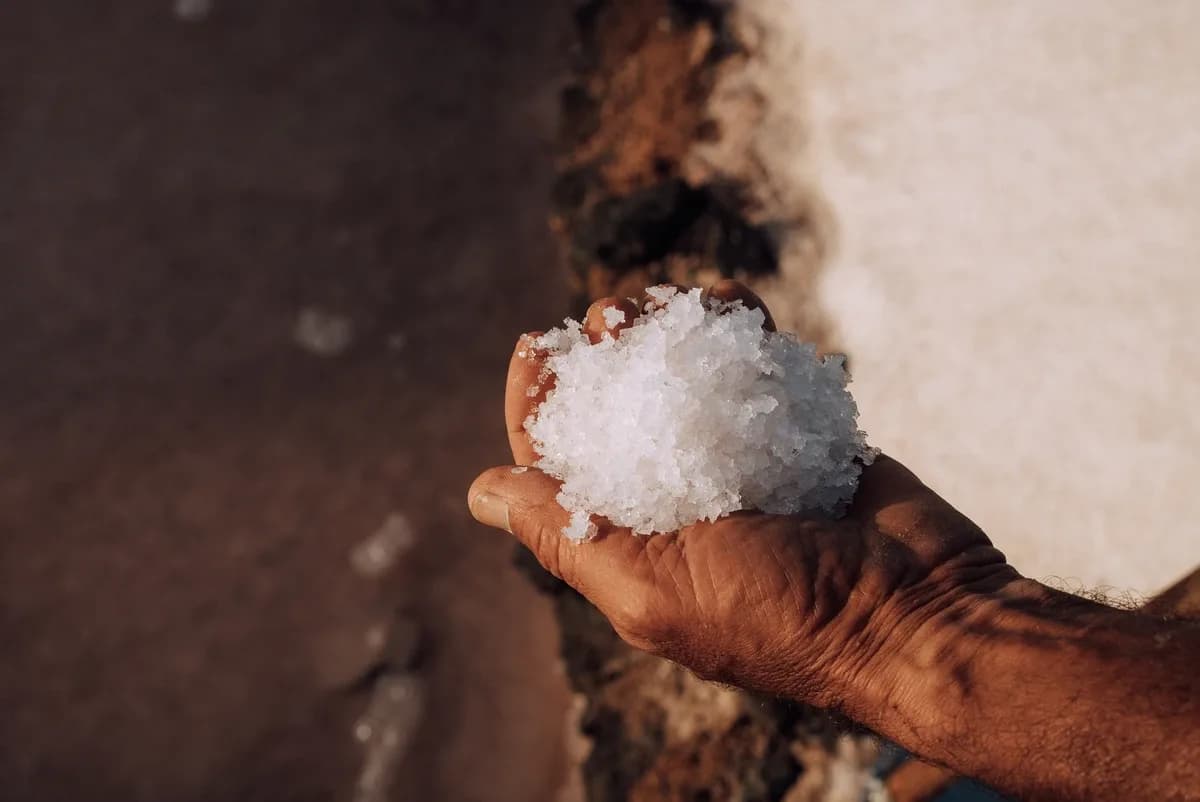
To gather it they break the crust with a rake, comb the bottom without stirring it up and pile the salt in a corner of the pan.

3

In the Bodega de la Sal, a two storey stone building, it is ground and packed.