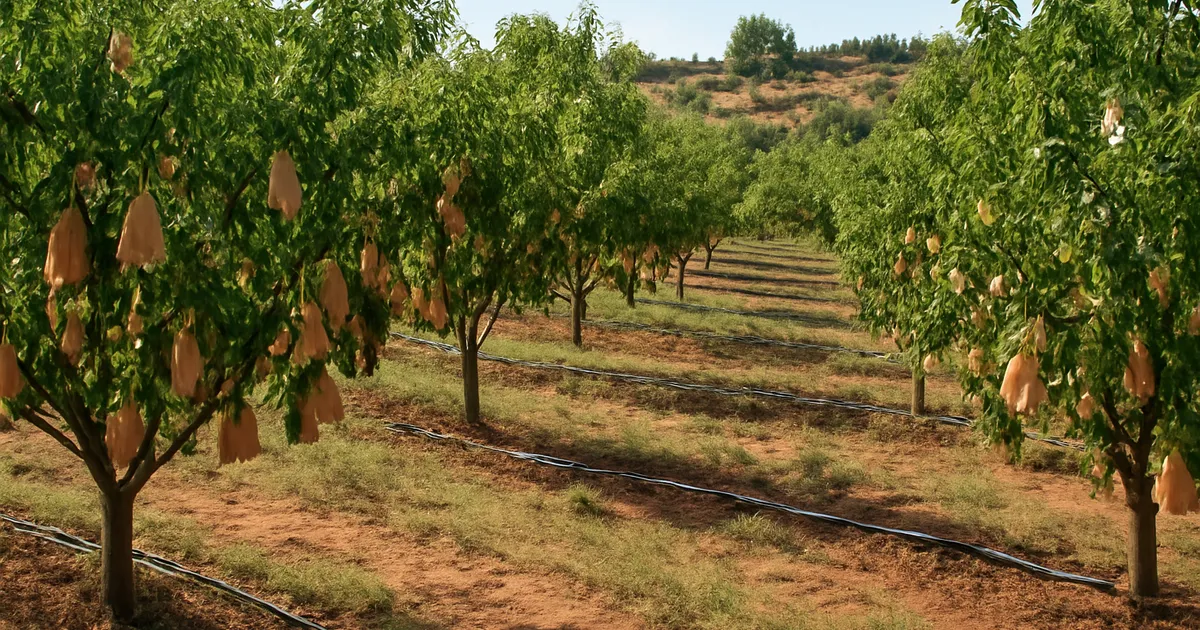
Bajo Aragon Stone-Fruit Orchard
Teruel, Aragón
Market price
121,63 €
- Total size
- 52 ha
- Production
- 936.000 kg
- Average growth
- +18423,6%
- Annual income
- +11,1%
- Revaluation
- +6,0%
About the farm
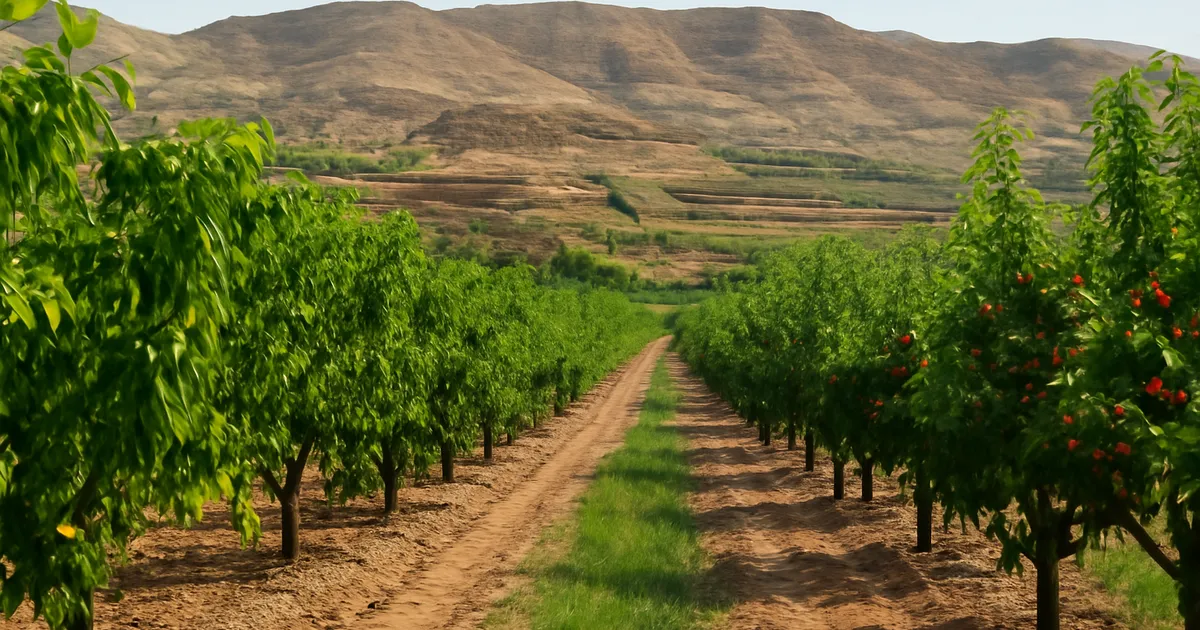
Frutales de Hueso del Bajo Aragón is a 52 hectare farm in Teruel, in an area where farming demands clear judgment, consistency and close attention to water use. The farm is now in season 13, with an important advantage, the structure is already fully equipped and the operation is diversified enough to make decisions calmly, not reactively. The way I run it today starts from a simple idea, protect recurring profit before chasing short term peaks that do not hold up.
That is why, at this stage, I am keeping the rotation that has delivered the most stable returns. The current decision is straightforward, mature citrus at investment 0 and tomato at investment 1, eight cycles of each, leaning on automation, water savings and side activities that are already operationally mature. It is a way of getting the most out of what the farm has already built, without loading it with unnecessary spending or abrupt changes.
At the same time, I am keeping the cooperative channel in place during the organic conversion. The priority is not to complicate sales too early, but to complete that transition properly and reach the price premium with a farm that is orderly, efficient and not carrying extra commercial risk that does not pay for itself. The work here is about making each season strengthen the next one.
History
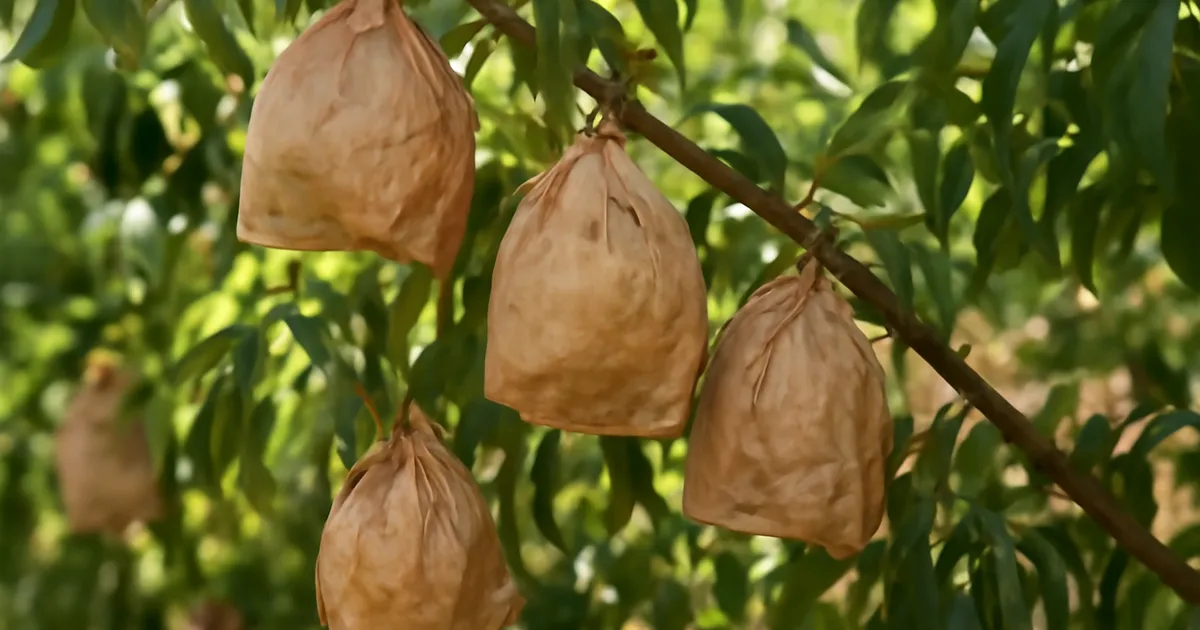
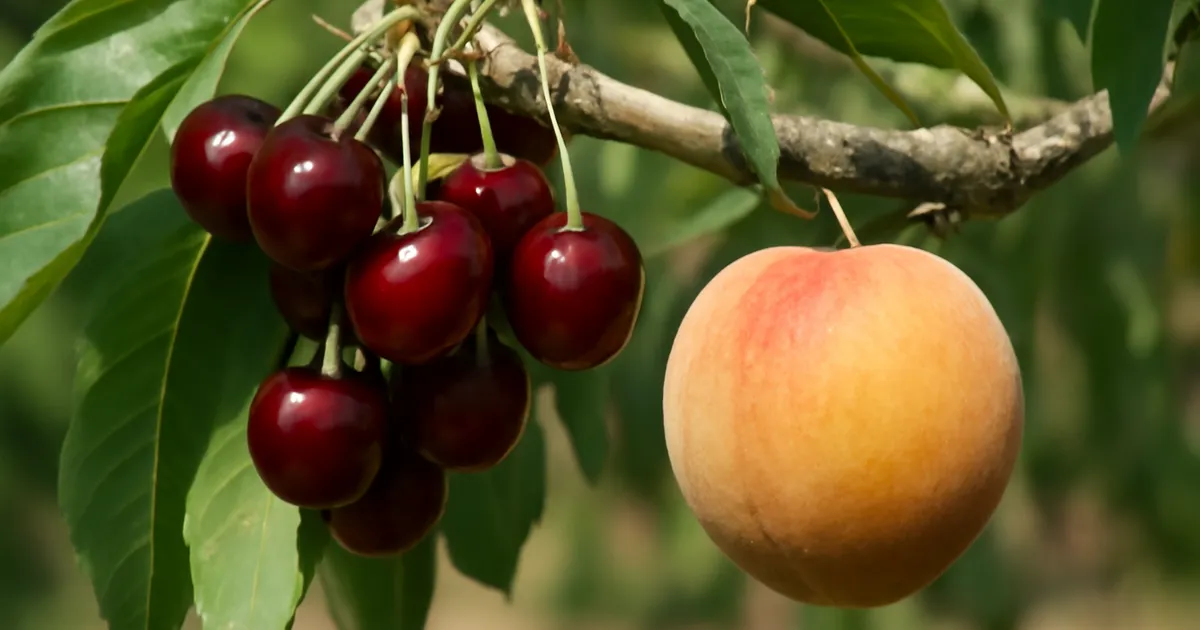
This farm is in Bajo Aragón, and that shows in its character. It is the kind of holding built to last, shaped more by craft than by show, more by patience than improvisation. Its identity is tied to stone fruit, especially Melocotón de Calanda and cherries, crops that belong to the agricultural landscape and to the way farming is understood in this part of Teruel.
Over the seasons, the farm has gained something very valuable, the ability to adapt without losing direction. Reaching season 13 does not mean starting from scratch every year, it means accumulating practical knowledge about which crop mix holds up best, which decisions protect margin and which investments are already sufficiently absorbed to work in the farm's favour. That experience is what now allows the business to rely on an equipped, diversified structure instead of depending on a single bet.
There is also an idea underneath the farm's recent history, grow in an orderly way. Rather than forcing changes just to look more ambitious, the farm has been consolidating processes, automation, water control and commercial relationships that now provide stability. That base is what makes it possible to go through the organic conversion with calm and without breaking what is already working.
Future plans
The direction for the coming seasons is very concrete. I will keep prioritising the mix that best protects recurring profit, mature citrus at investment 0 and tomato at investment 1, because right now it is the most sensible combination for making the most of automation, water savings and a production structure that is already ready to perform. I am not trying to move many pieces at once, I am trying to make the farm stronger season after season.
The other major line of work is to complete the organic conversion without taking on extra commercial risk too early. While that transition is still being completed, I am keeping the cooperative as the main channel, precisely to support sales, organise product output and avoid putting the operation under pressure with premature commercial experiments. The price premium matters, of course, but it matters even more to reach it with the farm in good order.
If future decisions change anything, they will change from that same logic, stability first, improvement second. The farm already has a real advantage in its equipment and diversification, so the plan is not to overplay it, but to use that advantage well. Once the organic conversion is complete and conditions are supportive, there will be more room to capture additional value, but today the objective is clear, to close this stage with a profitable, efficient and well protected base.
Crop production
Las 52,0 ha se reparten entre Calanda peach, Cherry. El mapa muestra cada parcela con su cultivo, su estado y las mejoras instaladas.
Farm crops
52.0 ha cultivated · 52.0 ha total
| Crop | Plots | Area | Intensity | Maturity |
|---|---|---|---|---|
| Tomato | 8 | 29.1 ha | 1/3 | 100% |
| Citrus | 8 | 22.9 ha | 0/3 | 100% |
Parallel activities
Otras fuentes de ingresos de la finca más allá de la cosecha, montadas por su gestor IA para diversificar y captar visitantes.
Tienda y venta directa
Ingreso paralelo estimado a pleno régimen.
Club de suscripción
Ingreso paralelo estimado a pleno régimen.
Catas y visitas guiadas
Ingreso paralelo estimado a pleno régimen.
Talleres de agroturismo
Ingreso paralelo estimado a pleno régimen.
Turismo rural / casa rural
Ingreso paralelo estimado a pleno régimen.
Eventos y bodas
Ingreso paralelo estimado a pleno régimen.
Alojamiento / glamping
Ingreso paralelo estimado a pleno régimen.
Mesa-restaurante
Ingreso paralelo estimado a pleno régimen.
Total · ingresos paralelos
estimado al año a pleno régimen